Affiliate Disclosure: Vibration Plate Zone is a proud participant in the Amazon Services LLC Associates Program.
Vibration machines, often called vibration plates, have gained a strong following in the fitness world. They promise faster results, improved circulation, and the ability to engage muscles in ways that traditional workouts sometimes can’t. It’s not surprising that they’ve found a place in gyms, physical therapy centers, and even living rooms. But while they are widely marketed as convenient and effective, the potential dangers of vibration machines are rarely discussed in detail.

About the author: Hello! I’m Vladimir Stanar, professor of physical education, kinesiotherapist, marathon runner, cyclist, and cycling coach, and long-time advocate of health, fitness, and active living.
My journey with vibration plates runs parallel to my professional career in education, sports medicine, and athletic development. Over time, I’ve come to see vibration plates as one of the most versatile tools for enhancing health, recovery, and performance.
✅ Expert-Reviewed by: Vanja Vukas, MPhEd
📚 Expert Contributor: Milutin Tucakov, MPhEd
The truth is, these devices can cause short-term side effects, contribute to long-term problems, and pose serious risks for people with certain health conditions.
I’ve been using vibration plates for several years. When I first tried one, I was impressed by how intense a simple squat or plank could feel with the machine running. But I also made mistakes, like setting the intensity too high, which left me with headaches and sore knees. Through trial and error, and by learning from other users, I came to understand the importance of safety and moderation.
In this article, I’ll explain the most common dangers, identify who should not use a vibration plate, and share practical advice for safer training. I’ll also point to resources from our site that will help you make informed choices about which machines are suitable for your goals.
Dangers of Vibration Machines

The dangers of vibration machines come from how they interact with the body. These devices create mechanical vibrations that are transmitted through your feet, legs, and entire body. The muscles respond by contracting rapidly, often dozens of times per second. That’s part of what makes them effective, but it’s also why risks exist.
Mechanical Stress
Every vibration sends force through your joints, tendons, and muscles. When used moderately, this can encourage muscle activity and improve circulation. When overdone, it leads to joint strain, micro-tears, and overuse injuries. I once pushed myself through a 20-minute high-intensity session, and instead of feeling stronger, I left the gym limping with sore knees. That was a wake-up call about how easily these machines can be misused.
One example is treating a recovery session like another full workout, a distinction I examine in my guide on vibration plate for post-exercise recovery and DOMS management.
Those using vibration moderately for circulation sometimes also ask about effects on skin health, and my article on vibration plates and skin collagen covers what improved blood flow may and may not do for collagen and skin appearance.
Circulatory Concerns
Vibrations increase blood flow and can stimulate the lymphatic system. That’s a benefit for many users, but for people with circulatory conditions, high blood pressure, or clotting issues, this sudden increase can be dangerous. Blood pressure spikes, dizziness, and pooling in the extremities are all possible if the machine is not used correctly.
People with pelvic floor dysfunction, which is often associated with difficulty passing stool, should also approach vibration plates with particular care; my guide on vibration plate for constipation symptoms covers the specific pelvic floor concerns and when to seek specialist assessment before using one.
Neurological Strain
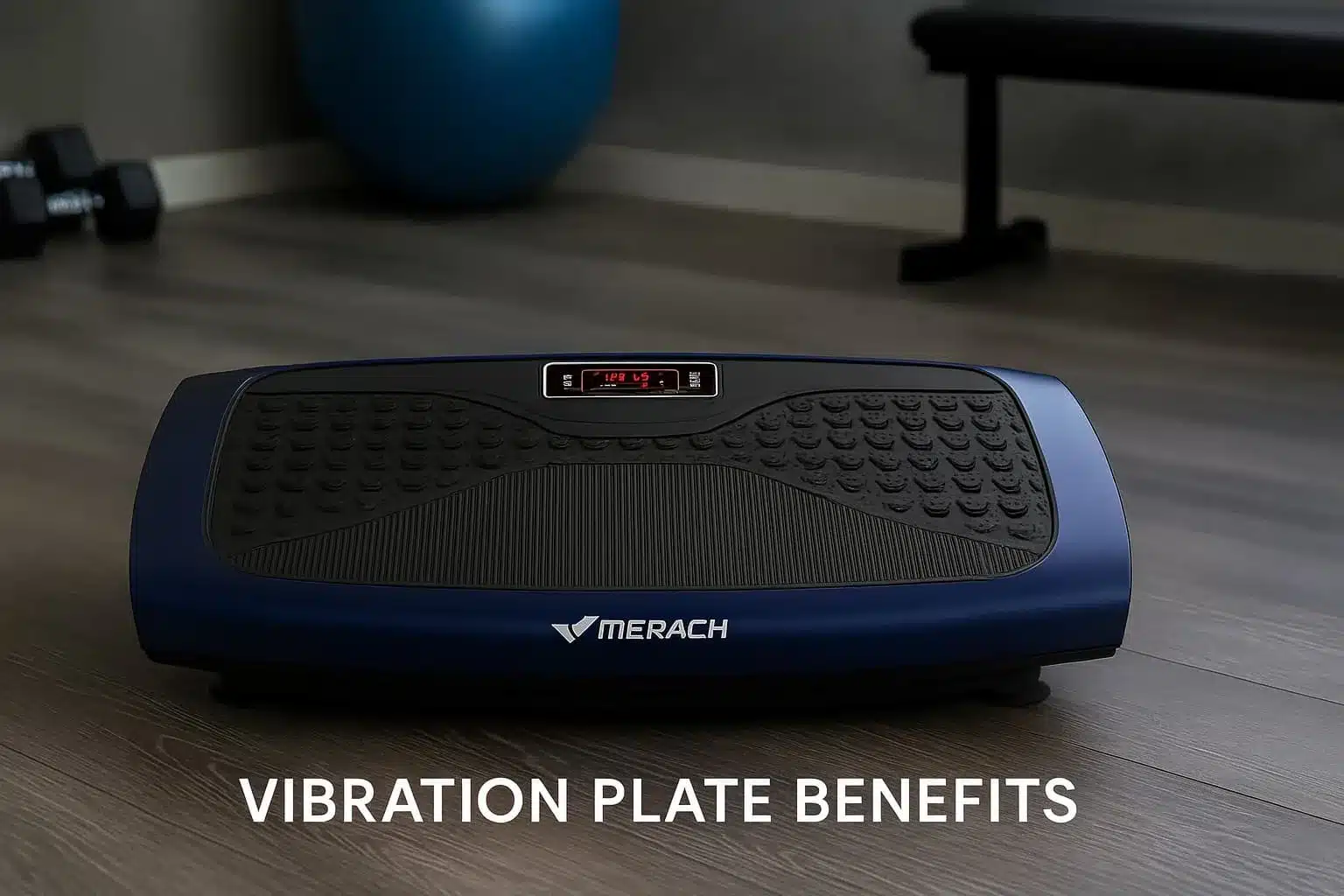
The nervous system also responds to vibration. In small doses, this may improve coordination and muscle recruitment. But long sessions or very high frequencies overstimulate the nervous system, which can cause tingling, numbness, or even nerve irritation. Some people describe feeling “wired” or jittery after prolonged use. I experienced this the first time I used a plate on maximum intensity; it felt like my entire body was buzzing for hours afterward. Opting for a solid platform such as quality MERACH vibration plates will definitely decrease the strain.
If you want a foundation on how these machines function and why risks appear, I recommend starting with our article on what is a vibration plate.
Who Should Not Use a Vibration Plate
Not everyone is a good candidate for vibration training. Certain groups face higher risks because vibrations interact with their health conditions in harmful ways.
People managing autoimmune conditions require extra caution when starting vibration therapy, and I cover the appropriate approach in my guide on vibration plates for autoimmune conditions.
Pregnant Individuals
Pregnancy is one of the clearest situations where vibration plates should be avoided. Vibrations can affect circulation and increase uterine stress, which may cause complications. Even mild use is not worth the risk during this stage of life.
People With Pacemakers or Implants
Electronic medical devices such as pacemakers can be disrupted by vibrations. The rapid oscillations can interfere with electrical signals, which could cause the device to malfunction. This makes vibration machines unsafe for people with these implants.
Individuals With Heart Conditions
If you already have high blood pressure, arrhythmia, or another cardiovascular problem, vibration plates can add stress to your heart and blood vessels. The extra circulatory demand increases risk, which is why medical clearance is mandatory. For a closer look at what the research shows in this specific context, my guide on vibration plate and high blood pressure covers the evidence, the risk profile, and what a sensible protocol looks like.
Those Recovering From Surgery or Injury
Bones, tendons, and soft tissue need time to heal after surgery or fractures. Vibrations disrupt the healing process by pulling on tissues that are not yet stable. This can delay recovery or worsen the injury.
People With Severe Arthritis or Osteoporosis
Arthritic joints are sensitive to mechanical stress. Instead of providing relief, vibrations can increase inflammation and pain. For osteoporosis patients, there is also the risk of fractures. Only carefully selected machines with gentle settings should ever be considered.
Migraine or Vertigo Sufferers
For those prone to migraines or vertigo, the rhythmic shaking can easily trigger symptoms. Dizziness, nausea, and headaches are often reported in these cases.
Cervical conditions can produce similar symptoms, and my guide on vibration plates and neck pain explains which neck diagnoses make whole body vibration inappropriate and how to use it safely when it is permitted.
For a gentle option that can suit sensitive users, see our LifePro Rhythm Vibration Plate review.
Short-Term Side Effects From Vibration Machines

Even healthy people who are new to vibration plates for home use often experience side effects. These are usually temporary but can be unsettling.
Dizziness and Balance Problems
The inner ear is highly sensitive to vibrations. As a result, many beginners feel dizzy after their first sessions. I remember nearly stumbling off the machine during my first week. Over time, your body adapts, but balance issues remain common.
Headaches
The vibrations travel through the neck and skull, sometimes causing tension headaches. This is especially likely if posture is poor or if you keep your jaw clenched during exercises.
For a detailed look at how vibration reaches the head and what the current research says about brain safety, my guide on vibration plates and neurological effects covers all the key concerns.
Nausea
Your stomach and digestive system are also affected by vibrations. Many people feel queasy until their body adjusts. I learned that shorter sessions made a huge difference dropping from 15 minutes to 7 minutes eliminated most of my nausea.
Muscle Fatigue
Because the machine causes involuntary contractions, it tires muscles quickly. This can feel like a productive workout, but it also risks overtraining if you don’t rest afterward.
You can reduce these short-term effects by following structured vibration plate exercises that ease your body into the experience.
Itching Sensations
Vibration plates work by inducing rapid muscle contractions. These push blood toward the surface and stimulate nerves in your legs. Occasionally, vibration can cause an itchy feeling, especially if you stand with feet wide apart or use high frequency and speed settings. Narrowing your stance and lowering the speed help in most cases.
Alongside these short-term physical responses, vibration also triggers short-term hormonal changes in some people, and my guide on vibration plate hormonal effects covers what the research shows for growth hormone, cortisol, and metabolic markers when a plate is used in an active protocol.
Alongside these short-term physical responses, vibration also triggers short-term hormonal changes in some people, and my guide on vibration plate hormonal effects covers what the research shows for growth hormone, cortisol, and metabolic markers when a plate is used in an active protocol.
Long-Term Health Risks of Vibration Machines
The real dangers of vibration machines emerge with chronic misuse. Using them daily without breaks, ignoring pain signals, or training with poor form leads to deeper problems.
For people in those categories looking at an exercise bike as a gentler alternative, my exercise bike vs vibration plate comparison covers how the two differ in joint loading, cardiovascular demand, and overall suitability for users who need a cautious approach.
Joint Wear and Tear
Continuous stress on the knees, hips, and ankles eventually wears down cartilage. People with existing joint issues are especially at risk, but even healthy users can develop chronic pain if they skip rest days. I explained the impact on joints more in the vibration plate vs. rebounder article.
Back and Spine Issues
Improper posture magnifies the risk to the lower back. Vibrations move up the spine and can aggravate disc problems or cause persistent muscle tightness. I noticed tightness in my lower back when I slouched during sessions. Once I corrected my stance, the discomfort eased.
Circulatory Stress
For individuals with weak blood vessels, the vibrations may worsen conditions like varicose veins. Over time, this can create more serious vascular problems if not managed.
My dedicated guide on the vibration plate for varicose veins covers both the risks and the conditions under which gentle vibration is considered safe for this purpose.
Nervous System Overload
Constant overstimulation of the nervous system can cause tingling, numbness, or nerve irritation. This is rare in moderate users but more common in those who train excessively.
The safest way to build consistency is to follow advice from our beginners guide to whole body vibration.
For readers wondering whether anxiety or mood are among the outcomes that should factor into vibration plate use, my guide on vibration plate anxiety effects reviews the evidence and sets realistic expectations.
Can I Use a Vibration Plate With Heart Problems?

You can use a vibration plate with heart problems only if cleared by your doctor. These machines can raise blood pressure, strain circulation, and interfere with pacemakers. For most people with cardiovascular conditions, unsupervised use is unsafe.
Doctors who approve vibration therapy usually recommend:
Very short sessions (5 minutes or less)
Low frequencies to reduce circulatory demand
Monitoring for dizziness, chest tightness, or irregular heartbeat
If you’re in this category, only advanced machines with precise controls are suitable. One such model is highlighted in our Power Plate Move review.
Is It Safe to Use a Vibration Plate Every Day?
It is safe to use vibration plates every day only for advanced users with strong recovery habits. For most people, 3–4 sessions per week is far more sustainable.
Why Rest Days Matter
Muscles adapt and grow during recovery, not during training. Daily use increases the chance of fatigue, inflammation, and overuse injuries. I learned this the hard way. When I first bought my plate, I used it every morning. Within weeks, my knees began to ache, and I lost motivation. Once I cut back to three sessions a week, my strength and energy improved.
Ideal Training Frequency
Beginners: 2 sessions per week
Intermediate users: 3 sessions per week
Advanced users: up to 4 sessions per week
How to Use Vibration Plates Safely
Safety is what separates effective training from harmful training. Here’s what I’ve learned over years of practice:
Start Slow
Limit your first sessions to 5–10 minutes on a low setting. Build up gradually as your body adjusts.
Posture and Alignment
Always keep your knees slightly bent. Locking them straight sends shock directly into the joints. Keep your back upright and core engaged.
Maintaining that upright position during vibration sessions also contributes directly to fall risk reduction, which I address in depth in my guide to vibration plate for stability and fall prevention.
Footwear
Wear cushioned athletic shoes. Training barefoot may increase vibration intensity and lead to discomfort.
Breathing and Relaxation
Avoid clenching your jaw or holding your breath. Staying relaxed makes the vibrations easier to tolerate.
Warm-Up and Cooldown
Simple stretches before and after prevent stiffness. Skipping this step increases soreness.
Readers who want a full breakdown of how to structure those stretches effectively on the plate will find everything they need in my dedicated guide to vibration plate for stretching and flexibility.
My dedicated guide on using a vibration plate before or after exercise sessions covers exactly how to fit the plate into that sequence without creating additional soreness or fatigue.
Listen to Your Body
Stop immediately if you feel numbness, dizziness, or sharp pain. These are signs that you’re pushing too hard.
To see which machines support safe and flexible training, take a look at our roundup of the best vibration plates.
Safer Alternatives for Sensitive Users

For those who fall into higher-risk categories, there are safer options that reduce the dangers of vibration machines while still offering benefits.
Lower Intensity Plates
Some models are designed with gentler settings, suitable for older adults or people with health concerns.
Seated Exercises
Sitting on the plate with feet resting on it reduces full-body stress but still improves circulation.
Short Sessions
Even a few minutes at a time can provide benefit without overwhelming the system.
Readers who want a lower-intensity plate at an accessible price can browse my picks in the guide to the most practical budget vibration plates currently available.
Targeted Uses
Some people use vibration therapy specifically for circulation or lymphatic drainage, not for high-intensity training. For this instance, see our guide to the best vibration plates for lymphatic drainage.
For sensitive users who want to understand how yoga compares to modified vibration plate use, my vibration plate or yoga guide covers both approaches side by side, including the scenarios where each is the more appropriate choice.
Key Takeaways on Vibration Machine Risks
The dangers of vibration machines are most serious for people with heart conditions, implants, bone problems, or those who misuse the equipment. For healthy users, overtraining and poor form create the biggest risks.
Athletes and regular trainers who want to use vibration plates effectively within structured programming, rather than casually, will find a dedicated approach in my guide on vibration plates for athletes and active trainers.
People managing obesity who want to begin using a plate safely will find condition-specific guidance in my article on vibration plate and obesity, covering what the research supports and how to start without overloading the system.
Always consult a doctor if you have medical concerns, start at low intensity, and give your body time to adapt. For trusted recommendations, see our full list of vibration plate reviews.
The distinction between occupational vibration exposure and therapeutic whole-body vibration is frequently misunderstood. Industrial workers who develop vibration-related disorders are exposed to high-amplitude, high-frequency vibration for hours daily over years, often while operating machinery with poor posture and without rest. Therapeutic vibration plates produce far lower amplitudes, are used for minutes rather than hours, and are used in standing position with full body contact on the surface. These are not the same category of exposure.
Platform type also affects how vibration transmits through the body, and my oscillating, linear, and tri-planar vibration plate guide covers the transmission differences and what they mean for session planning.
The safety profile changes with session length and frequency of use. Studies reporting adverse effects at therapeutic settings typically involve protocols that exceed 20 minutes per session or daily use at high amplitude. A 10-minute session at moderate settings three times per week stays within ranges that have not produced adverse outcomes in clinical research. The dose matters as much as the modality.
Warning signs during a session that should prompt an immediate stop: persistent dizziness, chest tightness, sharp pain in any joint or the spine, visual disturbances, numbness extending from the legs upward, or nausea that does not resolve after stepping off the plate. These symptoms in a first session suggest either an intensity mismatch or a contraindication that requires medical review before continuing.
For readers who want to understand what vibration plates do when used correctly and within safe parameters, my overview of how vibration plates perform for most users covers the evidence on outcomes, frequency, and realistic timelines.
For people in those categories looking at an elliptical as an alternative, my vibration plate and elliptical comparison covers how the two differ in joint loading, cardiovascular demand, and overall suitability for cautious users.
FAQs
Who should not use vibration plates?
Who should not use vibration plates includes pregnant individuals, people with pacemakers, and those with severe joint or heart conditions. These risks exist because vibrations affect circulation, muscles, and implants.
Can vibration machines cause nerve damage?
Vibration machines can cause nerve damage if overused or set at very high frequencies. Excessive stimulation of the nervous system may lead to tingling or numbness.
Is it safe to use vibration plates every day?
It is safe to use vibration plates every day only for advanced users, but most people do better with 3–4 sessions a week. Rest days allow muscles and joints to recover.
Can I use a vibration plate with heart problems?
You can use a vibration plate with heart problems only if approved by your doctor. Without clearance, the risks to circulation and pacemakers are too high.
Do vibration machines have side effects?
Vibration machines have side effects like dizziness, nausea, and muscle fatigue. Long-term misuse can cause joint strain and circulation issues.