Affiliate Disclosure: Vibration Plate Zone is a proud participant in the Amazon Services LLC Associates Program.
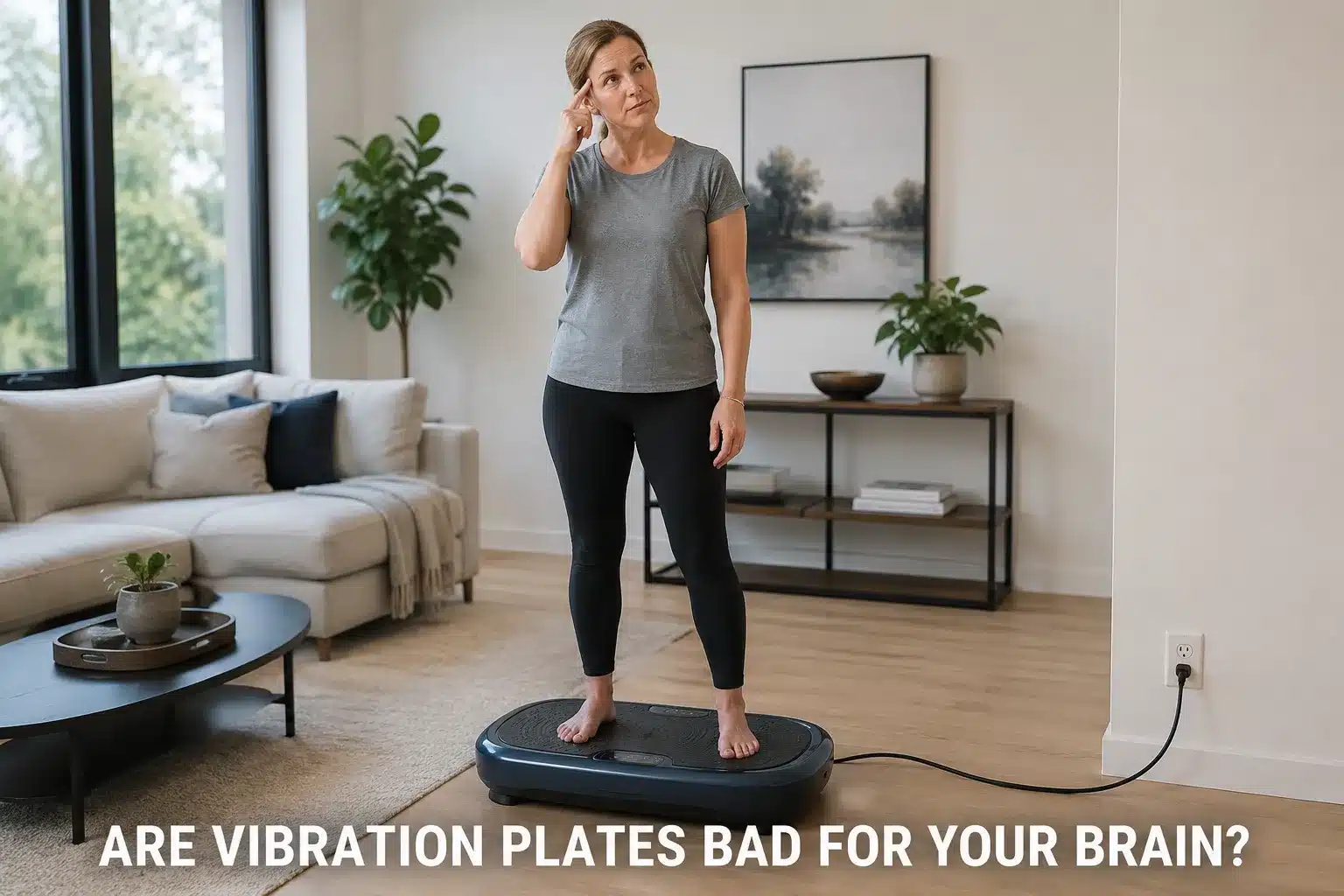
Are vibration plates bad for your brain? Current research does not show that properly used consumer vibration plates cause brain damage in healthy adults.

About the author: Hello! I’m Vladimir Stanar, professor of physical education, kinesiotherapist, marathon runner, cyclist, and cycling coach, and long-time advocate of health, fitness, and active living.
My journey with vibration plates runs parallel to my professional career in education, sports medicine, and athletic development. I’ve developed a unique process for testing vibration plates as they are some of the most versatile tools for enhancing health, recovery, and performance.
✅ Expert-Reviewed by: Vanja Vukas, MPhEd
📚 Expert Contributor: Milutin Tucakov, MPhEd
The vibration can sometimes reach the head, especially when someone stands with locked knees, selects an intensity that is too strong, or uses poor posture. This may cause temporary symptoms such as headache, dizziness, blurred vision, or an unpleasant shaking sensation, but those symptoms are not the same as brain injury.
Research into whole body vibration has even examined possible benefits for cognition, balance, and neurological rehabilitation. The evidence is still developing, so vibration plates should be used sensibly rather than treated as completely risk free.
Why People Worry About Vibration Plates and Brain Health
The concern usually begins with a simple observation. When you stand on a vibration plate, your legs, torso, and sometimes your head may visibly shake.
That movement can look alarming. People often compare it with the violent head motion involved in a concussion, a car crash, or shaken baby syndrome, even though the forces and circumstances are very different.
A concussion usually follows a blow to the head or a sudden acceleration and deceleration event that causes the brain to move rapidly within the skull. A vibration plate produces repeated mechanical oscillations through the feet over a controlled period.
Those two types of exposure should not be treated as equivalent. A short, controlled vibration session does not produce the same type of impact loading normally associated with traumatic brain injury.
Concern also comes from occupational health research. Heavy machinery operators, truck drivers, construction workers, and agricultural workers may experience whole body vibration for many hours per day over many years.
That type of exposure has been linked mainly with spinal, muscular, and lower back problems. It cannot be directly compared with a home session lasting ten or fifteen minutes.
How Vibration Plates Affect the Body
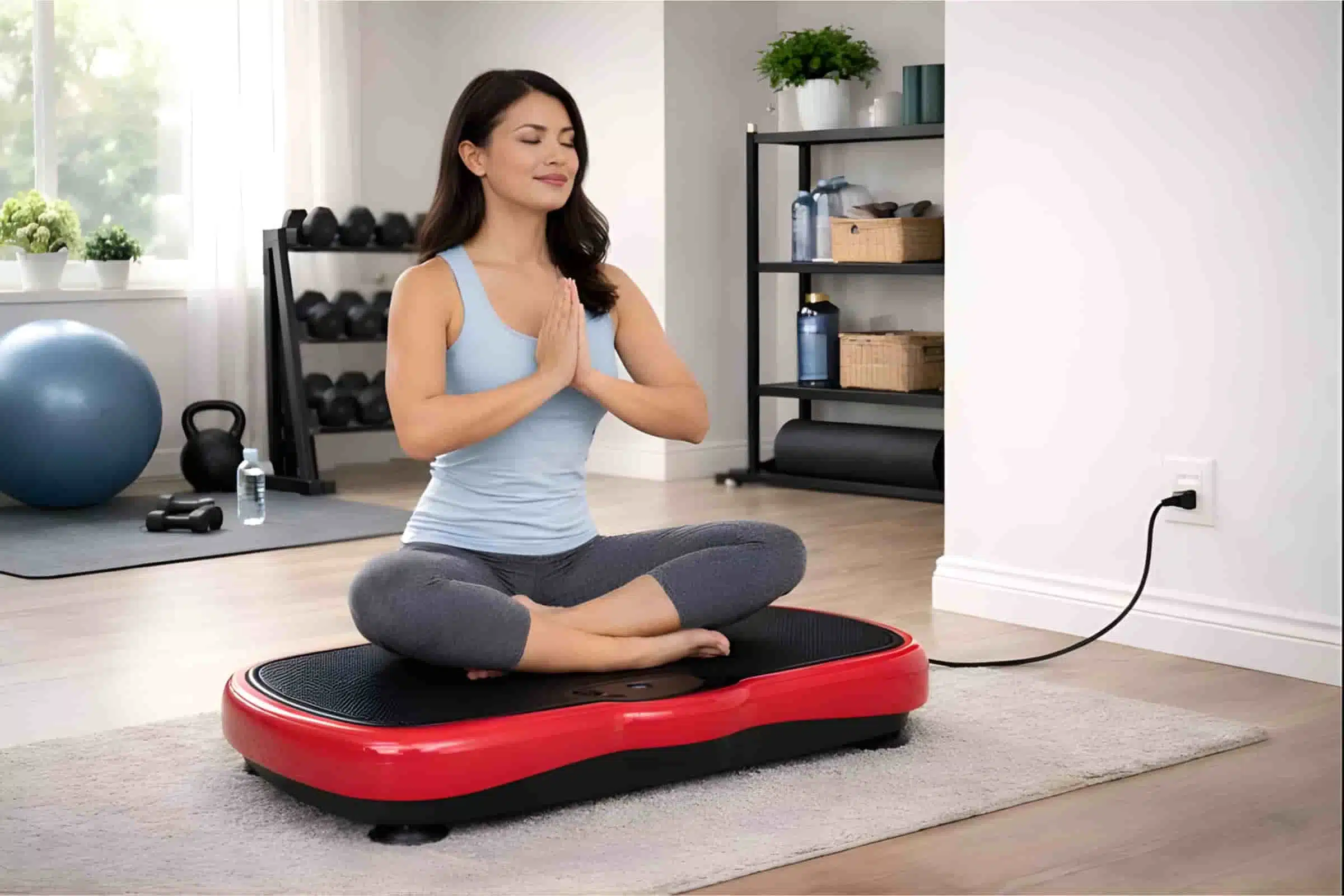
A vibration plate creates mechanical movement beneath the feet. The body responds with rapid muscle contractions that help maintain posture and balance.
The amount of vibration reaching the head depends on the machine, frequency, amplitude, vibration direction, stance, joint position, and body composition. A gentle oscillating plate used with bent knees will usually feel very different from a high frequency linear plate used with stiff legs.
The knees, hips, and ankles act as natural shock absorbers. Keeping these joints slightly flexed allows the muscles and soft tissues to absorb more of the vibration before it reaches the spine and head.
Locked knees reduce that cushioning effect. This is why a person may notice more shaking around the jaw, eyes, or head when standing completely upright.
Frequency also changes the experience. Higher frequency means that the platform completes more vibration cycles each second, while amplitude describes how far it moves during each cycle.
A high frequency and large amplitude combination can create a much stronger mechanical stimulus. Beginners should not assume that the highest setting provides the best results.
Can Vibration Plates Damage the Brain?
There is currently no convincing evidence that normal vibration plate use causes structural brain damage in healthy adults. Published exercise studies have used whole body vibration in older adults, athletes, and people with neurological conditions without identifying traumatic brain injury as a typical outcome.
This does not prove that every machine and every training method is safe. Long term data are limited, and poorly controlled exposure could cause uncomfortable symptoms or aggravate an existing condition.
The type of movement linked with traumatic brain injury usually involves forceful head acceleration, rapid rotation, impact, or sudden deceleration. Consumer vibration plates create repetitive motion, but the vibration reaching the head is normally much lower when posture and settings are appropriate.
Using a powerful plate incorrectly may still feel unpleasant. If your vision shakes, your teeth chatter, or your head moves strongly, the setting is probably too intense for your current posture.
Reducing the speed or frequency, switching to a lower amplitude, and bending the knees should reduce the amount of vibration reaching the head. A session should stop if symptoms continue after those changes.
What Research Says About Brain Function
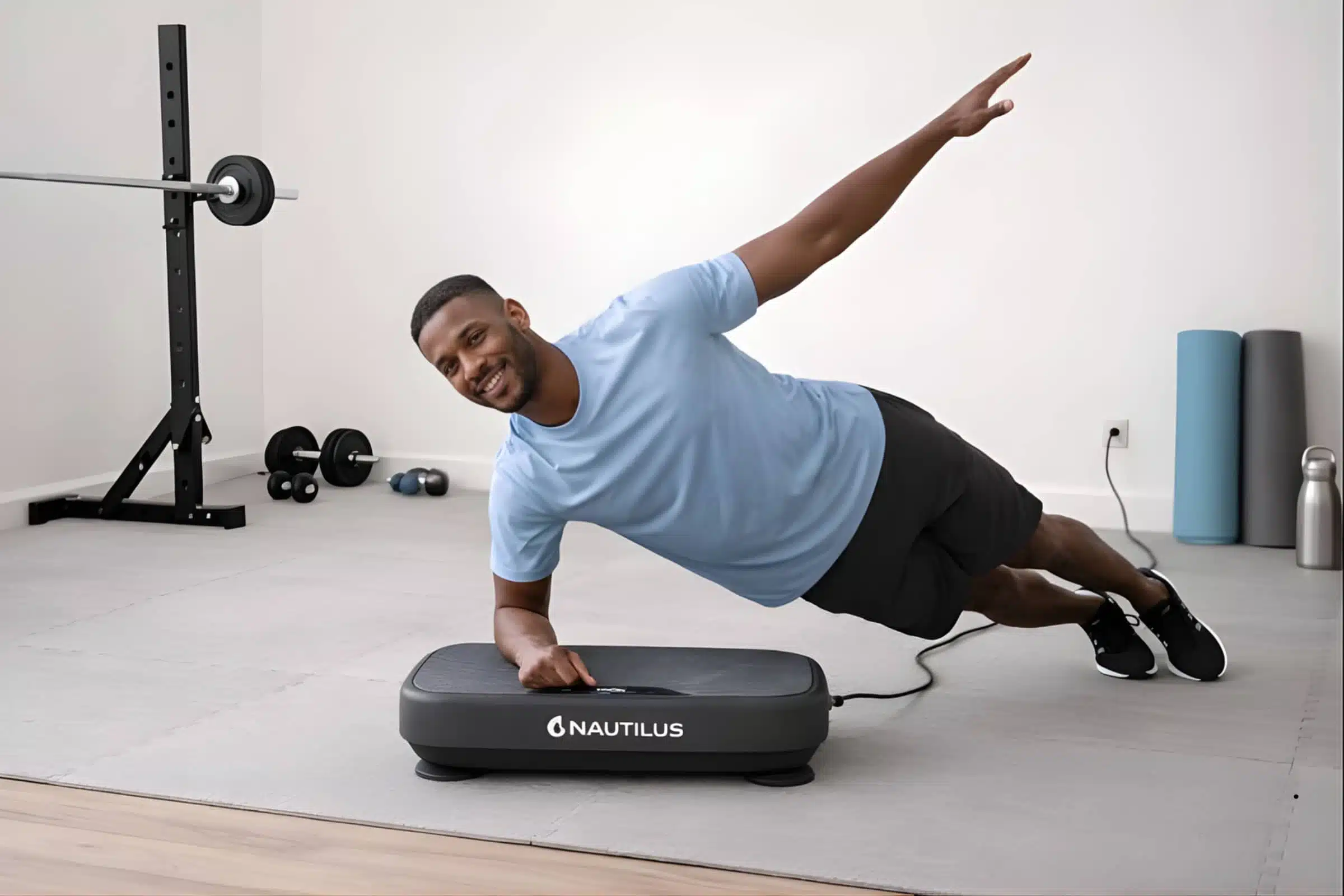
Research does not only examine possible harm. Several studies have investigated whether whole body vibration may affect attention, executive function, memory, and general cognitive performance.
A systematic review published in 2023 examined whole body vibration and cognition. The authors found possible improvements in some cognitive outcomes, particularly among older adults and people with certain neurological conditions.
The results were not consistent across every study. Vibration frequencies, session lengths, body positions, participant health, and cognitive tests differed widely.
This makes it difficult to identify one ideal protocol. The findings are promising, but they do not support using a vibration plate as a treatment for dementia, brain injury, or another neurological disorder.
Possible cognitive effects may be related to increased circulation, sensory stimulation, balance demands, or changes in nervous system activity. These explanations remain under investigation.
For plates evaluated specifically for circulation support, my guide to the best vibration plate for circulation covers models that perform well for that kind of low-intensity routine.
A vibration plate should still be viewed as exercise equipment. Any possible brain related benefit is a developing research area rather than a guaranteed result.
Can Too Much Vibration Reach the Head?
Yes, too much vibration can reach the head if the machine is used poorly. This is more likely with high intensity settings, straight legs, long sessions, or a vibration type that feels too aggressive for the user.
Linear plates move the whole platform vertically at the same time. This can send a direct vibration through both legs, especially when the knees are locked.
Oscillating plates create an alternating side to side motion. Many people find this gentler, although the experience still depends on amplitude, speed, stance, and the design of the machine.
For a complete explanation of how oscillating and linear platforms compare in terms of mechanics and health effects, my guide to whole body vibration covers the full picture.
Head movement is not automatically dangerous. A small amount of transmitted vibration can occur during normal use, but strong head shaking should not be treated as something to tolerate.
Headache, dizziness, nausea, visual disturbance, disorientation, unusual fatigue, or loss of balance are signs to stop. Continuing because the session timer has not finished is not sensible.
Readers dealing with neck pain alongside these concerns can also review my guide on vibration plate for neck pain relief, which covers how vibration affects the cervical spine and which posture adjustments reduce upper body transmission.
Occupational Vibration Is Not the Same Exposure
Research on occupational vibration sometimes raises concerns about nervous system health. Workers may sit or stand on vibrating machinery for several hours at a time, often while also experiencing shocks, poor posture, noise, and physical strain.
Exposure may continue five days per week for many years. The total vibration dose can be far greater than that of a short home fitness session.
Occupational safety standards therefore consider vibration magnitude, direction, daily duration, posture, and cumulative exposure. These limits are designed for workplace conditions rather than ten minute exercise sessions.
The comparison is still useful because it shows that vibration dose matters. A short session at an appropriate intensity is different from prolonged daily exposure, but more is not always better.
For users who need gentle, low-dose sessions for bone health alongside general fitness, my picks for the best vibration plate for osteoporosis cover models with controlled frequency ranges suited to that goal.
Who Should Be More Careful?
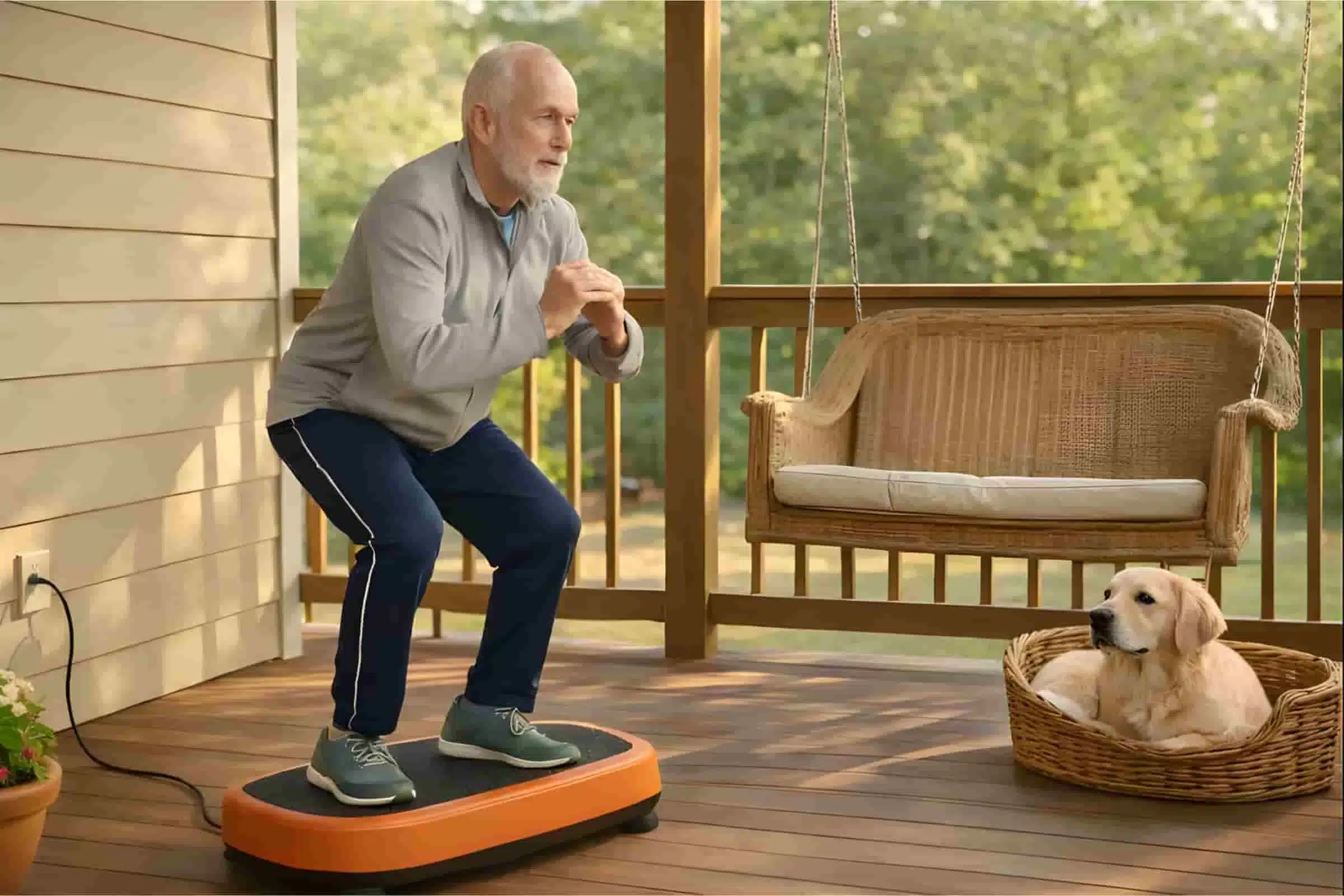
Anyone recovering from a concussion or traumatic brain injury should get medical clearance before using a vibration plate. Symptoms such as headache, light sensitivity, dizziness, nausea, balance problems, and difficulty concentrating may be aggravated by motion or sensory stimulation.
For a broader list of conditions that require caution or avoidance, my guide to the dangers of vibration machines covers the full range of contraindication groups.
People with epilepsy, severe vertigo, vestibular disorders, recent brain surgery, or unexplained neurological symptoms should also speak with a healthcare professional. The same applies to anyone whose symptoms become worse during or after vibration. People managing elevated blood pressure face a related cardiovascular consideration, and my guide on using a vibration plate with high blood pressure covers the circulatory load these devices place on the system and what clearance looks like in that context.
If you have a nervous system condition that makes you more sensitive to vibration, my guide to the best vibration plate for neuropathy covers models suited to low-intensity controlled use.
A person with migraines may find that strong vibration triggers discomfort, even though this does not mean the brain has been damaged. Individual tolerance matters, and a setting that feels comfortable to one user may feel excessive to another.
The same principle applies to joint conditions, and my picks for the best vibration plate for arthritis focus on models with gentle, adjustable settings suited to users with lower tolerance.
Older adults with poor balance should use stable support. Flexible resistance bands are not a reliable substitute for a fixed rail or another solid structure.
If you are choosing a plate for low-impact daily use with safety as the priority, my picks for the best vibration plate for seniors cover models with stable handles and gentle oscillating settings.
How to Reduce Vibration Reaching Your Head
Keep your knees slightly bent during standing exercises. This allows the legs to absorb more vibration and usually reduces shaking through the spine, neck, and head.
Start with the lowest practical setting. Increase the intensity gradually across several sessions instead of testing the maximum level on the first day.
For a full breakdown of how different frequency ranges affect the body and which settings suit different goals, my guide to frequencies in vibration plates explains how to choose the right range.
Use a balanced stance with both feet fully supported. Foot position can change the intensity, so moving farther toward the outside edges of an oscillating platform may make the vibration stronger.
Keep early sessions short. Five to ten minutes gives you time to judge how your body responds during the session and later that day.
Do not ignore head related symptoms. Stop if you develop a headache, dizziness, nausea, blurred vision, confusion, or unusual pressure in the head.
Check the floor and machine stability too. A plate that rocks, slides, or transfers excessive vibration through a flexible floor may create a less controlled experience.
For guidance on stance, session length, and frequency settings that minimize unwanted vibration transmission, my guide on how to use a vibration plate properly covers the setup variables in detail.
For a list of reliable home machines with stable builds and consistent output, my guide to the best vibration plate for home use covers models I have tested for everyday use.
My Take on Vibration Plates and Brain Safety
Properly used vibration plates do not appear to be bad for the brain in healthy adults. Current evidence does not show that normal home use causes concussion or structural brain damage.
If you are ready to choose a machine, my breakdown of the best vibration plate covers options across every budget and use case.
Technique still matters. Strong settings, locked knees, poor posture, and sessions that continue despite symptoms can turn a manageable stimulus into an unpleasant experience.
I would start gently, keep the knees relaxed, and treat strong head shaking as a sign to reduce the intensity. Anyone with a recent concussion, brain injury, neurological condition, or persistent dizziness should seek individual medical guidance before using a vibration plate.
For older adults navigating these concerns, my guide on vibration plate for elderly covers how to structure safe sessions with reduced intensity and appropriate support.
The question of brain safety mostly arises from confusion between two distinct exposures. Occupational whole-body vibration, experienced by truck drivers, forklift operators, and heavy equipment workers, involves prolonged daily exposure at specific resonance frequencies that can cause chronic neurological fatigue and vestibular disruption over years. Therapeutic vibration plates operate at different frequencies, for far shorter durations, and in controlled positions. The occupational research does not transfer directly to home use.
Session posture affects how much vibration reaches the head. Bent knees function as shock absorbers: soft, relaxed knees at 20 to 30 degrees of flexion reduce transmitted vibration to the torso and head. Locked knees transmit the full vibration impulse up through the skeleton. This is why every protocol recommends against standing rigid on the plate, and it is particularly relevant for people with vestibular sensitivity or a history of head injury.
The existing research on therapeutic vibration and cognitive function is actually encouraging rather than alarming. Several controlled studies have found that regular WBV training in older adults is associated with maintained or improved cognitive performance, including attention, executive function, and processing speed. The mechanism likely involves improved cerebral blood flow and BDNF expression, both of which support neurological health over time.
For a broader look at what the evidence shows across different vibration plate goals, my article on what vibration plates are actually effective for covers the key studies on muscle, circulatory, and cognitive outcomes.
FAQs
Can vibration plates cause brain damage?
There is no good evidence that properly used consumer vibration plates cause brain damage in healthy adults. The risk of uncomfortable head vibration rises when someone uses excessive intensity, locks the knees, or continues despite headache or dizziness.
Can a vibration plate cause a concussion?
A vibration plate is not known to cause concussion during normal use. Concussions usually involve a forceful impact or sudden head acceleration and deceleration, which is different from controlled whole body vibration.
Why does my head shake on a vibration plate?
Your head may shake on a vibration plate because some mechanical vibration travels upward through the legs and spine. Bending your knees, lowering the intensity, or switching to a gentler mode should reduce the amount reaching your head.
Should I use a vibration plate after a concussion?
You should use a vibration plate after a concussion only when a qualified healthcare professional has cleared you to do so. Motion, vibration, and balance demands may aggravate symptoms during recovery.
Can vibration plates improve brain function?
Vibration plates may improve some measures of cognitive function in certain groups, but the research is limited and inconsistent. They should not be considered a treatment for dementia, brain injury, or another neurological condition.
Should I stop if a vibration plate gives me a headache?
Yes, you should stop if a vibration plate gives you a headache. Rest, reassess your posture and settings, and seek medical advice if the headache is severe, persistent, or accompanied by neurological symptoms.
Notable Studies
3. Effects of whole-body vibration training on cognitive function: A systematic review