
About the author: Hello! I’m Vladimir Stanar, professor of physical education, kinesiotherapist, marathon runner, cyclist, and cycling coach, and long-time advocate of health, fitness, and active living.
My journey with vibration plates runs parallel to my professional career in education, sports medicine, and athletic development. Over time, I’ve come to see vibration plates as one of the most versatile tools for enhancing health, recovery, and performance.
✅ Expert-Reviewed by: Vanja Vukas, MPhEd
📚 Expert Contributor: Milutin Tucakov, MPhEd
Vibration plate exercises are a powerful way to boost strength, improve circulation, and support overall wellness. When I first stepped onto a vibration plate, I was surprised at how such a simple platform could engage my muscles so deeply.
The rapid contractions triggered by the vibrations make even basic movements feel more challenging, which is why these devices are popular among athletes, rehabilitation specialists, and everyday fitness enthusiasts.
In this guide, I explain how to use vibration plate exercises for different goals and fitness levels, from beginners to those seeking weight loss, belly fat reduction, lymphatic drainage, osteoporosis support, and neuropathy relief. You will learn safe techniques, practical routines, and tips based on my personal experience and expert guidance.
Vibration Plate Exercises Explained
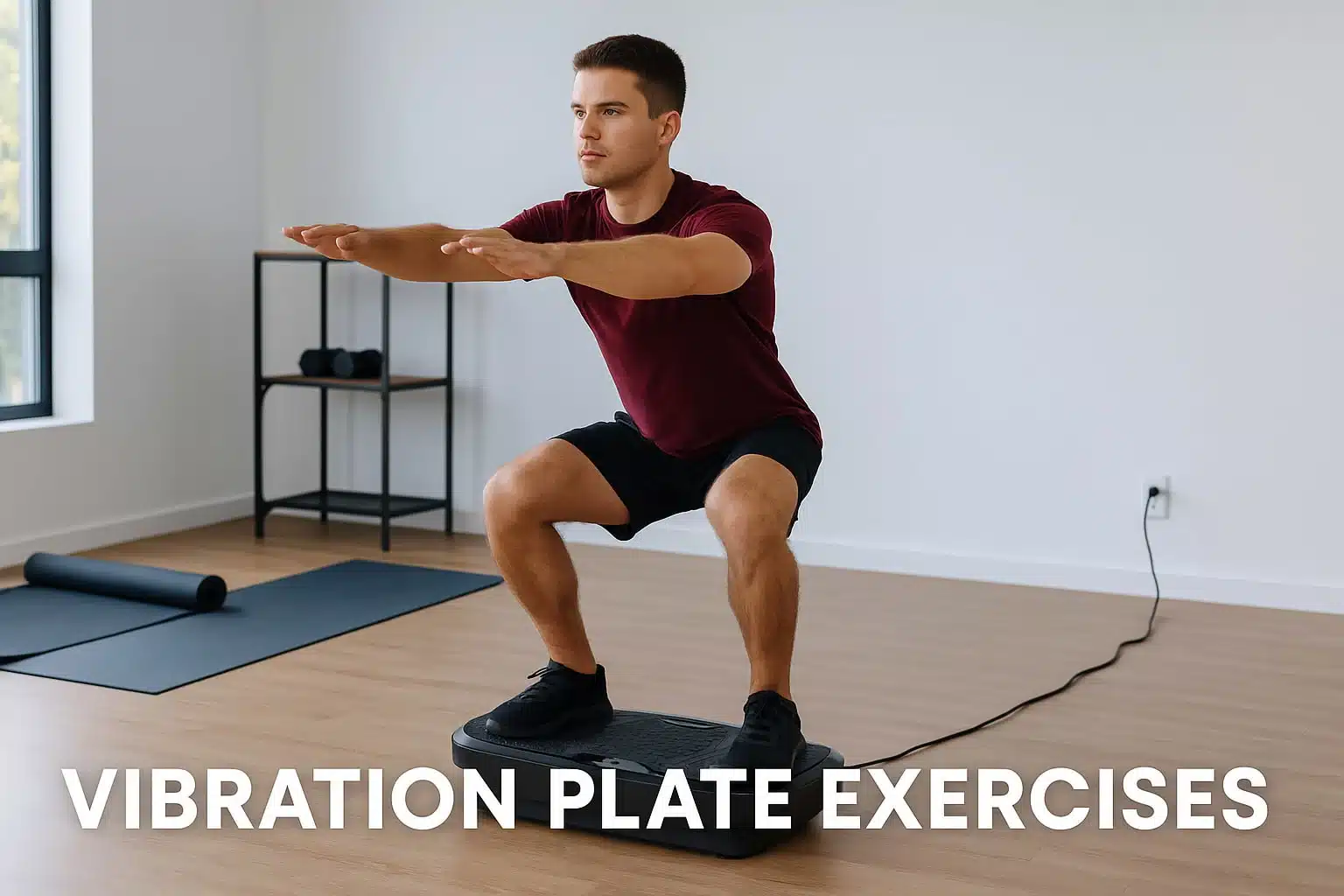
Vibration plates are platforms that oscillate or move in various patterns to stimulate your muscles. When you stand or perform movements on the plate, the vibrations cause involuntary muscle contractions. This reflexive action can increase muscle activation, improve balance, enhance blood flow, and promote bone health. In my sessions, I noticed that holding a squat on the plate felt more intense than on the floor because the constant movement required my stabilising muscles to work harder.
There are different types of vibration plates, including oscillating, linear, and multi‑directional models. Oscillating plates move side to side like a see‑saw, which feels natural and is gentle on joints. Linear plates move up and down, producing a more vertical force. Multi‑directional plates combine movements for varied stimulation.
Understanding these differences helps you choose exercises that suit your goals and comfort level. For a foundational understanding of the equipment, our website offers a thorough overview of what a vibration plate is. Knowing the basics ensures you will learn how to use a vibration plate confidently and safely.
Vibration plate exercises involve more than just standing on the platform. You can perform various movements such as squats, lunges, push‑ups, planks, calf raises, and stretches. The key is to maintain a slight bend in your knees, engage your core, and keep your body aligned. Start with low settings to get used to the sensation, then gradually increase frequency or amplitude as you build strength and stability. With consistent practice, you will notice improvements in muscle tone, flexibility, and overall fitness.
Vibration Plate Exercises for Beginners

Starting any new workout can feel daunting, and vibration plates are no exception. When I introduce clients to vibration plate exercises, I begin with simple stances and low intensity.
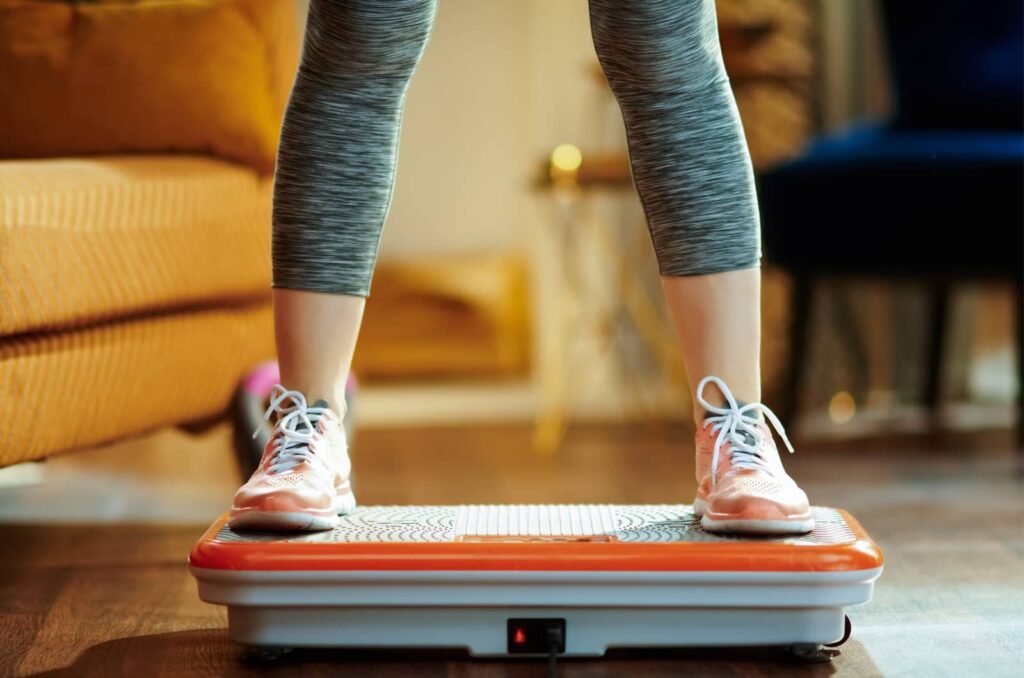
Stand with your feet shoulder‑width apart, knees slightly bent, and hands resting lightly on your hips. Turn on the plate at a low frequency, such as 10–15 hertz, and focus on maintaining your balance. Breathe steadily and relax your shoulders. You may feel a tingling sensation as your muscles respond to the vibrations, but it should not be uncomfortable.
Once you feel stable, try small movements like shifting your weight from one foot to the other or bending your knees gently. These actions engage your stabilising muscles and improve coordination. You can also hold a half squat for 15–30 seconds, maintaining a soft knee bend and an upright torso. If you feel any buzzing in your head or teeth, lower the intensity or adjust your stance. Safety and comfort are more important than intensity when you are just starting.

As you gain confidence, incorporate basic bodyweight exercises. For example, calf raises on the plate strengthen your lower legs and improve balance. To perform a calf raise, stand tall, lift your heels slowly, hold briefly at the top, and lower your heels with control.
Another beginner‑friendly move is the hip bridge. Lie on your back with your feet on the plate, knees bent, and arms at your sides. Press into your heels to lift your hips, forming a straight line from shoulders to knees. Hold for a few seconds and lower your hips. This exercise targets your glutes and hamstrings without stressing your back. For more beginner tips and benefits, our guide to vibration plate benefits provides deeper insights into how these workouts can improve strength and circulation.

Beginner sessions should last around ten minutes and be performed two or three times per week. Rest days are important to allow your muscles and nervous system to adapt. Focus on proper posture and controlled movements. It is better to perform fewer repetitions with good form than to rush through a routine. Over time, you can extend your sessions and add more complex exercises.
Vibration Plate Exercises for Weight Loss

Using vibration plate exercises for weight loss can be an effective way to enhance calorie burn and build lean muscle. While the plate itself does not melt fat, the increased muscle activation and heart rate during workouts contribute to higher energy expenditure. I found that combining vibration training with dynamic movements turned a short session into a full‑body workout.
To target weight loss, use a medium to high frequency setting, typically 25–35 hertz, and perform compound exercises that engage large muscle groups. Here is a sample routine I often use:
- Squats: Stand on the plate with feet hip‑width apart. Lower your hips as if sitting in a chair, keeping your knees over your toes and chest lifted. Press through your heels to stand back up. Repeat for 45 seconds. This exercise works the quads, hamstrings, and glutes.
- Push‑ups: Place your hands on the plate, slightly wider than shoulder‑width. Keep your body in a straight line from head to heels. Bend your elbows to lower your chest toward the plate, then push back up. Perform for 30 seconds. The vibration intensifies the work of your chest, shoulders, and triceps.
- Lunges: Stand with one foot on the plate and the other foot on the floor behind you. Bend both knees to lower your hips, then push through your front heel to rise. Switch legs after 30 seconds. Lunges target the legs and glutes while challenging balance.
- Planks: Place your forearms on the plate and step back into a plank position. Keep your body straight and engage your core. Hold for 30 seconds. The vibrations force your abdominal muscles to stabilise the entire body, making this a core-intensive move.
On a closely related topic, I strongly recommend my thorough guide to the vibration plate for cellulite reduction.
A weight loss session can include three rounds of these exercises with short rest periods. Finish with a cool‑down at a lower frequency to help your heart rate return to normal. Pairing vibration plate workouts with aerobic activities such as walking, jogging, or cycling amplifies your results. When exploring tools for your home gym, check our selection of the best vibration plates for weight loss; these machines offer versatile settings suitable for fat‑burning routines.
Vibration Plate Exercises for Belly Fat

Reducing belly fat requires a combination of calorie control, cardio, and targeted strength exercises. Vibration plate exercises can support this goal by engaging your core muscles more thoroughly. I focus on movements that challenge the abdominal area and stimulate the metabolism. Here are my go‑to exercises:
- Standing Oblique Twists: Stand on the plate with feet hip‑width apart. Hold your arms out in front at shoulder height. Slowly rotate your torso to one side, then the other, engaging your obliques. Repeat for 45 seconds. The constant vibration forces your core muscles to react, intensifying each twist.
- Seated Twists: Sit on the plate with knees bent and feet flat on the floor. Lean back slightly and clasp your hands together. Rotate your upper body from side to side for 45 seconds. Keep your spine tall and avoid slouching. This exercise strengthens the obliques and lower abs.
- Mountain Climbers: Place your hands on the plate and extend your legs behind you in a plank position. Drive one knee toward your chest, then quickly switch legs, mimicking a running motion. Continue for 45 seconds. The rapid movement raises your heart rate and works your core, shoulders, and legs.
- Plank with Knee Tucks: Assume a plank position with hands on the plate. Bring one knee toward your elbow, then extend it back. Alternate legs for 45 seconds. Keeping a tight core prevents sagging hips and maximises the exercise’s effectiveness.
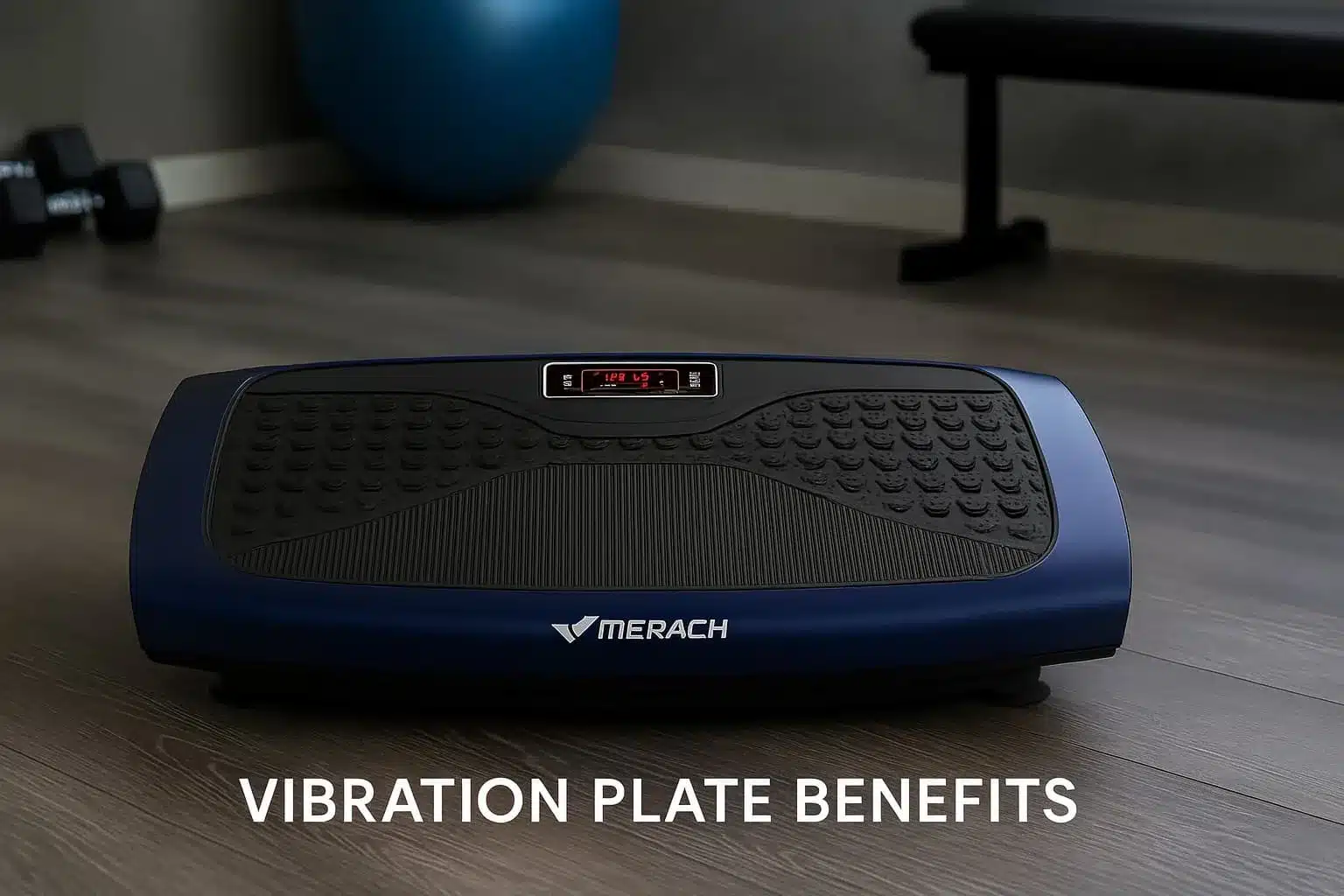
These exercises can be incorporated into a circuit lasting 10–15 minutes. Combine them with regular cardio and a balanced diet to see the best results. While belly fat reduction primarily depends on overall energy balance, the extra muscle activation from vibration exercises accelerates metabolism. When choosing a machine to support these routines, some multi‑directional plates add variety and intensity, which I learned when testing platforms like those in our top MERACH vibration plates roundup reviews.
Vibration Plate Exercises for Lymphatic Drainage

Stimulating the lymphatic system can help reduce swelling and improve recovery. Vibration plates are particularly effective for lymphatic drainage because they mimic the natural pumping action of muscles that move lymph fluid.
So, what is the best time of day to use a vibration plate? I often use vibration plate exercises in the morning on recovery days or after long flights to combat fluid retention.
To encourage lymphatic drainage, keep the frequency low (10–20 hertz) and choose gentle movements.
To effectively use a vibration plate for lymphatic drainage, stand on the plate with your knees slightly bent, and slowly rock your weight from your heels to your toes. This subtle motion helps the lymph fluid circulate.
Another method involves shifting your weight from one foot to the other while keeping your hips level. Add deep breathing: inhale as you shift to the right foot and exhale as you shift to the left. This rhythm enhances the pumping effect.
You can also perform seated or reclined exercises. Sit with your legs on the plate or lie down and rest your calves on it. This position allows the vibrations to travel up through your legs without requiring you to stand. Keep sessions brief; five to ten minutes is usually sufficient. Light stretching afterward reinforces the circulation benefits.
For specific model recommendations that support gentle oscillation and adjustable speeds, consult our curated list of the best vibration plates for lymphatic drainage.
Vibration Plate Exercises for Osteoporosis

As I explained in the vibration plate vs. treadmill article, whole body vibration training can help people with osteoporosis by providing gentle stress to bones, which encourages bone growth and strength. In my practice, I have worked with older clients who use vibration plates to complement weight‑bearing activities like walking and light resistance training. The key is to use moderate frequencies and controlled movements.
Start with a frequency around 20–30 hertz and a low amplitude to reduce stress on joints. Stand on the plate with a soft bend in your knees and engage your core. Gentle squats and calf raises are excellent for building lower body strength and stimulating bone density.
You can also perform partial lunges or step‑ups with one foot on the plate and the other on the floor. Move slowly and maintain balance throughout. Focus on quality over quantity; even small movements can have a positive effect when combined with vibration.
Another useful exercise is the standing heel drop. Stand on the plate with feet hip‑width apart. Lift your heels slightly off the platform and then lower them with control. This movement sends a mild shock through your bones, which can stimulate bone formation.
Always hold onto a stable surface or the machine’s handles if you feel unsteady. Consistency is important; perform these exercises two or three times per week. For machines that provide stable, clinical‑grade vibration suitable for bone health, see our recommendations for the best vibration plates for osteoporosis.
Vibration Plate Exercises for Neuropathy

Neuropathy affects nerve function, often causing numbness, tingling, or pain in the extremities. Vibration plates can provide gentle stimulation that improves circulation and nerve activation. When I work with individuals experiencing neuropathy, I emphasise low frequencies and supportive equipment to ensure comfort.
Begin by setting the plate to a very low speed, such as 8–12 hertz. Sit in a chair with your feet on the vibration plate. This position reduces pressure on sensitive feet while allowing the vibrations to stimulate blood flow.
You can also stand with a soft bend in your knees, holding onto a stable surface for support. Gently shift your weight or perform small knee bends. Keep sessions short: five minutes at first, until you see how your body responds.
Another technique involves using the plate’s pulse mode, if available. Short bursts of vibration can awaken nerve endings and provide relief from tingling. Monitor your comfort level carefully; if you experience pain or increased sensitivity, stop and consult a healthcare professional. Over time, some users notice reduced numbness and improved balance. For models with gentle settings and supportive features, our guide to the best vibration plates for neuropathy offers in‑depth recommendations.
Exercises to Do on a Vibration Plate for Variety
One of my favorite aspects of vibration plate training is the variety of exercises available. Beyond standard movements, you can incorporate creative actions that keep sessions interesting. Here are a few of my personal favorites:
- Side Plank: Place your forearm on the plate and stack your feet on top of each other. Lift your hips off the floor, forming a straight line from head to feet. Hold for 30 seconds on each side. This exercise targets the obliques and shoulder stabilisers.
- Step‑Up with Knee Lift: Stand with one foot on the plate and the other foot on the floor. Step up, lifting your back leg and driving your knee toward your chest. Step back down and repeat for 30 seconds, then switch legs. This dynamic move combines strength and balance training.
- Squat Hold with Arm Reach: Stand in a squat position with your feet on the plate. Extend your arms overhead and slowly sway them from side to side. The movement challenges your core and shoulders while maintaining leg engagement.
- Reverse Lunge with Rotation: Stand on the floor facing the plate. Place one foot on the platform and step back into a lunge with the other leg. As you lower, reach your arms across your body toward the lunging side. Return to standing and repeat. Switch legs after 30 seconds. This exercise combines leg strength, core activation, and spinal mobility.
Experimenting with different exercises keeps your training fresh and stimulates various muscle groups. If you need inspiration, our comprehensive overview of the best vibration plates for home use highlights machines with features that support varied routines.
Tailoring Vibration Plate Exercises for Specific Goals
Your goals will determine how you structure your vibration plate workouts. For instance, if you are training for endurance or general fitness, you might perform moderate intensity routines three to four times per week. If your focus is rehabilitation, you might prioritise low intensity, shorter sessions with rest days in between. Here are a few examples of tailored routines:
- Strength and Power: Combine squats, push‑ups, and lunges at higher frequencies. Use longer rest periods to recover fully between sets. Focus on maintaining proper form under vibration.
- Flexibility and Mobility: Use lower frequencies and incorporate dynamic stretching. Moves like side lunges, shoulder rolls, and gentle spinal twists work well. Hold each position long enough to feel a stretch without strain.
- Cardiovascular Conditioning: Cycle through a series of exercises with minimal rest. Include movements like mountain climbers, step‑ups, and high knees. Keep the frequency moderate and maintain continuous motion to keep your heart rate elevated.
- Balance and Coordination: Try single‑leg stands, walking lunges, or exercises that require you to shift your weight. Focus on slow, controlled movements. Use the plate’s handles or a nearby support for safety.
Adjust your plan based on how your body feels. If you experience unusual pain or discomfort, scale back intensity or consult a professional. Variety not only keeps workouts engaging but also prevents repetitive strain. When considering new equipment to support your goals, our Lifepro Rumblex review details a multi‑directional plate that offers multiple vibration modes to suit different training styles.
Choosing the Right Vibration Plate for Your Exercises

Selecting the best machine can greatly affect your training experience. Consider factors like frequency range, vibration type, platform size, weight capacity, and noise level. For example, if you live in an apartment, a quieter model may be important. If you plan to do dynamic exercises like lunges or push‑ups, a larger platform gives you more room.
Premium machines often offer more consistent vibrations and higher build quality. The Power Plate MOVE review on our site describes a machine known for its smooth performance, adjustable settings, and reliable construction. It is designed for serious home users who want long‑term durability.
Other models may prioritise portability or price, such as the Merach or LifePro plates. Each has unique features, so choose the one that aligns with your goals and budget. Reading reviews and considering user feedback helps you make an informed decision.
When evaluating a vibration plate, test the controls and ensure you can adjust settings easily during a workout. Check that the platform’s surface provides enough grip to prevent slipping. Accessories like resistance bands and remote controls can add value but are not essential. Most importantly, select a machine that feels stable and comfortable to stand on.
Safety Tips and Common Mistakes in Vibration Plate Exercises
Like any fitness equipment, vibration plates must be used properly to avoid injury. Here are some key safety tips from my experience:
- Start Slowly: Always begin at the lowest frequency and amplitude. Get used to the sensation before increasing intensity.
- Maintain Proper Posture: Keep your knees slightly bent, back straight, and core engaged. Avoid locking joints or letting your head drop forward.
- Use Footwear Initially: Wear supportive shoes until you feel comfortable. Shoes absorb some vibration and provide stability.
- Watch Your Sessions: Limit your time to 10–15 minutes per session, especially when starting. Overusing the plate can lead to fatigue or dizziness.
- Monitor Medical Conditions: If you have pacemakers, joint replacements, or other medical implants, consult a doctor before using a vibration plate. Pregnant individuals and those with heart conditions should seek professional advice.
Common mistakes include standing with stiff legs, using too high a frequency too soon, and ignoring discomfort. I also see people trying advanced exercises like burpees on the plate before mastering basic movements. It is better to progress gradually and focus on quality. For more examples of gentle exercise routines and safety considerations, our LifePro Rhythm review highlights a model designed for low‑impact movement and rehabilitation.
Integrating Vibration Plate Exercises into Your Routine

Vibration training can complement various fitness programs. I often use the plate as a warm‑up tool. A few minutes of gentle vibration gets my blood flowing and loosens tight muscles. After weight training or running, I use low intensity vibration for recovery. It helps reduce soreness and restore circulation. On rest days, I sometimes perform short sessions focused on balance and mobility.
Vibration plates can also fit into circuit training. For example, you can alternate between exercises on the plate and traditional moves off the plate. This combination keeps workouts varied and challenges your body in different ways. Another strategy is to pair vibration exercises with stretching. Holding a stretch while the plate vibrates can increase flexibility, but always use low settings to avoid overstretching. Finally, if you are short on time, quick vibration workouts provide a concentrated burst of activity that still offers benefits. A ten‑minute session can leave you feeling energised and refreshed.
Putting It All Together
Vibration plate exercises offer a unique blend of strength, balance, and recovery benefits. By understanding how these machines work and tailoring your routines, you can use them to support diverse fitness goals. Start with simple stances, progress to compound movements for weight loss and core activation, and explore specialised protocols for lymphatic drainage, osteoporosis, and neuropathy. Listen to your body, adjust settings gradually, and prioritise proper form over intensity.
Whether you are a beginner or an experienced user, vibration plate exercises can become a valuable part of your wellness routine.
FAQs
What are the best vibration plate exercises for beginners?
The best vibration plate exercises for beginners are simple stances and basic movements like calf raises, half squats, and gentle weight shifts. These exercises let you get used to the vibration while building balance and strength. Start with short sessions and focus on posture before progressing to more complex routines.
How often should I do vibration plate exercises?
You should do vibration plate exercises two or three times per week when starting out, with sessions lasting about ten minutes. This schedule allows your muscles and nervous system to adapt without overloading. As you become more experienced, you can gradually increase frequency or session length, but always include rest days.
Do vibration plate exercises help with weight loss?
Yes, vibration plate exercises help with weight loss by increasing muscle activation and calorie expenditure. Combining dynamic moves like squats, lunges, and push‑ups with higher frequencies intensifies workouts and burns more energy. For best results, pair vibration training with cardio and a balanced diet.
What exercises can I do on a vibration plate for lymphatic drainage?
The exercises you can do on a vibration plate for lymphatic drainage include gentle weight shifts, standing heel raises, and seated leg rests. Using a low frequency, stand with soft knees and shift your weight slowly from one foot to the other while breathing deeply. Sessions of five to ten minutes support fluid movement and reduce swelling.
Can vibration plate exercises improve bone density?
Vibration plate exercises can improve bone density by providing gentle mechanical stress that stimulates bone growth. Using moderate frequencies and low amplitudes, perform exercises like squats, lunges, and heel drops. Consistent practice, combined with weight‑bearing activities and proper nutrition, supports bone health.