
About the author: Hello! I’m Vladimir Stanar, professor of physical education, kinesiotherapist, marathon runner, cyclist, and cycling coach, and long-time advocate of health, fitness, and active living.
My journey with vibration plates runs parallel to my professional career in education, sports medicine, and athletic development. Over time, I’ve come to see vibration plates as one of the most versatile tools for enhancing health, recovery, and performance.
✅ Expert-Reviewed by: Vanja Vukas, MPhEd
📚 Expert Contributor: Milutin Tucakov, MPhEd
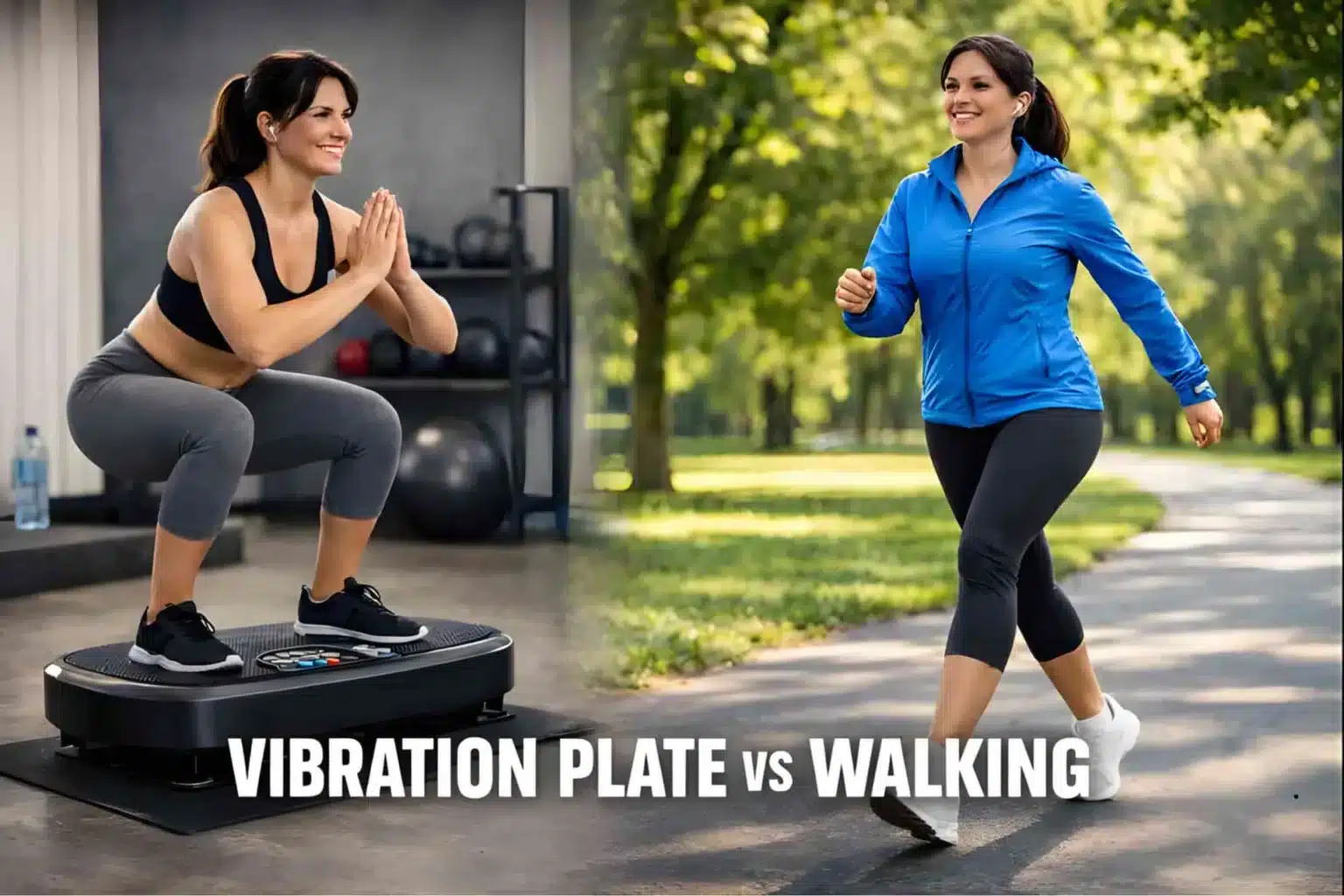
Life is hectic and our health can feel like another item on a long to‑do list. I often find myself torn between high‑tech gear and simple routines. Should I hop on my vibration plate or head outside for a good old‑fashioned walk? This article starts with the most important insights about the vibration plate vs walking debate and gradually drills down into the details. By the end, you’ll know how each option works, why you don’t have to choose just one, and how to integrate them into a routine that fits your lifestyle and your health & fitness goals.
Why Compare a Vibration Plate with Walking?
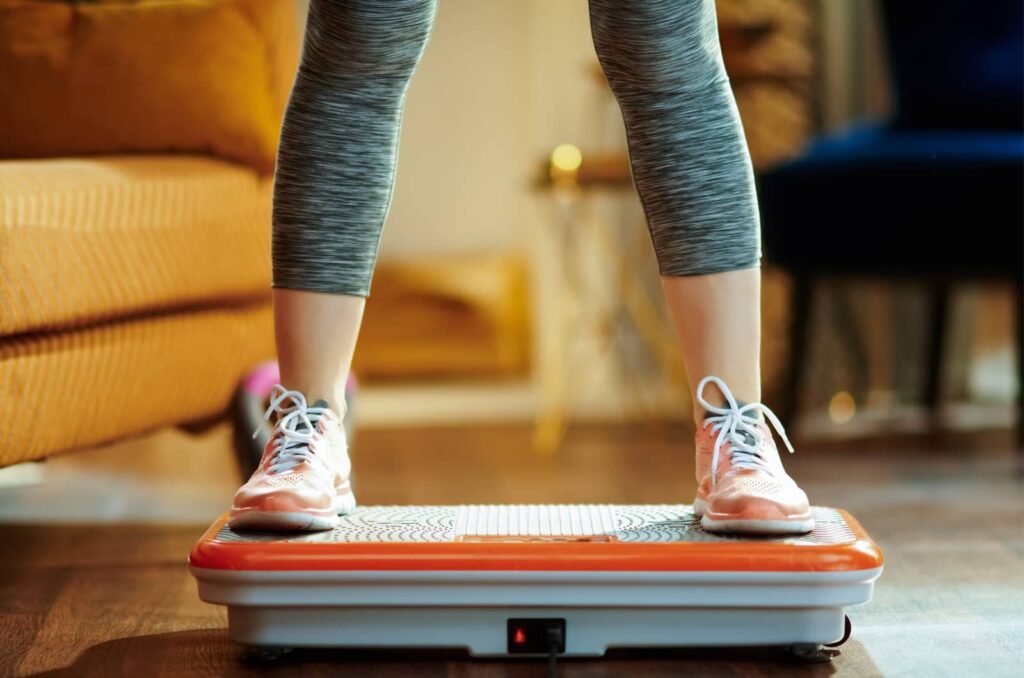
At first glance, placing a vibrating platform next to a pair of walking shoes seems odd. Yet both activate similar biological processes. A vibration plate sends rapid mechanical oscillations through your body, causing your muscles to contract reflexively dozens of times per second. This involuntary action stimulates muscle fibres, improves circulation and may even encourage bone formation.
Walking engages your muscles and joints through deliberate movement, raising your heart rate and stimulating your mind. In a mouse study, short daily sessions on a vibrating platform produced fat loss and improved insulin resistance comparable to treadmill walking.
Trials in post‑menopausal women found that traditional walking improved functional tests like chair rise time, while vibration training boosted jump performance. These findings show that vibration plates and walking target different muscles and energy systems but converge on improved strength and metabolic health.
Both are low‑impact when used correctly. Walking is gentle on joints, and a vibration plate allows you to train without heavy weights. That’s why they are popular among older adults and people with limited mobility. Older adults can explore the best vibration plates for seniors to find options with stable handles and gentle settings.
However, they diverge in their primary emphasis.
Walking is a cardiovascular exercise that strengthens your heart and lungs and reduces the risk of chronic diseases such as heart disease and diabetes. A vibration plate focuses on neuromuscular stimulation. It improves muscle strength, balance and flexibility. Knowing these differences helps you decide which routine to use on any given day.
How Whole‑Body Vibration Works
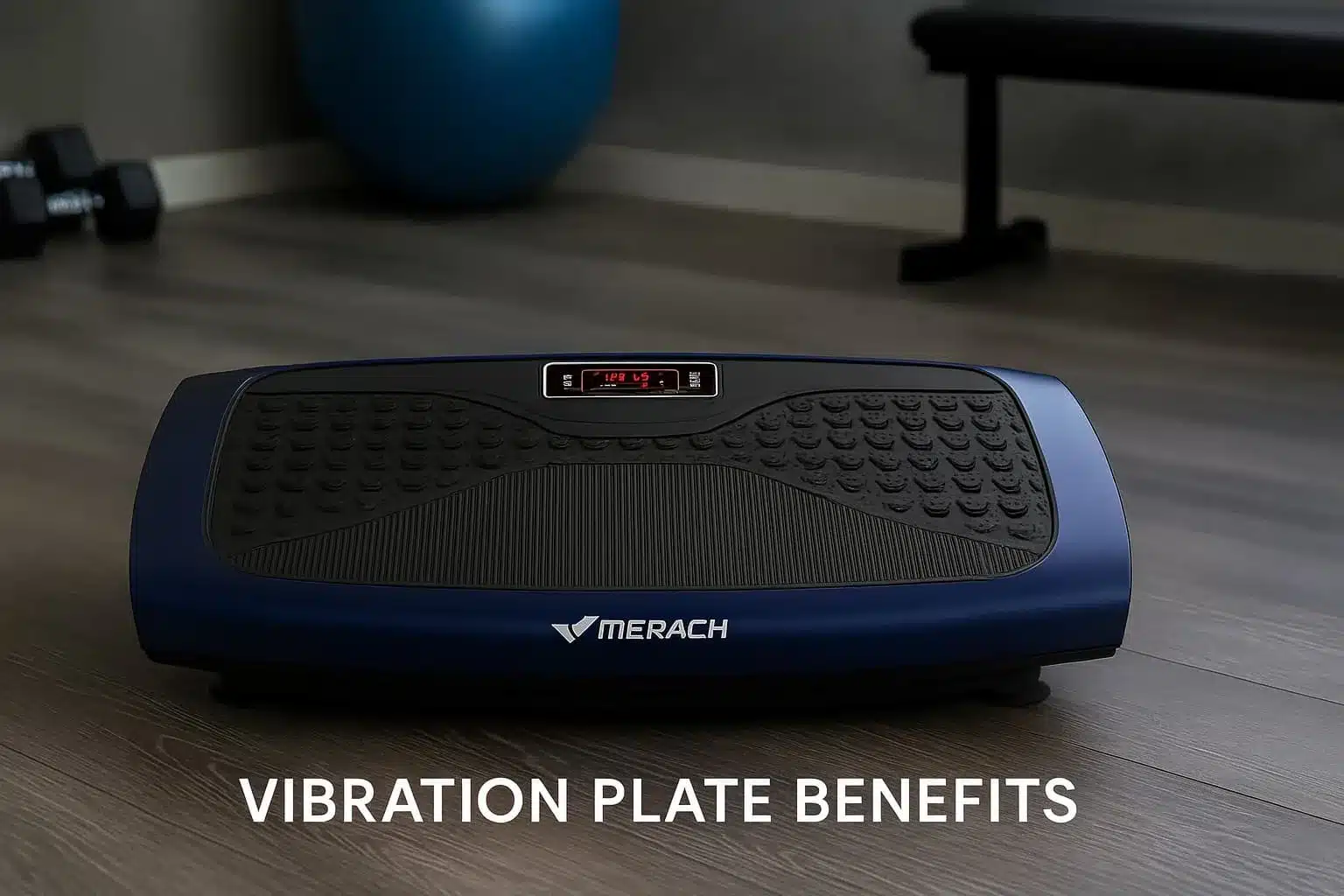
Whole‑body vibration therapy delivers mechanical oscillations through a platform. When you stand, sit or perform exercises on it, your muscles and tendons stretch slightly and trigger reflex contractions. Frequencies around 20–45 Hz can stimulate bone‑forming cells and increase bone mineral density. Those of you concerned about bone health will appreciate our best vibration plates for osteoporosis.
When I first stepped onto a vibration plate, I expected a gentle massage. Instead, the rapid, subtle vibration forced my legs to work hard just to stay upright.
After a few sessions, I noticed more stability in my ankles and better circulation. The science makes sense: repeated vibration improves blood flow and oxygen delivery, which helps muscles recover and reduces soreness. It also stimulates the release of osteocalcin, a hormone that strengthens bones.
That said, a vibration plate is not a magic bullet. It doesn’t replace traditional cardio. Because the platform makes your muscles contract reflexively, your heart rate may not rise as much as it does during a brisk walk.
Our article on the best vibration plates highlights models that suit beginners and experienced users alike.
People with heart conditions, pacemakers, recent surgeries, epilepsy, or pregnancy should consult a doctor before trying vibration training. Starting with short sessions at low intensity allows your body to adapt safely.
How Walking Supports Your Body
Walking is the original human exercise, yet its benefits often surprise us. A brisk walk helps maintain a healthy weight, lowers the risk of heart disease and stroke, strengthens bones and muscles and boosts mood and cognition. Because walking is weight‑bearing, it naturally stresses the skeleton enough to maintain or increase bone density. It also engages the cardiovascular system, improving your heart and lung capacity.
Beyond physical health, walking has profound mental benefits of walking. It improves sleep, reduces stress and increases mental alertness. A daily stroll in nature or a few laps around the block can calm your mind and lift your mood. When I’m overwhelmed, taking a walk helps me clear my head and refocus.
Research even shows that a 12‑week program aiming for 10,000 steps per day lowered anxiety and depression and reduced body weight, waist circumference and body fat. That’s evidence that consistent walking can reshape both your mind and body.
Public health guidelines recommend at least 150 minutes of moderate‑intensity aerobic activity per week. Here are more details on aerobic vs anaerobic exercise. A 30‑minute brisk walk five days a week meets this target, and longer or faster walks bring even more benefits. It’s accessible and free, and you can do it almost anywhere. That’s why walking remains a cornerstone of preventive medicine.
Calorie Burn and Weight Loss
When people ask me which burns more calories, standing on a vibration plate or walking, the honest answer is: it depends.
A moderate vibration session may burn roughly the same number of calories as a slow walk.
However, a 30‑minute brisk walk usually burns more energy and increases your heart rate more. The good news is you don’t have to choose. Combining vibration training with walking can produce better weight‑management outcomes. You can use the plate to activate your muscles and then head out for a walk to maximize calorie burn.
That approach is supported by research. The 12‑week steps program mentioned earlier improved mood and reduced weight. When whole‑body vibration is added to treadmill training, it enhances walking speed, stride length and 6‑minute walk distance compared with treadmill alone.
My own experience mirrors this: starting with 5 minutes on the vibration plate warms up my muscles and makes me feel lighter and more agile during my walk. Whether your goal is weight loss, stress relief or simply feeling better, blending the two exercises can deliver results without extra time. If weight loss is your priority, check out our best vibration plates for weight loss for machines designed to maximize calorie burn.
Bone, Joint and Balance Benefits
One of the most compelling reasons to use a vibration plate is its potential to support bone health. Mechanical vibrations at proper frequencies stimulate bone‑forming cells and help maintain bone mineral density. For those with family histories of osteoporosis or osteopenia, that is valuable.
The oscillations also improve neuromuscular coordination and balance. Studies show that whole‑body vibration training improved step length and walking speed in stroke patients. Improving balance can reduce fall risk, which is vital for older adults.
Walking is also a weight‑bearing exercise that strengthens bones, lubricates joints and eases arthritis pain. It activates the large muscle groups of the legs and core, which support joints and promote healthy posture. Because walking stimulates the heart and lungs, it improves circulation and oxygen delivery. Together, vibration training and walking create a powerful combination: the platform primes your muscles and bones with rapid contractions, while walking provides sustained, rhythmic loading and cardiovascular conditioning.
Choosing the Right Fit for Your Health and Fitness Goals
So which should you choose? That depends on your goals, schedule and health status. Walking is accessible, free and safe for most people. If you’re starting a fitness journey or need a reliable way to improve your heart health and mood, lace up your shoes and head out the door. Walking works wonders for weight management, stress relief and overall longevity.
A vibration plate, on the other hand, excels at neuromuscular activation and time efficiency. It’s ideal if you have limited time, want to complement a workout routine or need a low‑impact option for injury recovery.
If you’re curious about vibration training but hesitant, start with a few minutes at low frequency and stand with knees slightly bent.
Over time, you can add simple exercises like squats, lunges or push‑ups on the platform to engage more muscles.
Always listen to your body, and consult a healthcare provider if you have heart issues, pacemakers, recent surgeries, epilepsy or are pregnant.
Here are some guidelines to help you decide:
- Choose walking if: You enjoy being outdoors, need cardiovascular conditioning, are looking for an accessible and inexpensive form of exercise or want to improve your mental well‑being. Walkers can gradually increase pace and distance and can easily meet the recommended 150 minutes of moderate exercise per week.
- Choose a vibration plate if: You have a busy schedule, limited mobility or are looking for complementary training to improve muscle activation, balance and bone density. The platform also suits people who prefer indoor workouts or want a quick session to prime the body before other activities.
- Choose both if: You want the best of both worlds. Combining vibration training and walking can amplify results, as the plate activates muscles and improves stability, while walking provides cardiovascular conditioning and mental clarity.
Integrating Both: Practical Tips
You don’t have to decide between one or the other. Here are practical ways to integrate vibration training and walking:
- Warm‑up with vibration: Start your workout with 5 minutes on the vibration plate at a low frequency. Perform simple movements like squats or calf raises to wake up your muscles. Then transition to a 20–30 minute walk. You’ll notice improved stability and a smoother stride.
- Alternate days: If time is short, use the vibration plate on busy workdays for a quick yet effective session. On days when you have more time, go for a longer walk. This approach ensures variety and prevents boredom.
- Use intervals: During your walk, include 30‑second bursts of faster pacing followed by moderate pacing. When using the vibration plate, alternate between standing still and performing body‑weight exercises. Intervals keep your heart rate up and make workouts more engaging.
- Pair with other activities: Use the vibration plate after strength training or yoga to enhance recovery. Walk after meals to aid digestion and help regulate blood sugar. These combinations make the most of every session.
- Track your progress: Consider using a pedometer or smartphone app to monitor your steps and vibration sessions. Seeing your progress can motivate you to maintain consistency and adjust intensity.
My Journey with Vibration and Walking
I’ve always loved walking. Early morning walks in my neighborhood give me a sense of peace and clarity. The rhythm of my footsteps, the crisp air and the rising sun combine to lift my spirits and set a positive tone for the day. Walking helped me maintain a healthy weight and keep my mind sharp.
After a knee injury a few years ago, I discovered vibration plates. Lifting weights in the recovery phase was uncomfortable, and I needed a low‑impact way to maintain muscle tone.
The vibration plate seemed strange at first. Who knew that standing on a buzzing platform could be exercise?
But after short sessions, I noticed my leg muscles activating and my knee feeling more stable. As I progressed, I added squats, calf raises and planks on the platform. My balance improved, my posture straightened and the persistent knee ache subsided. The vibration plate became a lifesaver during recovery.
Now I combine both activities.
On hectic days, I’ll do a quick 10‑minute vibration session with a few exercises to wake up my muscles. On leisurely mornings, I take long walks to clear my mind and soak up nature. Sometimes I do both: a brief vibration warm‑up followed by a brisk 30‑minute walk. I always feel more grounded and energized afterwards.
This combination has improved my stability and reduced aches in my back and legs. It also reminds me that exercise doesn’t have to be all or nothing; you can mix and match to suit your life and still see results.
Finding Balance in Your Fitness Routine
When considering vibration plate vs walking, there isn’t a single winner. Each offers unique benefits.
Walking remains the foundation of good health: it strengthens your heart, manages weight, uplifts your mood, and supports your bones. It doesn’t require equipment or a gym membership.
Whole‑body vibration therapy, meanwhile, delivers low‑impact muscle activation, improves balance and may increase bone density. It’s quick and efficient, making it perfect for busy schedules or those with mobility limitations.
I suggest using both. Incorporate walks into your routine: take a 20‑minute stroll after lunch or plan longer hikes on weekends. Use a vibration plate a few times per week to complement your walking. If you’re considering equipment, our guides can help.
Ultimately, the best exercise routine is one you enjoy and can sustain. By blending walking and vibration plate sessions, you’ll support heart health, build muscle, strengthen bones and lift your mood. Start slowly, listen to your body and adjust as you gain confidence. Soon you’ll discover that these two activities complement each other and provide a balanced path to wellness.
FAQs
Is a vibration plate better than walking for weight loss?
A vibration plate isn’t automatically better than walking for weight loss. A moderate vibration session may burn similar calories to a slow walk, but a brisk 30‑minute walk often burns more. Using the plate to activate your muscles and then walking yields the greatest benefits.
How many calories can you burn on a vibration plate compared to walking?
How many calories you burn on a vibration plate compared to walking depends on duration and intensity. Short vibration sessions may match a leisurely stroll, while longer, brisk walks burn more energy. Combining both raises your total calorie expenditure.
Can vibration plates replace walking for bone health?
Vibration plates cannot fully replace walking for bone health. They provide mechanical stimuli that support bone density, but walking is a weight‑bearing exercise that also strengthens bones. Using both ensures comprehensive bone support.
Are vibration plates safe for seniors and people with medical conditions?
Vibration plates can be safe for seniors if used carefully. The low‑impact oscillations improve balance and stability, but people with heart conditions, pacemakers, recent surgeries, epilepsy or who are pregnant should consult a doctor before using one.
Should I walk before or after using a vibration plate?
Whether to walk before or after using a vibration plate depends on your goal. Starting with a short vibration session warms up your muscles and improves stability for your walk. Using the plate after walking may aid recovery by increasing blood flow and reducing stiffness. Try both and see which feels best.