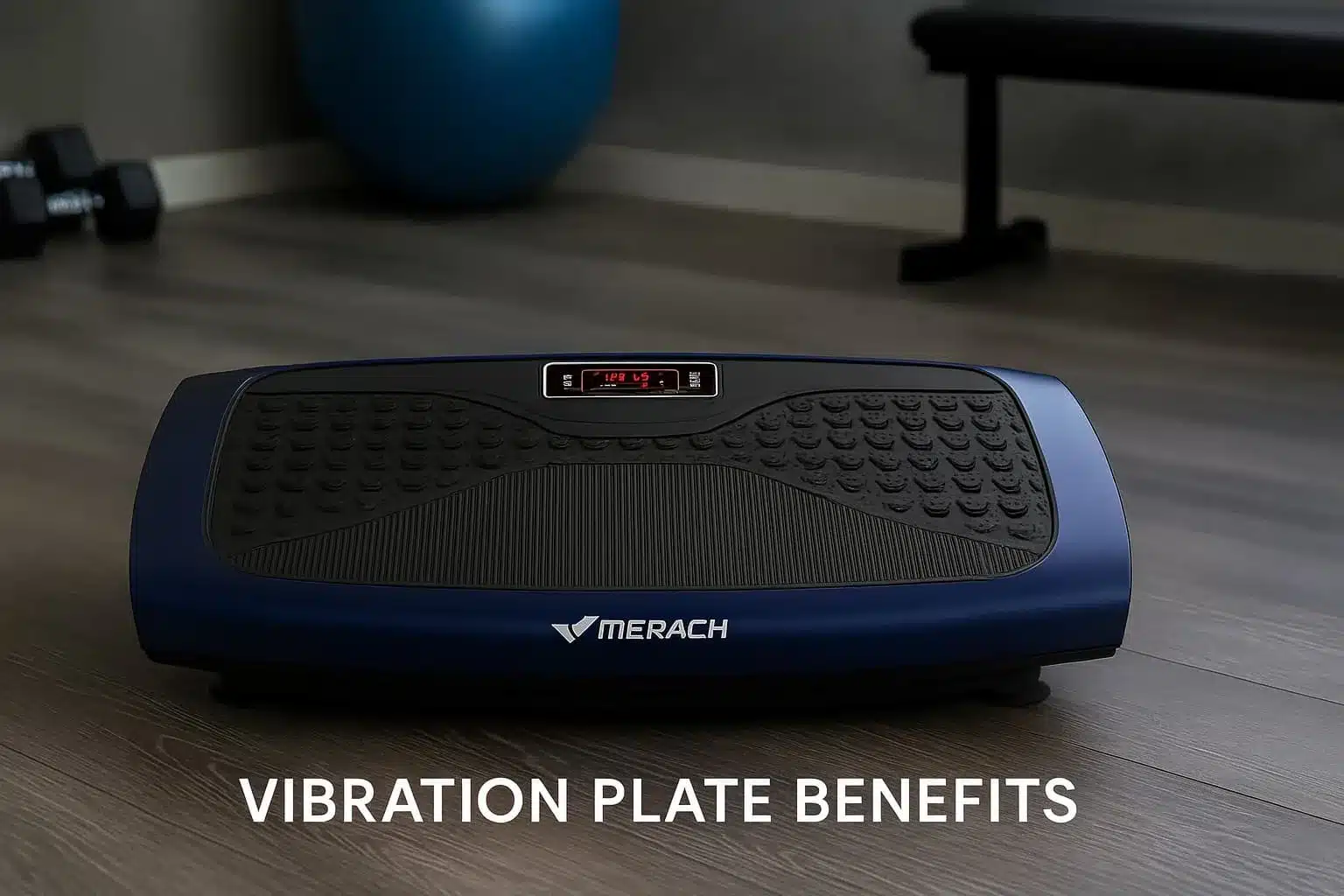
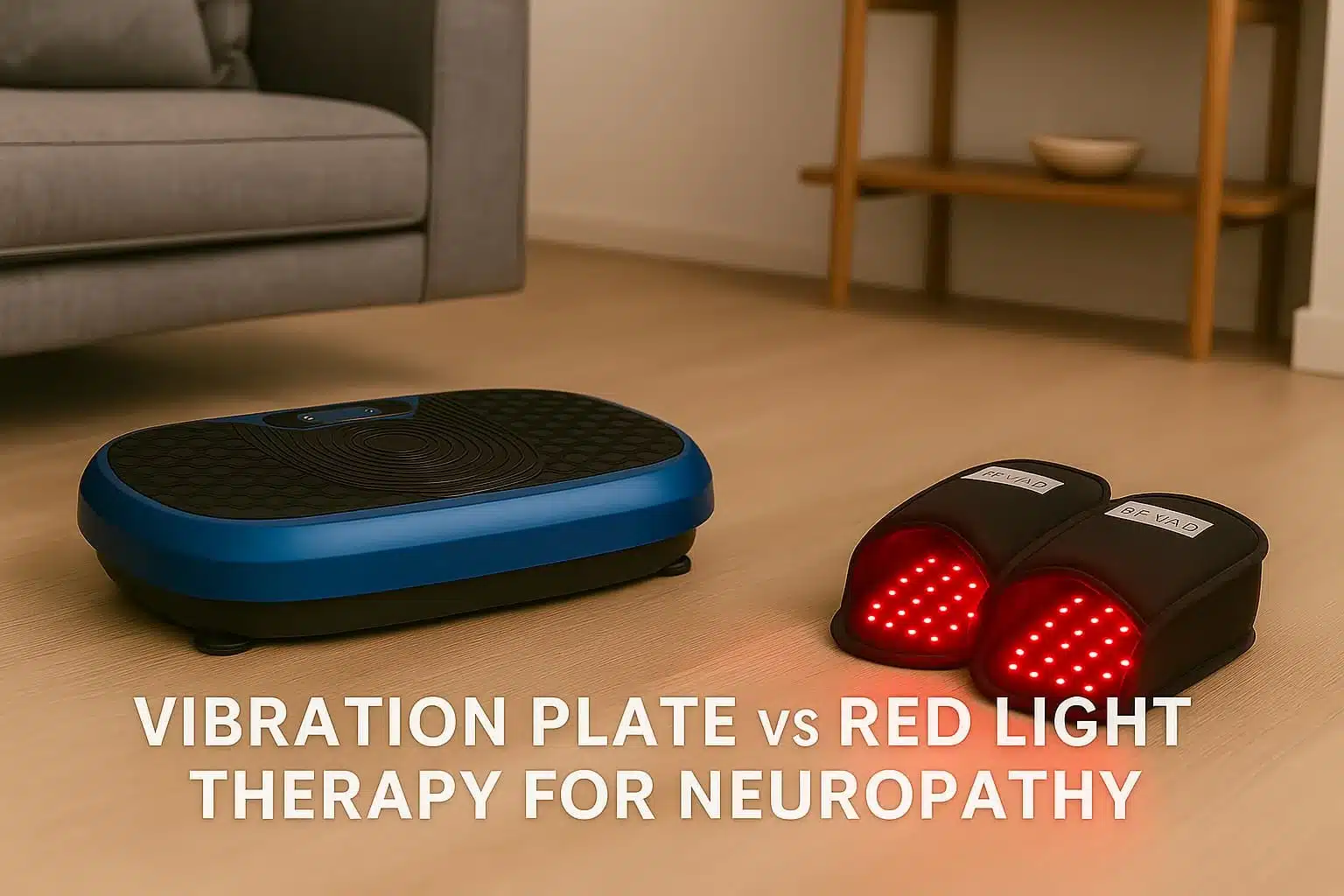
This article compares vibration plate vs red light therapy for neuropathy, detailing how each approach works, their benefits and drawbacks, and how they might fit into your wellness routine.

About the author: Hello! I’m Vladimir Stanar, professor of physical education, kinesiotherapist, marathon runner, cyclist, and cycling coach, and long-time advocate of health, fitness, and active living.
My journey with vibration plates runs parallel to my professional career in education, sports medicine, and athletic development. Over time, I’ve come to see vibration plates as one of the most versatile tools for enhancing health, recovery, and performance.
✅ Expert-Reviewed by: Vanja Vukas, MPhEd
📚 Expert Contributor: Milutin Tucakov, MPhEd
Peripheral neuropathy causes tingling, numbness, and pain in the feet and legs, making everyday activities difficult. People living with this condition often search for non‑drug options to ease discomfort and support nerve health.
Two therapies gaining attention are vibration plates and red light therapy. Both are noninvasive and can be used at home, but they work in different ways.
Vibration Plate vs Red Light Therapy for Neuropathy: Key Differences and Similarities
Both therapies aim to relieve pain and improve function, yet they rely on very different mechanisms. A vibration plate generates oscillations that stimulate muscle contractions and increase blood flow.
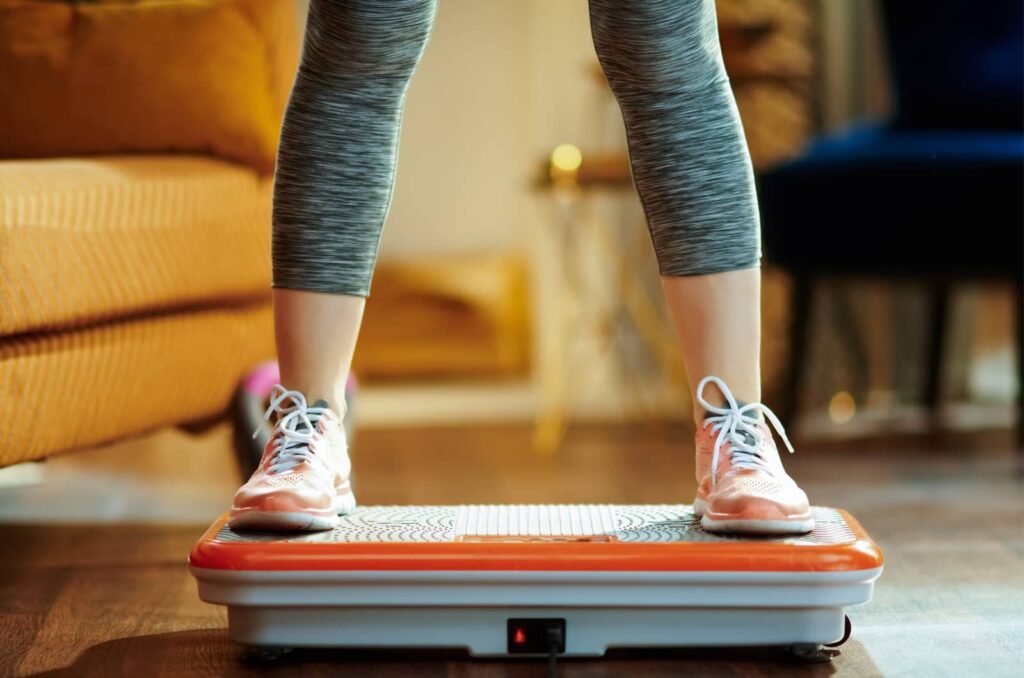
When you stand on the platform, the vibrations travel through your feet and legs, causing muscles and nerves to react. Over time, these contractions can improve circulation, strengthen muscles, and enhance balance. This mechanical stimulation may reduce neuropathic pain by pumping blood and lymphatic fluid, delivering oxygen and nutrients to damaged nerves, and encouraging the brain to reconnect with the limbs. The therapy often feels like a gentle massage, and sessions are usually short, around 10 to 20 minutes.
Red light therapy, also known as photobiomodulation or low‑level light therapy, uses specific wavelengths of red and near‑infrared light to penetrate the skin. These wavelengths, typically between 600 and 1,000 nanometers, are absorbed by mitochondria, the energy producers inside cells. The light boosts the production of adenosine triphosphate (ATP), a molecule that fuels cellular functions. It also encourages the release of nitric oxide, which dilates blood vessels and improves microcirculation.
The result is increased oxygen and nutrient delivery to nerves, along with reduced inflammation and pain. Unlike a vibration plate that requires standing or moving, red light therapy is usually performed while you sit or lie down with a device placed on or near the affected area.
Both methods aim to improve circulation and reduce nerve pain, but they differ in how they stimulate the body. Vibration is mechanical and engages muscles and sensory receptors, whereas red light therapy is photonic and works at the cellular level. They share some similarities: sessions are short, equipment can be used at home, and most users report minimal side effects.
However, choosing between them depends on your specific symptoms, mobility, budget, and preferences. In the next sections, I’ll discuss each therapy in depth and compare their benefits for neuropathy.
Understanding Neuropathy and Its Challenges
Neuropathy is a broad term describing nerve damage that often results from diabetes, chronic alcohol use, chemotherapy, or vitamin deficiencies. Peripheral neuropathy, the type most people think of, affects nerves outside the brain and spinal cord. Symptoms range from tingling, numbness, and burning sensations to muscle weakness and loss of coordination. In severe cases, neuropathy can interfere with walking, balance, and even sleep (consider using a vibration plate before bed for a restful night after night).
.
Living with neuropathy means navigating unpredictable pain and discomfort. Nerve damage disrupts communication between the brain and the limbs, leading to abnormal sensations. Everyday tasks like putting on shoes, walking across a room, or standing in a line can cause discomfort. Poor circulation further exacerbates symptoms by depriving nerves of oxygen and nutrients. Since nerves heal slowly, long‑term solutions often focus on managing symptoms and preventing progression rather than complete reversal. For the added benefits of red light therapy in combo with WBV, read my Lifepro VibraRed review.
Medical treatments include medications such as anticonvulsants, antidepressants, and pain relievers. While these drugs can reduce pain, they often come with side effects like drowsiness or dizziness. Physical therapy, exercise, and lifestyle changes are also recommended, but not everyone can tolerate conventional workouts. That’s where alternative therapies, such as vibration platforms and photobiomodulation, enter the picture. Both aim to stimulate nerves and improve blood flow without the jarring impact of traditional exercise, offering hope for those seeking complementary options.
How Vibration Plates Address Neuropathy

Standing on a vibration platform may seem simple, but the science behind it is fascinating. The plate oscillates at frequencies typically between 12 and 60 hertz. When you stand with soft knees, the vibrations cause rapid muscle contractions. These contractions activate both fast‑ and slow‑twitch muscle fibers, stimulate proprioceptors in the feet, and encourage the nervous system to adjust. For someone with neuropathy, these effects can be beneficial in several ways.
Improving circulation and nerve health
Vibration stimulates blood flow through both the arterial and venous systems. Each contraction and relaxation of the muscles acts like a pump, pushing blood toward the heart and reducing pooling in the lower extremities. Better circulation delivers oxygen and nutrients to nerves, promoting their healing. Many users report reduced swelling and an overall warming sensation in their feet after sessions on a vibration plate. Increased blood flow may also help remove metabolic waste that contributes to inflammation.
The mechanical vibrations also engage sensory receptors in the skin and muscles. This stimulation sends signals along the nervous system, potentially encouraging nerve regeneration and improving proprioception. When nerve pathways receive consistent stimulation, they may reorganize and adapt, which could reduce numbness and improve coordination. Research has shown that whole‑body vibration can improve balance and gait in people with peripheral neuropathy by strengthening the muscles around the ankles and knees.
Reducing pain and enhancing comfort
One of the main reasons people wonder does vibration plate help neuropathy is because vibration can temporarily reduce pain. The gate control theory of pain suggests that nonpainful stimuli, such as vibration, can block or reduce the sensation of pain transmitted to the brain. When you feel vibrations, the nerves carrying nonpainful messages may overwhelm those carrying pain signals, leading to short‑term relief. Many users of vibration plates describe a pleasant, tingling sensation that persists for hours after a session, making daily activities more comfortable.
Building strength and balance
People with neuropathy often experience muscle weakness and poor coordination. Regular sessions on a vibration plate can help rebuild strength in the legs and core. The constant adjustments required to stay upright engage stabilizing muscles around the ankles, knees, and hips. Over time, this can improve balance and reduce the risk of falls.
Improved strength also makes daily tasks like climbing stairs or standing from a chair easier. For those with limited mobility, a plate with handrails can provide extra stability. Our review of vibration plates for neuropathy highlights machines designed specifically for nerve pain relief, including models with large platforms and supportive handles.
Practical considerations
When choosing a vibration machine for neuropathy, look for features that meet your needs. Low‑frequency ranges (15–30 Hz) are usually more comfortable for those with nerve issues, while high‑frequency settings may cause discomfort. A textured or cushioned surface can reduce pressure on sensitive feet.
Consider weight capacity, available space in your home, and ease of use. If you’re concerned about circulation issues, check our list of the best vibration plates for circulation for models that promote blood flow effectively. Always consult your healthcare provider before starting vibration therapy, especially if you have other medical conditions.
How Red Light Therapy Addresses Neuropathy
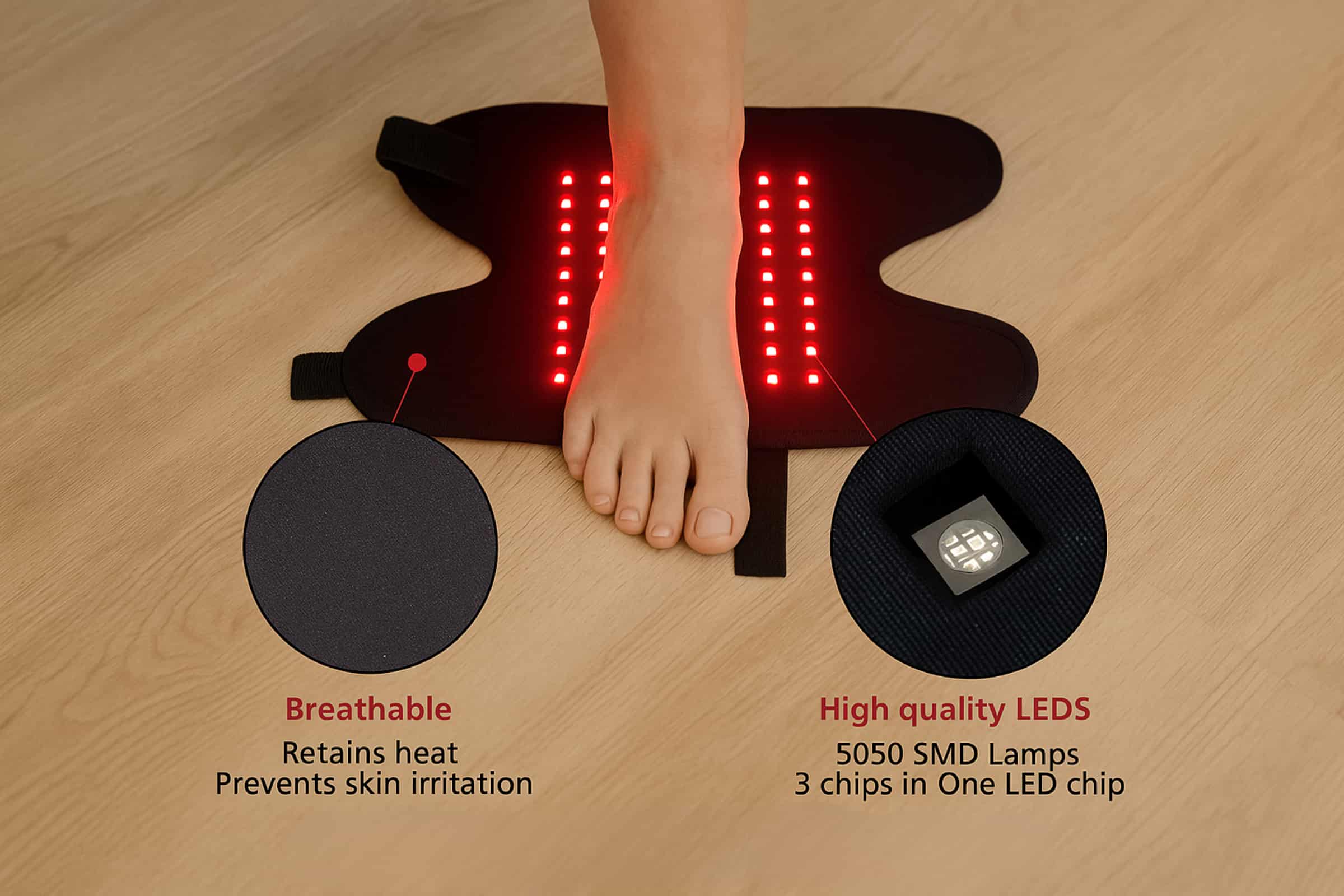
While vibration plates use mechanical energy, red light therapy delivers photonic energy to the body. This light therapy for neuropathy uses wavelengths in the red (around 630–660 nm) and near‑infrared (around 800–850 nm) ranges. These wavelengths penetrate the skin, reaching the mitochondria in cells. When cells absorb light, they produce more ATP, which powers cellular processes and promotes healing. The therapy is painless, produces little heat, and can be applied to the feet, legs, or other affected areas.
Cellular healing and inflammation reduction
At the cellular level, red and near‑infrared light increase ATP production, giving cells more energy to repair damage. This boost can accelerate the healing of nerves and surrounding tissues. Red light also releases nitric oxide from the walls of blood vessels, causing them to dilate and increase blood flow. Improved microcirculation supplies oxygen and nutrients to damaged nerves, helping them recover.
Because inflammation often exacerbates neuropathic pain, the anti‑inflammatory effects of red light provide additional relief. Many users describe a warming or soothing sensation in their feet during treatment.
Pain relief and nerve regeneration
People asking does red light therapy help neuropathy or can red light therapy help neuropathy are often seeking pain relief. Studies have shown that red light can reduce pain in conditions like arthritis, tendonitis, and neuropathy. For nerve pain, the therapy may reduce the release of pain‑inducing chemicals and increase the production of endorphins, the body’s natural painkillers.
Regular sessions may also stimulate nerve growth factor, a protein essential for nerve regeneration. As damaged nerves regenerate, sensation and function may improve, reducing numbness and tingling.
When it comes to pain relief, I also compared TENS vs. vibration plates to show where Transcutaneous Electrical Nerve Stimulation comes in as a better option.
Types of devices and session guidelines
There are many ways to administer red light therapy for neuropathy. Clinics may use large panels or pods that bathe your entire body in light, while home devices range from handheld wands to panels that target a specific area. If you’re dealing with red light therapy for foot neuropathy, small panels or foot pads allow you to sit comfortably while exposing your feet to light. Sessions typically last 10–30 minutes and are repeated several times per week. Many people see improvements after 8–12 weeks of regular use.
When considering devices, pay attention to wavelength, light intensity, and coverage area. Devices labeled as best red light therapy for neuropathy often emit both red and near‑infrared light to reach different tissue depths. Look for options with adjustable settings and timers. Some devices combine infrared light therapy for peripheral neuropathy with massage or vibration functions. Always follow manufacturer instructions and use eye protection if recommended.
Safety and contraindications
Red light therapy is generally safe with few side effects. However, overexposure can cause skin irritation or eye discomfort. If you have sensitive skin, start with shorter sessions and gradually increase exposure. People taking photosensitizing medications should consult their healthcare provider before using light therapy.
Unlike ultraviolet light, red light does not cause sunburn or cancer, but it’s wise to avoid direct eye exposure. For those with pacemakers or implanted devices, check with your doctor before starting infrared therapy for neuropathy to ensure it won’t interfere with the device.
Comparing the Two Therapies: Which Is Better for Neuropathy?
Both vibration plates and red light therapy aim to alleviate neuropathic pain and improve nerve function, but deciding between them depends on your symptoms, lifestyle, and goals. Here are some considerations:
- Mechanism of action: Vibration plates stimulate muscles and nerves through mechanical force, improving blood flow and strengthening muscles. Red light therapy works at the cellular level, boosting ATP production and reducing inflammation. If you need immediate muscle activation and improved balance, a vibration plate may be ideal. If you prefer a passive approach that encourages cellular healing, red light might be more appealing.
- Exercise component: A vibration plate requires you to stand or perform gentle exercises. This movement engages the whole body and helps build strength and coordination. People seeking a more active therapy may enjoy this aspect. Red light therapy, by contrast, is passive. You simply expose the targeted area to light while sitting or lying down. This can be beneficial if standing causes pain or if you have balance issues.
- Session duration and commitment: Both therapies require regular use. With a vibration plate, sessions may last 10–20 minutes, two or three times per week. Red light therapy may require longer exposure, around 15–30 minutes several times per week. Consistency is essential for lasting results. If you have limited time or prefer shorter sessions, a vibration plate might fit better.
- Portability and cost: Vibration plates vary in size and price. Smaller models are portable and less expensive, while larger ones with handles cost more. Red light devices also vary; handheld wands are affordable, while full‑body panels can be expensive. Evaluate your budget and space when choosing. Many people start with a smaller device to see if the therapy suits them.
- Side effects and comfort: Vibration may cause dizziness or discomfort for some users, especially at high settings. Red light therapy is generally comfortable but may cause mild skin warmth. People with sensitivity to motion might prefer light therapy. Conversely, those who feel claustrophobic or dislike light exposure may choose vibration plates.
In practice, many people find that light therapy for neuropathy treatment complements vibration training rather than replacing it. By combining mechanical and photonic stimulation, you may target different aspects of nerve health. For example, you might stand on a vibration plate in the morning to wake up muscles and stimulate circulation, then use red light therapy in the evening to reduce inflammation and promote healing.
Always monitor your response and adjust the frequency and duration of sessions accordingly. If weight management is part of your neuropathy care plan, our review of vibration plates for weight loss offers insight into machines that support calorie burning alongside nerve health.
Choosing the Right Therapy for Your Neuropathy
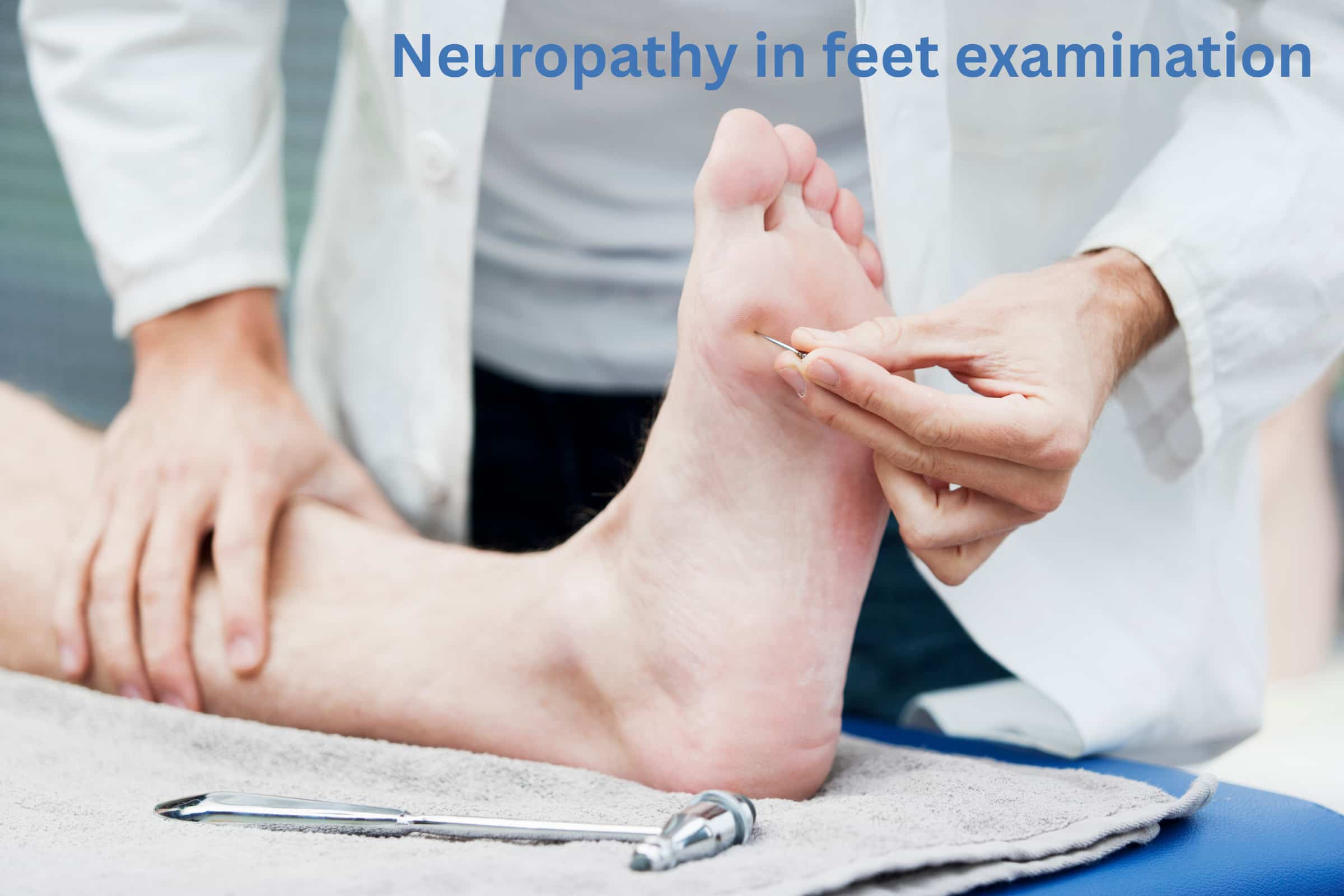
Selecting between a vibration plate vs red light therapy for neuropathy requires a thoughtful assessment of your needs. Ask yourself the following questions:
- What are my primary symptoms? If your main issues are muscle weakness, poor balance, or swelling in the legs, a vibration plate may provide more immediate relief by engaging muscles and encouraging circulation. If burning pain and inflammation dominate, red light therapy’s cellular healing effects may be more effective.
- How comfortable am I with movement? Standing on a vibration plate requires coordination. If you worry about balance, choose a model with handrails or start by sitting with your feet on the platform. Conversely, red light therapy allows you to remain still. Those with severe mobility issues might prefer light therapy.
- Do I need a low‑impact option? Vibration training is low impact compared with running or jumping, but it still involves some movement. Red light therapy has virtually no physical impact, making it suitable for those recovering from surgery or living with other conditions that limit movement. People with joint pain or severe neuropathy may appreciate the gentle nature of light therapy.
- What is my budget and space availability? Both therapies come at varying price points. If you have limited space, smaller vibration plates or portable red light devices may be ideal. If you can invest in larger equipment, you may gain more versatility and coverage. Keep in mind that some red light devices can be shared among family members for skin or muscle care, offering additional value.
- How important is instant feedback? Vibration plates provide immediate sensations: muscles feel engaged and warm, and pain may decrease right after a session. Red light therapy’s effects can be subtler and may take weeks to become noticeable. If you need immediate relief, the mechanical stimulation of a vibration plate may meet that need, while the cellular benefits of red light therapy become more evident over time.
Ultimately, there’s no one‑size‑fits‑all answer. For many, combining therapies yields the best results. A balanced approach might involve using a vibration plate two or three times a week for strength and circulation, and applying red light for neuropathy on alternate days to reduce pain and promote healing.
When designing your plan, consult your doctor or physical therapist to ensure the regimen suits your health status. Our list of vibration plates for seniors is particularly useful if age‑related mobility and balance challenges influence your decision.
Combining Vibration and Red Light Therapy
Given that vibration and red light therapy work through different mechanisms, there’s potential for synergy. Incorporating both may address neuropathy from multiple angles: mechanical stimulation improves circulation and muscle strength, while photobiomodulation reduces inflammation and supports cellular repair. Here’s how you can combine them effectively:
Sequential sessions
One approach is to use therapies sequentially. Start with a short session on the vibration plate to stimulate muscles and get blood moving. After resting briefly, apply red light therapy for peripheral neuropathy to the same area. Increased circulation may enhance the delivery of light to tissues, potentially amplifying the therapy’s effects. Pay attention to how your body responds, and adjust the order and duration if needed. For added relief around the ankles and heels, some people also incorporate foot massage or stretching.
Integrated devices
While less common, some devices combine vibration with light therapy. These platforms incorporate LED panels into the footplate, allowing you to receive mechanical and photonic stimulation at once. If you’re interested in this option, research carefully to ensure the device emits wavelengths appropriate for therapy and provides adequate vibration levels.
At present, most home users achieve the same benefit by pairing separate devices. When exploring combination devices or unique features, my readers often appreciate articles like vibration plates for lymphatic drainage because improved lymph flow can complement nerve health.
Monitoring progress
Keep a journal to track symptoms, session lengths, and personal observations. This record helps identify which therapy or combination gives you the best results. Because neuropathy fluctuates, you may notice some days respond better to vibration, while others benefit more from light therapy. Adjust your schedule accordingly. Be patient; nerve healing can take time, and improvements may be gradual.
Personal Experiences and Real Stories
When my highschool friend first developed neuropathy symptoms after years of high blood sugar levels, he struggled with numbness and pins‑and‑needles sensations in my feet. He worried that I might never enjoy simple walks again. Medications dulled the pain but left him tired. A friend recommended a vibration plate. Skeptical yet desperate, he tried short sessions. After a few weeks, he noticed his feet felt warmer and less swollen. Climbing stairs became easier, and his balance improved. The gentle massage sensation made his feet feel alive again. Using the plate three times a week became part of his routine.
Later I learned about neuropathy red light therapy and decided to research and try it myself after long cycling training. My first sessions were at a clinic where where I work. I just rested my feet under a red light panel. The warmth was soothing, and over time I felt less burning in my toes.
Because the sessions required little effort, I used the light on days when my feet ached. I eventually bought a small panel so I could use it at home. I found that combining the two therapies provided the best results. On days when my feet were particularly sensitive, I skipped vibration and used the light instead. When I needed to loosen stiff ankles, I used the vibration plate and felt immediate relief.
My clients and readers have shared similar stories. One client who works on their feet all day found that red light therapy helped calm evening flare‑ups of numbness. Another reader who is a recovering alcoholic and enjoys hiking uses a vibration plate to strengthen their legs, then applies infrared treatment for peripheral neuropathy after long treks to reduce inflammation.
These experiences underscore the value of experimenting to see which therapy, or combination, works best for you. Each person’s neuropathy journey is unique.
Safety and Precautions
Both therapies are generally safe, but you should take certain precautions. Always consult your healthcare provider before starting any new treatment, especially if you have medical implants or underlying conditions.
Vibration plate precautions
Vibration plates are not suitable for everyone. Avoid using them if you have a pacemaker, untreated heart disease, deep vein thrombosis, or recent surgery. Pregnant individuals should not use vibration plates without medical guidance.
If you have severe vestibular disorders or experience motion sickness, the vibrations may cause dizziness or nausea. Start with low frequencies and short sessions to assess your tolerance. Keep knees slightly bent to avoid jarring your joints, and use handrails or supportive accessories if balance is a concern.
People with severe neuropathy may need to sit and place their feet on the platform initially. Always wear secure footwear or stand barefoot on a cushioned mat to protect your feet.
Red light therapy precautions
Red light therapy and neuropathy are often considered safe, but there are a few cautions. Protect your eyes during treatment by wearing goggles or closing your eyes if the light is directed near your face. Do not use red light therapy on areas with active cancer without consulting an oncologist. Individuals taking medications that increase photosensitivity, such as certain antibiotics or acne treatments, should check with their doctor before starting therapy.
Those of you with sensitive skin should begin with shorter sessions to avoid irritation. If you have an implanted device, verify with the manufacturer or your doctor that light exposure will not interfere with its function.
Understanding and Using Red Light Therapy for Neuropathy
What Is Red Light Therapy?
Red light therapy uses specific wavelengths of red and near‑infrared light to stimulate healing in the body. The light is delivered by LED panels or laser devices. When the light penetrates skin and tissues, it energizes mitochondria, boosting cell metabolism. This process may promote nerve repair, reduce pain, and improve circulation. Because the therapy is gentle and noninvasive, it has gained popularity among people seeking alternatives to medication.
What Are the Benefits of Red Light Therapy?
The benefits of red light therapy for neuropathy include reduced inflammation, improved nerve function, and increased circulation. Clinical studies suggest that it may increase ATP production and enhance blood flow to damaged nerves, which can ease tingling and burning sensations. People often report fewer cramps, better foot temperature, and more comfortable walking after consistent use. These red led light therapy benefits make it a compelling option for nerve pain. While the therapy does not cure neuropathy, it can support overall nerve health and quality of life.
How to Use Red Light Therapy for Neuropathy
How to use red light therapy for neuropathy depends on the device and your symptoms. Start by choosing a device that covers the affected area, small panels are ideal for feet. Position the device about six to twelve inches away, or follow the manufacturer’s instructions. Sessions typically last 10–20 minutes and are repeated three to five times per week.
Gradually increase exposure as your body adapts, and monitor how your skin and nerves respond. If you’re wondering does red light therapy help neuropathy, remember that consistency matters. Listen to your body, and adjust session duration if you experience discomfort.
Does Red Light Therapy Work for Neuropathy?
Does red light therapy work for neuropathy is a common question. While everyone’s experience differs, research and user testimonials suggest it can ease pain and improve function when used regularly.
The therapy supports nerve health by reducing inflammation and increasing circulation, which may slow the progression of nerve damage. Combining this modality with lifestyle changes, such as exercise and proper nutrition, can yield better results.
For a deeper understanding of light therapy for neuropathy treatment, talk to your doctor or a physical therapist who can tailor the approach to your needs.
Keep in mind that improvement may be gradual, and patience is key when trying red light therapy neuropathy benefits.
Can Red Light Therapy Help Neuropathy?
When you ask can red light therapy help neuropathy, the answer is yes, it can help reduce symptoms and support nerve health, but it is not a cure. Many users find that it lessens burning and numbness, allowing them to move more comfortably. Using it alongside a healthy lifestyle and regular check‑ups enhances the outcome. Some people call this infrared neuropathy treatment because the light reaches deep tissues.
If you are also using a vibration plate, alternate between the two therapies to see how your body responds. Always consult a healthcare professional before starting any new treatment, especially if you have underlying conditions or take medications that cause light sensitivity.
Final Thoughts on Vibration Plate vs Red Light Therapy
Choosing between a vibration plate and red light therapy for neuropathy in feet depends on your symptoms, preferences, and lifestyle. Vibration plates offer active sessions that strengthen muscles, improve circulation, and provide immediate relief from numbness and swelling. Red light therapy provides a passive experience that promotes cellular healing, reduces inflammation, and may encourage nerve regeneration. Many people find that using both therapies at different times yields the most comprehensive results.
My personal experience taught me that there is no single answer.
Some days, mechanical stimulation on a vibration plate feels wonderful, relieving tension and energizing my legs. On other days, the gentle warmth of a red light panel calms burning sensations. Combining both helps me manage neuropathy more effectively than relying on one alone.
Combined with a balanced diet, regular check‑ups, and careful monitoring, both vibration and red light therapy can become valuable tools in your neuropathy care plan.
FAQs
Can a vibration plate help with neuropathy?
Yes, a vibration plate can help with neuropathy by stimulating muscles and improving blood flow in the feet and legs. The rapid oscillations engage muscle fibers and sensory receptors, which may reduce pain, numbness, and swelling over time. Regular sessions can also strengthen leg muscles and improve balance, making daily activities easier.
Can red light therapy reverse neuropathy?
No, red light therapy cannot fully reverse neuropathy, but it can alleviate symptoms by promoting cellular repair and reducing inflammation. The light increases ATP production and improves blood flow, which helps nerves heal and may ease pain and tingling. Consistent use over several weeks often yields the best results.
What is the best exercise equipment for neuropathy?
The best exercise equipment for neuropathy is any device that safely improves circulation, balance, and muscle strength without excessive impact. Vibration plates, stationary bikes, and gentle elliptical machines are popular choices because they encourage movement while protecting sensitive joints and nerves. Always choose equipment that matches your mobility level and consult a professional before starting.
Is vibration bad for nerve damage?
Vibration is not inherently bad for nerve damage when used appropriately and at low frequencies. Gentle whole‑body vibration can stimulate nerves and promote blood flow, which may aid healing. However, high‑intensity vibration or prolonged sessions could aggravate symptoms for some people. Start with short, low‑frequency sessions and monitor your response.
What is the most successful treatment for neuropathy?
The most successful treatment for neuropathy depends on the underlying cause and individual response to therapy. Medications like anticonvulsants or antidepressants, lifestyle changes such as controlling blood sugar, and physical therapy are common approaches. Complementary options like vibration plates and red light therapy can support these treatments by reducing pain and improving circulation. Work with your healthcare provider to develop a tailored plan.