
About the author: Hello! I’m Vladimir Stanar, professor of physical education, kinesiotherapist, marathon runner, cyclist, and cycling coach, and long-time advocate of health, fitness, and active living.
My journey with vibration plates runs parallel to my professional career in education, sports medicine, and athletic development. Over time, I’ve come to see vibration plates as one of the most versatile tools for enhancing health, recovery, and performance.
✅ Expert-Reviewed by: Vanja Vukas, MPhEd
📚 Expert Contributor: Milutin Tucakov, MPhEd
Affiliate Disclosure: Vibration Plate Zone is a proud participant in the Amazon Services LLC Associates Program.
In this article, I will guide you through everything you need to know about vibration plate vs rebounder so you can decide which device best suits your lifestyle and goals.
Vibration plates and rebounders have become popular tools for home fitness, promising a fun way to build strength, improve balance, and add variety to workouts. As a regular user of both types of equipment, I have explored how they differ, what each one offers, and the kind of experience you can expect.
Vibration Plate vs Rebounder: Key Differences
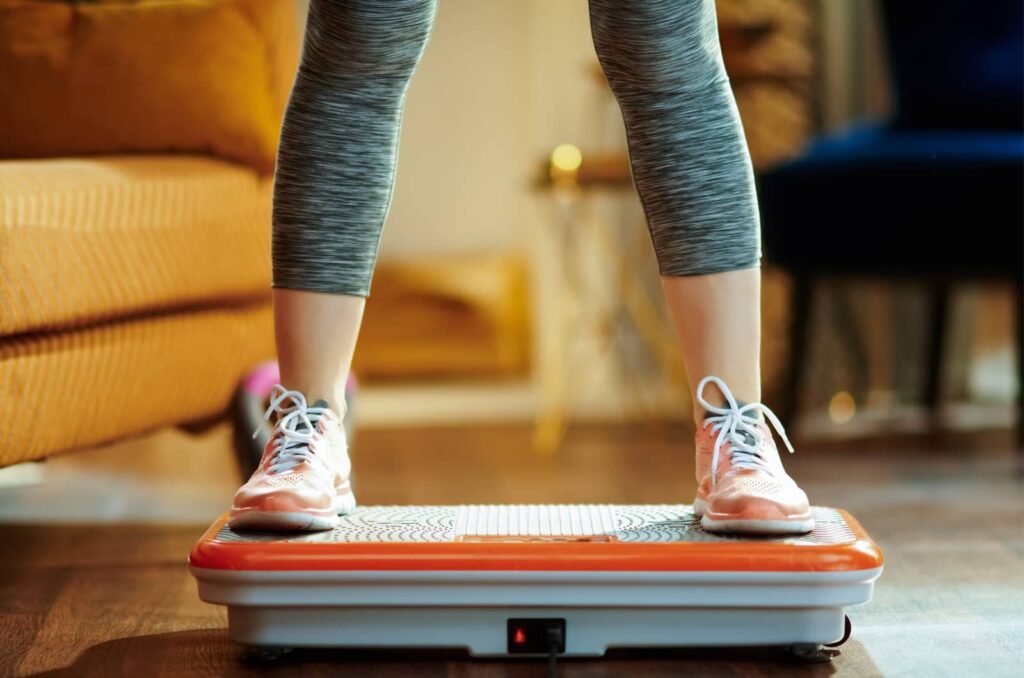
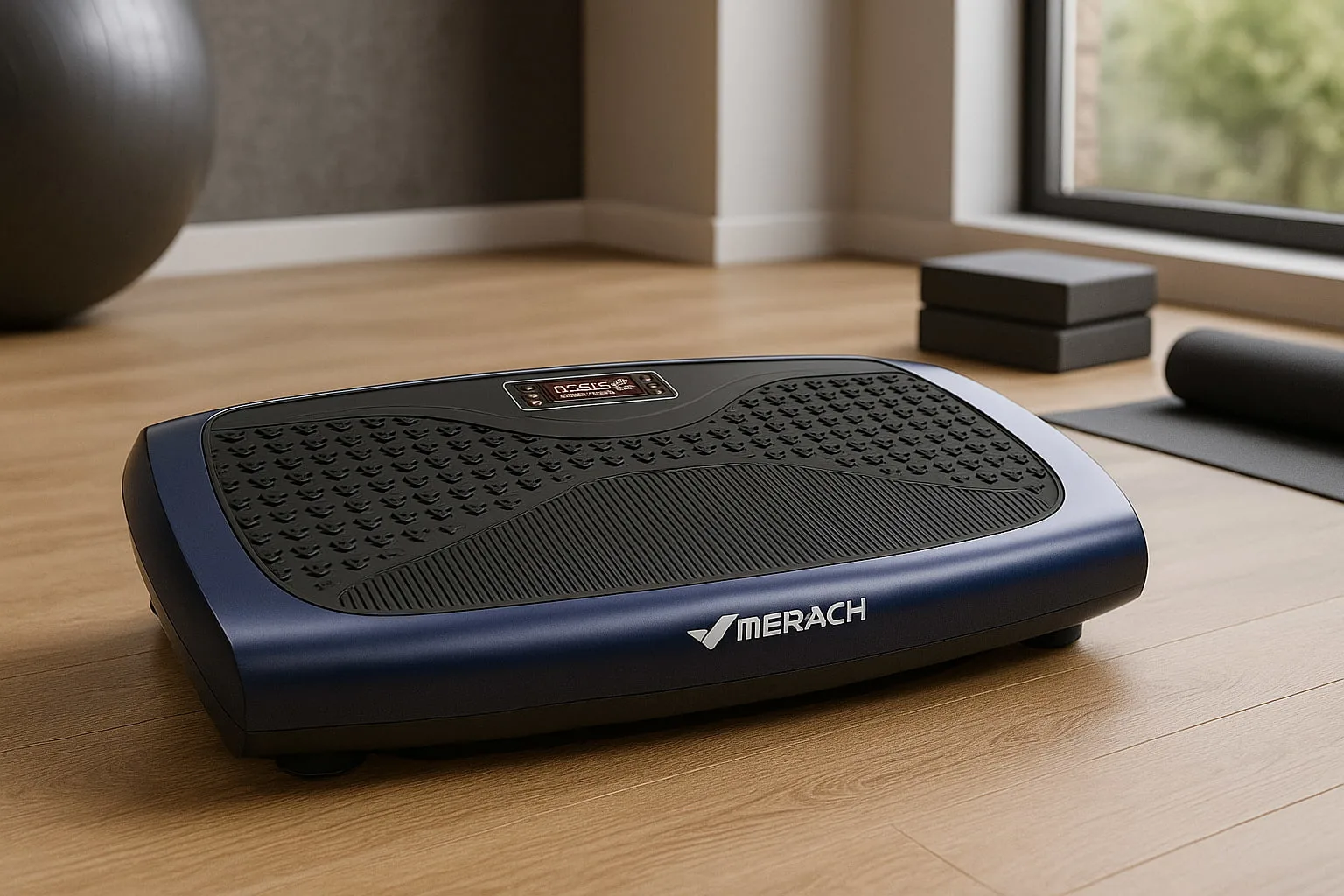
When looking at a vibration plate vs rebounder comparison, the first thing I notice is how each device works. A vibration plate is a solid platform that vibrates at different frequencies and amplitudes. Standing on the platform, you feel gentle to intense vibrations travel through your body, causing muscles to contract and relax multiple times per second.
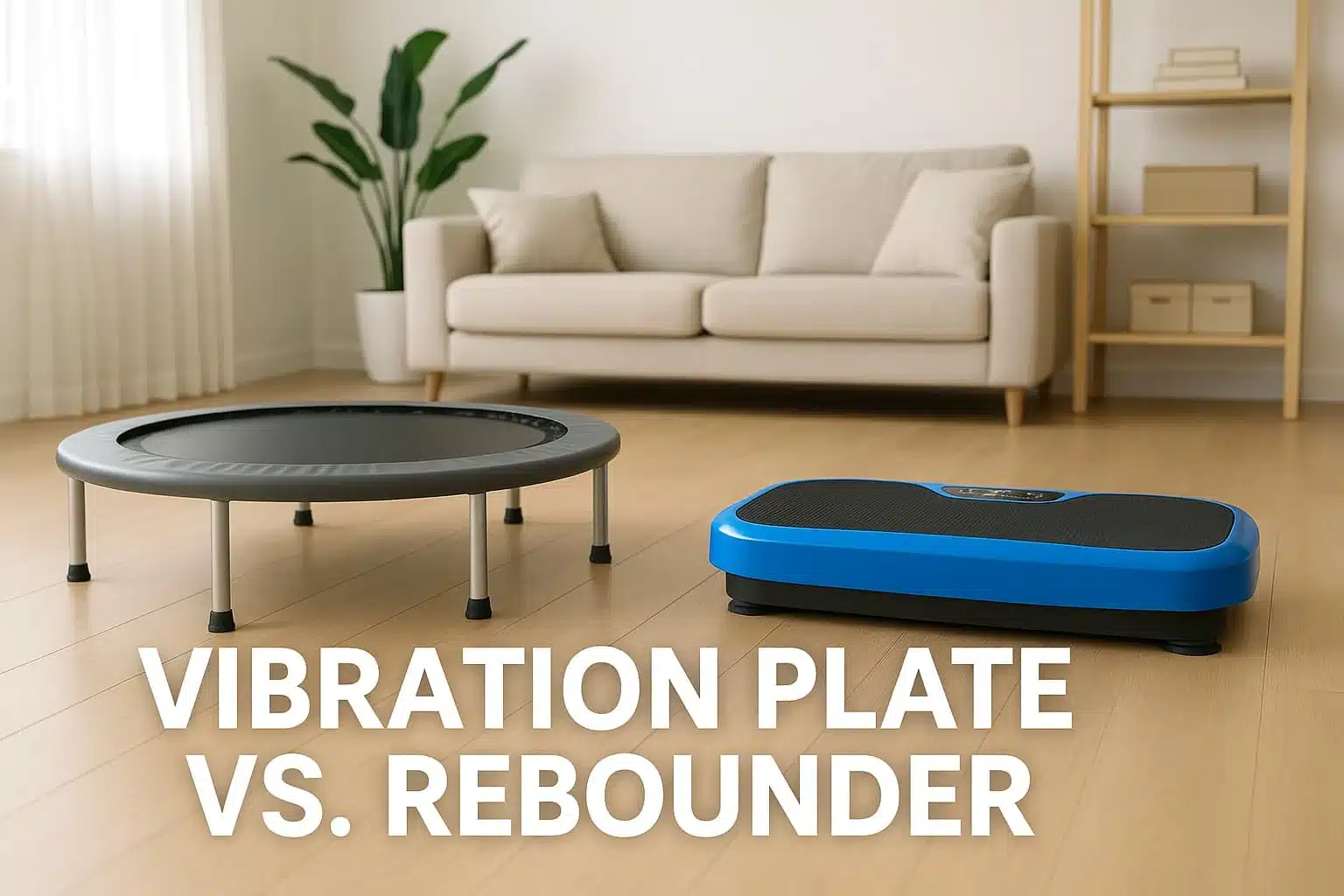
In contrast, a rebounder is a small trampoline with elastic cords or springs that allows you to jump up and down with a soft bounce. Both tools offer low‑impact training, but their effects and benefits differ substantially.
Another key difference is the range of movements you perform. Vibration plates encourage static poses and slow movements, emphasizing muscle engagement and stability. Rebounders, on the other hand, encourage dynamic jumps, bounces, and cardio sequences.
They feel more playful and aerobic. Each device can support strength, balance, and coordination in unique ways, making it important to understand them separately before deciding.
What Is a Vibration Plate?
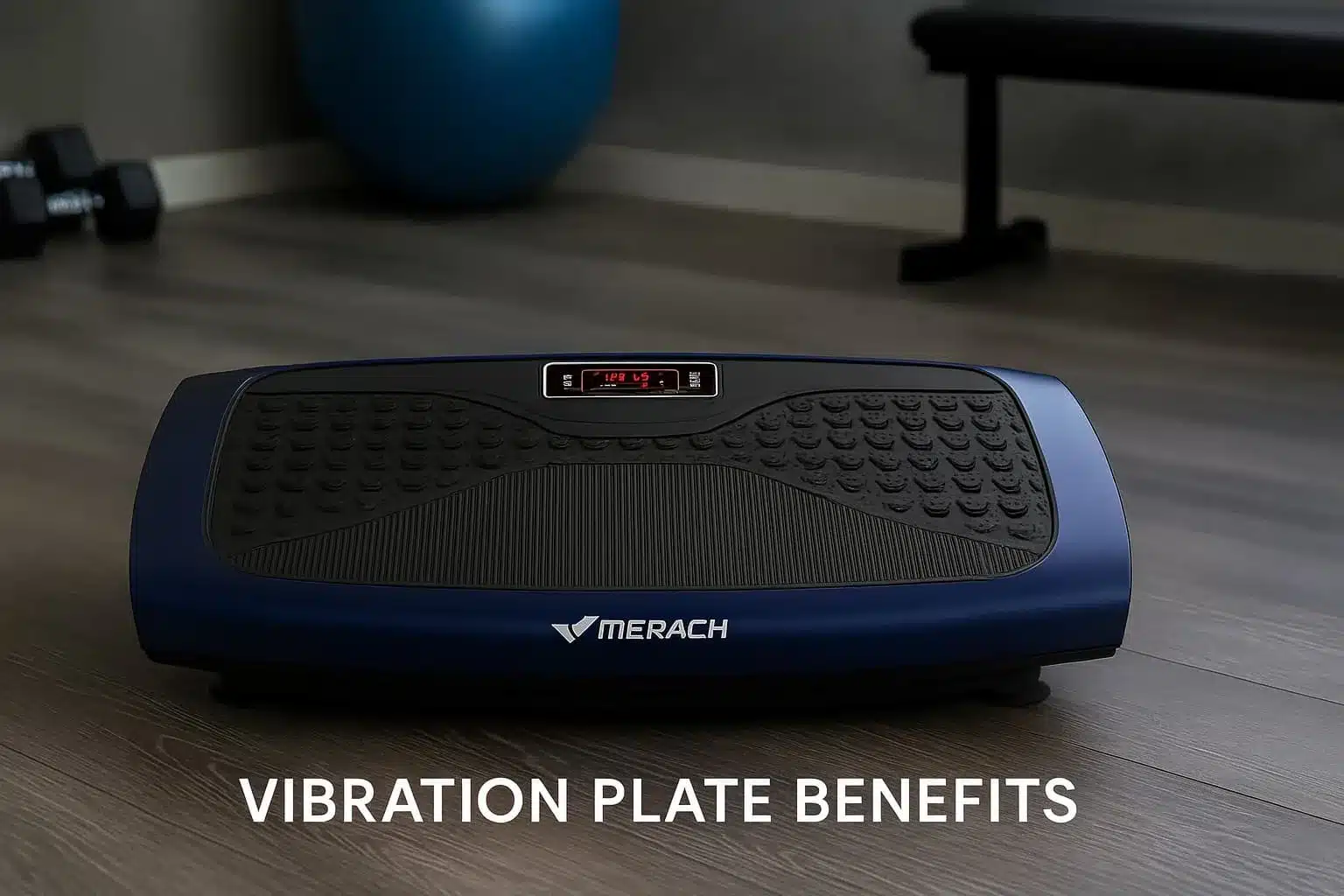
A vibration plate is a motorized platform that delivers oscillating or vertical vibrations through your body when you stand, sit, or perform exercises on it. Most models allow you to adjust frequency (how many times per second the platform moves) and amplitude (how far the platform moves up and down). Higher frequencies and amplitudes create a more intense session, while lower settings provide a gentler experience.
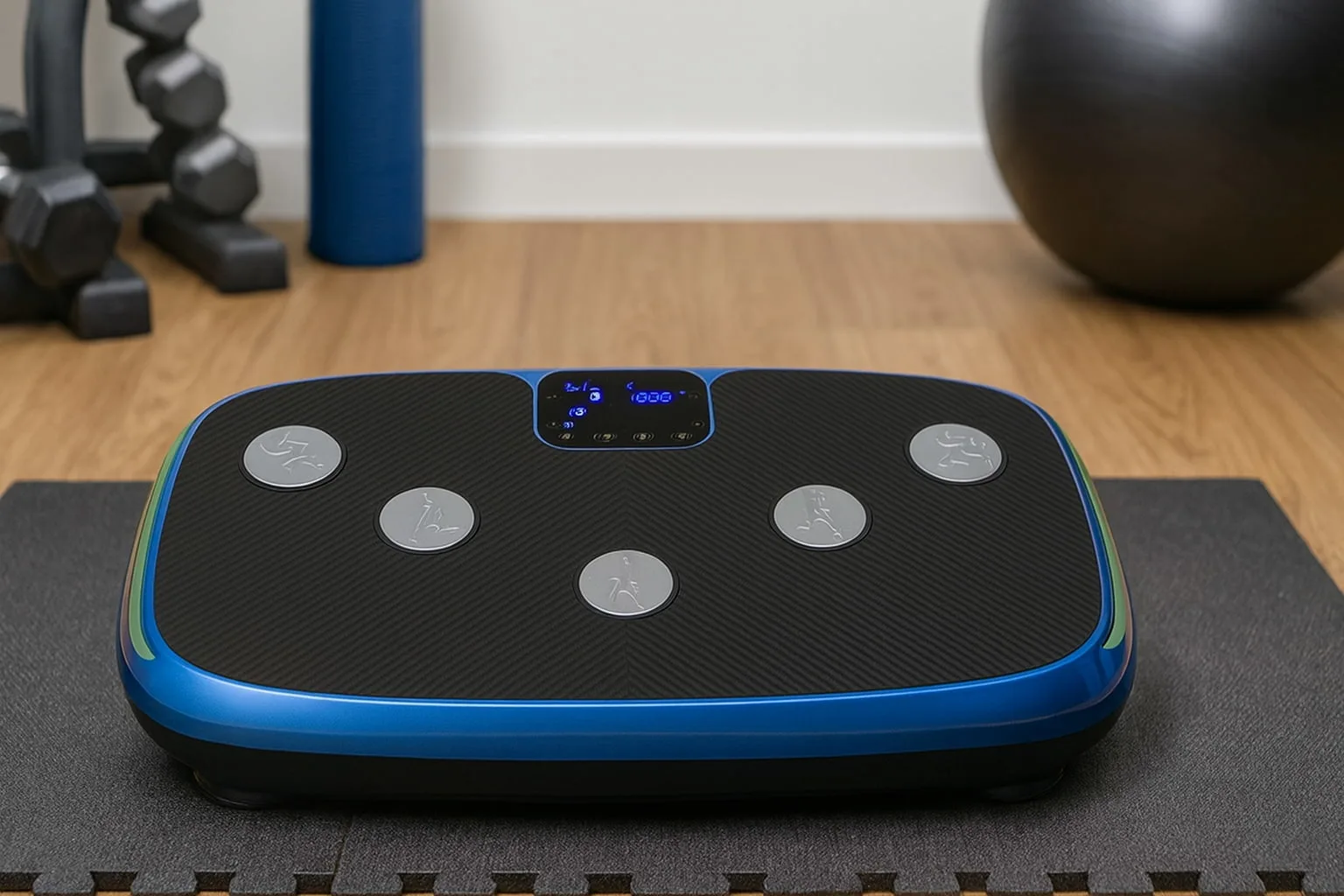
Vibration plates may also include features like handles, resistance bands, and preprogrammed modes for warm‑ups, muscle strengthening, or massage. To learn more about different models and how they work, you can read our guide on the best vibration plate options on the market.
What Is a Rebounder?
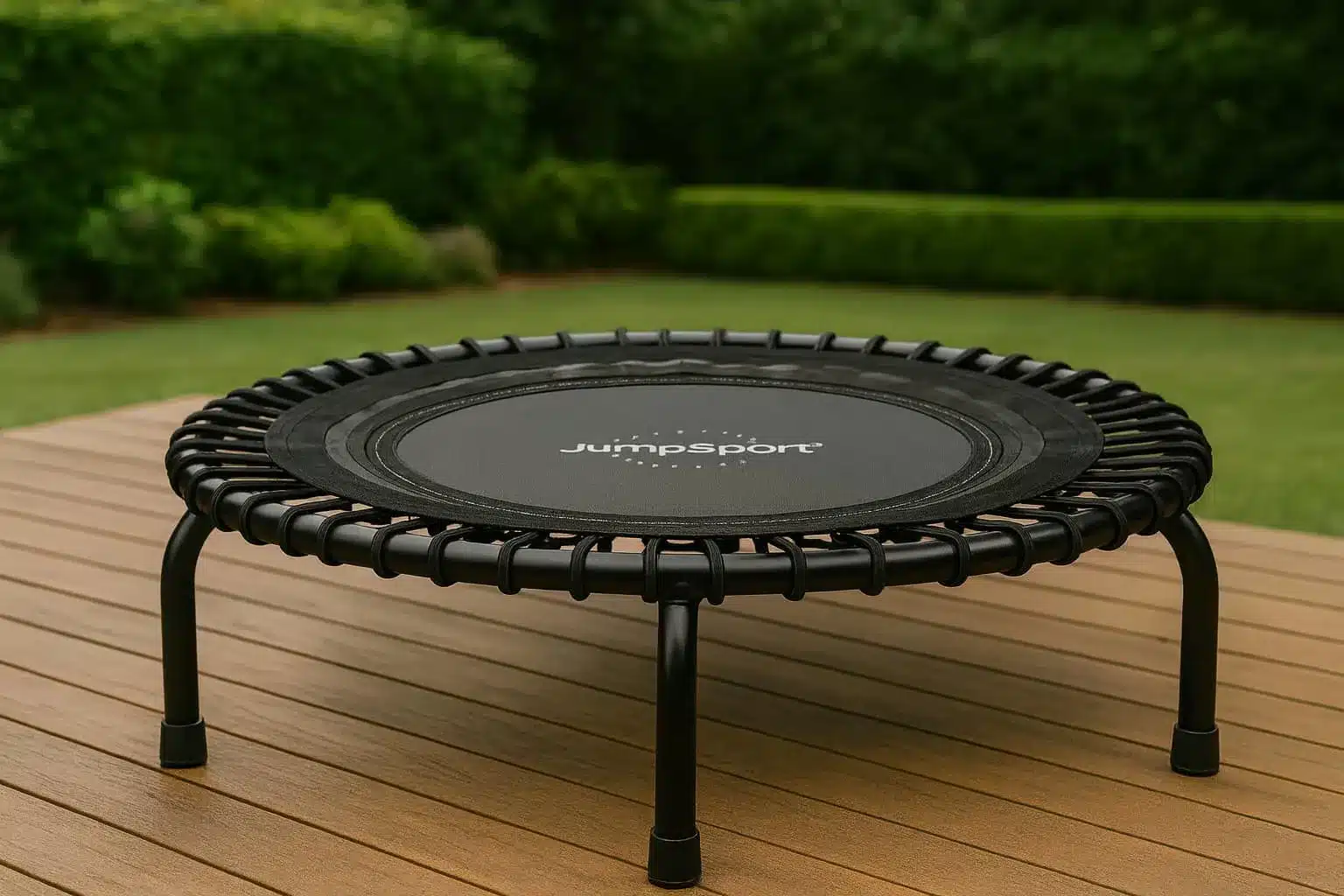
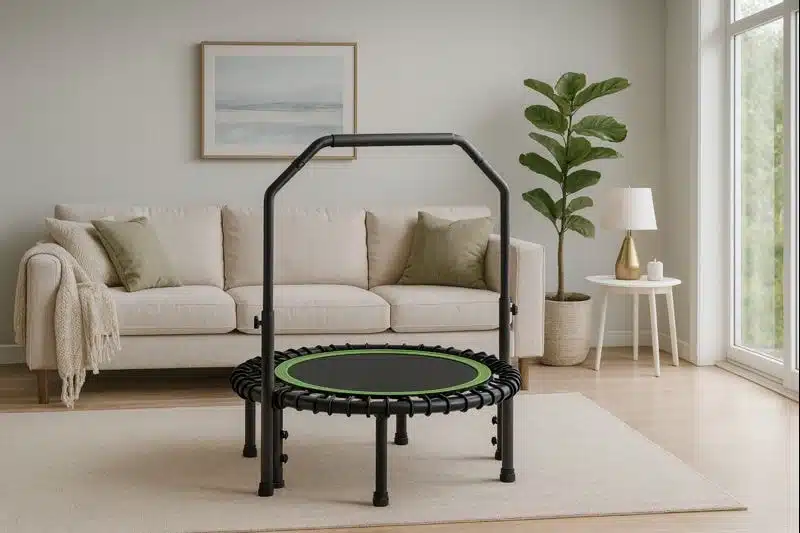
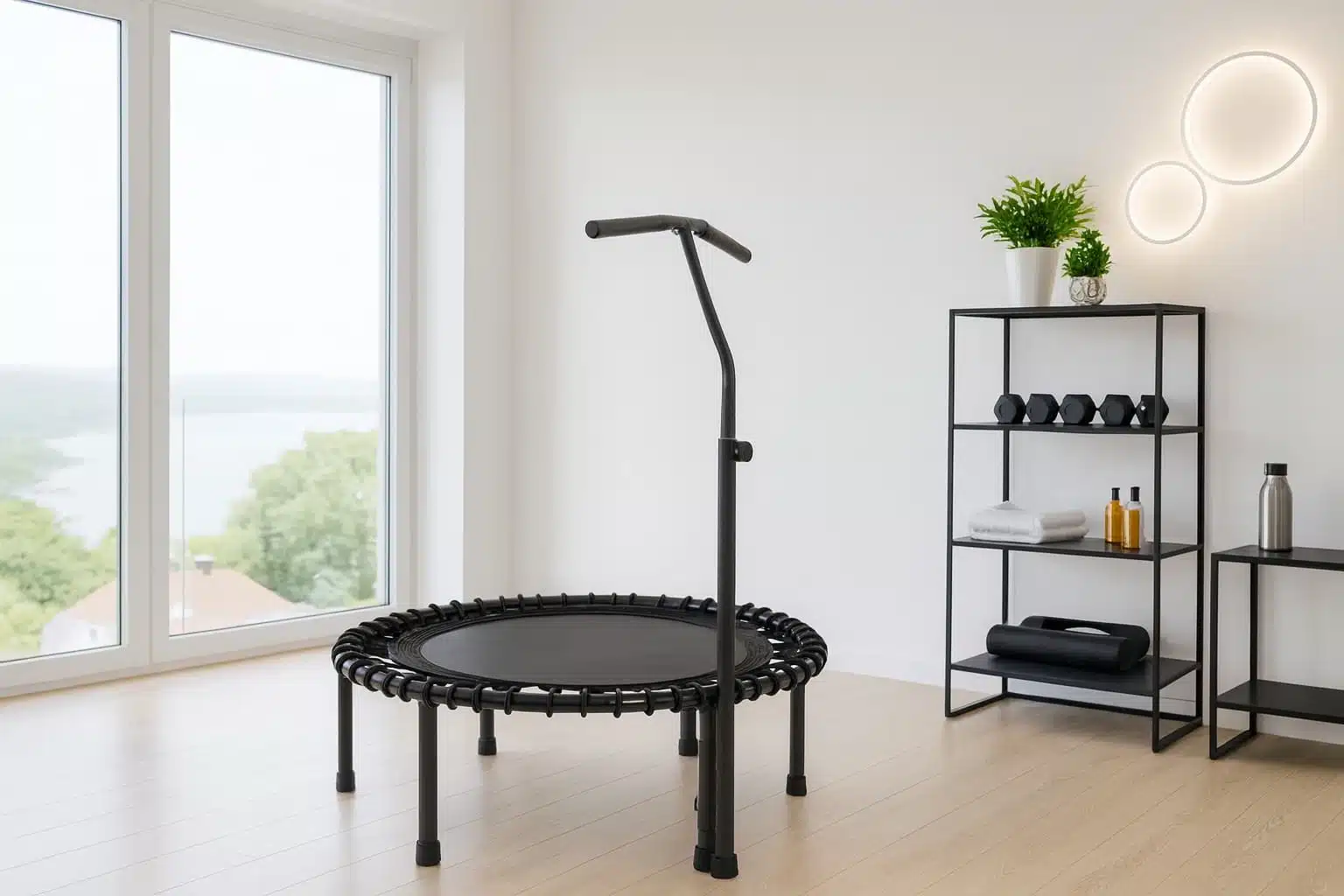
A rebounder is a mini trampoline designed for indoor exercise. It consists of a round or rectangular frame with elastic cords or springs and a strong fabric surface. When you jump or bounce, the mat absorbs the impact and helps propel you upward, creating a gentle rebound.
Rebounders are used for a variety of workouts, including cardio sessions, balance drills, and simple rhythmic movements. They are compact and often foldable, making them easy to store in a home gym or small apartment.
While both devices promote movement and low‑impact exercise, their designs cater to different goals. To appreciate the full picture, let us look at the benefits and drawbacks of each machine separately.
Benefits of Vibration Plates

Vibration plates offer a range of advantages that make them appealing to both beginners and experienced fitness enthusiasts. As someone who uses one regularly, I have noticed improvements in several areas of my health and fitness. The following sections break down these benefits, often referred to collectively as vibration plates main benefits, in greater detail.
Muscle Activation and Strength
One of the most noticeable benefits of vibration plates is how they stimulate muscle activation. Standing on a vibrating platform causes your muscles to contract and relax rapidly, even when you are holding simple poses. This can lead to increased muscle engagement compared with static standing or sitting.
For example, when performing squats or planks on a vibration plate, I feel my core and leg muscles working harder because they must stabilize against the vibrations. Over time, this extra stimulation may contribute to increased strength and endurance.
Improved Circulation and Flexibility
The vibrations from a vibration plate can help improve blood flow and circulation throughout the body. When your muscles are stimulated quickly, blood vessels dilate and circulate nutrients and oxygen more efficiently. In my experience, using a vibration plate for a few minutes leaves me feeling invigorated and warm, as if my entire body has had a gentle massage. Enhanced circulation can also support flexibility, as muscles become more supple when blood flow is increased.
Bone Density and Balance Support
Another important benefit of vibration plates is their potential to support bone density and balance. The slight forces generated by the platform can stimulate bone tissue, which may help maintain or improve density. This is particularly important for older adults or those with osteoporosis. Vibration plates can also improve balance and coordination by challenging stabilizer muscles around the ankles, knees, and hips. Since you must maintain posture while the platform moves, your body learns to adapt to constant changes in position.
Calorie Burn and Weight Management
Although vibration plates are not as aerobic as running or biking, they still contribute to calorie burn and weight management. When combined with traditional exercises like squats, lunges, and push‑ups, the extra muscle activation can increase the energy required to perform each movement. This makes vibration plates an efficient tool for those who want to supplement their routine with something that is low‑impact yet effective. I've written in more detail about aerobic vs anaerobic exercise.
I use my vibration plate as part of a broader strength training program and notice that it adds a gentle, continuous challenge.
Recovery and Mental Focus
In addition to physical benefits, vibration plates can aid recovery and enhance mental focus. Gentle vibrations after a workout can promote relaxation by stimulating blood flow, which may reduce soreness and support recovery.
I sometimes use the plate at a low setting after long runs or heavy strength sessions to help my muscles unwind. The rhythmic movement also encourages mindfulness; focusing on the sensation of the vibrations helps me stay present and attentive to my body.
Rehabilitation and Special Populations
Vibration plates can be beneficial for people recovering from injuries or managing chronic conditions. Since the platform provides a controlled environment, individuals can perform exercises with minimal impact on joints. Physical therapists sometimes integrate vibration plates into rehabilitation programs to help clients maintain strength and coordination while avoiding high‑impact movements.
Older adults who struggle with traditional exercise may also find vibration plates useful because they can start at gentle settings and progress gradually. Our article on the best vibration plate for seniors explains how certain models cater specifically to older users, with features like handrails and wider platforms.
Drawbacks of Vibration Plates

While vibration plates offer many advantages, they are not perfect for everyone. It is important to understand their limitations and potential risks. Below are some of the main drawbacks to consider when evaluating a vibration plate vs rebounder decision.
Limited Cardiovascular Challenge
Vibration plates are primarily designed for muscle stimulation and balance. They do not provide the same cardiovascular workout as running, cycling, or high‑intensity training. If your main goal is to improve heart health or burn a large number of calories in a short time, a vibration plate alone may not suffice.
In such cases, a rebounder or another form of cardio may be a better complement.
Learning Curve and Posture
Using a vibration plate effectively requires proper posture and technique. Beginners might find it difficult to maintain balance or figure out the best foot placement. Without guidance, you may lean too heavily on the platform or stand with your knees locked, which can reduce effectiveness and increase risk of discomfort.
I recommend starting with simple poses like a semi‑squat and gradually adding exercises as you become comfortable. Reading our guide to the best vibration plate for home use can help you choose a model with instructional programs and stability features.
Contraindications and Safety Considerations
Certain individuals should be cautious about using vibration plates. People with pacemakers, pregnant individuals, and those with specific medical conditions should consult a healthcare professional before starting. The high‑frequency vibrations might not be suitable for everyone, and misusing the equipment could lead to joint or back discomfort.
Always start with short sessions, typically five to ten minutes at low frequencies, and increase duration only when you feel comfortable.
Equipment Quality and Cost
Vibration plates vary widely in terms of build quality, motor strength, and price. High‑end models offer smoother vibrations and more durability but can be expensive. Cheaper machines might produce shaky or inconsistent movement, which can reduce comfort and effectiveness.
To make a smart investment, research and compare different brands and features. Our comprehensive list of the best vibration plates for weight loss highlights models with strong motors and user‑friendly controls, which can make your experience safer and more enjoyable.
Recommended Vibration Plate Exercises

To get the most out of a vibration plate, you should incorporate a variety of exercises that target different muscle groups. Here are some moves I incorporate into my routine. Each exercise involves standing, sitting, or placing a limb on the platform while it vibrates. Aim for short sets, focusing on form and control over speed.
Basic Stance: Stand on the plate with feet hip‑width apart and knees slightly bent. Engage your core and keep your back straight. This position may seem simple, but it activates stabilizer muscles and helps you become familiar with the vibrations.
Squats and Lunges: From the basic stance, lower into a squat, keeping your weight in your heels. For lunges, step one foot forward onto the plate and bend both knees until they form 90‑degree angles. These moves work your legs, glutes, and core while challenging balance.
Push‑Ups and Planks: Place your hands on the platform in a push‑up position. The vibrations increase intensity by destabilizing your upper body. You can also hold a plank with your forearms on the plate, keeping your body in a straight line.
Bridges and Hip Raises: Lie on your back with your feet on the platform and knees bent. Lift your hips until your body forms a straight line from knees to shoulders. This exercise targets glutes and hamstrings.
Calf Raises: Stand with the balls of your feet on the edge of the plate. Rise onto your toes and slowly lower your heels. The vibrations intensify the movement and engage lower leg muscles.
When practicing these exercises, start with five to ten minutes of total time at low frequency. Listen to your body and take breaks if you feel discomfort. Over time, you can increase the intensity by adjusting the frequency or adding weights. If you are looking for more exercise ideas and a structured routine, our article on the best vibration plates for lymphatic drainage includes additional moves tailored to circulation and recovery.
My Recommended Top 3 Vibration Plates: Reviewed & Rated

Benefits of Rebounders
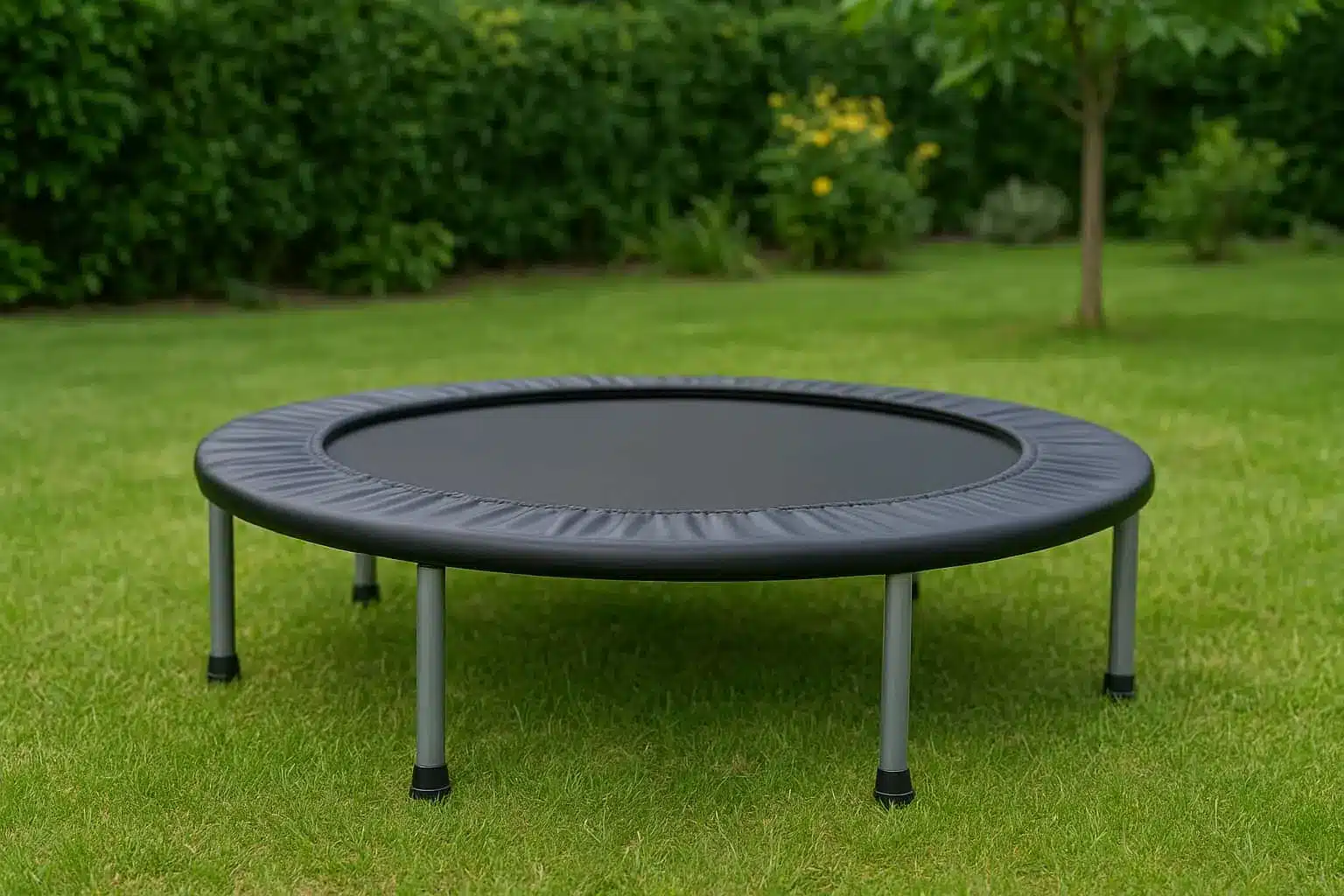
Rebounders, often known as mini trampolines, offer a different kind of workout compared with vibration plates. They are versatile tools for cardio, balance, and coordination. The following sections highlight the primary advantages of rebounders and why they have become a favorite in many home gyms.
Aerobic Conditioning and Endurance
Rebounders provide an excellent cardiovascular workout by encouraging continuous movement. Bouncing on a trampoline elevates your heart rate and increases oxygen consumption, leading to improved endurance over time. The soft surface absorbs impact, reducing stress on joints while still providing a challenging cardio session. This makes rebounders a suitable alternative for those who enjoy running or cycling but want a lower‑impact option. Adding high‑knee runs or fast jumps can amplify the cardio effect.
Lymphatic Stimulation and Immune Support
Bouncing on a rebounder can stimulate lymphatic circulation. The lymphatic system relies on muscle movement to pump fluid throughout the body; rebounding causes repeated changes in gravitational force that encourage lymph flow. This may help remove metabolic waste and support immune function. I often feel refreshed after a session because the gentle bouncing seems to wake up my entire body. While research is still evolving, many users report feeling less sluggish and more energetic after regular rebounding.
Balance, Coordination, and Core Stability
Jumping on a rebounder requires coordination and core engagement to maintain control. Each bounce challenges your sense of balance, which can improve proprioception and coordination over time. Whether you are performing simple health bounces or more complex movements like side‑to‑side jumps, your core muscles work to keep you upright. This makes rebounders particularly useful for developing agility and neuromuscular control.
Calorie Burn and Weight Management
Like vibration plates, rebounders support weight management by increasing calorie expenditure. However, the dynamic movements on a rebounder can burn more calories per session compared with vibration plate workouts. Jumping jacks, sprint drills, and other high‑energy exercises elevate your heart rate and engage multiple muscle groups simultaneously. If weight loss is a primary goal, a rebounder can be an enjoyable way to increase activity without placing excessive stress on your joints.
Mental Well‑Being and Stress Relief
There is something playful about bouncing on a mini trampoline that makes it feel less like exercise and more like child‑like fun. This can reduce stress and improve mental well‑being. The rhythmic motion and endorphin release during a rebounder session can boost mood and provide a sense of accomplishment. In my experience, ten to fifteen minutes of rebounding can elevate my mood and clear my mind, making it a useful tool for stress management.
Drawbacks of Rebounders
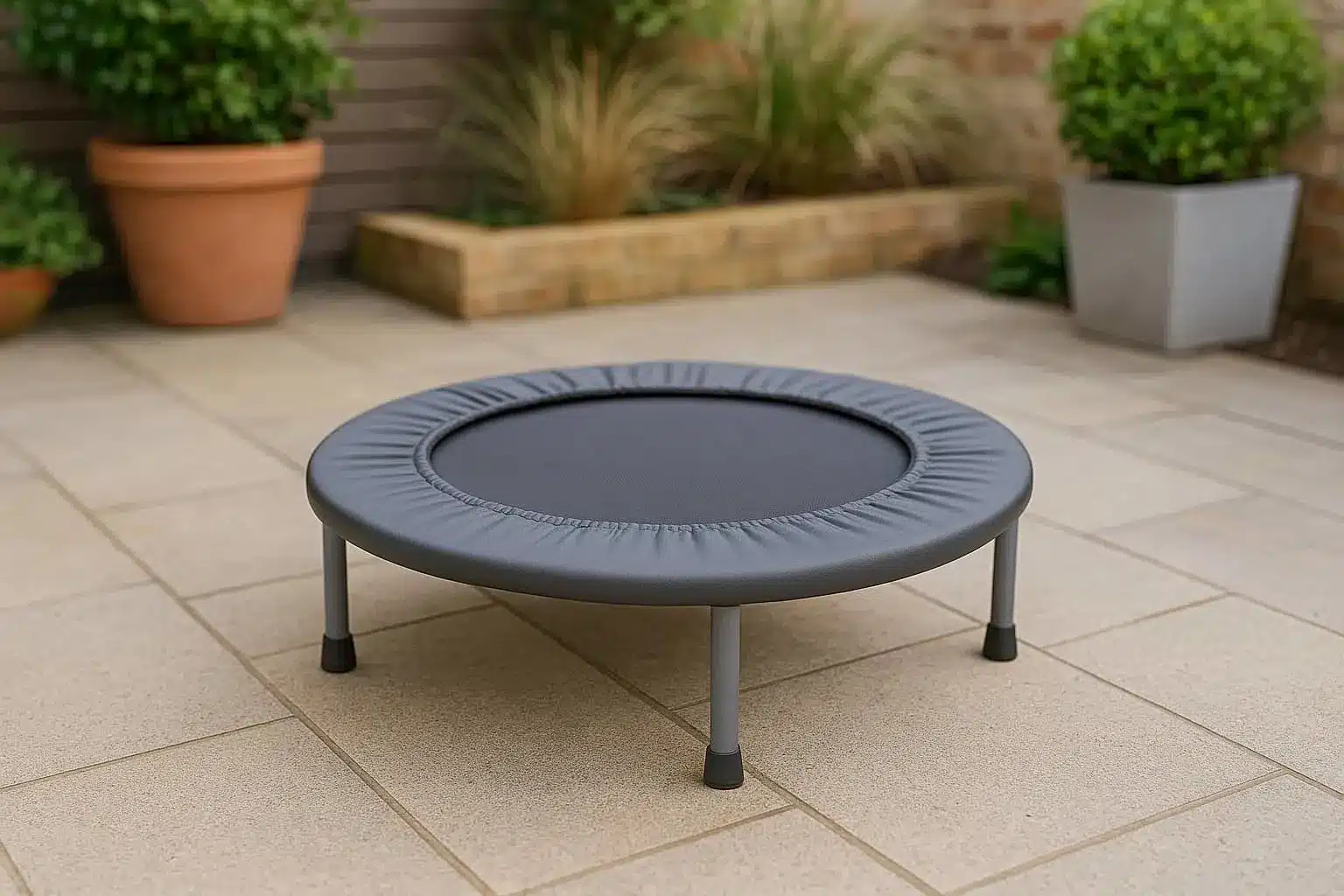
Despite their many benefits, rebounders also have some limitations and potential challenges. Understanding these drawbacks will help you make an informed choice between a vibration plate vs rebounder.
Less Targeted Muscle Activation
Rebounders are excellent for general fitness and cardio but do not provide the same focused muscle engagement as vibration plates. When bouncing, your body moves as a unit, which can make it difficult to isolate specific muscles for strength training. While you can incorporate weights or resistance bands to add variety, the primary emphasis remains on cardiovascular endurance and full‑body movement.
Space and Stability Concerns
Although rebounders are compact, they still require more floor space than a vibration plate. You also need a ceiling height that allows you to jump without hitting overhead objects. If you live in a small apartment with low ceilings, you may find it challenging to use a rebounder safely. The dynamic nature of bouncing also introduces a risk of losing balance if you are not focused.
It is important to start slowly and keep your eyes on a fixed point until you feel secure.
Impact on Certain Health Conditions
While rebounders are low‑impact compared with concrete running surfaces, they still involve repeated jumping. Individuals with certain health conditions, such as severe joint issues, spinal problems, or balance disorders, should consult a healthcare professional before starting. Bouncing might exacerbate preexisting issues or pose a risk of falls.
In such cases, a vibration plate may be a safer alternative due to its controlled nature. Our article on the best vibration plate for plantar fasciitis highlights how vibration plates can be used to gently stimulate the feet and calves without high impact.
Learning Curve and Coordination
If you have never used a trampoline before, it can take time to develop the coordination needed to bounce with confidence. Beginners might find themselves struggling to stay centered on the mat or to control their movements. It is common to start with small bounces and gradually increase height and complexity.
Although learning is part of the fun, be prepared for a few missteps as you build your skills.
Durability and Quality Differences
Durability is one of the biggest differences you’ll notice when comparing rebounders. Budget models tend to be made with thinner steel, cheaper mats, and lower-grade hardware. While they might look similar to higher-end options, the frame can loosen over time, the legs may wobble, and the mat can lose tension after repeated use. These issues not only reduce performance but can also make the rebounder feel unstable, especially during more energetic workouts. After all, you will be jumping on it, right?
Many inexpensive models also have lower weight capacities, which limits who can use them safely. Over time, these weaknesses cause the bounce to feel stiff, uneven, or shallow, turning what should be a smooth workout into something uncomfortable and potentially risky.
In contrast, high-quality rebounders are built with thicker steel frames and high-tension mats engineered to withstand thousands of jumps. They maintain their shape, stay quiet, and offer a more responsive bounce even after years of use. A well-constructed frame also provides better stability, making it safer for people with balance concerns or for beginners. Paying more upfront usually means a product that lasts significantly longer and performs more consistently.
Another important feature to look for is the bouncing mechanism. Many premium rebounders use bungee cords instead of metal springs. Bungees deliver a smoother, quieter, and more elastic bounce, which reduces impact on joints. This makes them a great choice for people with knee, hip, or back sensitivities. They also eliminate the loud metal-on-metal noise that spring rebounders are known for, making indoor workouts more pleasant.
While quality models cost more, they provide better durability, comfort, and safety. If you plan to use your rebounder regularly, investing in a strong frame, high-quality mat, and bungee-based system can make a noticeable difference in performance and longevity.
Recommended Rebounder Workouts
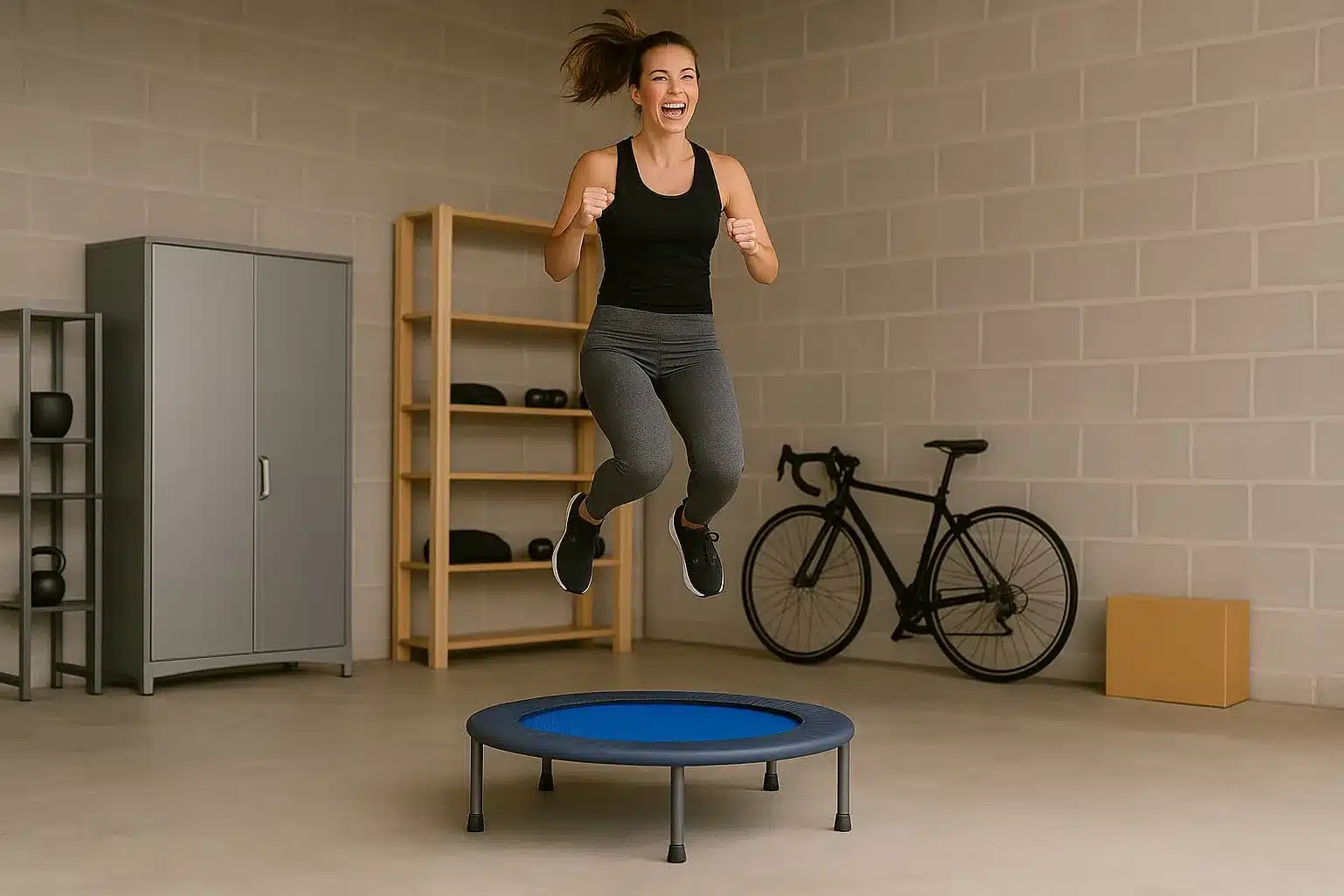
To make the most of your rebounder, incorporate a mix of cardio, balance, and strength exercises. Here are some workouts I use regularly. Remember to warm up with light bounces for a minute or two and cool down with stretching after your session.
Health Bounce: Start by gently bending your knees and bouncing without leaving the mat. Keep your heels on the surface while allowing your body to move up and down. This movement warms up the legs, stimulates circulation, and prepares you for more intense exercises.
Jogging in Place: Lift your knees slightly higher as you move at a jogging pace on the rebounder. Swing your arms naturally and maintain an upright posture. This exercise raises your heart rate and strengthens your legs.
Jumping Jacks: Perform traditional jumping jacks while bouncing. Spread your legs wider and lift your arms above your head as you jump. The rebounder reduces the impact on your joints and adds an element of stability challenge.
Squat Jumps: Begin with feet shoulder‑width apart on the mat. Lower into a squat and then jump upward, allowing the rebounder to propel you slightly. Land softly and repeat. This exercise targets your glutes, quads, and calves while engaging your core for balance.
Twists and Core Moves: Stand with your feet close together. Twist your hips to the right while rotating your arms to the left, then reverse. This movement engages your obliques and improves coordination. You can also perform seated core exercises by sitting on the rebounder, leaning back slightly, and lifting your legs while balancing.
These workouts can be combined into a fifteen to twenty minute routine. Adjust the intensity by increasing the speed or height of your jumps. Listen to your body and take breaks as needed.
My Recommended Top 3 Rebounders: Reviewed & Rated
Comparing Vibration Plates and Rebounders for Fitness Goals
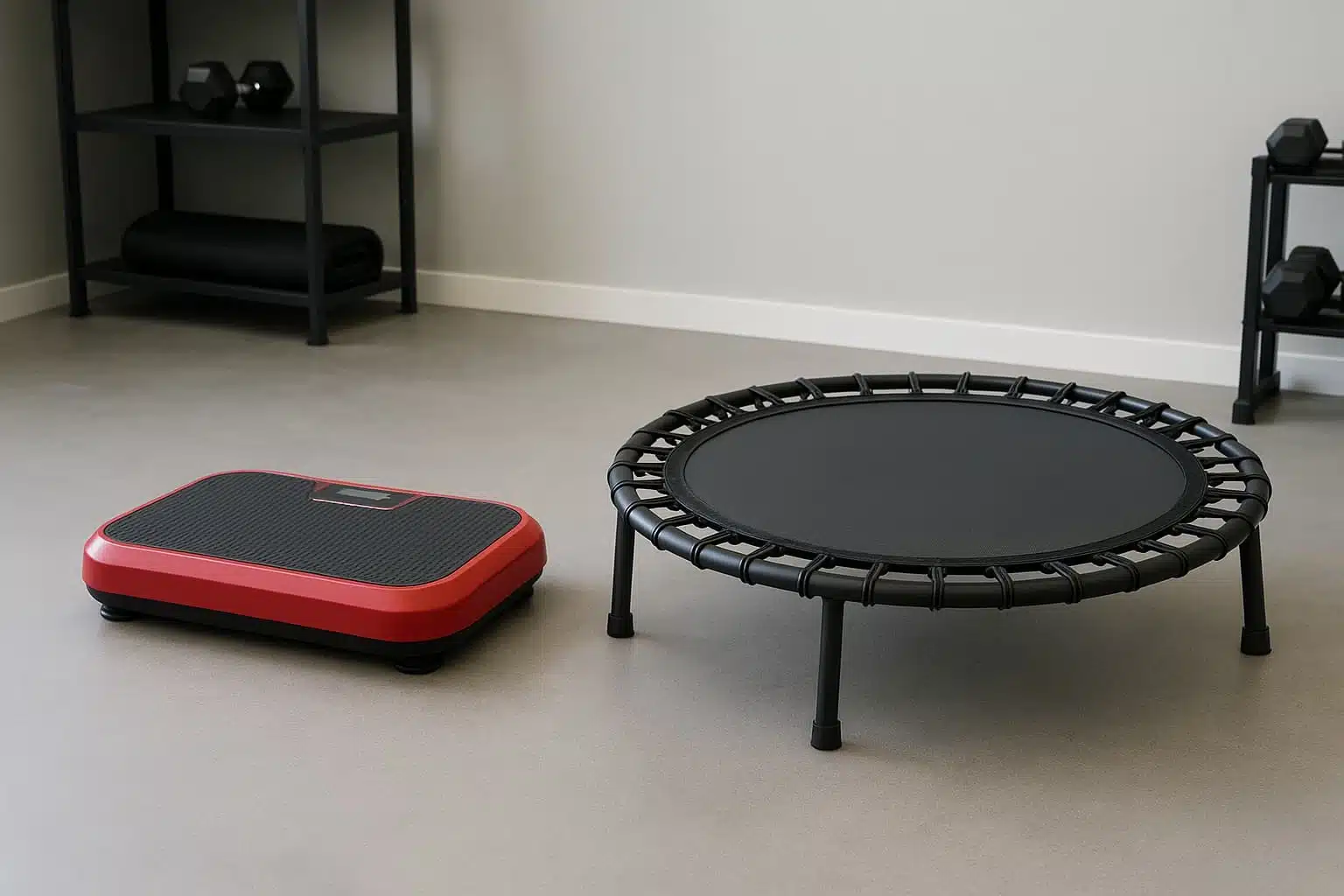
Now that we have examined the benefits and drawbacks of each device separately, let us compare them in the context of different fitness goals. This section will help you understand when a vibration plate vs rebounder makes the most sense.
Weight Loss and Metabolic Health
If your primary goal is weight loss, you may wonder which device offers a more effective calorie burn. Rebounders provide a higher cardiovascular challenge than vibration plates because they involve continuous movement. Jumping, jogging, and sprinting on a rebounder can elevate your heart rate and burn more calories in a shorter period. Vibration plates contribute to weight management by boosting muscle activity and adding intensity to bodyweight exercises, but they are not as aerobic on their own. For comprehensive weight loss, combining both devices might be ideal: use a rebounder for cardio sessions and a vibration plate for strength‑focused workouts.
If you are also considering other equipment, such as treadmills, you might have seen comparisons like treadmill vs vibration plate or vibration plate vs treadmill. Our site offers separate guides that discuss how treadmills stack up in terms of calorie burn and joint impact, so you can explore those options too.
Strength and Muscle Development
Vibration plates are better suited for targeted strength work. The rapid contractions stimulated by the platform help engage deep stabilizing muscles and can support improvements in strength over time. Rebounders provide some muscle activation, particularly in the lower body and core, but the focus remains on endurance and coordination.
If you want to build muscle, incorporate exercises like squats, lunges, push‑ups, and planks on a vibration plate. For general fitness and agility, bounce routines on a rebounder are an enjoyable addition.
Joint Health and Low‑Impact Training
Both vibration plates and rebounders are low‑impact compared with running on hard surfaces. However, their effect on joints differs. Vibration plates involve minimal movement, so there is little to no repetitive impact. This makes them suitable for people with joint issues, arthritis, or conditions like plantar fasciitis.
Rebounders are gentle compared with jogging outdoors, but they still involve jumping and require good balance. If you have sensitive joints or are in rehabilitation, a vibration plate may be safer. For active individuals looking to keep pressure off their knees and ankles while still getting cardio, a rebounder offers a compromise.
Space, Budget, and Convenience
Choosing between a vibration plate vs rebounder also depends on practical considerations. Vibration plates are compact and can fit into small spaces. They require a stable, flat surface and often come with handles or straps to assist with balance.
Rebounders are larger and need more overhead clearance, as you will be jumping. If you live in a small apartment, the size of a rebounder may pose a challenge. When it comes to cost, both devices span a wide range.
High‑quality rebounders and vibration plates can be pricey, but budget‑friendly options exist. Investing in a well‑built machine is advisable for safety and longevity.
Enjoyment, Motivation, and Variety
Finally, consider which device you enjoy more. Consistency is key to any fitness program; you are more likely to stick with an activity you find fun. Rebounders provide a playful, dynamic experience reminiscent of childhood trampoline sessions.
If you crave movement and variety, bouncing might keep you motivated. Vibration plates feel more meditative, focusing on body awareness and subtle muscle engagement. They are less exciting but can complement other workouts effectively.
Depending on your mood, you might switch between devices to maintain interest. This variety can also help you avoid plateaus and overuse injuries.
Selecting the Right Equipment for Your Needs
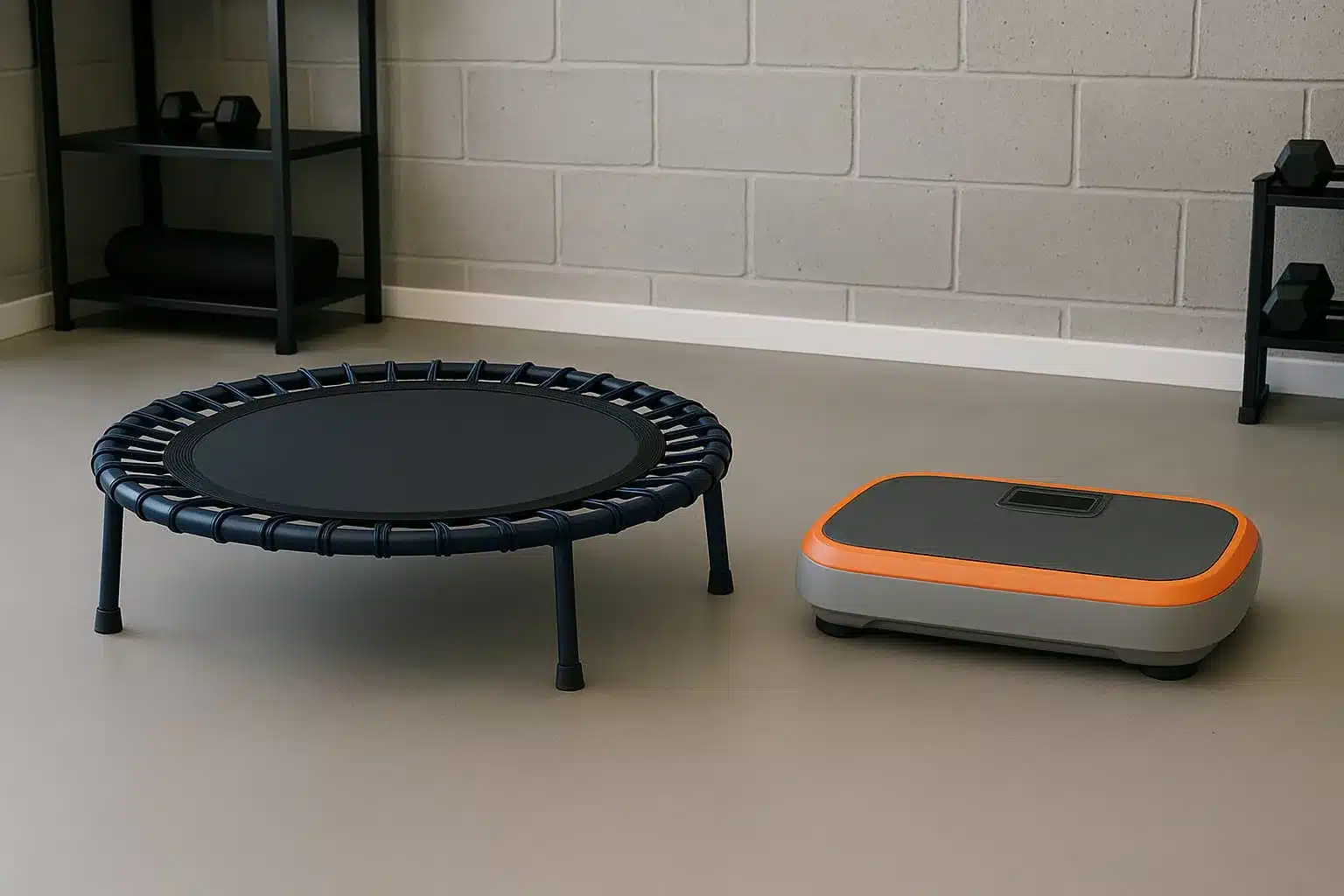
Deciding between a vibration plate vs rebounder ultimately comes down to your specific goals, preferences, and circumstances. Below are some factors to consider when making your decision. Remember that you do not have to choose just one; many people, including me, enjoy using both devices at different times.
Assess Your Fitness Goals
Think about what you want to achieve. If you are looking to build strength, improve balance, or support bone health, a vibration plate might be more suitable. If you want a fun way to get your heart rate up and enhance coordination, a rebounder may be the better option.
You can also use one device primarily and the other as a supplementary tool. For example, you might use a vibration plate three times a week for strength and recovery and a rebounder twice a week for cardio and coordination.
Consider Your Health and Physical Condition
If you have specific medical considerations, consult with a health professional. People with pacemakers or certain implants may need to avoid vibration plates. Those with severe balance issues might want to start on a vibration plate before progressing to a rebounder.
If you are dealing with a condition like plantar fasciitis or neuropathy, our article on best vibration plate for neuropathy explains how gentle vibrations can improve circulation without causing pain.
Evaluate Space and Storage
Measure your workout area and think about how you will store the equipment. Vibration plates are generally more compact and can be tucked away under a desk or in a closet. Rebounders are lightweight and often foldable, but they still have a larger footprint. Ensure you have enough headroom and space to move around the rebounder safely.
Budget and Quality
Set a budget and compare different models. Avoid very cheap equipment that may break quickly or provide inconsistent performance. Look for features like adjustable frequency or resistance levels, robust construction, and good customer reviews.
For rebounders, research the type of suspension system (springs versus bungee cords) and weight capacity to ensure durability and safety.
Variety and Long‑Term Use
Think about how you will use the equipment over the long term. Variety keeps workouts interesting, so you might choose a device that offers multiple exercise possibilities. Some vibration plates include resistance bands or built‑in programs for additional variety.
Rebounders can be paired with free weights or bodyweight exercises to increase complexity. If you can afford and store both devices, alternating between them can help you stay motivated and avoid overuse of the same muscles.
Final Thoughts on Vibration Plates and Rebounders
Choosing between a vibration plate and a rebounder is a personal decision that depends on your goals, physical condition, and lifestyle. Both devices offer low‑impact exercise options that can improve strength, balance, and overall well‑being. Vibration plates emphasize muscle activation, stability, and gentle recovery, making them great for those with joint concerns or those seeking a meditative workout.
Rebounders provide a fun and effective cardio session with additional benefits for lymphatic circulation and coordination.
If you want a well‑rounded fitness program, consider incorporating both devices. Use the vibration plate on days when you focus on strength training or recovery, and bring out the rebounder when you crave a heart‑pumping cardio session.
My personal experience with both devices has taught me that variety keeps fitness enjoyable and sustainable. Whether you choose one machine or both, the key is to stay consistent and listen to your body’s signals.
Over time, you will discover which tool brings you the most satisfaction and results.
FAQs
What are the differences between a vibration plate and a rebounder?
The main differences between a vibration plate and a rebounder lie in how they operate and the type of workout they provide. A vibration plate uses mechanical vibrations to stimulate muscle contractions while you perform static or slow movements. A rebounder is a mini trampoline that allows you to jump and bounce for a cardio‑focused workout. Vibration plates are better for targeted strength and stability, while rebounders excel in aerobic conditioning and coordination. Choosing one depends on your fitness goals and preferences.
How long should a beginner use a vibration plate or a rebounder?
For beginners, start with sessions of five to ten minutes on a vibration plate or rebounder and gradually increase duration as your body adapts. The first few sessions should focus on learning proper form and balance. As you become more comfortable, you can extend sessions to fifteen or twenty minutes. Always listen to your body and take breaks if you feel fatigued or off balance.
Can I use both a vibration plate and a rebounder in my routine?
Yes, you can use both a vibration plate and a rebounder in your routine. Combining the two devices allows you to enjoy the muscle activation and stability benefits of a vibration plate alongside the cardio and coordination advantages of a rebounder. Alternate between them on different days or integrate shorter sessions of each into a single workout for variety.
Which device is better for weight loss, a vibration plate or a rebounder?
A rebounder generally offers a higher calorie burn per session than a vibration plate because jumping elevates your heart rate and engages large muscle groups. However, a vibration plate contributes to weight loss by increasing muscle activity and can be an effective complement to other forms of exercise.
What are some safety tips for using a vibration plate and a rebounder?
Safety tips for using a vibration plate include starting at low frequencies, maintaining proper posture with knees slightly bent, and limiting sessions to short durations until you adapt. For rebounders, ensure the frame is stable, keep the mat clear, and start with small bounces to develop coordination.