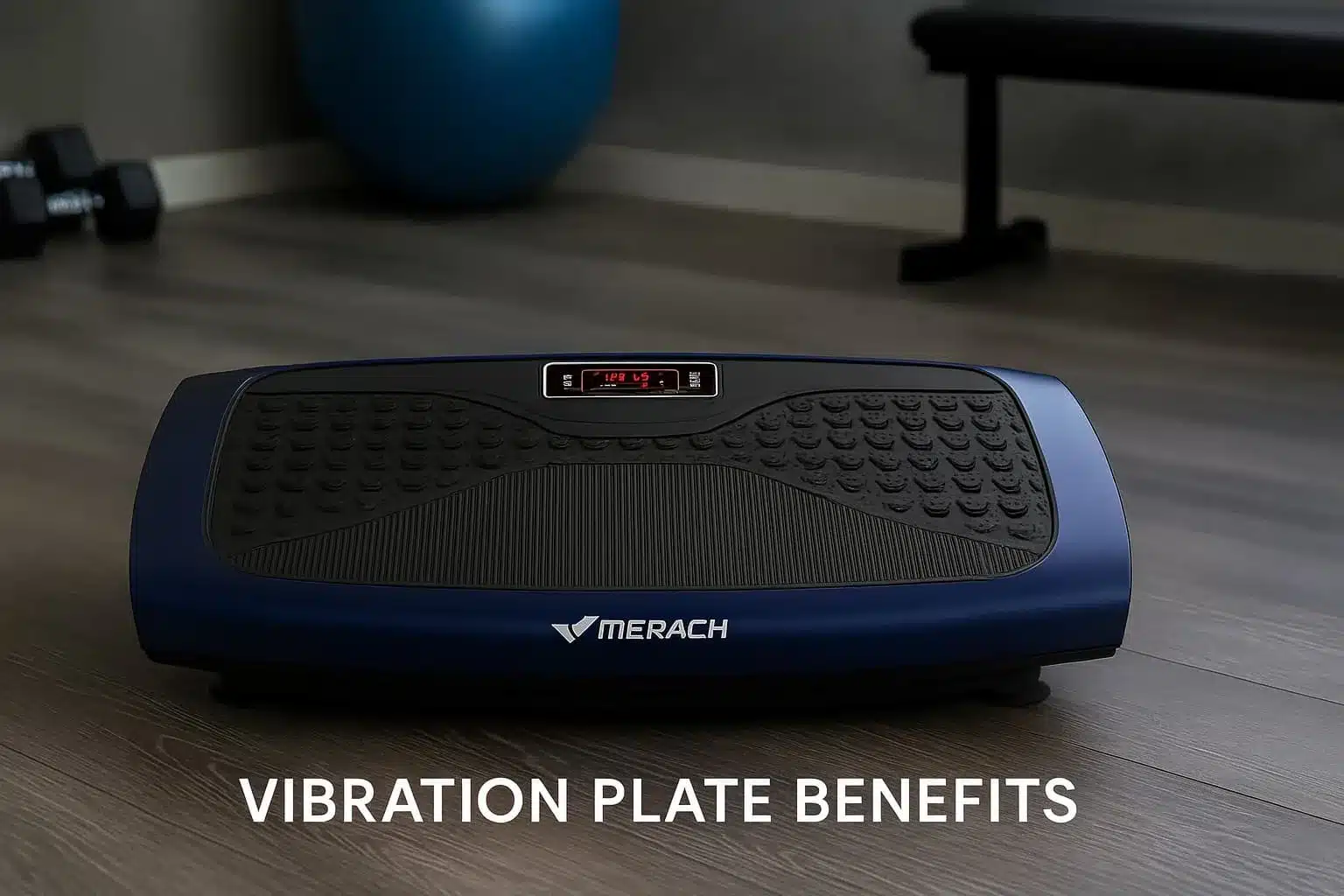
This article unpacks the science and practical considerations behind vibration plate vs foot massager for neuropathy so you can make an informed decision. I’ll explain what each device does, discuss their benefits for neuropathy and related conditions, and share my own experiences using these tools at home. While you read, keep in mind that both of these devices complement medical treatment and shouldn’t replace professional advice.

About the author: Hello! I’m Vladimir Stanar, professor of physical education, kinesiotherapist, marathon runner, cyclist, and cycling coach, and long-time advocate of health, fitness, and active living.
My journey with vibration plates runs parallel to my professional career in education, sports medicine, and athletic development. Over time, I’ve come to see vibration plates as one of the most versatile tools for enhancing health, recovery, and performance.
✅ Expert-Reviewed by: Vanja Vukas, MPhEd
📚 Expert Contributor: Milutin Tucakov, MPhEd
Affiliate Disclosure: Vibration Plate Zone is a proud participant in the Amazon Services LLC Associates Program.
People dealing with nerve pain in their feet often seek tools that bring relief without invasive procedures or medication. As someone who has been using whole‑body vibration platforms and different foot massagers for years, I understand how confusing it can be to choose between them.
Vibration Plate vs Foot Massager for Neuropathy: Understanding the Basics
Before diving into specifics, it helps to know how a vibration plate differs from a foot massager. A vibration plate is a platform that generates rapid oscillations or vibrations. When you stand, sit, or place your feet on it, those vibrations stimulate muscles and nerves throughout the lower body. A foot massager for neuropathy is usually a compact device that targets the feet using rollers, kneading nodes, air compression, or vibration. Both devices aim to improve circulation and reduce discomfort, but they deliver therapy in different ways.
What Is a Foot Massager?
A foot massager is a device designed to soothe tired feet. Depending on the model, it may use kneading rollers, shiatsu nodes, air compression, vibration, or heat. There are portable electric units, manual rollers you control by moving your feet, and even foot bath massagers that combine warm water with massage. When comparing what is foot massager options, look at features such as massage intensity, heat settings, and whether it covers the entire foot or only specific zones. Simpler designs use manual pressure and textured rollers, while advanced shiatsu models use multiple nodes and compression chambers to mimic the hands of a massage therapist.
What Are the Benefits of Foot Massagers?
Regular use of a foot massager offers several foot massager neuropathy benefits. Massagers stimulate blood flow by gently squeezing or kneading soft tissues. Better circulation delivers oxygen and nutrients to nerves and muscles, which may ease numbness and tingling. People with plantar fasciitis or arch pain often notice less stiffness and better flexibility after sessions.
For neuropathy, massagers provide sensory input that can retrain nerve pathways. In my experience, using a massager at the end of the day relaxes tight muscles and reduces swelling. Benefits vary depending on the type of device. Shiatsu models combine deep kneading with heat; air‑compression types provide rhythmic squeezing that relaxes calves and ankles; and manual rollers give you control over pressure and speed.
Does a Foot Massager Help Neuropathy?
Many people ask, does foot massager help neuropathy? Research suggests that massage therapy can reduce pain and improve sensation in people with peripheral neuropathy.
In a randomized trial of Thai foot massage for diabetic patients, participants showed improved balance, range of motion, and foot sensation after just two weeks of treatment. I’ve noticed similar improvements when using a foot massager regularly: numb areas feel more alive, and my balance during workouts improves.
A neuropathy foot massager doesn’t cure the condition, but it can ease symptoms such as burning or tingling. Always start with low intensity to avoid overstimulating sensitive nerves, and consult a clinician if you have open wounds or severe circulatory problems. For the added benefits of red light therapy, check out my Lifepro VibraRed review.
How to Use a Foot Massager for Neuropathy
Knowing how to use foot massager for neuropathy ensures that you get results safely. Here are practical tips I’ve learned:
- Choose the right device: For gentle stimulation, pick a model with adjustable intensity and heat. Air‑compression massagers let you customize pressure, while rollers provide targeted kneading.
- Start slowly: If you’re new to massagers, begin with short sessions (10–15 minutes) at the lowest intensity. Let your feet adapt to the sensation. Over time, you can increase duration and pressure as comfort allows.
- Focus on daily use: Consistency matters. A foot massager for neuropathy in feet works best when you use it daily or several times per week. Short, regular sessions improve blood flow more effectively than occasional long sessions.
- Combine with raising your feet and hydration: Massaging while your feet are slightly raised and drinking plenty of water helps flush metabolic waste products that can contribute to swelling.
- Listen to your body: Stop if you experience pain, numbness, or skin changes. People with diabetes should check their feet for cuts or blisters before and after each session.
Foot Massager for Peripheral Neuropathy
Peripheral neuropathy occurs when nerves outside the brain and spinal cord are damaged. Symptoms include numbness, tingling, and weakness in the hands or feet. A foot massager for peripheral neuropathy can provide gentle stimulation that promotes nerve health. When you use a massager, the repeated pressure and motion signal your peripheral nerves, which may improve their responsiveness over time. Some devices come with heat settings that further improve circulation. Look for models labeled foot massager for foot neuropathy or foot massager for neuropathy in feet; they often feature shiatsu nodes and adjustable compression tailored for sensitive nerves.
Vibration Plates and Neuropathy
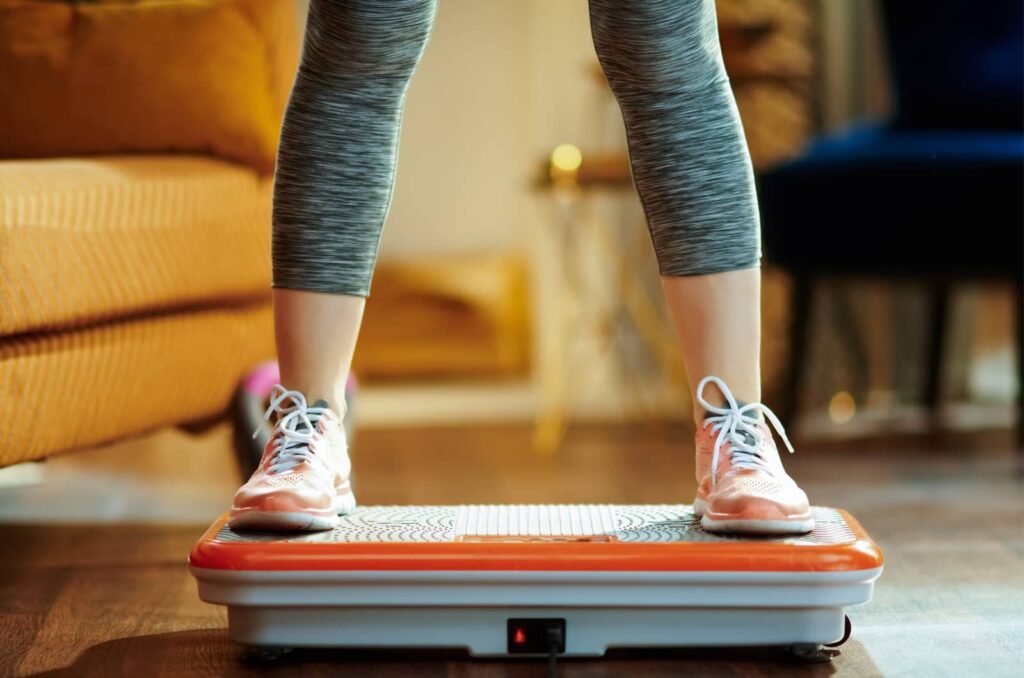
A vibration plate delivers whole‑body vibration (WBV) therapy. Standing or placing your feet on a platform vibrating at 10–40 hertz engages muscles and stimulates nerves. Studies have found that WBV can improve balance, muscle strength, and quality of life in people with diabetic peripheral neuropathy.
During sessions, I stand barefoot with knees slightly bent and feet shoulder‑width apart. I usually perform three or four 2‑ to 3‑minute bouts at a moderate vibration frequency, pausing between bouts to let muscles relax. If you’re interested in exploring different models, our best vibration plates for neuropathy roundup discusses several platforms designed for gentle yet effective stimulation.
WBV works by sending rapid vibrations through the feet and legs, triggering reflexive muscle contractions. These contractions can improve circulation and stimulate mechanoreceptors (sensory receptors that respond to mechanical pressure).
For people with neuropathy, this sensory input may improve proprioception and reduce the feeling of instability. Whole‑body vibration also increases muscle strength, which supports joints and reduces fall risk. Although research is promising, always consult a healthcare professional before beginning WBV, especially if you have cardiovascular conditions or implants.

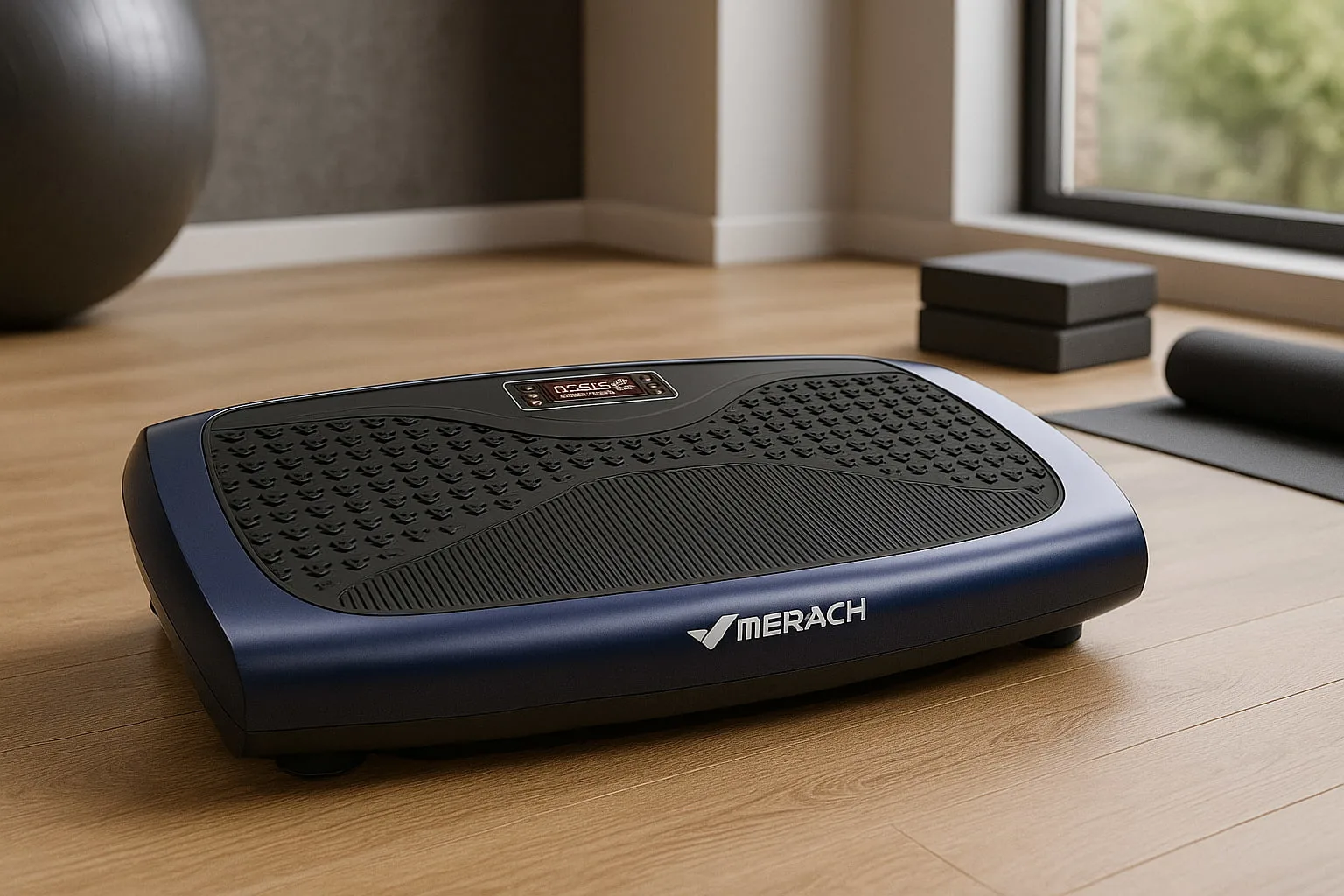
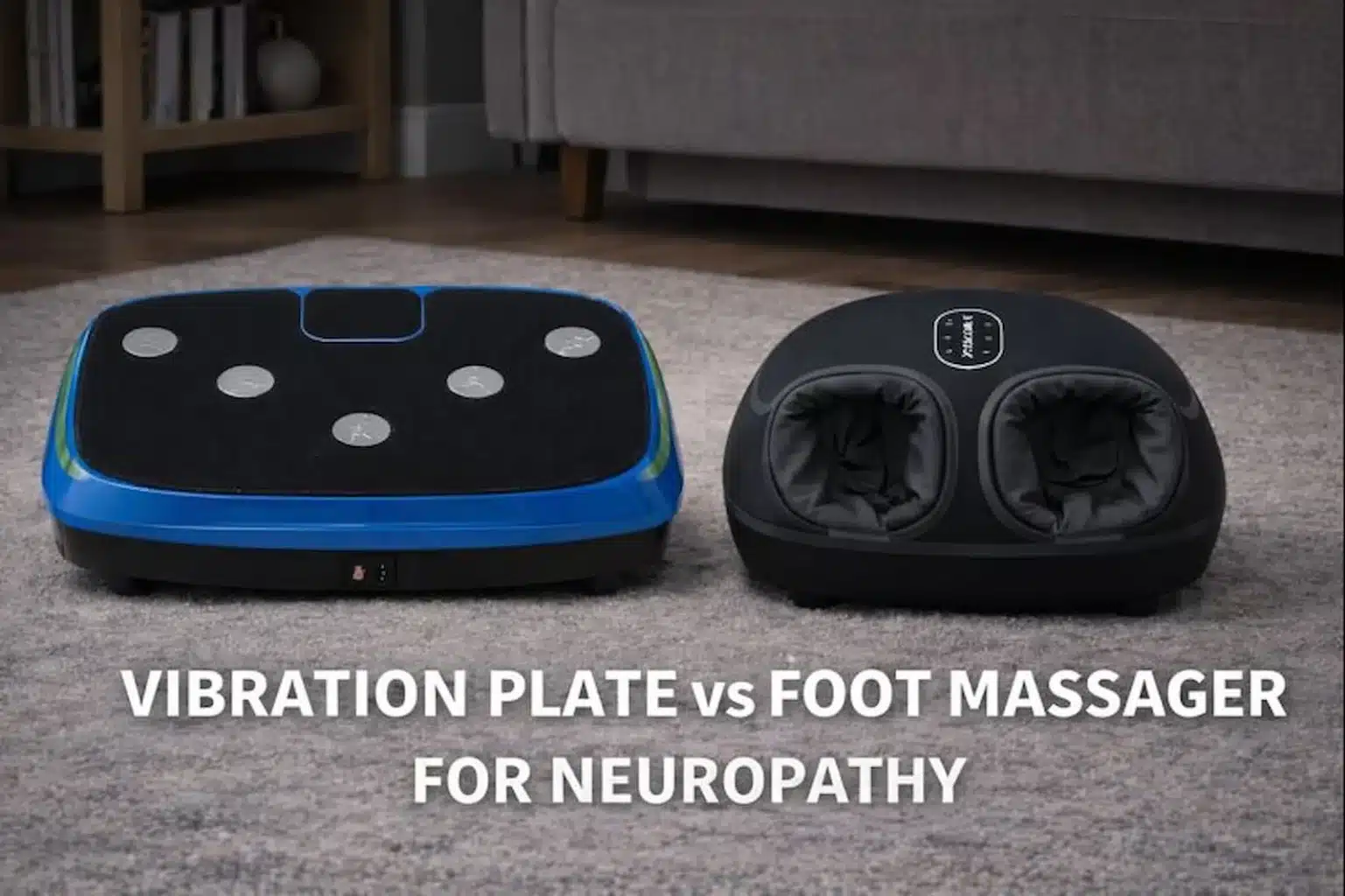
Vibration Plate vs Foot Massager: Which Should You Choose?
Choosing between a vibration plate and a foot massager depends on your goals, space, and budget. A vibration plate provides systemic benefits: it engages multiple muscle groups, improves bone density, and improves balance. It’s ideal if you want to combine neuropathy relief with general fitness. In my case, sessions on the plate complement my workouts and help with circulation throughout the lower body. If you’re interested in options for different living spaces, check out our best vibration plates for home use guide, which reviews compact, quiet platforms.
A foot massager focuses on targeted relief. It’s smaller, typically more affordable, and easier to use while sitting. For individuals who want localized treatment without engaging the whole body, a foot massager and neuropathy combination might make more sense. When selecting a device, look for adjustable settings and features that match your sensitivity level. Our curated roundups highlight models from trusted brands that also offer foot‑focused features.
Cost and Convenience
- Vibration plates: Prices vary widely, but high‑quality platforms with multiple settings can be an investment. They require floor space and may weigh 20–60 pounds. However, the best vibration plates deliver full‑body benefits and can replace several gym exercises.
- Foot massagers: Most electric foot massagers cost less than a full‑sized vibration plate. They are lightweight and portable, making them suitable for use under a desk or while watching TV. Manual rollers and spiky balls cost even less and fit into a gym bag.
Effectiveness for Neuropathy
Both devices improve circulation and stimulate nerves, but they do so differently.
A foot massager for neuropathy offers direct pressure and kneading on the soles, which can reduce pain and improve sensation.
A vibration plate stimulates muscles throughout the legs and may help with balance and strength. If you have significant muscle weakness or balance issues, the plate provides broader benefits. If your main complaint is foot pain or numbness, a targeted massager may be all you need.
To support your decision, our best vibration plates for seniors list evaluates plates designed for those with limited mobility, while the best vibration plates for lymphatic drainage roundup focuses on gentle models that aid fluid drainage.
Both devices improve circulation and stimulate nerves, but they do so differently. A foot massager for neuropathy offers direct pressure and kneading on the soles, which can reduce pain and improve sensation. A vibration plate stimulates muscles throughout the legs and may help with balance and strength.
If you have significant muscle weakness or balance issues, the plate provides broader benefits. If your main complaint is foot pain or numbness, a targeted massager may be all you need.
When comparing options, consider whether you need features like gentle modes for older adults or settings that aid fluid drainage, as some platforms are designed for specific groups such as seniors or individuals with lymphedema.
Best Foot Massager for Neuropathy
With so many options, finding the best foot massager for neuropathy requires considering your specific needs. Look for models with adjustable intensity, heat, and a design that accommodates your foot size. Shiatsu massagers with air compression offer a spa‑like experience and deep kneading, while manual rollers provide control and portability.
Air‑compression boots can massage both feet and calves simultaneously, which may be beneficial if swelling extends up the legs. Devices like the Renpho Shiatsu Foot Massager and the Nekteck Shiatsu Foot Massager Machine consistently receive high marks for their blend of features and value.
Some users ask, does foot massager work for neuropathy? The answer depends on consistency and proper use. A high‑quality neuropathy foot massager that combines heat, compression, and rolling can significantly reduce discomfort. In my routine, 15‑minute sessions once or twice a day noticeably reduce tingling and help my feet feel warmer. If you prefer a completely hands‑free experience, choose a model with automatic programs and a remote control.
My Recommended Top 3 Best-Buys: Reviewed & Rated
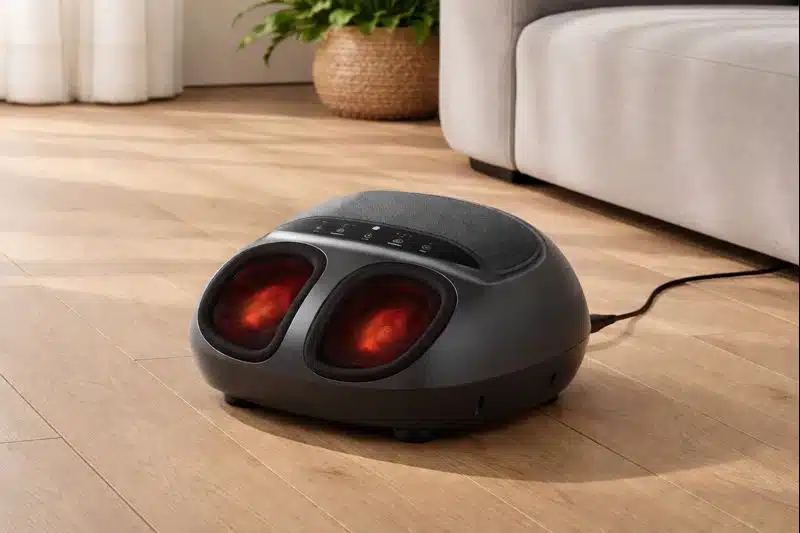
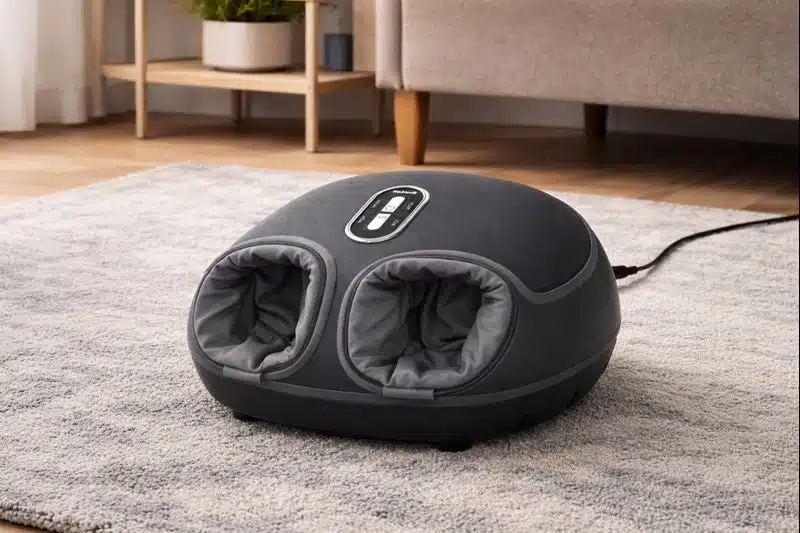
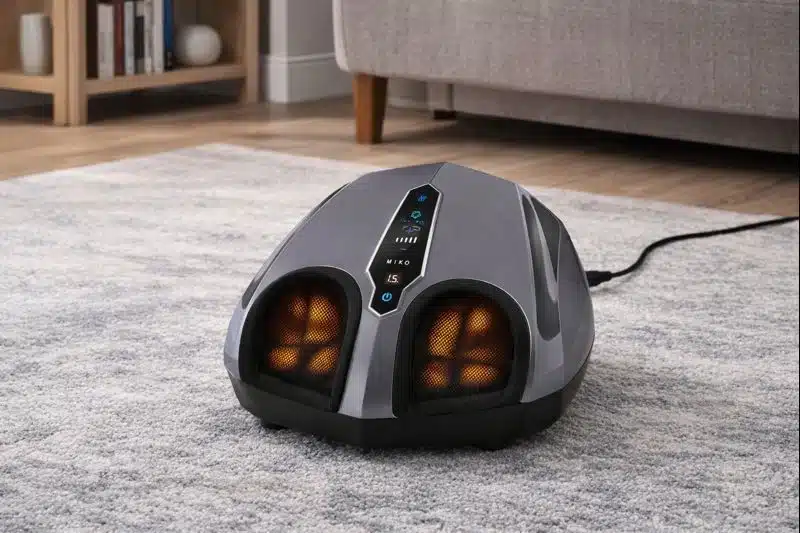
Combining Vibration Plates and Foot Massagers
You don’t have to choose one over the other. Using a vibration plate and a foot massager for peripheral neuropathy together can create a well‑rounded routine. Start with WBV to awaken muscles and improve circulation, then follow up with a foot massager to target specific pressure points. On rest days, a manual roller or spiky ball can deliver quick relief without straining muscles. Always monitor how your body responds, and adjust duration or frequency as needed.
Treatment for Peripheral Neuropathy
Massage tools can complement but do not replace comprehensive treatment for peripheral neuropathy. If you’re experiencing persistent pain, numbness, or weakness, consult a healthcare provider to identify underlying causes such as diabetes, vitamin deficiencies, or autoimmune conditions. Medical management may include medications, physical therapy, or lifestyle changes.
A neuropathy treatment plan might incorporate exercise, nutritional adjustments, and stress management. Tools like vibration plates and foot massagers act as supportive therapies that improve circulation, reduce stress, and improve your sense of well‑being.
My Experience and Product Recommendations
As an avid fitness enthusiast with a history of nerve pain, I’ve tried numerous devices to find relief. Vibration plates have helped me regain balance after long periods of sitting, and foot massagers have soothed my feet after tough workouts.
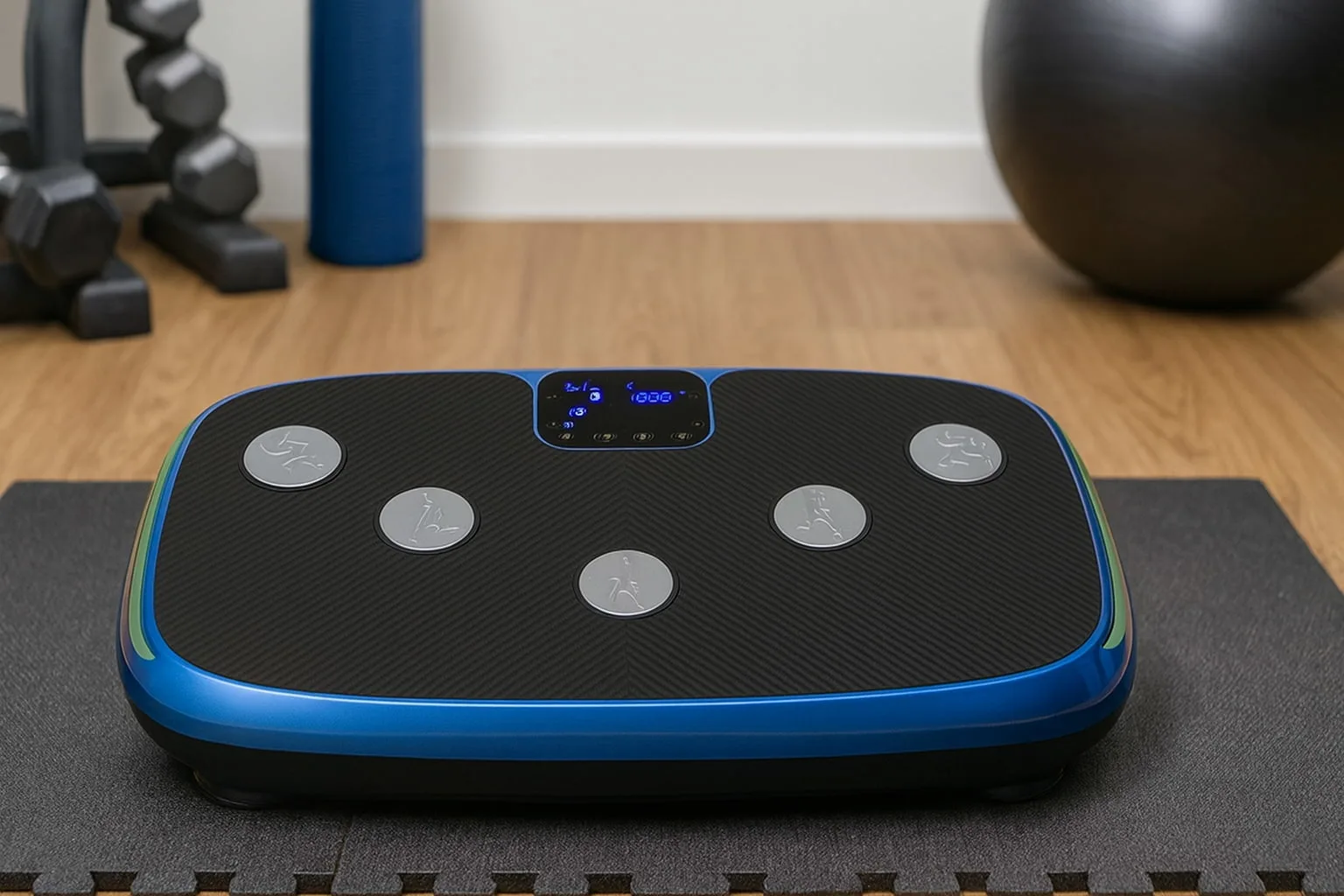
One device that stands out is the Power Plate MOVE, a premium whole‑body vibration platform. It offers multiple frequency settings, a sturdy build, and easy portability. I often recommend it to friends seeking a reliable vibration plate for home use. If you’re curious about its features, read our detailed Power Plate MOVE review, where we break down performance and value. Pairing the MOVE with a shiatsu foot massager provides comprehensive relief that supports an active lifestyle.
Understanding Peripheral Neuropathy
Peripheral neuropathy refers to damage or dysfunction of the nerves that carry messages between the brain, spinal cord, and the rest of the body. When these nerves are injured, signals can misfire or stop altogether. Causes include long‑term high blood sugar (diabetes), autoimmune conditions, vitamin deficiencies, exposure to toxins, and physical trauma.
In the feet, this damage often presents as burning, tingling, numbness, or weakness. You may notice that your toes feel like they are “asleep,” or you might have difficulty balancing on uneven surfaces. I’m not a doctor, but managing my own symptoms has taught me that early detection and consistent self‑care make a big difference. I
f you’re asking can foot massager help neuropathy, keep in mind massage tools can relieve discomfort but won’t cure underlying nerve damage. Always speak with a healthcare professional if your symptoms change suddenly or worsen.
Understanding why neuropathy occurs helps you choose the right tools. Damage to sensory nerves reduces feedback from the feet, leading to loss of balance and an increased risk of falls. Poor circulation can delay healing and make feet feel cold or numb.
While medication and diet can address medical causes, mechanical stimulation from a vibration plate or foot massager provides immediate input that your nervous system can interpret. These devices do not replace medical care, but they give you a sense of control over your comfort.
Pros and Cons of Vibration Plates vs Foot Massagers
Every therapy has strengths and weaknesses. Comparing the pros and cons of vibration plates and foot massagers helps you decide which device fits your lifestyle and goals. Keep in mind that you may eventually use both, as they complement each other well.
Benefits and Limitations of Vibration Plates
Vibration plates engage multiple muscle groups and can improve strength, balance, and bone health. They’re useful if you want low‑impact exercise along with neuropathy relief.
On the downside, plates take up space, can be costly, and require a stable floor.
People with pacemakers, joint replacements, pregnancy, or other health concerns should talk to a clinician before using one. They also don’t provide the same focused pressure on the soles that a massager offers.
Benefits and Limitations of Foot Massagers
Foot massagers give you portable, targeted relief. By kneading or squeezing the soles, they stimulate nerves and circulation and often include heat. They’re cheaper and easier to store than a full‑sized vibration plate.
Limitations include minimal effect on muscle strength or bone density and potential discomfort from intense pressure. Users with open wounds, severe swelling, or very sensitive skin should check with a professional before trying one.
Selecting the Right Foot Massager for Neuropathy
Selecting a foot massager starts with matching the device to your feet and habits. Electric units with kneading nodes, air compression, and heat deliver a hands‑free experience; manual rollers require you to move your feet and give you control over pressure.
Look for adjustable intensity and gentle settings if you have sensitive nerves, and choose a lightweight design that fits your foot size. If you’re interested in a multifunction device that combines whole‑body vibration with foot relief, our best LifePro vibration plate reviews highlight platforms from a trusted US brand..
Integrating Massage Tools into Your Routine
Using both devices together can improve relief. Start with a short session on the vibration plate to warm up your legs and improve circulation, then follow with a foot massager for targeted kneading and heat. Keep sessions brief and increase time as you adapt. Hydrate before and after, and pay attention to how your body responds. Consult your doctor if you have conditions that may limit vibration or pressure. When used regularly as part of a balanced routine with stretching and gentle exercise, these tools become valuable allies in managing nerve pain.
Final Thoughts on Neuropathy Relief Tools
Managing neuropathy requires patience, experimentation, and support from healthcare professionals. Vibration plates and foot massagers are not cures, but they offer accessible ways to stimulate circulation and soothe irritated nerves.
A vibration plate engages multiple muscles and promotes whole‑body balance and strength, while a foot massager delivers focused relief to aching soles. Each tool has unique benefits and limitations, which is why many people choose to use both. Based on my experience, alternating between whole‑body vibration and targeted massage keeps my feet comfortable and my legs strong.
When deciding which device to purchase, consider your lifestyle, space, and specific symptoms. If you need full‑body engagement and have room for a platform, a vibration plate may be a worthwhile investment. If you seek quick, portable relief, a foot massager could be the ideal choice. Most importantly, talk with your doctor before starting any new therapy, especially if you have diabetes, circulatory disorders, or implanted devices.
With the right combination of tools and professional guidance, you can take an active role in your neuropathy care and improve your daily comfort.
Notable Studies into Whole Body Vibration and Neuropathy (Nerve Health)
Kessler et al. (2020) — Whole Body Vibration Improves Symptoms of Diabetic Peripheral Neuropathy reported significant reductions in chronic neuropathic pain following a four-week vibration program versus sham treatment.
Johnson et al. (2014) — Effect of Whole Body Vibration on Skin Blood Flow and Nitric Oxide in Individuals with Symptoms of Diabetic Neuropathy found increased skin blood flow and nitric-oxide responses during vibration in diabetic adults.
Robinson et al. (2018) — Effects of WBV in Individuals with Diabetic Peripheral Neuropathy noted early evidence of pain relief, modest glycemic improvements, and better balance in neuropathy patients.
FAQs
Can a vibration plate help neuropathy?
A vibration plate can help neuropathy by stimulating nerves and improving circulation. It uses rapid oscillations to activate muscles and sensory receptors in your feet and legs, which may reduce numbness and improve balance over time.
Is a foot massager good for neuropathy?
Yes, a foot massager is good for neuropathy because it provides direct pressure and heat to the soles of your feet. This stimulation can improve blood flow and ease tingling or burning sensations associated with nerve damage.
How often should I use a foot massager for neuropathy?
You should use a foot massager for neuropathy daily or several times a week, depending on your comfort level. Start with 10‑minute sessions at low intensity and gradually increase the duration as your feet adapt to the massage.
Are vibration plates safe for diabetics with neuropathy?
Vibration plates are generally safe for diabetics with neuropathy if used correctly. Always consult your doctor, start at the lowest frequency, and limit sessions to short durations to prevent overstimulation or balance issues.
What is the best foot massager for neuropathy?
The best foot massager for neuropathy is Renpho Shiatsu Foot Massager because it offers adjustable intensity, heat, and a comfortable fit. Many people find Shiatsu models with air compression to be the most effective because they combine deep kneading with soothing warmth.