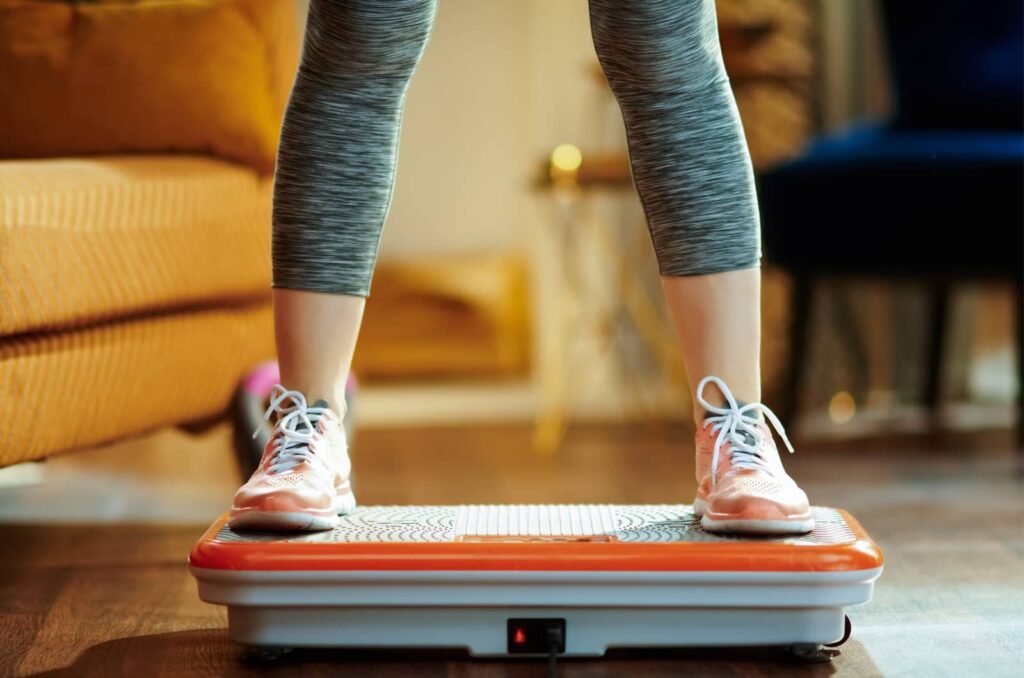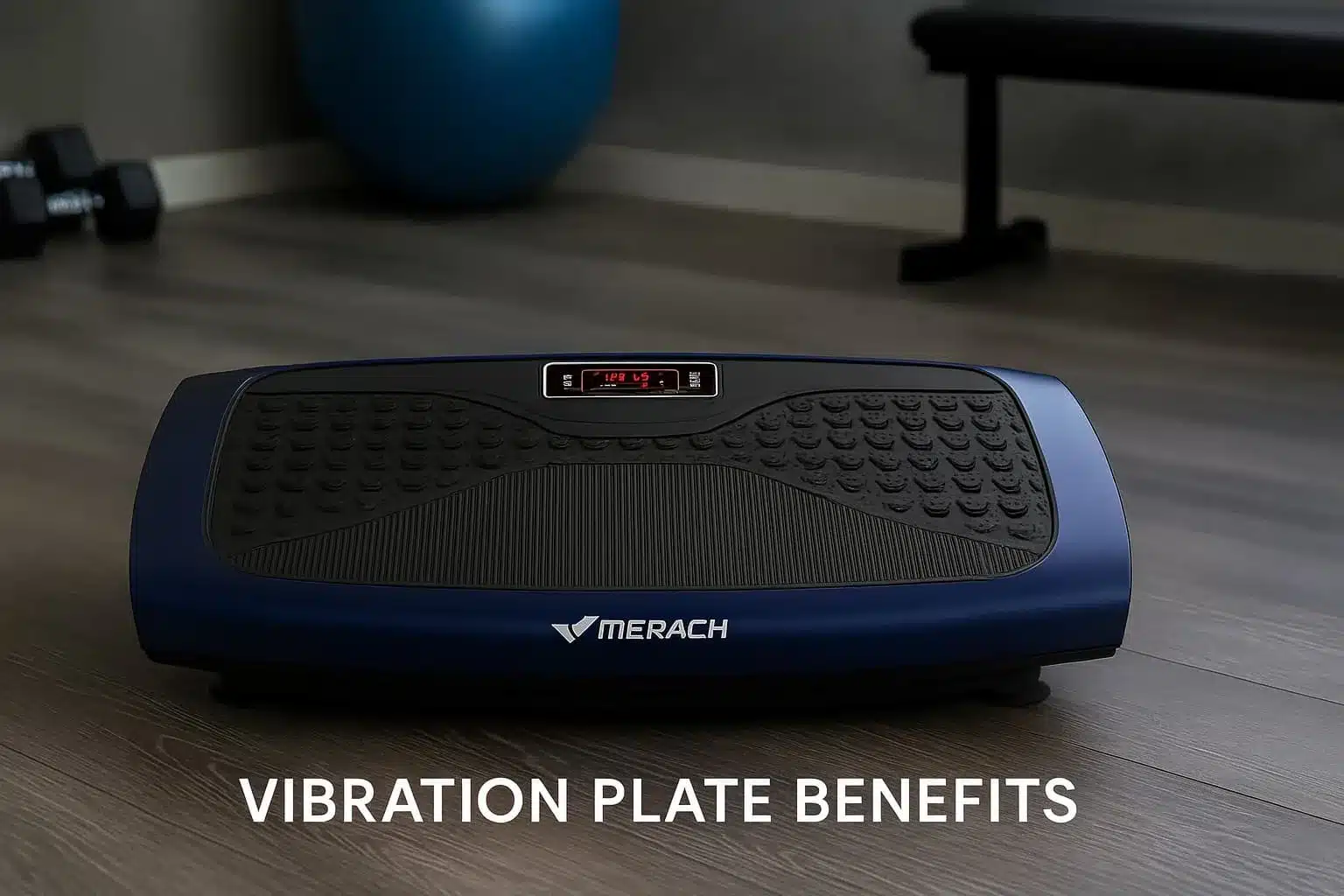
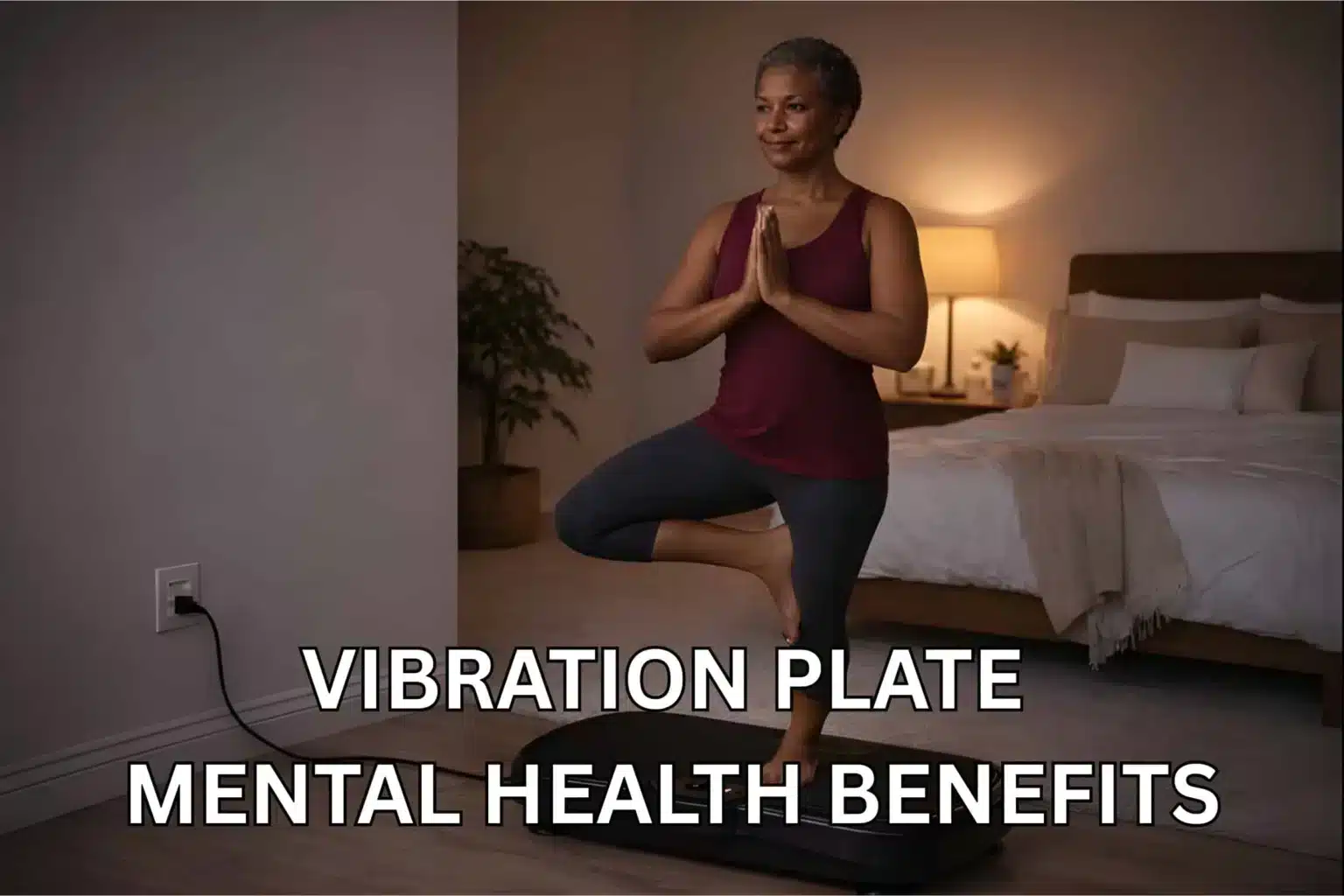
In recent years, whole‑body vibration (WBV) therapy has moved from specialised sports clinics into mainstream wellness centres and home gyms. The technique involves standing, sitting, or lying on a vibration plate that oscillates at specific frequencies. These vibrations create rapid muscle contractions and relaxations, engaging the neuromuscular system and eliciting physiological responses throughout the body. Whole-body vibration is frequently used to improve strength, balance, bone density, circulation, and flexibility. Less well-known are vibration plate mental health benefits.

About the author: Hello! I’m Vladimir Stanar, professor of physical education, kinesiotherapist, marathon runner, cyclist, and cycling coach, and long-time advocate of health, fitness, and active living.
My journey with vibration plates runs parallel to my professional career in education, sports medicine, and athletic development. I’ve developed a unique process for testing vibration plates as they are some of the most versatile tools for enhancing health, recovery, and performance.
✅ Expert-Reviewed by: Vanja Vukas, MPhEd
📚 Expert Contributor: Milutin Tucakov, MPhEd
Mental health and the body: why physical interventions matter
Mental health cannot be separated from physical well-being. Chronic stress, anxiety, depression and cognitive decline often coincide with physiological changes such as dysregulated stress hormones, neuroinflammation, reduced blood flow and impaired sleep.
Exercise is widely recommended for mental health because it induces neurochemical and cardiovascular changes that support brain function, reduces inflammatory markers and promotes mood‑enhancing hormones.
Many people, however, cannot perform vigorous exercise due to age, chronic illness or mobility limitations. WBV offers a passive or low‑effort alternative for eliciting some of these physiological benefits. Preclinical studies indicate that WBV can modulate neurotransmitters and neurotrophic factors and reduce neuroinflammation. Clinical evidence hints at improvements in mood, cognition and sleep quality.
Understanding how and for whom vibration plate workouts might support mental health requires examining underlying mechanisms and reviewing available data.
How vibration plates influence mental health: physiological mechanisms
1. Neuromuscular and sensory stimulation
Vibration plates deliver low‑frequency mechanical vibrations to the body. These oscillations stimulate muscle spindles and cutaneous mechanoreceptors, triggering reflexive muscle contractions and activating both sensory and motor pathways. Studies in animals and humans show that WBV can enhance proprioceptive feedback and engage areas of the brain associated with movement and attention.
When combined with simple exercises, vibration training activates a larger percentage of muscle fibres than voluntary exercise alone. The increased neuromuscular activity is thought to improve motor performance and may contribute to cognitive and mood benefits by increasing afferent input to the central nervous system.
2. Neurotransmitter regulation and endorphin release
Vibration therapy appears to influence neurotransmitters and hormones involved in mood regulation. An article from the Indiana Center for Recovery notes that WBV may stimulate the release of endorphins (endogenous opioids associated with pleasure and relaxation).
The same article suggests that WBV can increase serotonin production and improve blood flow, potentially alleviating depressive symptoms. Although these claims come from a treatment centre rather than peer‑reviewed research, they are consistent with findings from animal studies showing that WBV increases levels of brain‑derived neurotrophic factor (BDNF), a protein that supports neuronal survival and plasticity. BDNF is often reduced in people with depression and anxiety; increasing it may partly explain antidepressant effects observed in some trials.
3. Hormonal balance and stress reduction
Cortisol is the body’s primary stress hormone. Chronically elevated cortisol contributes to anxiety, depression, sleep problems and cognitive impairment.
In a small human study, researchers measured salivary cortisol levels before and after a 10.5‑minute session of stretching exercises performed on a vibration platform (Power Plate®). They found that WBV sessions tended to reduce salivary cortisol and increase α‑amylase activity compared with the same exercises performed on a non‑vibrating platform.
Though the sample was small (ten healthy volunteers), the study suggests that WBV may modulate the autonomic nervous system, suppress sympathetic activity and promote relaxation. The Indiana Center’s article similarly states that WBV lowers cortisol levels and thereby reduces stress.
4. Neurotrophic factors and plasticity
BDNF plays a key role in mood regulation and cognitive function. A randomised controlled trial with women suffering from fibromyalgia found that six weeks of WBV training increased blood BDNF levels. Participants showed improved sleep quality, reduced depression symptoms and a better overall quality of life after the intervention.
The authors concluded that maintaining higher BDNF levels might be part of the mechanism behind these benefits. In animal models, WBV has been shown to decrease neuroinflammation by reducing microglial activation in the hippocampus. Reduced inflammation may help protect the brain against age‑related cognitive decline and mood disorders.
5. Cerebral blood flow and vascular health
Reliable vibration plates aiming at circulation increase peripheral blood flow in muscles and extremities. Enhanced circulation delivers more oxygen and nutrients to tissues and may improve cerebral blood flow. While direct measurements of brain perfusion during vibration training are limited, the small study mentioned above found that blood flow in the finger increased after WBV training. Better circulation supports neural metabolism and might contribute to cognitive benefits observed in older adults and people with dynapenia (age‑related muscle weakness). Improved vascular health is also linked to reduced risk of depression and dementia.
6. Sleep regulation
Proper sleep is critical for mental health because it consolidates memories and regulates hormones involved in mood. The Indiana Center article highlights that WBV can promote better sleep by relaxing muscles and reducing stress. A randomised controlled trial in older adults with dynapenia reported significant improvements in sleep latency and duration after three months of WBV training.
Another RCT involving fibromyalgia patients documented improvements in sleep quality alongside increased BDNF and reduced depression. Together, these findings suggest that WBV could help normalise circadian rhythms and support restorative sleep.
Evidence for the mental health benefits of vibration plates
Stress reduction and anxiety management
Stress and anxiety are among the most common mental health issues. Preliminary evidence indicates that WBV may help mitigate them through hormonal and neurological pathways.
- Reduced cortisol and autonomic modulation: The study evaluating salivary cortisol and α‑amylase levels found that a brief WBV session decreased cortisol compared with exercise on a non‑vibratory plate. The authors concluded that WBV regulates autonomic activity, suppressing sympathetic arousal and promoting relaxation.
- Self‑reported stress relief: The Indiana Center article claims that WBV calms the nervous system and lowers cortisol, helping individuals feel more relaxed. While such articles are promotional, they reflect user experiences and align with physiological findings.
Evidence specific to clinical anxiety is still limited. However, some studies hint at vibration plate benefits:
- College students: A 2022 study cited by Power Plate enrolled 30 sedentary college students into a standard exercise program or a program that included WBV. Those using quality vibration plates reported greater reductions in depression and anxiety symptoms compared with the standard group. Details of the study design are not provided, but the result suggests a potential role for WBV in stress management.
- Cognitive tests: In a clinical study, healthy young adults exposed to 30 Hz WBV for several two‑minute bouts improved their performance on the Stroop colour‑word interference test (an index of selective attention and inhibition). Although this test measures executive functions rather than anxiety per se, improvements in cognitive control could help individuals manage anxious thoughts.
Despite these promising findings, more rigorous trials with larger samples and validated anxiety scales are needed. The existing evidence mainly involves physiological measures or small preclinical models. Still, the reductions in cortisol and anxiety‑like behaviours provide a plausible rationale for integrating WBV into stress‑management programs.
Depression and mood improvement
Depression is associated with low levels of neurotransmitters (serotonin, dopamine), reduced BDNF, neuroinflammation and structural brain changes. Several lines of evidence link WBV to improvements in depressive symptoms:
- Fibromyalgia trial (WBV plus increased BDNF): The 2021 randomised controlled trial with women suffering from fibromyalgia found that six weeks of WBV increased blood BDNF levels and improved clinical symptoms, including sleep quality and depression. The authors emphasised that the intervention improved physical function and quality of life and that their data demonstrated the efficacy of WBV in maintaining BDNF levels while reducing depression and pain.
- College student study: In the 2022 study referenced earlier, the group performing exercises on a vibration plate showed greater reductions in depression symptoms compared with the group doing standard exercise. The improvement was attributed to decreased cortisol and possibly increased endorphin release.
- Mood elevation claims: The Indiana Center article states that WBV can enhance mood and overall well‑being by improving physical health and stimulating serotonin production. Although this claim is not backed by specific data, it echoes the hypothesis that vibration therapy can modulate neurochemistry.
- Increased BDNF and antidepressant mechanisms: BDNF is known to mediate the effects of antidepressant medications. The fibromyalgia trial suggests that WBV increases circulating BDNF. Because BDNF crosses the blood–brain barrier and influences synaptic plasticity, its elevation through WBV might partly explain mood improvements.
While these findings are encouraging, they should be interpreted cautiously. Small sample sizes, varying vibration parameters and the absence of blinding in many trials limit generalisability. Nevertheless, evidence suggests that WBV, especially when combined with physical exercises or therapy, could alleviate depressive symptoms through hormonal and neurotrophic mechanisms.
On a personal note, I have incorporated my reliable MERACH vibration plate sessions into my own depression management routine. The gentle pulses and consistent movement help me feel more grounded and uplift my mood on difficult days. While vibration therapy is not a standalone cure and I continue to rely on therapy and medication, this practice gives me an extra boost of energy and a sense of calm when I feel overwhelmed.
Cognitive function and executive abilities
Cognitive decline is a major concern in aging populations and in neurological disorders such as dementia, ADHD and multiple sclerosis. Research into WBV’s effects on cognition has intensified, producing systematic reviews and human trials. Even the benefits of sitting on a vibration plate are now evident.
Systematic review and meta‑analysis
A 2025 systematic review and meta‑analysis examined 16 randomised controlled trials evaluating WBV’s effects on cognitive function. The meta‑analysis found that WBV had a small but statistically significant positive effect on overall cognitive function with a Hedges’ g of 0.375 (95 % CI = 0.263–0.486).
Effect sizes were highest for global cognition (g = 0.55), followed by executive function (0.41), attention (0.28) and memory (0.28). The total intervention dose (frequency and duration) was the only significant moderator. These results indicate that WBV may be clinically applicable as a low‑intensity cognitive intervention, especially for populations with cognitive impairment.
Randomised controlled trial in older adults with dynapenia
A 2024 RCT involving older adults with dynapenia investigated WBV’s impact on physical and cognitive function and sleep quality. Participants in the experimental group underwent WBV sessions three times per week for three months. Compared with the control group, they displayed significant improvements in grip strength, instrumental activities of daily living, cognitive function and sleep quality. The authors concluded that WBV effectively enhances physical and cognitive outcomes in this population.
Further analysis revealed that the experimental group showed greater improvements in attention, calculation ability and memory than the control group. Sleep latency and duration also improved after WBV training. The researchers suggested that 12 weeks of WBV positively influenced cognitive and sleep parameters and recommended further research to explore optimal dosage.
Executive function and selective attention in young adults
A clinical study of 133 young healthy adults exposed to 30 Hz WBV sessions found enhanced performance on the Stroop colour‑word interference test, indicating improved executive function and selective attention.
Another study with 83 healthy adults and 17 adults with ADHD exposed to 30 Hz, 4‑mm amplitude vibrations for 2 min reported small to medium effects on attention.
Children exposed to 3 min of WBV at 30 Hz also exhibited improvements in inhibitory function. These findings suggest that short‑term WBV can transiently boost executive functions, attention and inhibition in both healthy individuals and those with ADHD.
Brain health and neurodegenerative conditions
Researchers are beginning to explore WBV’s role in neurodegenerative diseases. A 2024 review summarised that some studies found improved memory, orientation and language skills in people with Alzheimer’s disease, and preclinical studies suggested benefits for traumatic brain injury and stroke recovery. H
owever, the authors emphasised that more research is needed to confirm WBV’s effects on brain health. Preclinical work in rodents shows that WBV reduces neuroinflammation and microglial activation in the hippocampus and improves spatial memory, suggesting potential neuroprotective effects.
In summary, evidence indicates that WBV can enhance cognitive function, particularly in attention, executive functioning and memory. Effects tend to be modest and may depend on intervention dose and population characteristics. Integration of WBV with cognitive training or rehabilitation might amplify benefits.
Sleep quality improvements
Poor sleep exacerbates mental health problems, while restorative sleep supports cognitive performance and emotional resilience. Several studies report that WBV enhances sleep quality:
- Dynapenia RCT: After three months of WBV training, older adults with dynapenia experienced significant improvements in subjective and objective sleep parameters, including sleep latency, duration, efficiency, disturbances and daytime dysfunction. The improvements were greater than those in the control group.
- Fibromyalgia trial: Women with fibromyalgia who participated in a six‑week WBV program showed improved sleep quality alongside reduced depression symptoms and increased BDNF.
- Indiana Center article: The article highlights that WBV promotes sleep by relaxing muscles and reducing stress, thereby aiding mood regulation and cognitive function.
Improved sleep quality can have cascading benefits for mental health by lowering stress, enhancing mood and boosting cognitive performance. WBV’s ability to relax muscles and reduce cortisol may partly explain these sleep benefits.
Seasonal affective disorder and winter blues
For those who experience seasonal affective disorder (SAD) or seasonal mood fluctuations, winter can be particularly challenging. While light therapy and outdoor activity remain mainstays, adding vibration plate sessions to my winter wellness routine helps me combat the lethargy and low mood that short days bring.
The gentle vibrations stimulate circulation and provide a sense of warmth and movement that lifts my spirits on dark mornings. In my experience, combining WBV with light exposure and regular self‑care makes the winter months more manageable.
Hormonal balance and emotional stability
WBV appears to influence multiple hormones beyond cortisol. According to the Indiana Center article, it can reduce cortisol and balance other hormones, helping manage stress and improve emotional stability. Although research on hormone modulation is limited, some studies indicate that WBV increases growth hormone and testosterone in response to exercise.
The observed rise in BDNF levels after WBV training in fibromyalgia patients may also reflect broader endocrine changes. Balancing hormones involved in stress and mood could support emotional regulation and resilience.
Mind–body connection and mindfulness
Physical awareness and mindfulness play a critical role in mental health. WBV enhances proprioception and sensory feedback by stimulating mechanoreceptors.
The Indiana Center article notes that vibration therapy enhances the mind–body connection by promoting physical awareness and relaxation. Improved body awareness may lead to better mental clarity and reduced stress. Although this benefit is largely anecdotal, it underscores how the sensory experience of WBV might complement mindfulness practices such as yoga and meditation.
Combined interventions and integrative therapy
WBV may be most effective when integrated with other therapeutic modalities. The Indiana Center article emphasises combining vibration therapy with psychotherapy and medication for anxiety, depression and chronic stress.
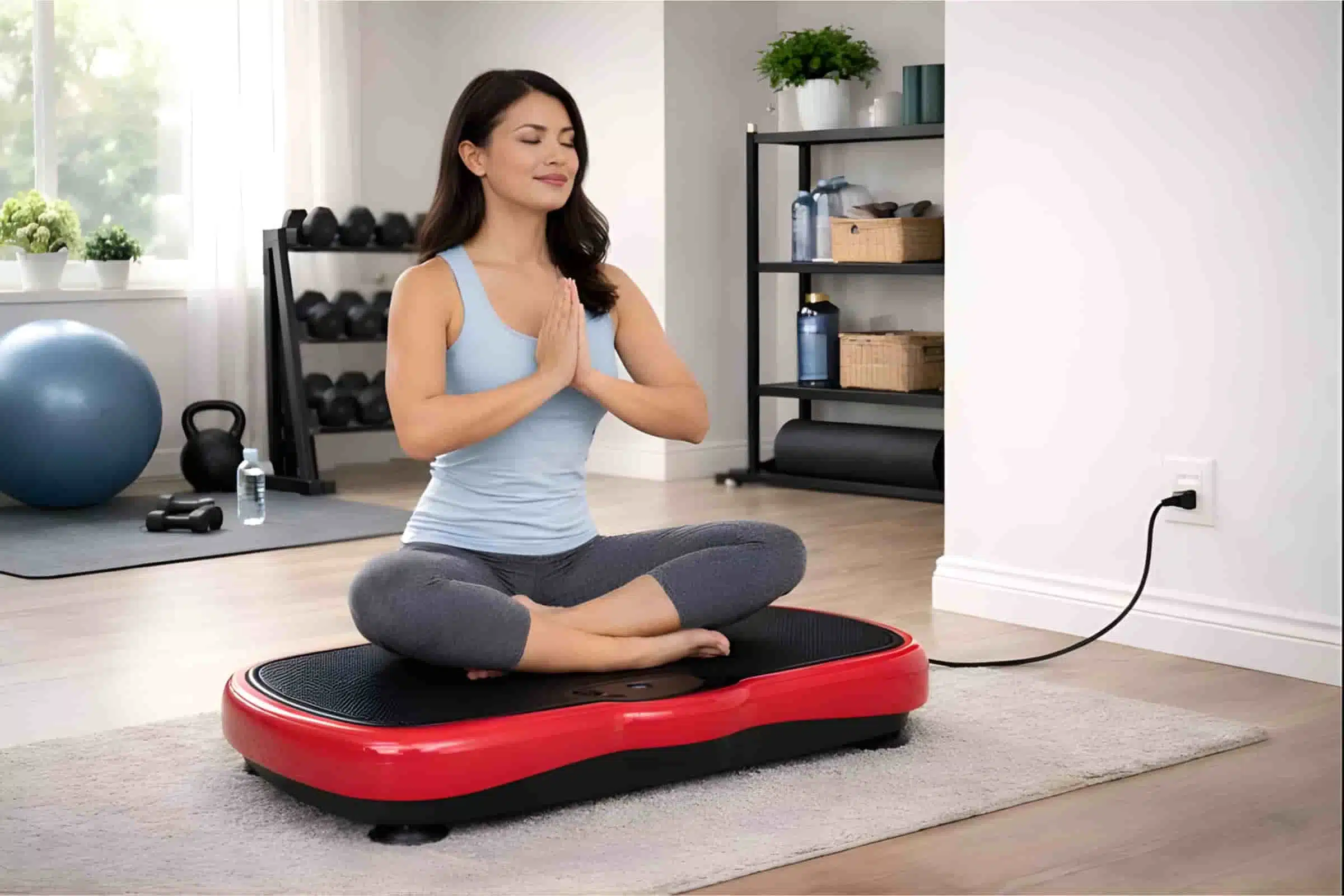
WBV can serve as a warm‑up or cool‑down to enhance flexibility and reduce muscle tension before or after traditional exercise. Integrating WBV with yoga or meditation can deepen relaxation and mindfulness by loosening muscles and enhancing blood flow.
Research with older adults shows that combining WBV with psychomotor interventions improves mobility and cognitive function, although effects may diminish without ongoing practice.
Potential risks, contraindications and guidelines for safe use
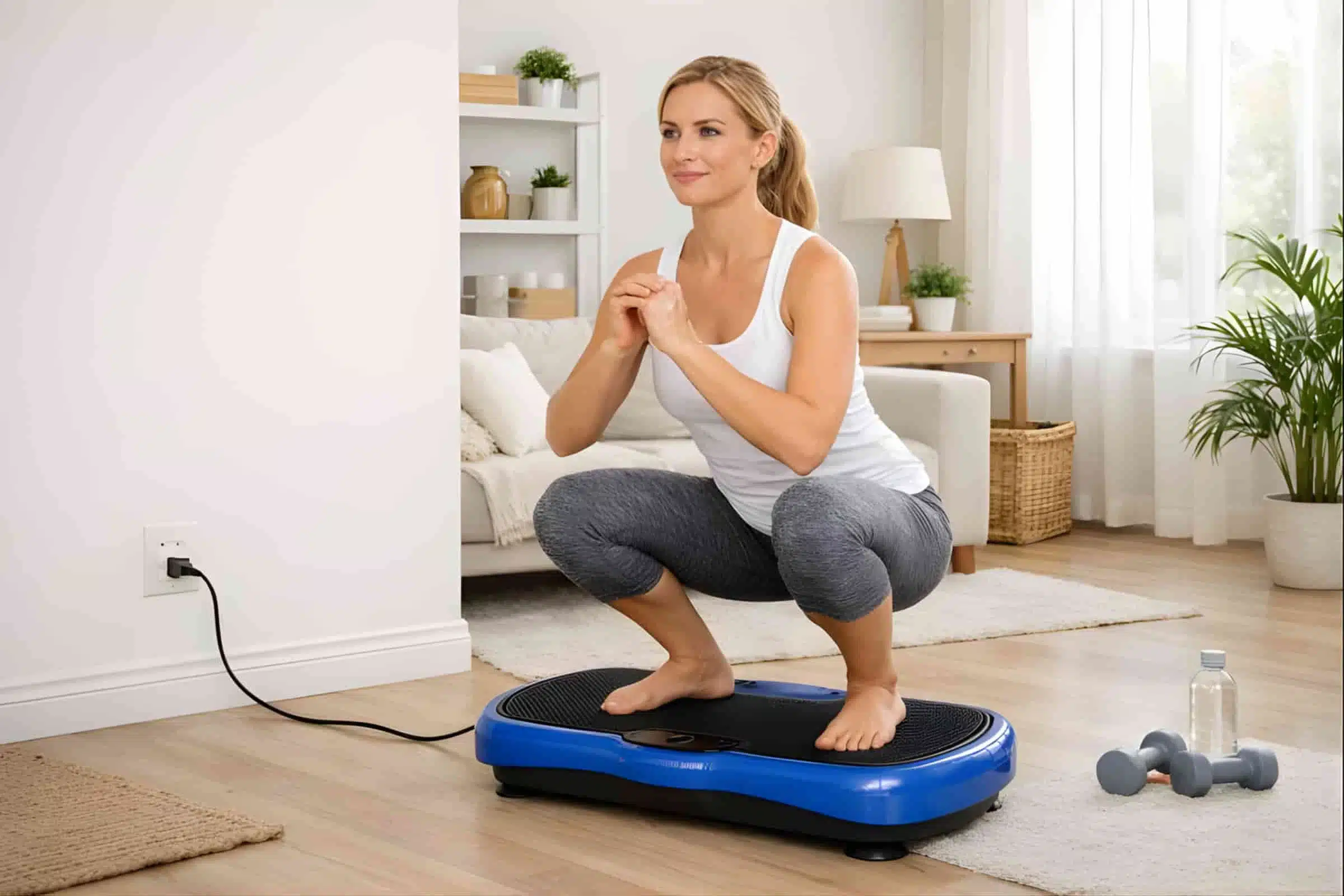
Despite its promising benefits, WBV is not suitable for everyone. Understanding the risks and proper usage is essential.
Contraindications
WBV may not be appropriate for individuals with the following conditions:
- Cardiovascular diseases or deep vein thrombosis. Vibrations could dislodge clots or stress the cardiovascular system.
- Pacemakers or other implanted devices. Vibrations might interfere with device function.
- Pregnancy. Safety during pregnancy has not been established; vibrations may pose risks.
- Severe osteoporosis or recent fractures. High‑frequency vibrations could aggravate bone conditions.
- Recent surgeries or implants. Healing tissues might be disrupted.
Experts explicitly cautions individuals with cardiovascular disease, thrombosis, severe osteoporosis, pregnancy or implanted devices to avoid vibration therapy. I personally also advise that you learn about vibration plate dos and don'ts.
Possible side effects
Common side effects reported include:
- Dizziness or nausea during initial sessions;
- Headaches from high‑frequency vibrations;
- Joint or lower back discomfort after prolonged or excessive use;
- Fatigue or muscle soreness due to neuromuscular stimulation.
Proper introduction (short sessions at low intensity) helps minimise these side effects. In most cases, WBV is safe when the frequency stays below 50 Hz.
Recommendations for safe practice
- Consult a healthcare professional before starting WBV, especially if you have medical conditions or are taking medication. They can assess suitability and recommend appropriate parameters.
- Start with low intensity and short duration. Gradually increase as your body adapts. Sessions of 5–10 minutes at frequencies between 20–30 Hz are common starting points.
- Use proper posture. Stand with knees slightly bent to absorb vibrations. For seated or lying positions, ensure correct alignment to avoid strain.
- Combine with gentle exercises. Performing simple movements (squats, calf raises or stretches) on the platform can enhance benefits by engaging muscle groups and stimulating circulation.
- Monitor side effects. Stop if you experience pain, dizziness, headache or fatigue. Adjust intensity or consult a practitioner before continuing.
- Avoid unsupervised use if you have health conditions or are elderly. Professional guidance ensures safe and effective sessions.
By following these guidelines, users can reduce risks and optimise mental health benefits.
Integrating vibration therapy into mental health care
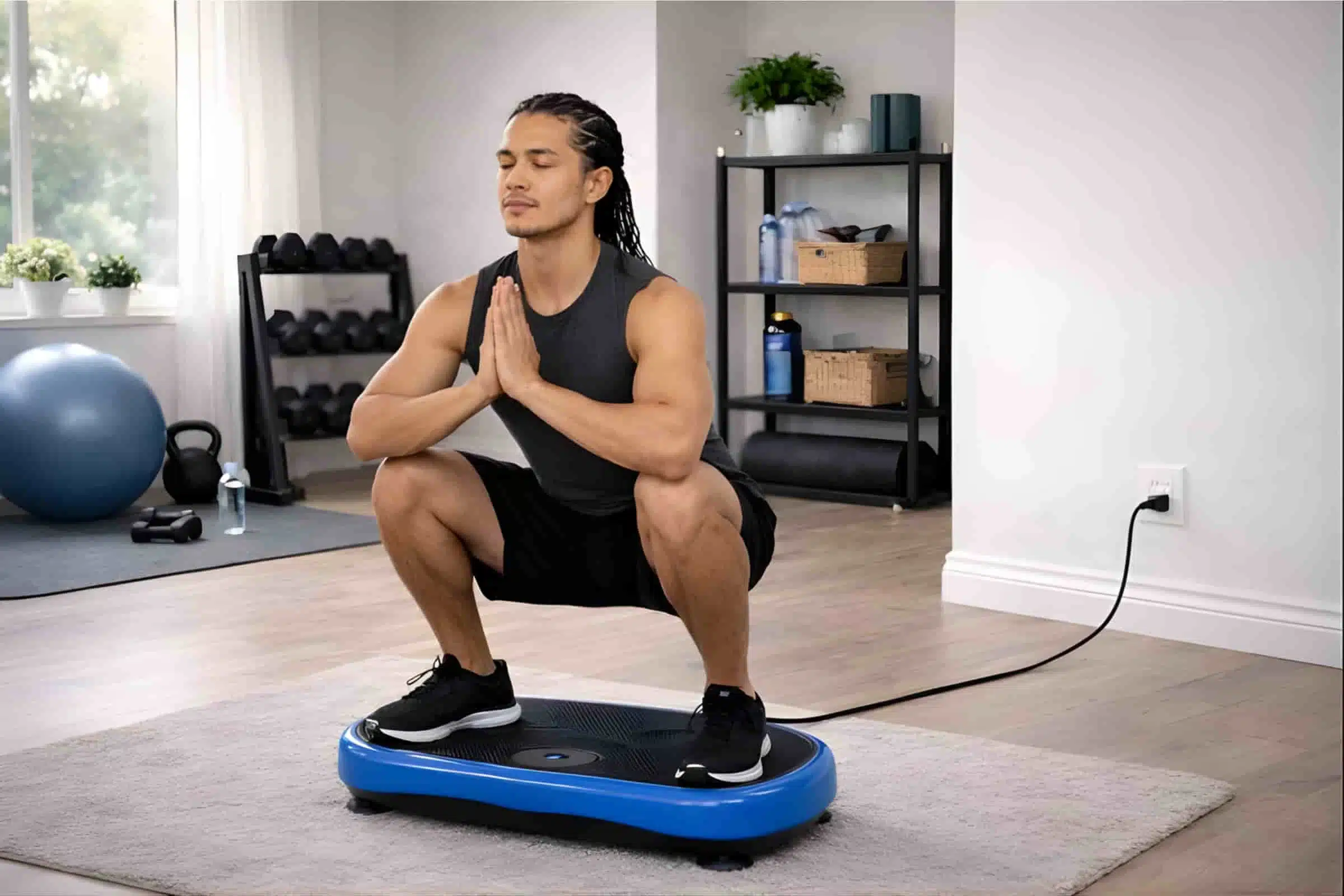
WBV is not a stand‑alone cure but may complement established treatments. Integration strategies include:
Complementary therapy for stress and mood disorders
- Combined with psychotherapy: The Indiana Center article suggests that integrating WBV sessions with psychotherapy can enhance relaxation and make individuals more receptive to therapeutic conversations. WBV before a counselling session might reduce tension and foster openness.
- Adjunct to medication: Improved physical health and mood from WBV may support medication adherence. Enhanced circulation could aid drug distribution, although research on this is minimal.
- In holistic wellness programs: WBV can be part of holistic programs that include talk therapy, exercise, mindfulness and healthy nutrition. The interplay between physical and mental health highlights the importance of integrated care.
Rehabilitation and cognitive training
- Neurorehabilitation: For individuals with cognitive impairment, stroke or traumatic brain injury, WBV can be incorporated into rehabilitation to enhance motor control and cognitive functions. However, protocols should be tailored to patient needs and safety considerations.
- Older adults and falls prevention: RCTs show that WBV improves grip strength, balance and cognitive performance in older adults. Programmes combining WBV with balance training or psychomotor interventions can reduce fall risk and improve independence.
- ADHD and attention disorders: Short bursts of WBV have shown potential for enhancing attention in individuals with ADHD. Schools and clinics could explore vibration sessions as part of multisensory interventions.
Mindfulness and relaxation
- Pre‑meditation preparation: Vibrational sessions can relax muscles and reduce stress, making it easier to achieve a meditative state. Combining WBV with yoga or meditation amplifies relaxation and body awareness.
- Breathing and body scanning: Using mindfulness techniques (deep breathing, progressive muscle relaxation) during WBV can heighten sensory awareness and aid the mind–body connection. Practitioners can focus on the sensation of vibrations and breath to cultivate presence.
Practical tips for home use
- Choose a reliable device: Home vibration plates vary in price and quality. Selecting a reputable brand with adjustable frequency and amplitude ensures proper control and safety.
- Follow manufacturer guidelines: Each device has recommended settings. Adhering to these prevents overexposure to high frequencies, which may cause discomfort or injury.
- Combine with physical activity: Even standing or performing light squats on the plate can amplify benefits. However, limit session duration to avoid fatigue.
- Stay consistent: Benefits are likely to arise from regular practice, just as with exercise or meditation. Set realistic goals and build sessions into your wellness routine.
Emerging research and special populations
Recent research explores WBV in diverse groups. A 2025 crossover study found that a single 10‑minute WBV session in 36 healthy adults improved Stroop‑test reaction times without altering heart‑rate variability, implying transient attentional benefits. An eight‑week trial in older women with senile dementia reported enhanced electroencephalogram activity and higher Mini‑Mental State scores, suggesting cognitive improvements.
A systematic review of Parkinson’s disease outcomes found small benefits for depression, anxiety and fatigue yet emphasised study heterogeneity and the need for better trials.
Another meta‑analysis of 13 trials in stroke survivors showed modest improvements in activities of daily living, particularly mobility, with greater benefits observed when interventions lasted 13–24 sessions. Collectively, these findings hint at broader mental health applications for WBV while underscoring the importance of tailoring protocols to specific populations and continuing rigorous research.
Wrapping Up WBV Mental Health Benefits
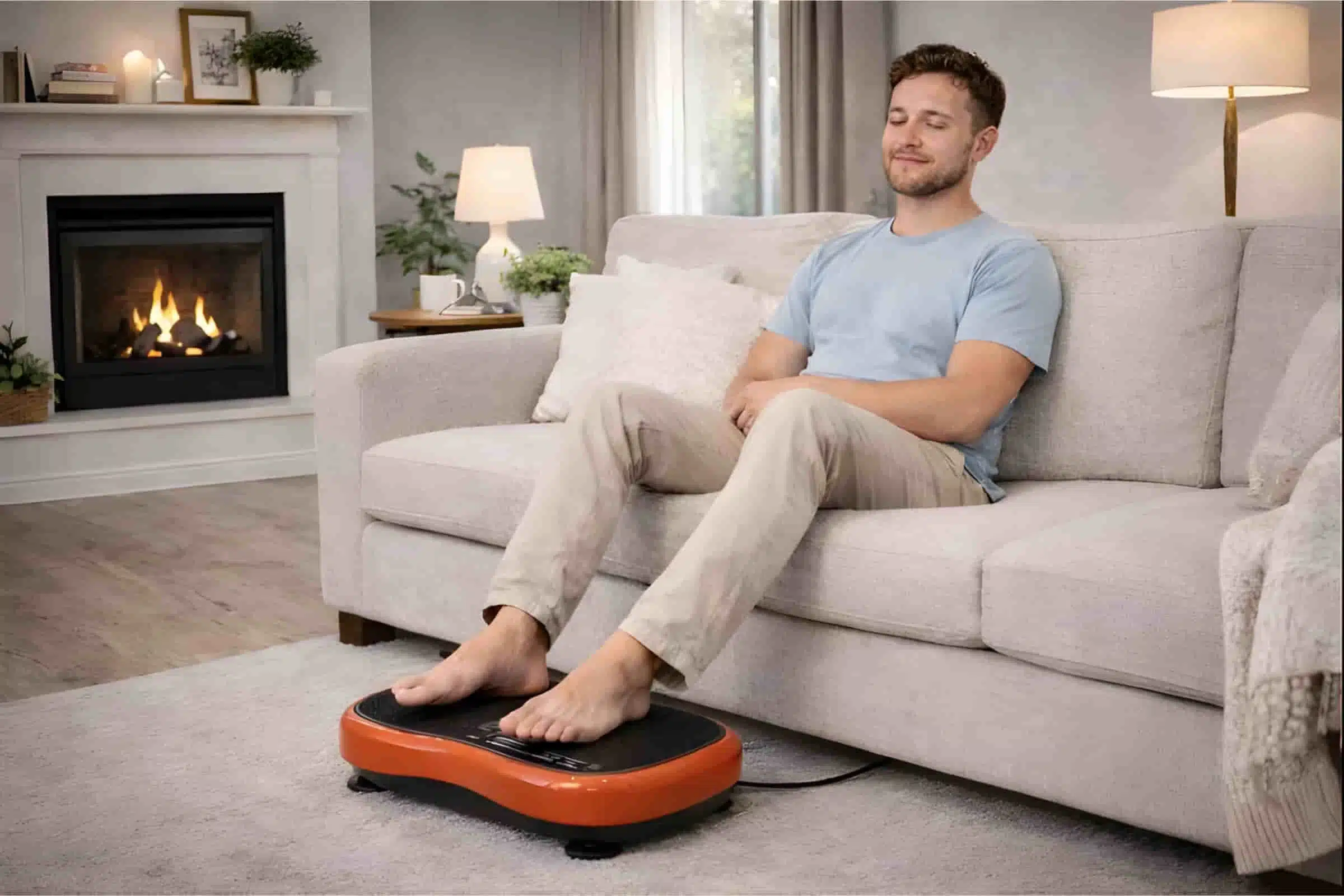
Whole‑body vibration therapy has long been recognised for its physical benefits, but research is now uncovering its potential role in mental health. Physiologically, WBV stimulates neuromuscular pathways, modulates neurotransmitters, influences hormonal balance and promotes neurotrophic factors like BDNF. These changes may translate into reduced stress and anxiety, improved mood, enhanced cognitive function and better sleep.
Evidence ranges from preclinical studies demonstrating reduced anxiety and improved memory in aged rodents to randomised controlled trials showing increased BDNF and improved depression and sleep in fibromyalgia patients. A meta‑analysis across 16 RCTs found a statistically significant positive effect of WBV on cognitive function, and an RCT in older adults reported improvements in cognitive performance and sleep quality after 12 weeks of WBV training.
Despite these promising findings, the current body of evidence is limited by small sample sizes, heterogeneous protocols and potential publication bias. Further research is needed to determine optimal vibration parameters (frequency, amplitude and duration), identify populations most likely to benefit and clarify long‑term effects.
Clinicians and vibration plate users should approach WBV as a complementary modality rather than a standalone treatment. When integrated thoughtfully with psychotherapy, medication, exercise and mindfulness practices, vibration therapy may provide a novel tool to support mental health, particularly for individuals who cannot engage in conventional exercise.
Top Lifepro vibration plates, for example, are more than just fitness gadgets; they may offer accessible support for mental well-being. By harnessing the body–mind connection, modulating neurobiology and providing a gentle form of physical activity, WBV holds promise as part of a comprehensive approach to mental health care.
Key Studies and Reviews I Cited in This Article
2025
2024
2022
2021
2018
2014
Whole-Body Vibration Improves Cognition in Healthy Young Adults (PLOS ONE, 2014)
Whole-Body Vibration Improves Cognitive Function in an Adult with ADHD (2014)
2010
FAQs
What mental health benefits can I expect from using a vibration plate?
Vibration plates may help reduce stress, elevate mood, sharpen cognitive functions and improve sleep quality. These benefits arise from enhanced circulation, hormone regulation and neuromuscular stimulation. Results vary from person to person, and vibration therapy should complement andnot replace other wellness practices.
How often should I use a vibration plate to see mental health improvements?
Most studies use sessions of 5–10 minutes, two or three times per week. Starting with lower intensity and shorter durations lets your body adapt. Consistency over several weeks is more important than high intensity, and you should always consult a healthcare professional before beginning a new regimen.
Can vibration therapy help with depression?
Early research suggests that regular vibration sessions can lift mood and support recovery from depressive episodes. By increasing levels of brain‑derived neurotrophic factor and promoting the release of endorphins and serotonin, WBV may alleviate some symptoms of depression. Always continue prescribed treatments and speak with your doctor before making changes.
Does using a vibration plate relieve anxiety or stress?
Yes, many users report feeling calmer after a vibration session. WBV appears to reduce cortisol, the main stress hormone, and helps relax tense muscles. Combining vibration therapy with breathing exercises or meditation can enhance its calming effects.
Can vibration plates improve sleep quality?
Gentle vibration can relax muscles and lower stress levels, which may make it easier to fall asleep and stay asleep. Some studies have noted improvements in sleep latency, duration and efficiency in older adults and people with chronic conditions. Incorporating vibration sessions into an evening routine may contribute to better rest.
Is vibration therapy safe for people with mental health conditions?
In general, WBV is safe when used properly, but certain health conditions warrant caution. People with cardiovascular disease, deep vein thrombosis, pacemakers, severe osteoporosis, recent surgeries or pregnancy should avoid or modify vibration therapy. Always start with low settings and seek medical advice if you have any concerns.
Can vibration plates alleviate seasonal affective disorder (SAD)?
While research specifically on WBV and SAD is limited, the improved mood and energy that vibration therapy can bring may help counteract winter blues. Many people find that regular sessions lift their spirits during darker months. For severe SAD, continue to use light therapy and consult a healthcare provider for a comprehensive treatment plan.
Healthcare and Medical Disclaimer
Although thoroughly fact-checked and based on up-to-date studies, research, and knowledge, the information provided on Vibration Plate Zone is for general informational purposes only and is not intended to replace professional medical advice, diagnosis, or treatment. Always seek the guidance of a qualified healthcare provider with any questions you may have regarding a medical condition, and never disregard or delay seeking professional advice.