
About the author: Hello! I’m Vladimir Stanar, professor of physical education, kinesiotherapist, marathon runner, cyclist, and cycling coach, and long-time advocate of health, fitness, and active living.
My journey with vibration plates runs parallel to my professional career in education, sports medicine, and athletic development. Over time, I’ve come to see vibration plates as one of the most versatile tools for enhancing health, recovery, and performance.
✅ Expert-Reviewed by: Vanja Vukas, MPhEd
📚 Expert Contributor: Milutin Tucakov, MPhEd
Living with diabetes often means juggling medications, dietary changes, and exercise plans. Traditional workouts are effective, but they can be challenging when you have joint pain, neuropathy, or limited time. In recent years, whole‑body vibration machines have gained attention as a potential low‑impact tool for people with chronic conditions. In this article I explore whether a vibration plate for diabetes can support blood glucose control, weight management, and overall wellness. I will share research findings, practical advice, and personal experiences to help you decide if vibration training belongs in your routine.
What Makes a Vibration Plate for Diabetes Unique?
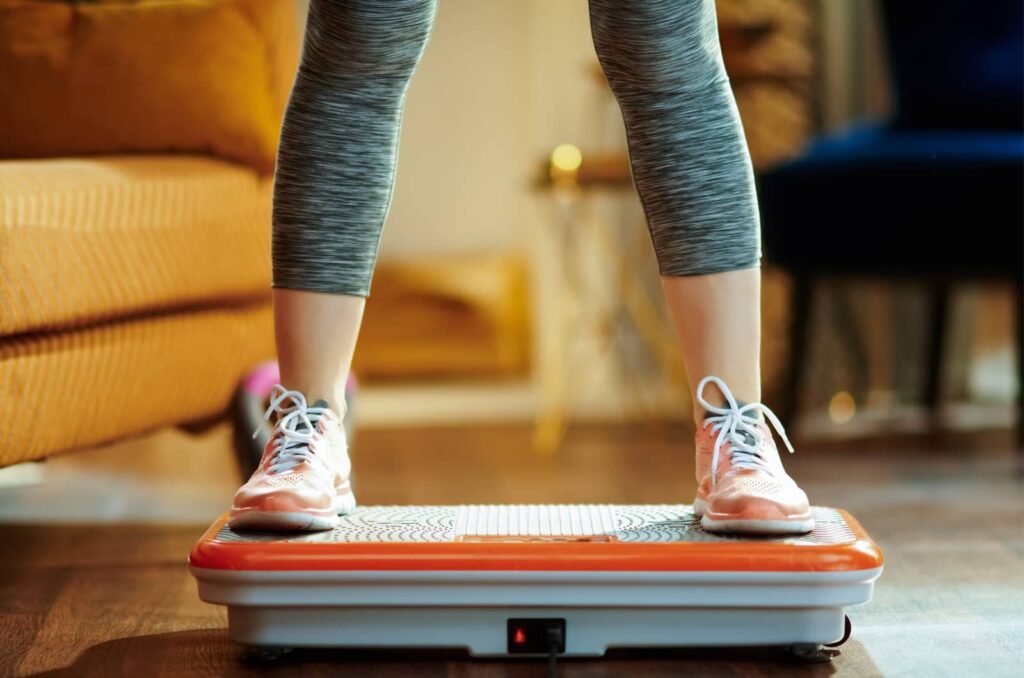
Vibration plates deliver rapid oscillations that stimulate muscles to contract and relax. When you stand, sit, or perform gentle exercises on one of these platforms, the vibrations force your body to adjust and maintain balance. That constant adjustment activates multiple muscle groups, encourages circulation, and raises your heart rate without the jarring impact of running or jumping. For individuals with diabetes, this “diabetes vibration machine” offers a way to work out while protecting sensitive joints and nerves.
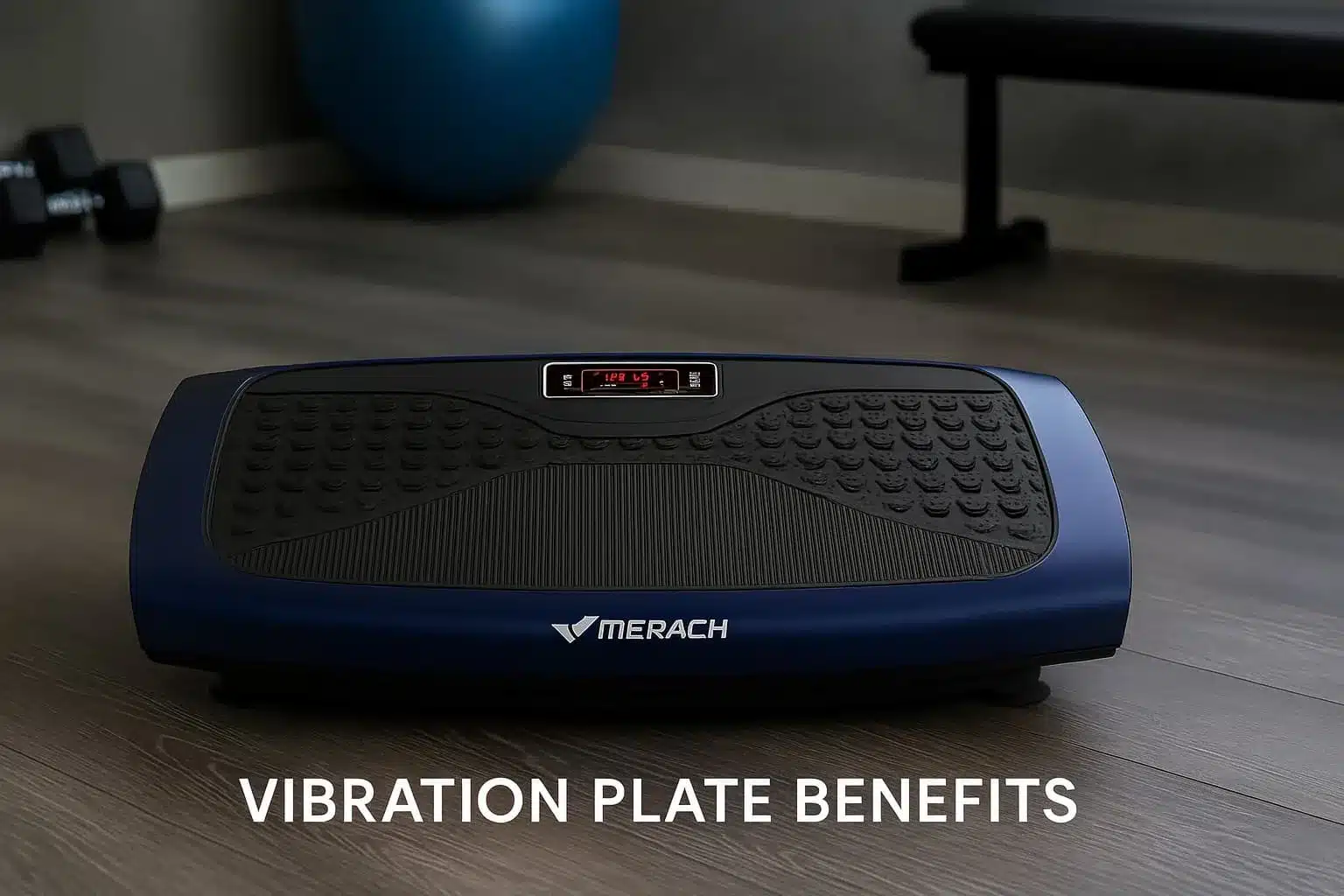
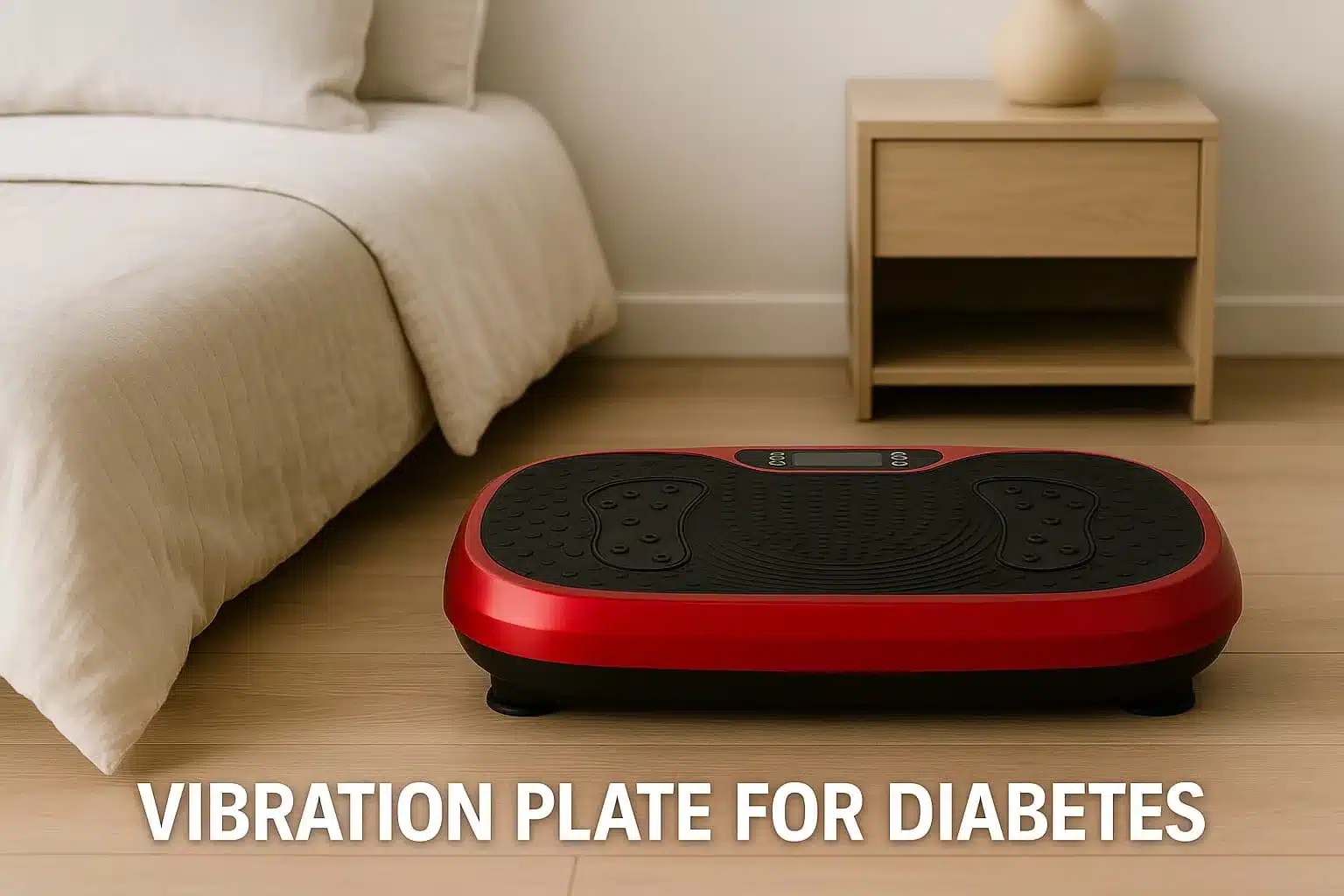
Each machine differs in size, frequency range, and motion pattern. Some oscillate side to side, others move in three dimensions, and many offer adjustable speeds. Low frequencies around 12–18 Hz are often recommended for therapeutic use because they stimulate muscles and improve circulation without excessive strain. Higher frequencies may be used for short bursts of balance training. When looking for a vibration machine for diabetes, choose a model with a wide frequency range, a stable platform, and user‑friendly controls. Handrails or detachable straps provide extra stability if you struggle with balance.
How Vibration Plates May Improve Blood Sugar and Insulin Sensitivity
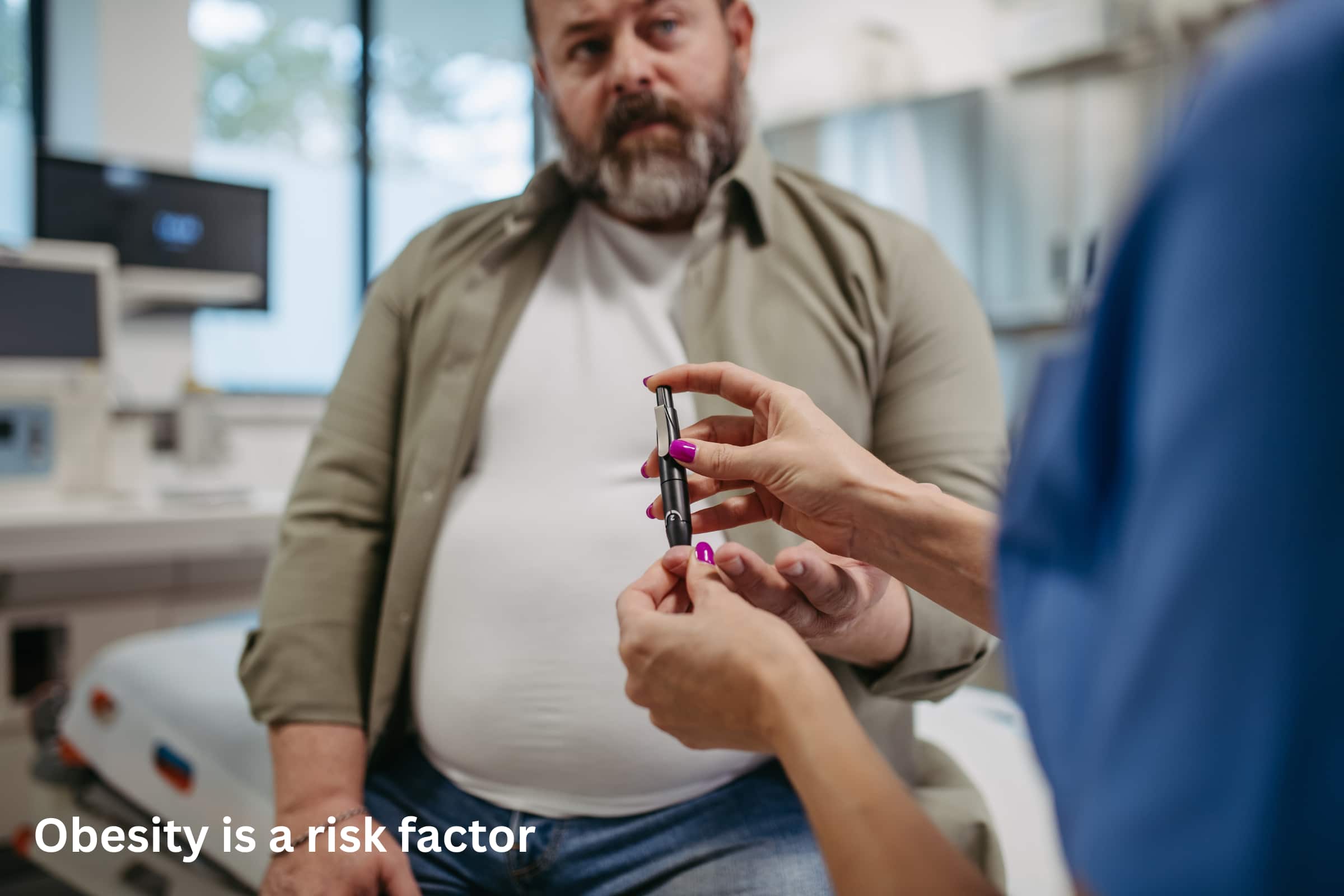
Several studies suggest that whole‑body vibration might improve glycemic control. When your muscles contract repeatedly, they consume glucose for energy. This uptake lowers blood sugar levels and makes the body more sensitive to insulin. Regular sessions on a vibration plate, especially at moderate frequencies for 12–16 weeks, have been linked with modest reductions in hemoglobin A1c (HbA1c), the long‑term measure of blood glucose. Researchers have noted that participants with type 2 diabetes who added vibration training to their routine experienced average HbA1c reductions of around 0.5 percentage points compared with control groups. While this change is modest, even small reductions in HbA1c can lower the risk of diabetes‑related complications.
The mechanical stimulation also boosts metabolic rate. Because multiple muscle groups fire simultaneously, your body burns calories quickly, which may aid weight management. This increase in energy expenditure helps explain why a short session feels surprisingly tiring.
Some marketing claims suggest that ten minutes on a vibration plate equals an hour of traditional exercise. These comparisons are oversimplified, but vibration training can be an efficient way to engage muscles and raise heart rate when time is short. For people struggling with weight, consistent use may contribute to gradual fat loss, an important component of diabetes management. Make sure to get a higher weight capacity platform like the model I covered in my JOROTO 4D vibration plate review.
Hormonal changes could play a role too. Vibration may elevate the release of osteocalcin, a hormone produced by bones that can enhance insulin production. In animal studies, daily vibration sessions reduced insulin resistance and improved the pancreas’s response to glucose. Human research is still emerging, but early trials suggest that vibration plates may enhance glucose uptake and insulin sensitivity when combined with diet and traditional exercise.
Supporting Circulation, Neuropathy and Overall Health
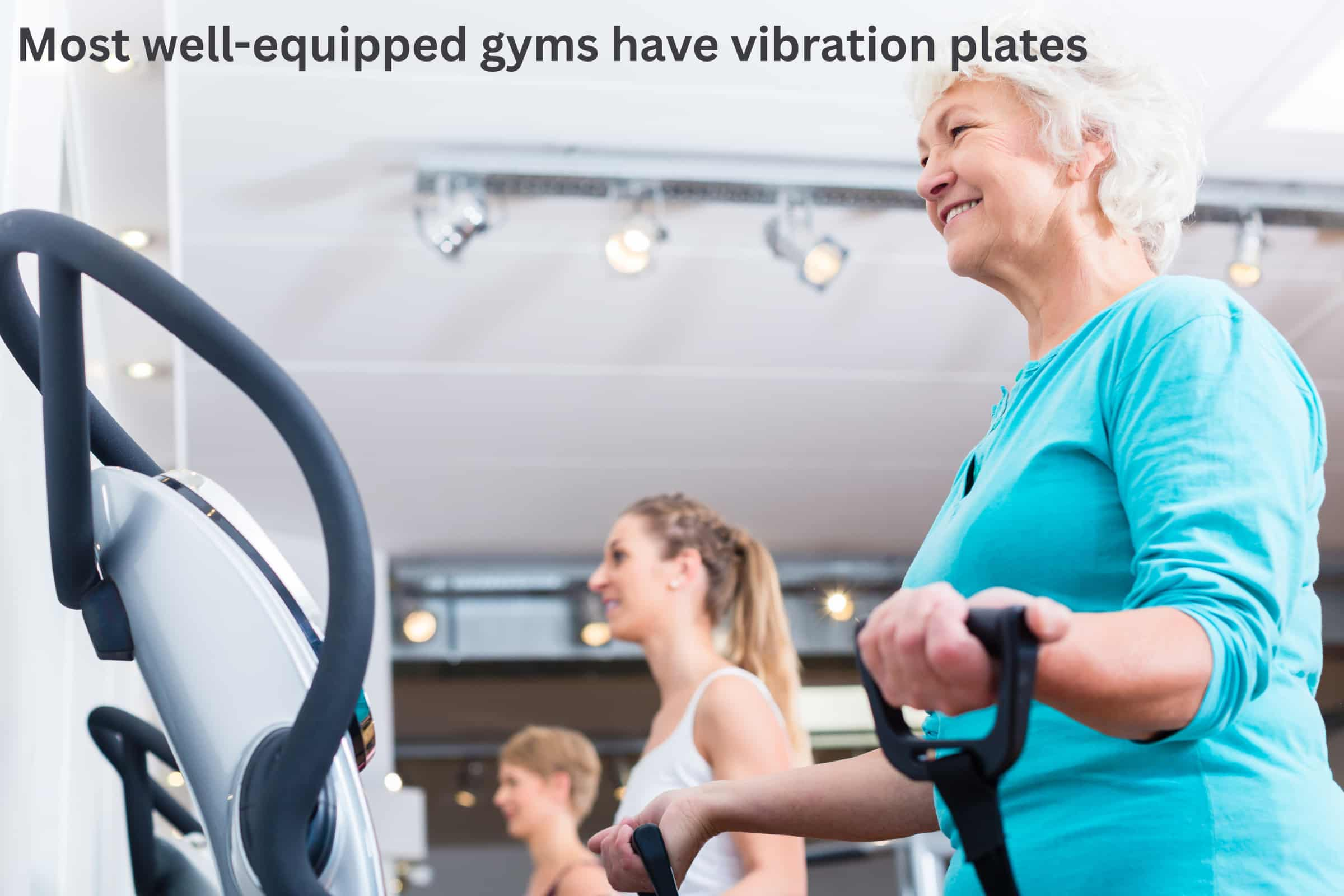
Many people with diabetes experience poor circulation and nerve damage in the legs and feet. Whole‑body vibration stimulates blood flow and lymphatic drainage, which can help reduce swelling and numbness. It also activates small muscle contractions that act as a pump, moving blood from the extremities back toward the heart. Improved circulation can deliver oxygen and nutrients to tissues that might otherwise suffer from reduced blood flow.
Another reason people ask does vibration plate help with diabetes is neuropathy relief. Gentle oscillations have been shown to decrease pain and improve balance in people with diabetic peripheral neuropathy. By challenging sensory receptors in the skin, vibration plates may enhance proprioception, the ability to sense body position, which often declines with nerve damage. I also researched red light therapy for neuropathy in comparison to vibration plates routine.
In my own experience, short sessions helped reduce tingling and stiffness in my feet after long days of standing. It’s not a cure, but it offers comfort between physical therapy sessions and can be done at home or in a public gym.
If circulation or neuropathy is a major concern, explore our reviews of vibration plates for circulation and vibration plates for neuropathy.
Comparing Vibration Plates to Traditional Exercise for Diabetes Management
No single tool replaces the benefits of walking, resistance training, or aerobic workouts. However, a vibration plate and diabetes program can complement traditional exercise, especially when joint pain, fatigue, or schedule constraints make longer sessions difficult. While walking improves cardiovascular fitness and supports weight management, vibration training provides a low‑impact way to engage muscles without leaving home. Many people alternate between conventional workouts and short vibration sessions to stay consistent.
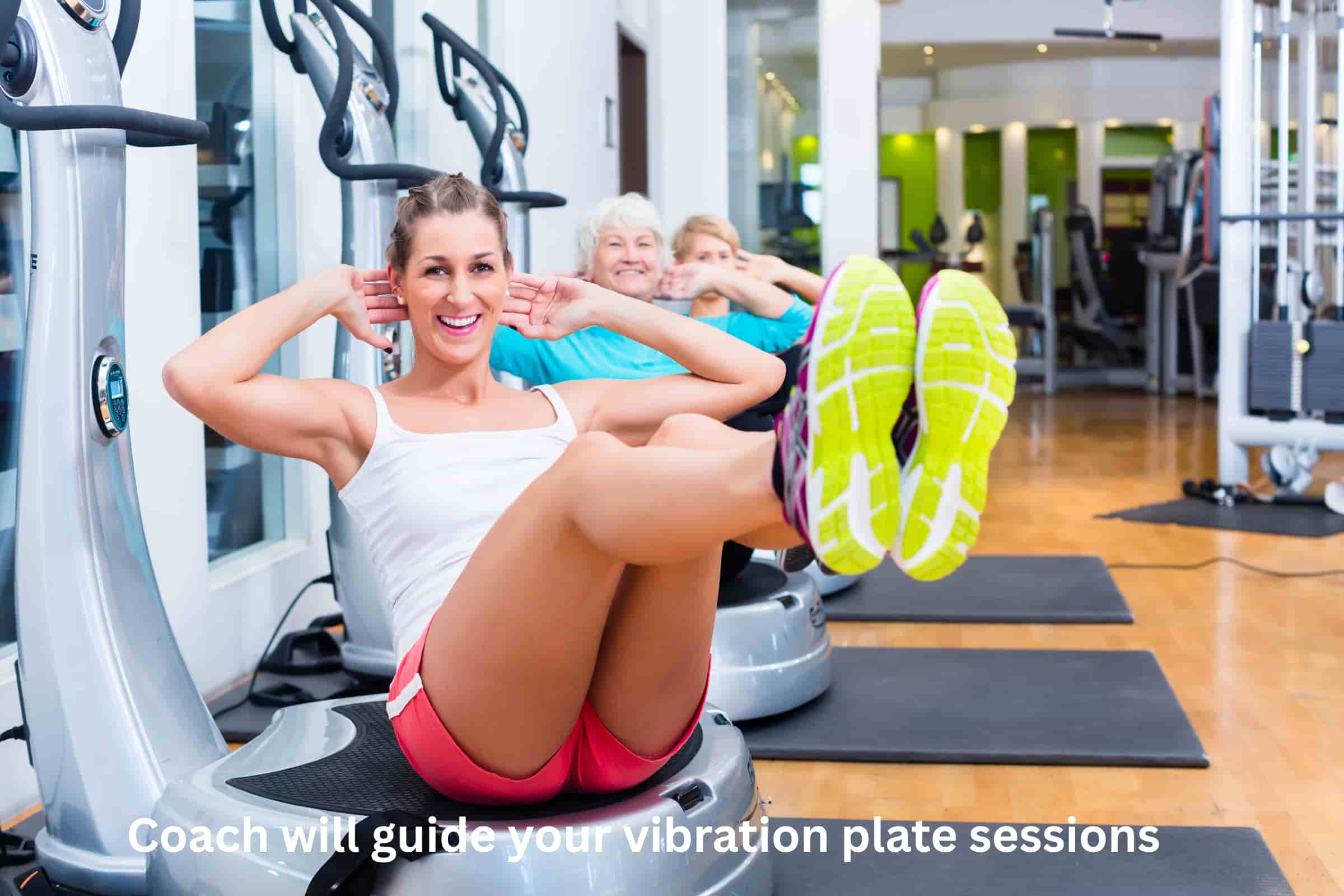
One advantage of vibration plates is time efficiency. Because the entire body adjusts to rapid oscillations, you can activate multiple muscle groups in a few minutes. Studies comparing coach-guided 20‑minute vibration sessions to hour‑long moderate exercise programs found similar improvements in blood sugar control and insulin sensitivity. The mechanical stimulation also promotes balance and muscle strength in the legs, which is valuable if neuropathy or joint stiffness makes walking unstable.
That said, vibration training should not replace cardiovascular exercise entirely. Activities like brisk walking, cycling, or swimming improve lung capacity and heart function in ways that vibration plates cannot match. Instead, think of a vibration plate as an addition to your toolbox.
On days when you feel sore or pressed for time, a short vibration session keeps you moving. When you have energy, pair vibration training with a stroll or light resistance workout for a more rounded routine. If weight loss is also a priority, check out our overview of the best vibration plates for weight loss to see which machines best support calorie burning.
Choosing a Vibration Plate for Diabetes and Safety Considerations

Not all machines are suitable for people managing chronic conditions. When evaluating a vibration plate diabetes device, pay close attention to its design and safety features. Here are some factors to consider:
- Frequency and amplitude: Therapeutic effects are often achieved at lower frequencies (12–18 Hz) with moderate amplitude. Higher frequencies may be appropriate for athletes but can be uncomfortable for users with neuropathy or joint pain. Look for machines that allow fine‑tuned adjustments so you can start slow and progress gradually.
- Stability and support: Wide platforms and anti‑slip surfaces reduce the risk of falls. Models with handrails or resistance bands offer additional support if balance is an issue. For older adults, our guide to the top vibration plates for seniors highlights models with taller handles and easy‑to‑read displays.
- Weight capacity: Ensure the machine can support your weight comfortably. Many consumer plates accommodate 250–330 pounds, but heavier users should seek higher weight limits.
- Noise and size: If you live in an apartment, quieter motors and compact footprints matter. Smaller plates are portable but may feel less stable, while larger plates offer more room for exercises.
- Ease of use: Look for intuitive controls, remote operation, and preprogrammed workouts. This makes it easier to adjust settings without bending down or interrupting your session.
Safety should be a priority. Consult your healthcare provider before starting any new exercise, especially if you have cardiovascular disease, severe neuropathy, retinopathy, or other complications. Avoid vibration training if you’ve recently had surgery, are pregnant, or have implanted medical devices. If you have certain conditions like deep vein thrombosis, bone fragility, or uncontrolled high blood pressure, the mechanical forces could exacerbate symptoms.
Incorporating a Vibration Plate into Your Diabetes‑Friendly Lifestyle

For the best results, treat vibration training as part of a broader lifestyle approach. Here are some practical tips:
- Start slowly and listen to your body: Begin with sessions lasting 5–10 minutes at low intensity. Stand on the platform with knees slightly bent to absorb vibrations. As you feel more comfortable, gradually increase session length to 15–20 minutes, two or three times a week. Pay attention to how your blood sugar responds; if you feel dizzy or notice unusual fatigue, stop and consult a doctor.
- Incorporate simple movements: While standing still offers benefits, adding gentle exercises engages more muscle groups. Try body‑weight squats, calf raises, or holding a plank while your forearms rest on the platform. Always maintain good form to avoid strain. If you’re new to exercise, consult a trainer or physical therapist who understands vibration therapy.
- Combine with aerobic activity: Use the plate as a warm‑up or cool‑down around your regular workouts. For example, perform a 10‑minute vibration session before a 20‑minute walk. The vibration primes muscles and may make walking feel easier. On rest days, a short session helps maintain circulation without taxing your joints.
- Pair with balanced nutrition: Exercise alone is not enough to manage diabetes. Focus on whole foods, including vegetables, lean protein, and fiber‑rich carbs. Stable eating patterns complement the metabolic benefits of vibration training. Although the diet article we referenced earlier isn’t available at the moment, our site provides numerous resources on nutrition and lifestyle.
- Monitor your progress: Use a journal or app to track vibration sessions, blood sugar readings, and overall well‑being. This will help you notice patterns and adjust your routine. If you wear a continuous glucose monitor, check for trends after vibration sessions: some users notice a moderate drop in blood glucose, while others remain stable.
Real‑World Experiences: My Journey With a Vibration Plate and Diabetes
As someone working with clients with type 2 diabetes, I started using a vibration plate as a part of a holistic therapy. Traditional workouts helped, but knee pain made long walks uncomfortable for the majority of patients. When they first stepped onto the platform, the vibrations felt strange and their muscles shook, and we had to concentrate on their balance. I began with five‑minute sessions at the lowest frequency. After a few weeks, I noticed clients' calves and thighs felt stronger, and their feet no longer tingled as much in the evenings. Their blood sugar readings improved slightly, particularly after vibration sessions combined with short walks.
In the beginning, they were skeptical. It sounded too simple that standing on a plate could affect diabetes. However, the convenience won them over. On busy days, most of them can squeeze in a quick session between meetings. On days when they have more time, they use the plate while doing gentle squats or lunges. Over several months, some A1c dropped by half a point, and some lost a few pounds without extra strain on their joints. The machine has not replaced medication or diet changes, but it’s become a valuable addition to their type 2 diabetes management program.
I’ve also experimented with different models. Platforms with larger bases feel more stable when my clients are doing balance exercises. Machines offering both oscillating and vertical motions provide variety, and ones with built‑in programs encourage us to try new routines. When a friend with neuropathy asked for advice, I pointed them toward our round‑up of the best vibration plates for lymphatic drainage, which can be gentler on sensitive feet.
Balancing Benefits and Risks: When to Avoid a Vibration Plate
While many people can safely use vibration machines, there are situations where caution is warranted. Pregnant individuals should avoid whole‑body vibration due to possible effects on the fetus. Those with pacemakers or other implanted medical devices may experience interference. People with acute thrombosis, advanced osteoporosis, or fresh surgical wounds should abstain until cleared by a doctor. If you have uncontrolled high blood pressure, severe retinopathy, or a history of seizures, consult your healthcare provider before trying a vibration plate.
Listening to your body is essential. Stop if you feel pain, dizziness, or nausea. Gradual progression helps your muscles adapt without overwhelming your nervous system. Make sure to keep feet flat and knees soft; locking your knees can strain joints and spine. Wearing supportive shoes or standing barefoot on a cushioned mat reduces impact on your soles.
Looking Ahead: The Future of Vibration Therapy in Diabetes Care
Current research on vibration therapy for diabetes is promising but still evolving. Larger, long‑term trials are needed to determine optimal frequencies, session lengths, and combinations with other exercises. The technology itself continues to improve, offering quieter motors, smoother motion patterns, and smart features that track progress.
As more physiotherapists and endocrinologists become familiar with vibration therapy, we’ll better understand where a novel potential treatment for type 2 diabetes mellitus fits within comprehensive diabetes management.
FAQs
Does a vibration plate help with diabetes?
Yes, a vibration plate can help with diabetes by supporting circulation, muscle activation, and blood sugar management. While it is not a cure, regular use can make physical activity easier, especially for those who struggle with joint pain or limited mobility.
How do I use a vibration plate for diabetes safely?
To use a vibration plate for diabetes safely, start with short sessions at low intensity. Stand with knees slightly bent and keep both feet firmly on the platform. As your body adapts, you can increase session length and add gentle exercises.
Can vibration plates improve circulation for people with diabetes?
Yes, vibration plates can improve circulation for people with diabetes by stimulating blood flow in the legs and feet. Better circulation may reduce swelling, numbness, and heaviness in the lower body.
Is a vibration plate safe for people with diabetic neuropathy?
A vibration plate is generally safe for people with diabetic neuropathy when used at a low frequency. Many users find that gentle vibration eases discomfort and helps with stiffness. Anyone with severe nerve damage should talk to a healthcare provider first.
How often should a diabetic use a vibration plate?
A diabetic should use a vibration plate about three to five times per week for short sessions. Consistency matters more than long workouts, and many people notice benefits after a few weeks of steady use.