
About the author: Hello! I’m Vladimir Stanar, professor of physical education, kinesiotherapist, marathon runner, cyclist, and cycling coach, and long-time advocate of health, fitness, and active living.
My journey with vibration plates runs parallel to my professional career in education, sports medicine, and athletic development. Over time, I’ve come to see vibration plates as one of the most versatile tools for enhancing health, recovery, and performance.
✅ Expert-Reviewed by: Vanja Vukas, MPhEd
📚 Expert Contributor: Milutin Tucakov, MPhEd
Back pain is one of the most common musculoskeletal complaints, affecting millions of people of all ages. For many of us, the discomfort stems from prolonged sitting, poor posture, muscle imbalances, or repetitive movements. I have dealt with both lower and upper back pain over the years, and the search for relief led me to explore a vibration plate for back pain.
These machines use whole body vibration to gently stimulate muscles, increase circulation, and encourage better posture. When used appropriately, a vibration plate may complement traditional approaches like stretching, strengthening, and ergonomic adjustments.
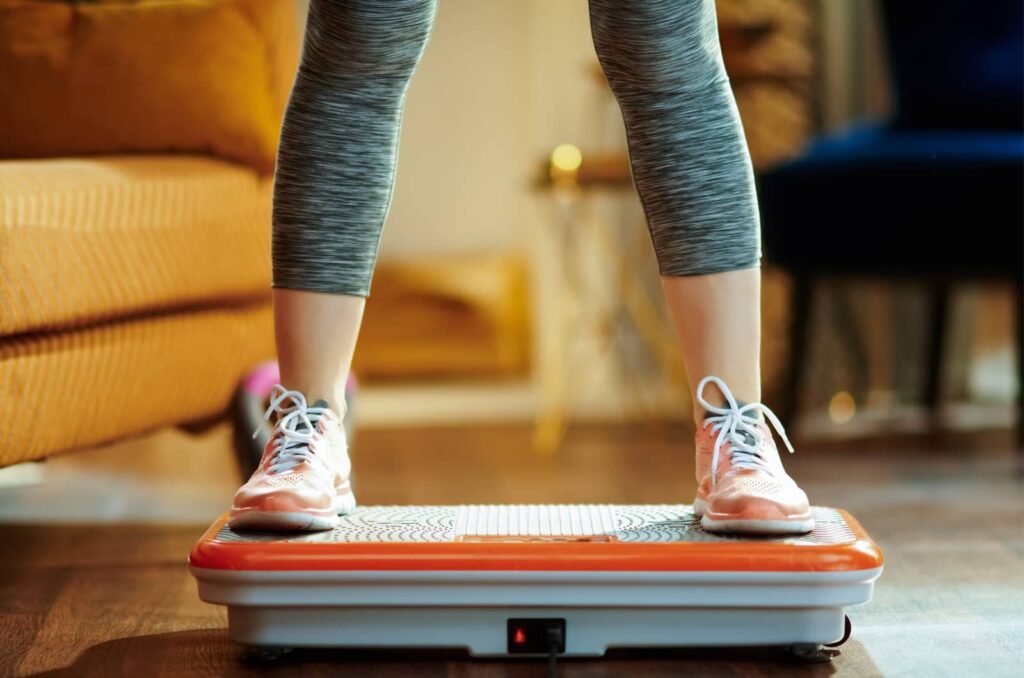
A vibration plate is a flat platform that oscillates at varying frequencies. Standing, sitting, or placing hands or legs on the platform exposes muscles and connective tissues to rapid, low amplitude vibrations. The body responds by contracting and relaxing muscles reflexively, which can enhance muscle activation and circulation. This mechanical stimulus is what makes vibration machines appealing for rehabilitation and fitness alike.
Research suggests they may offer modest benefits for chronic nonspecific back pain by promoting core stability, loosening tight muscles, and improving proprioception. While they are not a cure, they can be part of a broader strategy that includes regular exercise and proper posture.
If you are curious about which models perform well, our comprehensive best vibration plates guide compares leading machines and explains how features like frequency range, platform size, and vibration modes affect your experience. Knowing what is available helps you select equipment that suits your goals and budget.
How to Use a Vibration Plate for Back Pain Safely

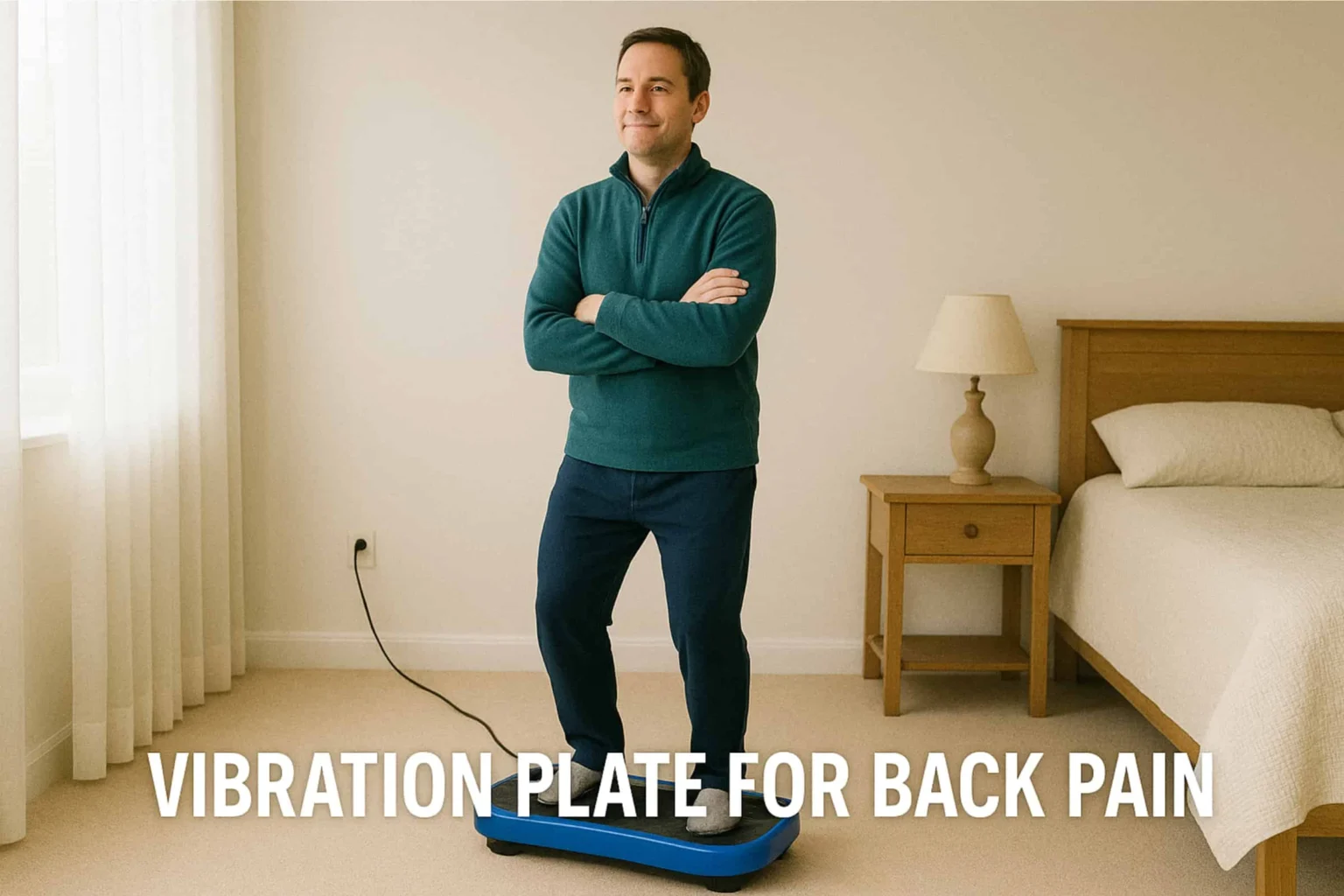
Learning how to use a vibration plate for back pain starts with understanding basic safety principles. Before you begin, check with a healthcare professional if you have underlying conditions, are pregnant, or have had recent surgery. Not everyone should use vibration therapy; those with pacemakers, severe osteoporosis, or acute back injuries should avoid it. Once you have clearance, follow these guidelines to stay safe:
- Start at a low setting. Most vibration machines allow you to adjust frequency and amplitude. Begin with low frequency (around 15-20 Hz) and low amplitude to let your body adapt. Gradually increase intensity over several sessions if you feel comfortable. It is better to go “low and slow” than to jump to high settings, which can strain your muscles or irritate your spine.
- Limit session length. Short sessions are more effective than marathon vibrations. A good starting point is 5-10 minutes per session, two to three times per week. You can increase to 15-20 minutes as your body adapts. Avoid exceeding 30 minutes per day and 40 Hz frequency, as prolonged exposure could irritate your spine.
- Maintain proper posture. Whether standing or doing exercises, keep a slight bend in your knees, engage your core, and avoid locking joints. Standing with knees slightly bent reduces strain on the lower back and helps you balance. If you place your hands on the platform for a plank or push up, align your wrists, elbows, and shoulders to protect your joints.
- Use supportive accessories. Some plates come with handles or straps. Use them to stabilize yourself during exercises, especially when you are new to vibration training or have balance concerns. Place a yoga mat or cushion under your knees or elbows during floor exercises for extra comfort.
In my experience, a gradual approach yields the best results. I started with three 10‑minute sessions each week and listened to my body. When I felt fatigued or dizzy, I paused and stretched. Staying consistent but cautious allowed my core and back muscles to adapt.
For those who want a deeper look at a premium machine’s features, our Power Plate MOVE review details frequency options, accessories, and guided workout programs, illustrating how specific devices support safe use.
Effective Exercises and Routines for Lower Back Pain
Vibration plates support a variety of movements, from gentle stretches to strength exercises. When dealing with vibration plate for lower back pain, focus on movements that enhance flexibility, engage the core, and promote blood flow. Here are routines I find especially helpful:
Gentle Stretches and Mobility Work
- Forward Bend (Toe Touch): Stand with your feet hip width apart on the plate. Keep your knees soft and slowly bend forward, reaching toward your toes. Hold the position for a few breaths, allowing the vibration to loosen tight hamstrings and lower back muscles.
- Cat-Cow Stretch: Place your hands on the platform and your knees on the floor. Inhale as you round your spine upward (Cat), then exhale as you arch your back and lift your head (Cow). Repeat slowly for a minute to mobilize the spine.
- Pigeon Pose Variation: Perform a modified pigeon pose by placing your front foot on the platform while your back leg extends behind you. The vibrations help relax the gluteal and piriformis muscles, easing sciatic discomfort.
Strength and Stability Exercises
- Planks: Place your forearms on the plate with elbows beneath shoulders and feet on the floor. Engage your core and hold for 20-30 seconds. The vibration challenges your stabilizers and improves core strength.
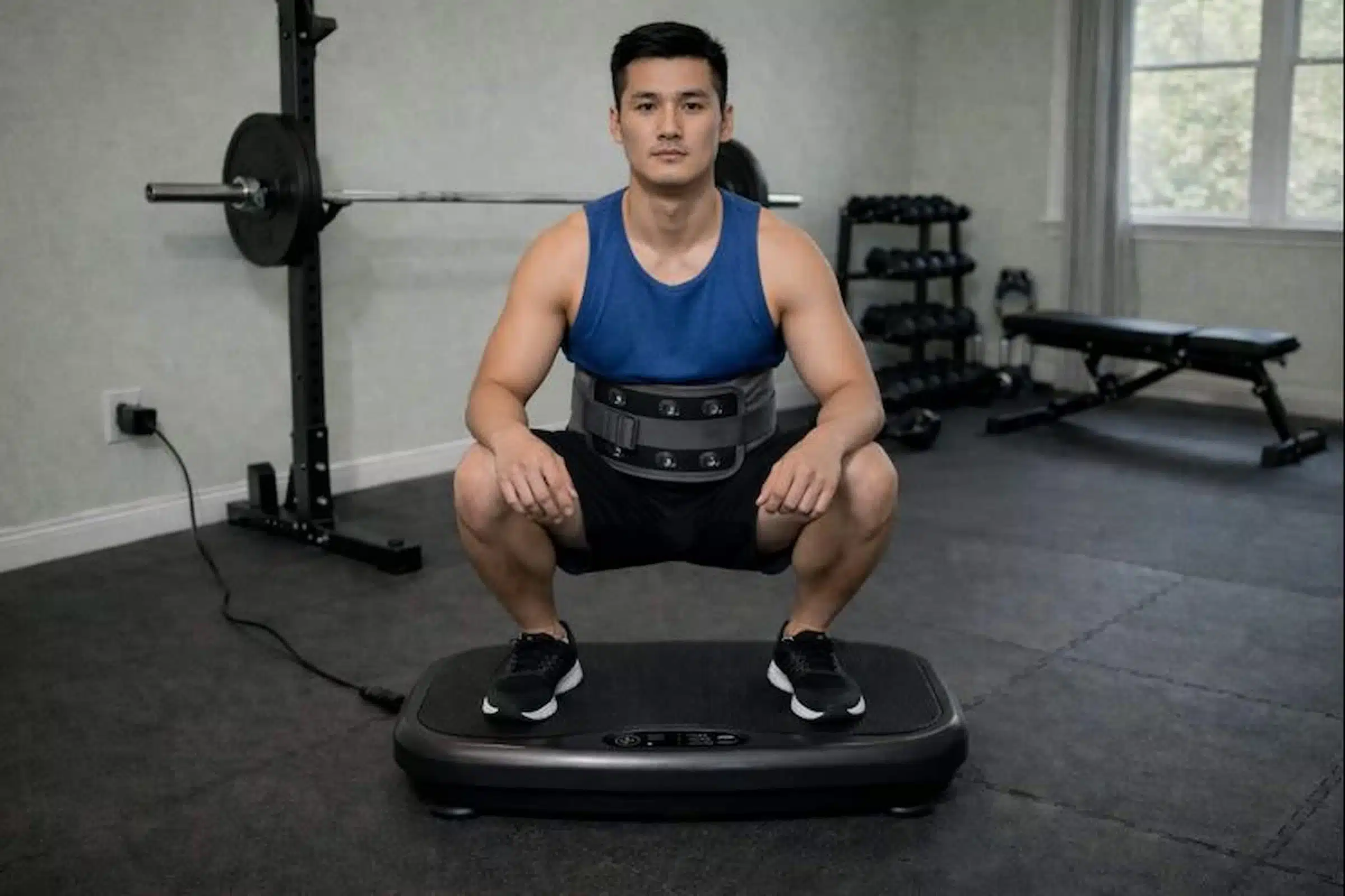
- Body-Weight Squats: Stand on the platform with your feet hip width apart and toes slightly outward. Lower your hips into a squat, keeping your back straight and knees aligned with toes. Push through your heels to stand. Do two to three sets of 10-12 repetitions.
- Reverse Lunges: Place one foot on the plate and step back with the other leg. Lower your hips until both knees form 90-degree angles, then push through the front heel to return to standing. Alternate legs for eight to ten reps.
- Calf Raises: Stand with both feet on the plate and rise onto your toes, then lower your heels back down. This move improves ankle stability and circulation.
To ease vibration plate exercises for lower back pain, keep your movements controlled and pay attention to your breathing. Over time, these routines can strengthen the muscles that support your spine, which may reduce discomfort during daily activities. For more guidance on machines designed to relieve joint pain, our best vibration plates for arthritis roundup compares models that offer gentle settings and ergonomic accessories.
Choosing the Best Vibration Plate for Back Pain Relief
Selecting the best vibration plate for back pain depends on individual needs, space, and budget. Some plates offer multiple vibration modes - oscillation, linear, or 3D/4D patterns - while others prioritize simplicity. When shopping, consider the following factors:
- Vibration type: Oscillating plates pivot up and down like a seesaw, creating a gentle rocking motion. Linear plates move vertically, producing a more intense, high frequency vibration. Machines with 3D or 4D patterns combine both motions for a more dynamic experience. For back pain relief, oscillating platforms are usually gentler.
- Frequency range and amplitude: Look for models with adjustable frequency (15-40 Hz) and amplitude (1-8 mm). Lower frequencies are ideal for warm ups and relaxation, while higher frequencies can intensify muscle activation. Adjustable settings allow you to tailor sessions to your comfort level and gradually progress.
- Platform size and stability: A larger platform like provides more room for exercises and makes balancing easier. If you are tall or plan to perform lunges and squats, a spacious plate is worth the investment. Stability is also essential; machines with a solid, non slip base feel safer and reduce wobbling.
- Controls and programs: User friendly controls, clear displays, and preset programs simplify the experience. Some machines include remote controls or mobile app integration for tracking workouts and progress.
- Noise and portability: Quieter machines are better for home use, especially in shared living spaces. Consider the weight and whether the plate has wheels if you need to move it regularly.
Older adults or those with reduced mobility may want handles for added support. Our best vibration plates for seniors guide highlights models with handlebars and gentle oscillating motion tailored for stability and safety.
Vibration Plate Benefits and Considerations for Different Back Pain Conditions
Back pain can arise from various sources - muscle tension, degenerative disc disease, nerve compression, or poor posture - so the benefits of vibration therapy may differ depending on the underlying cause. Here is how vibration plates may help and what to watch for:
- Muscle relaxation and increased blood flow: The rhythmic vibrations can loosen tight muscles, promote circulation, and reduce stiffness. Increased blood flow helps deliver nutrients and oxygen to tissues, supporting healing and reducing soreness.
- Core strengthening and proprioception: Regular use engages deep abdominal and spinal muscles, which improves stability and posture. Better proprioception may reduce the risk of future injuries by teaching the body to maintain neutral alignment.
- Low impact exercise alternative: For people unable to perform high impact workouts due to joint pain or mobility issues, vibration plates offer a low impact way to stimulate muscles and improve endurance. They can be especially useful during rehabilitation or when starting a fitness routine.
There are also considerations:
- Not a stand-alone treatment: While vibration plates may ease discomfort, they should not replace core exercises, stretching, and proper ergonomics. Combine vibration therapy with a balanced program that includes aerobic activity, strength training, and flexibility work. The best vibration plates for osteoporosis roundup includes machines that support bone health, but weight bearing exercises remain essential for maintaining density.
- Caution with acute or specific injuries: Vibration therapy may worsen conditions like herniated discs, fractures, or spinal cord problems. Always consult a doctor if you have sharp pain, numbness, or radiating symptoms. People with pacemakers, seizures, blood clotting disorders, or pregnancy should avoid vibration therapy.
- Risk of overuse: Too much vibration can lead to fatigue, headaches, or increased back pain. Limit sessions to recommended durations and frequencies.
For enhanced circulation and lymphatic health, machines featured in our best vibration plates for circulation guide offer multi directional vibration patterns that help stimulate blood flow and reduce swelling.
Understanding Different Types of Back Pain and Vibration Therapy
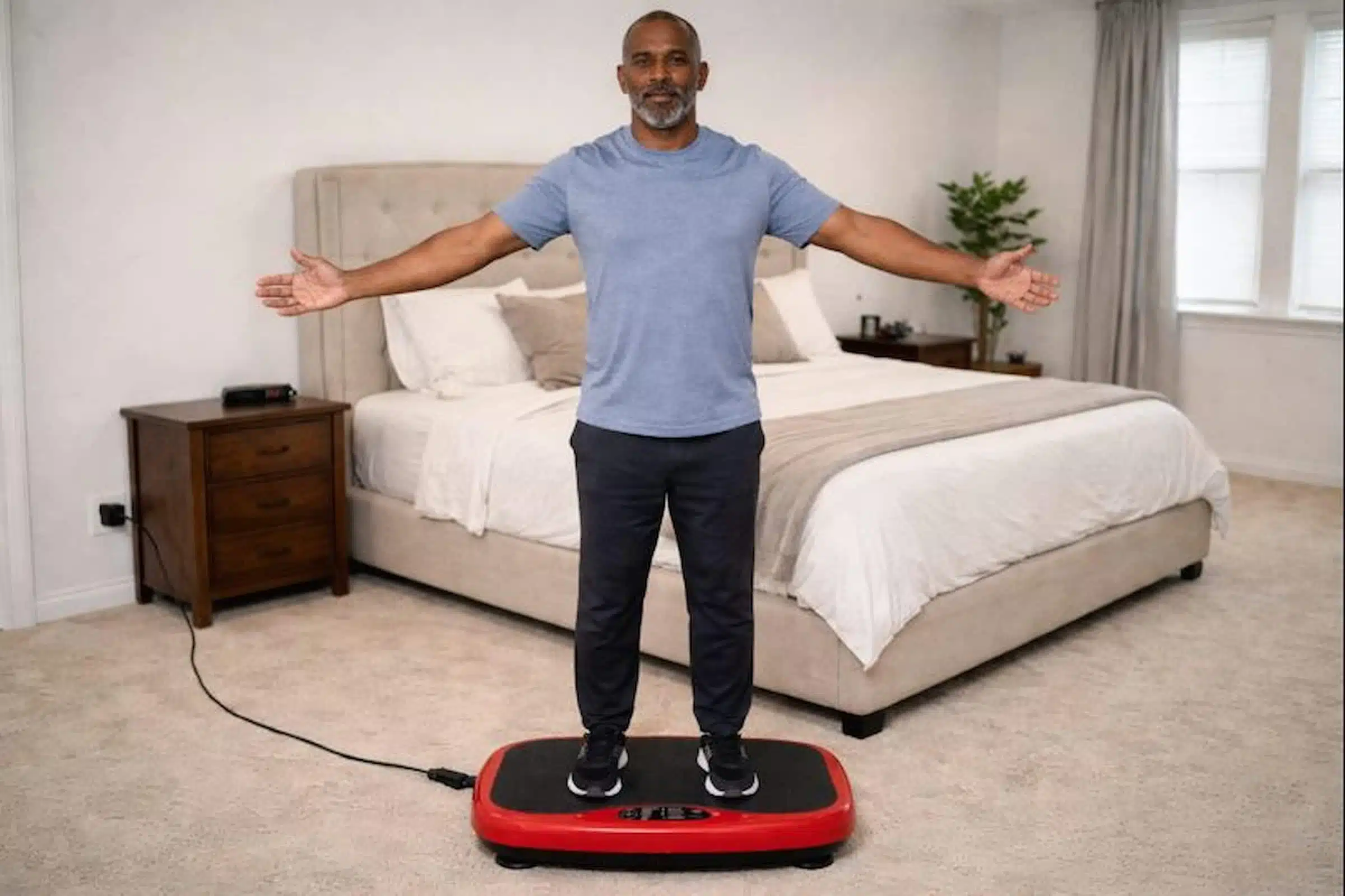
Back pain is not a single condition. It covers a spectrum of issues, from tight muscles after sitting at a desk to nerve irritation caused by a slipped disc. Understanding what type of discomfort you feel helps you decide how to use a vibration plate. Lower back pain often stems from tight hamstrings, weak gluteal muscles, or an overly curved spine. Upper back pain is more likely to come from rounded shoulders, a stiff thoracic spine, or tension in the neck. There are also nerve related conditions like sciatica where pain radiates down the leg. Each type responds differently to movement and vibration therapy.
When using a vibration machine for lower back pain, focus on exercises that activate the core and hips. Standing on the platform with knees slightly bent helps relax the lumbar region and encourages the deep abdominal muscles to work. Adding gentle squats or hip hinges can strengthen the muscles that support your spine. If the discomfort is nerve based, keep the intensity low and avoid any motion that causes sharp pain. Instead, try sitting on a chair and placing your feet on the platform. This indirect approach provides a soothing massage without putting too much pressure on the lower back.
Addressing vibration plate for upper back pain requires a different approach. Because the upper spine and shoulders are involved, kneeling in front of the machine and placing your hands on the platform can help. The vibrations travel up through the arms into the shoulder blades, loosening tight muscles and improving posture. You can also perform gentle push ups or scapular retractions with your hands on the plate to strengthen the upper back. If this is too difficult or painful, explore the benefits of sitting on a vibration plate.
If your back pain is connected to swelling or fluid retention, improved circulation becomes essential. Our best vibration plates for lymphatic drainage article reviews machines that promote fluid movement and may help reduce swelling that contributes to discomfort.
Across all types of vibration machine for back pain, remember that pain is a signal. Use settings that feel comfortable and avoid extreme frequencies or long sessions when symptoms are acute. Each body is different, so tailor your routine based on how your back responds.
Integrating Vibration Plates into Daily Routine
Consistency is key when it comes to back health. Many people ask me how to use vibration plate for lower back pain in a way that fits their lifestyle. The answer is to weave short sessions into your day rather than saving them for a single long workout. In the morning, standing on the plate for five minutes while gently bending your knees and engaging your core can help ease stiffness accumulated overnight.
During the workday, taking a break from sitting can prevent your back from tightening up. When I feel tension building, I stand on the plate and do a few hip swings or calf raises. These micro sessions last only a couple of minutes, yet they refresh my posture and boost circulation. If you work long hours at a desk, stand on the plate occasionally to reset your posture and loosen your hips.
In the evening, combine vibration sessions with stretching or yoga. I often follow a short vibration session with gentle twists and child’s pose to decompress my spine. For those curious about variety, our vibration plate exercises guide offers creative ways to incorporate the plate into your routine, including movements designed for flexibility, strength, and relaxation. You will find routines specifically designed as vibration plate exercises for back pain and lower back pain. Whether you are dealing with chronic discomfort or simply want to maintain a healthy back, spreading out your sessions throughout the day makes it easier to stick with the practice. By maintaining proper posture and listening to your body, you will learn how to use vibration plate for back pain in a way that supports your unique schedule.
Evidence and Research: Does Vibration Help Back Pain
People often wonder, does vibration help back pain or is it just a fad. The available research is mixed. Some small studies have reported reductions in chronic lower back pain and improvements in functional ability after several weeks of vibration therapy. Participants who combined vibration sessions with stretching and strengthening exercises tended to report less stiffness and better posture. These improvements were modest but meaningful, especially for individuals who had lived with discomfort for years. Other studies, however, found little or no difference between vibration and control groups. Researchers note that sample sizes are often small and protocols vary widely, making it hard to draw firm conclusions.
The mixed findings do not mean vibration therapy lacks value. Instead, they suggest it should be seen as one tool among many for managing back issues. The primary vibration for back pain benefit comes from enhanced muscle activation and circulation. When vibrations prompt rapid muscle contractions, they engage stabilizing muscles that may be difficult to activate through conventional exercises. This increased engagement, combined with improved blood flow, can relieve tension and support healing. These are the core vibration plate benefits for back pain that people often feel after a few weeks of consistent use.
As you explore vibration therapy, remain cautious. If you have spinal fractures, disc herniations, or other serious conditions, consult a healthcare provider before beginning. Always start with low settings and short sessions. In my experience, combining vibration with traditional exercise and lifestyle changes offers the best results. Weight management also plays a role in reducing spinal stress. Our best vibration plates for weight loss guide reviews machines designed to support fitness goals, which can indirectly ease back discomfort by promoting overall health.
Comparing Back Pain Vibration Machines and Options
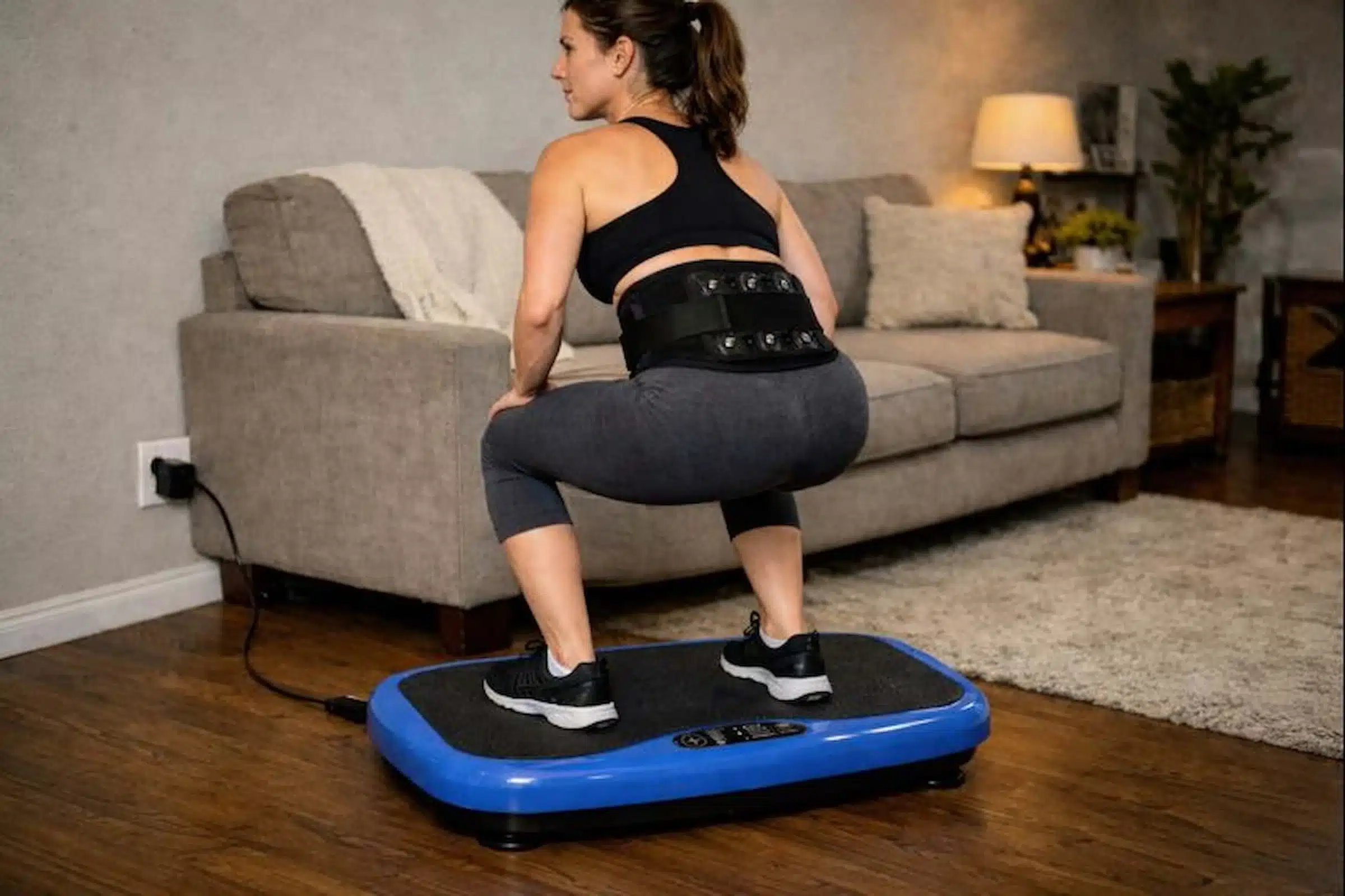
Not all back pain vibration machines are created equal. Some are small and portable, designed to fit under a desk or be stored in a closet. Others are heavy duty platforms with multiple motors and programs. When evaluating options, think about your space, comfort level, and budget. Entry level machines often use oscillating motion with lower amplitude, which can be gentler for people with sensitive backs. Premium models may offer additional directions like linear or pulsating motion and provide handles for balance. These features can enhance workouts but may not be necessary if you only want to relieve tension.
Consider the type of vibration and the control system. Oscillating platforms tilt from side to side, making them more forgiving and suitable for beginners. Vertical or linear machines move straight up and down, creating a stronger stimulus that some people enjoy for strength training. Combination devices include both motions and allow you to switch modes. Frequency range is another factor.
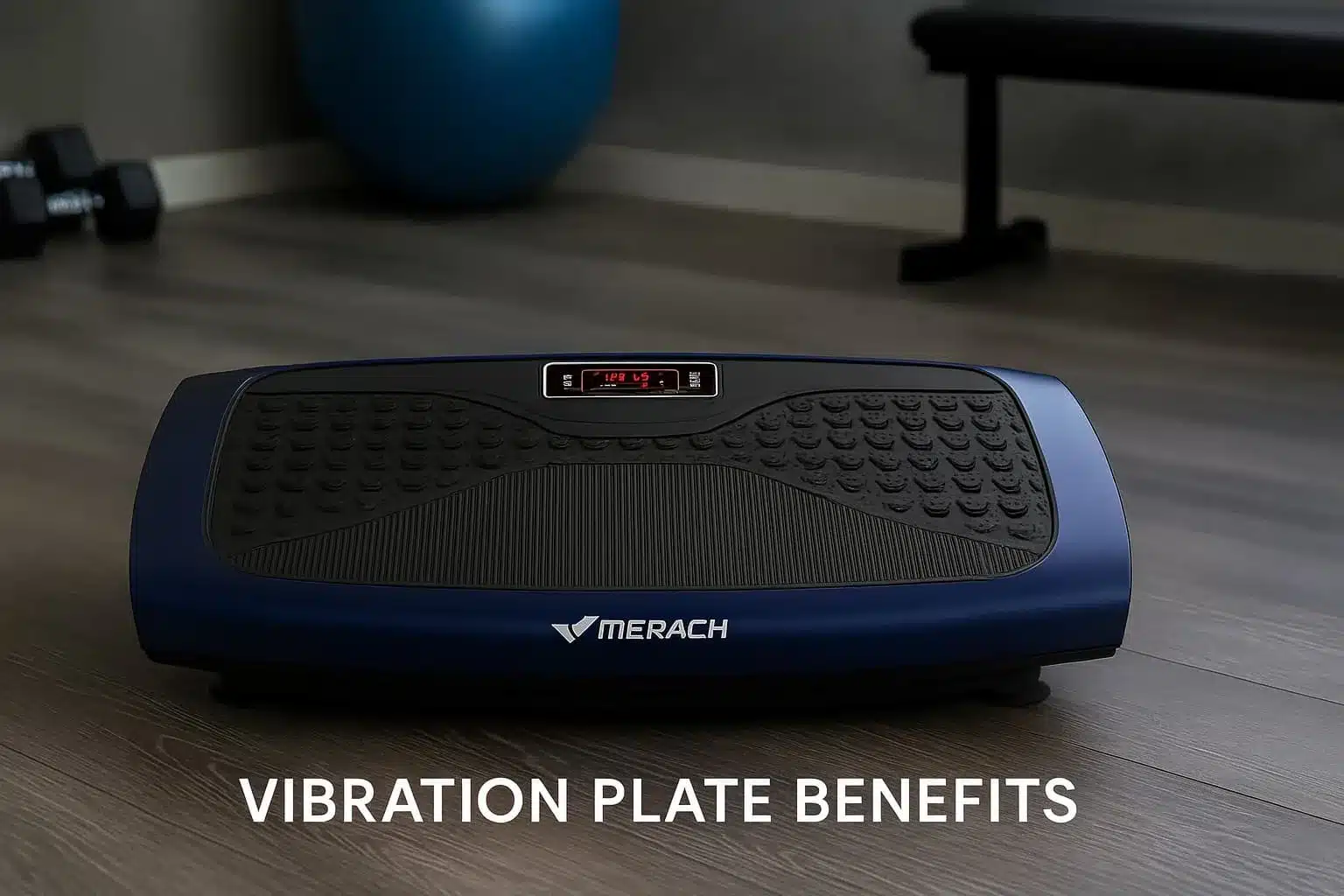
Machines that reach 40 Hz or higher can be intense, so look for units with a low setting if you are just starting out or dealing with pain. If you need a vibration machine for lower back pain specifically, pick a model with a wider platform and sturdy grips so you can perform squats, lunges, and core exercises safely. My best MERACH vibration plate round-up showcases such models.
If you are considering a LifePro model, my best LifePro vibration plates overview discusses various units, including compact plates for small spaces but also advanced 4D plates for all-around workouts.
Portability matters as well. If you plan to use the plate in different rooms, choose a lighter model with wheels. For those with limited space, compact units are easier to store. Our best vibration plates for home use roundup highlights devices that balance performance, quiet operation, and portability. By comparing features and prioritizing what you need, you will find a device that supports your back health without unnecessary extras.
Lifestyle and Holistic Tips for Managing Back Pain with Vibration Therapy
Using a vibration plate can open the door to better back health, but it works best when combined with other habits. Ergonomic adjustments at your desk, regular stretching, and strength training all contribute to spinal stability. Make sure your chair supports your lower back and that your screen is at eye level. Take frequent breaks to stand and stretch. Incorporate core exercises like pelvic tilts and bird dog movements to build endurance in the muscles that protect your spine. These habits complement vibration plate benefits for back pain by addressing the root causes of discomfort.
Nutrition and hydration also play important roles. Excess weight increases strain on the back, so focusing on whole foods, balanced meals, and portion control can lighten the load. Staying hydrated keeps discs and connective tissues supple. For guidance on supportive eating patterns, see our diet for vibration plate therapy article, where I share tips on how to pair your vibration sessions with nutritious foods.
Sleep and stress management are equally important. Aim for seven to nine hours of restful sleep each night, and use pillows that maintain the natural curves of your spine. Practice relaxation techniques such as deep breathing or gentle yoga to calm the nervous system. These practices enhance the benefits of vibration sessions by reducing tension and promoting recovery. If you are experimenting with vibration plate exercises for back pain or vibration plate exercises for lower back pain, listen to your body and adjust your routine accordingly. Over time, the combination of good habits and regular vibration sessions can lead to lasting relief and improved quality of life.
Real Experience: My Journey with the Vibration Machine for Back Pain
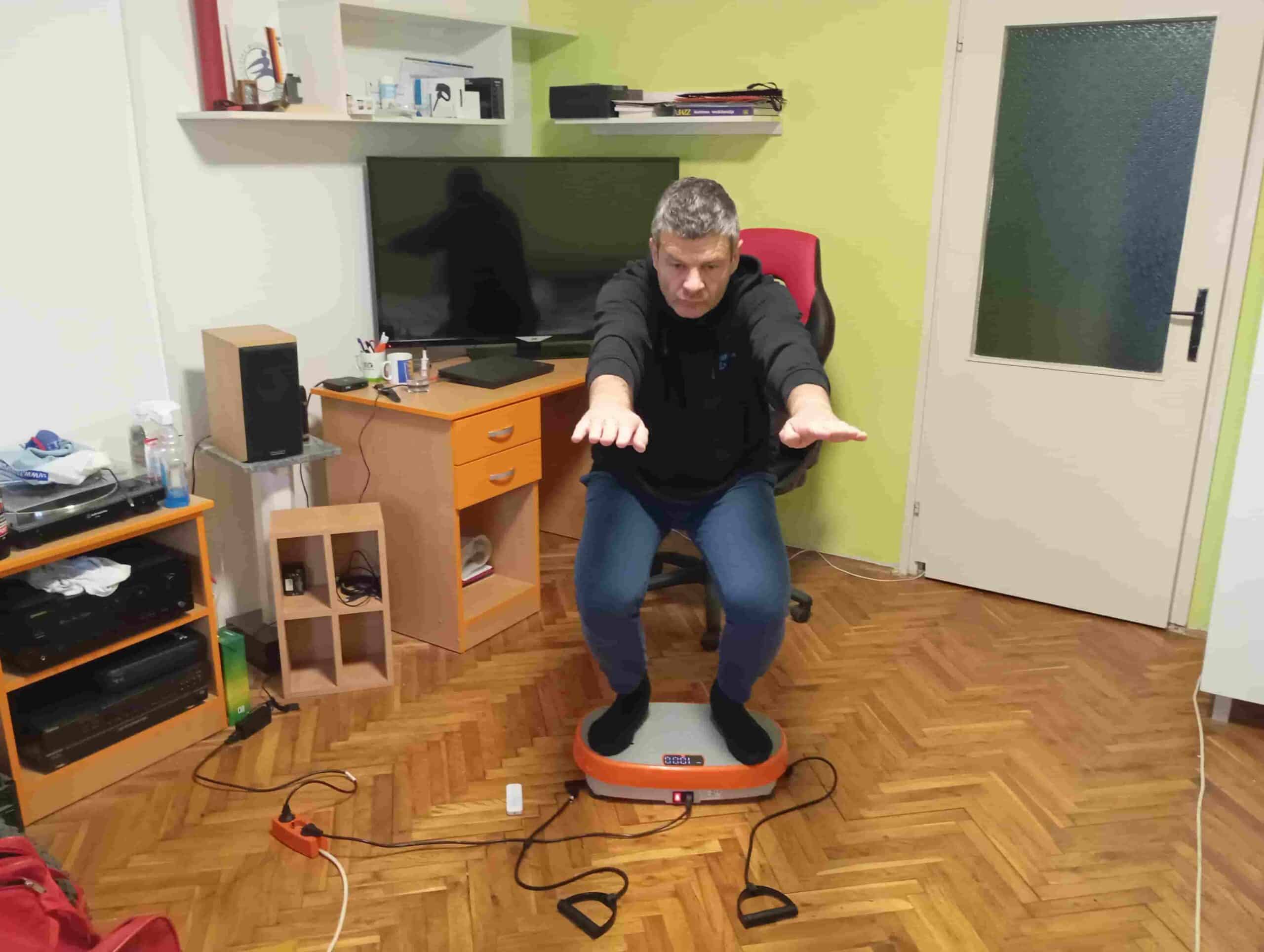
When I first tried a vibration machine for back pain, I was skeptical. My lower back ached after long hours of my work as a kinesiotherapist where I stand a lot while adjusting settings for my patients in therapy. Gentle, occasional stretching provided only temporary relief. A colleague suggested using a vibration plate, so I researched models and chose one with adjustable settings and a sizeable platform.
During the first week, I used it for seven to ten minutes each day, starting with low frequency and amplitude. I felt a gentle tingling in my legs and noticed my posture improving slightly. Within a month, I progressed to 15-minute sessions, adding calf raises and body weight squats.
The most noticeable change was reduced stiffness in the morning. I would wake up feeling less tense, and my core felt stronger. Over time, I incorporated forward bends, cat cow stretches, and lunges on the plate. These movements helped release tension in my hips and lower back, which was critical because my pain often stemmed from tight hip flexors.
I also appreciated how the plate offered variety: on days when I felt fatigued, I simply stood on it and let the vibrations massage my calves and hamstrings. That passive stimulation still increased circulation and loosened muscles without requiring much effort.
Final Thoughts on Vibration Plate Therapy
Exploring vibration therapy for back pain has been a journey of experimentation, learning, and gradual improvement. Vibration plates are not a magical fix, but they can be a valuable tool when used thoughtfully. They encourage muscle activation, improve circulation, and provide a gentle way to stretch and strengthen the back and core. Combining vibration therapy with targeted exercises, ergonomic adjustments, and regular physical activity offers the greatest chance of reducing chronic discomfort.
Before investing in a vibration plate, assess your needs, goals, budget, and available space. Start slowly, prioritize form over intensity, and consult a healthcare provider if you have underlying conditions. Use the plate as part of a holistic approach that includes stretching, strengthening, and lifestyle adjustments. With patience and consistency, you may find that short sessions on a vibration plate help ease back pain and support your overall wellness.
FAQs
How do I use a vibration plate for back pain?
To use a vibration plate for back pain, place your feet shoulder-width apart on the platform, bend your knees slightly, and engage your core. Start with a low frequency and short sessions of five to ten minutes. You can stand still to let the vibrations loosen your muscles, or perform gentle stretches like forward bends and cat cow poses. Gradually introduce squats, planks, and lunges as your stability improves.
Is a vibration plate good for back pain relief?
A vibration plate can be good for back pain relief when used correctly. The gentle oscillations promote muscle relaxation, increase blood flow, and stimulate the deep core muscles that support the spine. These effects may reduce stiffness and improve posture in people with chronic nonspecific back pain. However, vibration therapy should complement, not replace, regular exercise, stretching, and medical care. Individuals with acute injuries or specific spinal conditions should consult a doctor before using a vibration plate.
How long should I use a vibration machine for back pain?
Start with sessions lasting five to ten minutes and gradually work up to 15-20 minutes. Most experts recommend using the plate two to three times per week. Avoid exceeding 30 minutes in a single day and keep frequencies below 40 Hz. Giving your body time to recover between sessions helps prevent fatigue and ensures your muscles adapt safely.
What exercises can I do on a vibration plate for lower back pain?
Effective exercises include forward bends, cat cow stretches, planks, body weight squats, lunges, and calf raises. These movements enhance flexibility, engage the core, and promote blood flow in the lower back and hips. Start with gentle stretches and progress to strength exercises as your stability improves. Always maintain control and proper alignment to avoid strain.
Does vibration help upper back pain?
Vibration can help upper back pain by relaxing tight shoulder and thoracic muscles, improving circulation, and encouraging better posture. To target the upper back, try placing your hands on the plate while kneeling or performing gentle shoulder stretches. The vibrations can reduce tension across the shoulder blades and upper spine. As with lower back pain, consult a healthcare professional if you have specific conditions, and use low settings to prevent discomfort.