
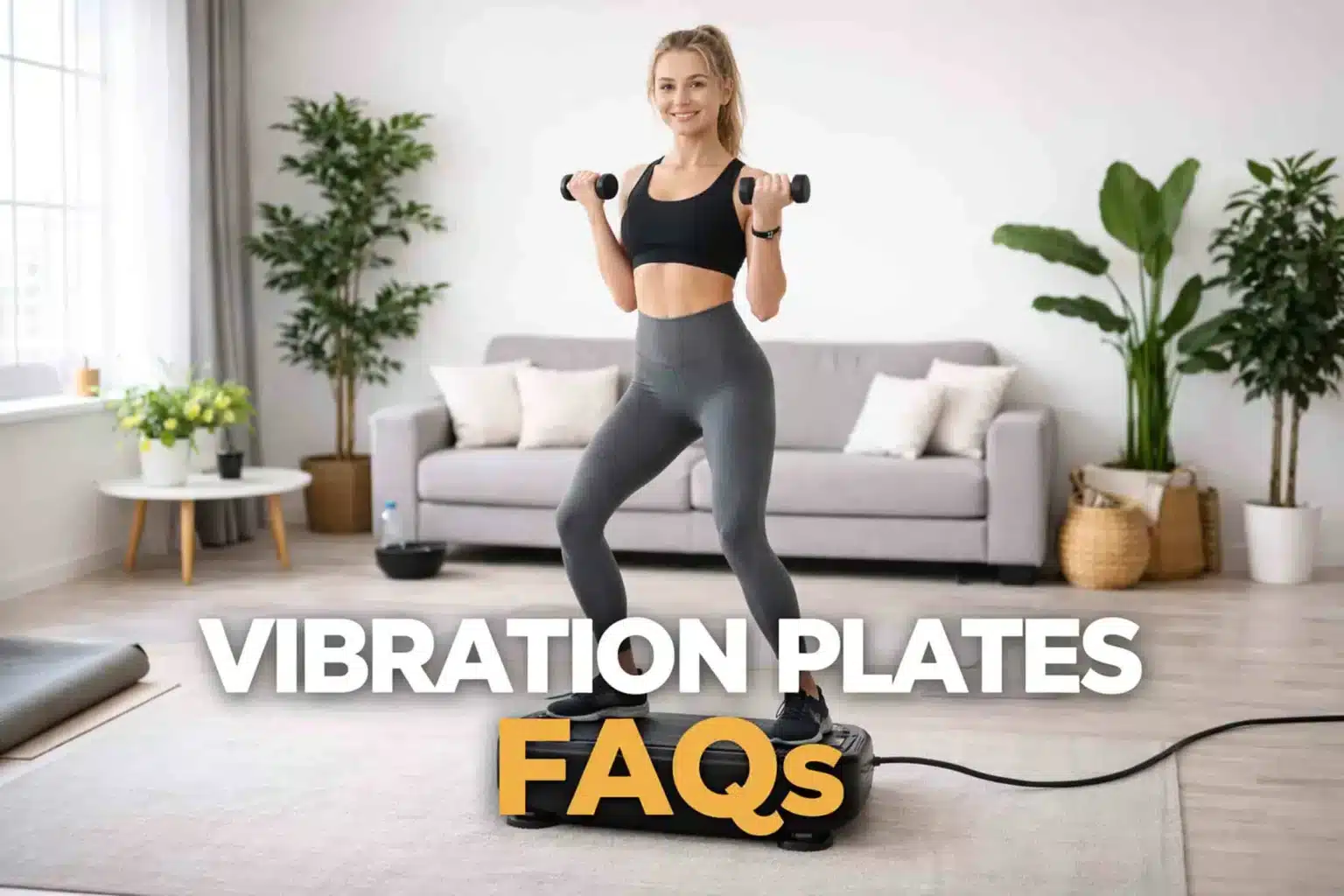
Vibration plates can feel confusing at first, especially when you start seeing mixed opinions online about who should use them, how often, and what results to realistically expect.

About the author: Hello! I’m Vladimir Stanar, professor of physical education, kinesiotherapist, marathon runner, cyclist, and cycling coach, and long-time advocate of health, fitness, and active living.
My journey with vibration plates runs parallel to my professional career in education, sports medicine, and athletic development. I’ve developed a unique process for testing vibration plates as they are some of the most versatile tools for enhancing health, recovery, and performance.
✅ Expert-Reviewed by: Vanja Vukas, MPhEd
📚 Expert Contributor: Milutin Tucakov, MPhEd
At Vibration Plate Zone, we look at vibration plates through the lens of long-term use, recovery, mobility, and realistic home fitness routines.
Whether your focus is weight management, circulation, muscle activation, or supporting joint comfort, small details in how you use a plate can make a big difference. The questions below come from our readers, real users and repeated concerns we see across communities, so you can quickly find reliable answers and feel confident about how vibration training fits into your routine.
Basics and General Understanding
What is a vibration plate?
A vibration plate is a motorized platform that produces rapid, controlled oscillations to stimulate your muscles while you stand, sit, or exercise on it. These vibrations cause small, repeated muscle contractions that can enhance muscle engagement and circulation without heavy loads.
How does a vibration plate work?
A vibration plate oscillates at specific frequencies and amplitudes, creating mechanical signals that trigger reflexive muscle contractions to help you maintain balance on the moving platform. This involuntary response recruits many muscle fibers at once, providing a time efficient stimulus compared with conventional exercises.
What are the different types of vibration plates?
There are mainly two types: oscillating (side to side or pivotal) and vertical (linear) platforms, with some machines offering tri‑planar motion that combines both. Oscillating units rock around a central pivot and are often gentler, while vertical platforms move up and down for a more intense, even vibration.
Are vibration plates the same as whole body vibration therapy?
Yes, whole body vibration therapy uses platforms that vibrate your entire body in a controlled manner, and vibration plates are the consumer versions of this technology. Clinical vibration therapy may use more precise equipment and settings, but the underlying mechanism of stimulating muscles and blood flow is the same.
What is the science behind vibration plate exercise?
The science relies on the stretch reflex: rapid vibrations trigger your muscles to contract reflexively, leading to thousands of contractions per minute and almost full muscle recruitment. This activation boosts blood flow and can improve strength, balance and circulation when used properly.
Is vibration training something new?
No, the concept has been studied for decades; it was originally used to help cosmonauts maintain bone and muscle mass in low gravity environments and was later adopted by athletes and rehabilitative clinicians. Research into whole body vibration has grown over the past forty years, though evidence varies by outcome.
Do vibration plates replace regular exercise?
Vibration plates should not replace aerobic and strength training because they do not provide the full range of cardiovascular and muscular benefits. They are best used as a supplement to regular workouts to enhance muscle engagement or add variety.
Do doctors recommend vibration plates?
Major medical organizations have not issued broad recommendations because evidence for many claimed benefits is limited. Healthcare providers may suggest them for specific cases such as limited mobility or rehabilitation, but you should consult your doctor before starting if you have any health conditions.
Are vibration plates just a fitness fad?
While social media has boosted their popularity, vibration plates are grounded in physiological principles and have been used in research and sports settings for decades. However, they are not a magic solution and should be viewed as one tool among many for improving fitness and well being.
What is the resonance frequency mentioned in vibration plate discussions?
Resonance frequency refers to the natural vibration frequency of body tissues; internal organs and the spine resonate between about five and twenty hertz, and using a device at or below that range could be uncomfortable or harmful. Quality machines operate at higher frequencies (roughly twenty to fifty hertz) to avoid resonance and deliver safe stimulation.
Benefits and Effects
Do vibration plates actually work?
Research shows that vibration plates stimulate muscle contractions and can modestly improve strength, circulation and neuromuscular function. Benefits are most pronounced when combined with traditional exercises rather than from passive standing.
What are the benefits of using a vibration plate?
Potential benefits include improved muscle strength, better blood flow, enhanced balance, modest calorie burn and reduced muscle soreness. Some evidence suggests that regular use may support bone density, flexibility and lymphatic flow, especially in populations with limited mobility.
Does a vibration plate improve muscle strength?
Yes, vibration training recruits a high percentage of muscle fibers, leading to comparable or slightly improved strength gains relative to conventional resistance training. Gains are due to enhanced neurological activation rather than muscle size and occur more efficiently when combined with other forms of exercise.
Can vibration plates boost blood circulation?
Vibrations cause muscles to contract rhythmically, acting like a pump that pushes blood through small vessels and enhancing peripheral circulation. Improved circulation may aid recovery, reduce swelling and increase nutrient delivery to tissues.
Can vibration plates help reduce cellulite?
Small studies and anecdotal reports suggest that vibration training may reduce the appearance of cellulite by improving circulation and stimulating connective tissue. Results vary, and meaningful changes typically require consistent use along with exercise and a healthy lifestyle.
Are vibration plates good for improving balance?
Standing on a vibrating platform challenges your postural muscles, which can improve balance and stability over time. Older adults have shown better ability to stand from a chair and less wobbling after weeks of vibration training.
Do vibration plates aid flexibility?
Vibration exercises can increase flexibility by stimulating muscle relaxation and improving joint mobility. Enhanced flexibility is often noted when vibration training is combined with stretching routines.
Can vibration plates help relieve pain?
Some users report temporary relief from muscle soreness or mild back pain due to increased blood flow and muscle relaxation. However, they are not a treatment for chronic pain conditions and should not replace medical care.
Do vibration plates lower stress levels?
Short vibration sessions may promote relaxation and reduce stress by stimulating blood flow and releasing tension in muscles. These effects are modest and should complement other stress management strategies like exercise and mindfulness.
Can vibration plates improve bone density?
Low intensity vibration may support bone maintenance, particularly in people with bone loss, by providing mechanical signals similar to muscle contractions. Evidence is mixed, and vibration training should not replace weight bearing exercise or medications prescribed for osteoporosis.
Is vibration training beneficial for seniors?
Older adults may benefit from improved balance, circulation and gentle muscle strengthening when using vibration plates. Sessions should be supervised and kept short with lower intensities to avoid dizziness or joint strain.
Are vibration plates useful for rehabilitation?
Clinicians sometimes incorporate vibration platforms into rehabilitation to stimulate muscles without heavy loads, helping individuals with limited mobility regain strength and balance. Treatment plans should be tailored by healthcare professionals to the patient’s condition and tolerance.
Do vibration plates help with postpartum recovery?
There is no solid evidence that vibration plates speed postpartum recovery, and new mothers should avoid them until cleared by their doctor. The hormonal and musculoskeletal changes after pregnancy require gentle, doctor approved exercise before adding vibration.
Weight Loss
Do vibration plates help you lose weight?
Vibration plates can modestly increase calorie burn and muscle activity but are not a stand alone weight loss solution. Effective weight loss still requires a calorie controlled diet and regular aerobic exercise.
How many calories does using a vibration plate burn?
Standing on a vibration plate burns about as many calories as slow walking; a twenty minute session may expend roughly thirty five to forty five calories. Performing dynamic exercises like squats or lunges on the platform increases energy expenditure beyond passive use.
Can vibration plates reduce belly fat?
Some studies suggest whole body vibration training may reduce abdominal fat when combined with diet and exercise. The effect is modest, and results vary widely between individuals.
Do vibration plates target specific areas like thighs or arms?
Vibration plates do not selectively burn fat in specific body parts; weight loss occurs throughout the body based on overall energy balance. Targeted exercises on the plate can tone muscles in particular regions but will not spot reduce fat.
Can vibration plates help with obesity or metabolic syndrome?
Vibration therapy may improve muscle strength and circulation, which can support weight loss efforts in overweight individuals. It should be combined with dietary changes and medical guidance, and overweight users should start at low intensity and gradually progress to avoid joint strain.
Do vibration plates help reduce visceral fat around internal organs?
Limited studies show that vibration training, particularly when paired with diet and exercise, can reduce visceral fat. The effect is modest, and broader lifestyle interventions remain essential for reducing abdominal fat.
Lymphatic Drainage
Do vibration plates help with lymphatic drainage?
The rapid muscle contractions stimulated by a vibration plate can act as a gentle pump to move lymph fluid, which may reduce swelling and improve waste removal. Early research and anecdotal reports suggest that vibration plates can support lymphatic flow but should be used alongside movement and medical advice.
Are vibration plates effective for lymphatic health compared with manual drainage?
Vibration plates can enhance lymph flow by stimulating muscles and creating pressure changes in tissues. Manual lymphatic drainage therapy remains the primary treatment for managing lymphatic disorders, and vibration should be considered a complementary tool under professional guidance.
Lymphedema
Can vibration plates assist with lymphedema or chronic swelling?
Vibration therapy may help lymphedema by stimulating muscle contractions that move lymph fluid and reduce swelling. It should be used as part of a broader self care routine and with guidance from a lymphatic therapist to ensure safety.
Neuropathy
Do vibration plates relieve neuropathy symptoms?
Some users with mild peripheral neuropathy report reduced tingling and improved circulation after vibration sessions. People with severe neuropathy or numbness should consult a doctor before using a vibration plate to avoid injuries from lack of sensation.
Osteoporosis
Are vibration plates safe for people with osteoporosis?
Vibration training can stimulate muscle and bone and may benefit those with osteoporosis, but intensities must be low and movements controlled. Always seek guidance from a healthcare provider to avoid fractures.
Can vibration plates improve bone density?
Vibration plates may help maintain or modestly improve bone density by providing low impact mechanical stimulation. They should not replace weight bearing exercise or prescribed medical treatments for osteoporosis.
Arthritis
Can people with arthritis or joint disorders use vibration plates?
Low impact vibration can help strengthen muscles around arthritic joints without heavy loading, potentially easing pain and improving function. However, intensities must be moderate, and individuals should consult a physiotherapist for tailored programs.
Plantar Fasciitis
Can vibration plates help with plantar fasciitis?
Using a vibration plate may increase blood flow to the feet and gently stretch the plantar fascia, providing temporary relief from stiffness and pain. It should complement standard treatments such as rest, stretching, supportive footwear and medical guidance, as research on vibration plates for plantar fasciitis is limited.
Health Conditions and Medical Concerns
Are vibration plates safe for everyone?
No, people with certain conditions should avoid vibration training, including those with heart disease, recent surgery, implanted devices such as pacemakers or joint replacements, epilepsy, acute inflammation, severe diabetes, gallstones or thrombosis. Pregnant individuals, children under twelve and anyone with serious musculoskeletal or neurological issues should consult a doctor before use.
Can pregnant women use vibration plates?
Vibration plates are generally not recommended during pregnancy due to potential risks to the fetus and lack of research. Pregnant people should choose safer forms of exercise and discuss options with their healthcare provider.
Are vibration plates safe for children?
Children younger than twelve should not use vibration plates without medical approval. Adolescents may use them under supervision with appropriate intensity and session duration to protect growing bones and joints.
Are vibration plates safe for people with implants or metal screws?
Individuals with pacemakers, joint replacements or other implanted devices should avoid vibration plates unless cleared by a physician. Vibrations could interfere with device function or loosen surgical hardware.
Can vibration plates aggravate back problems?
People with acute herniated discs, spinal instability or severe back pain should avoid whole body vibration. In some cases, low intensity vibration under medical supervision may assist rehabilitation, but caution is essential.
Do vibration plates help with fibromyalgia?
Vibration training may improve flexibility and muscle strength in people with fibromyalgia, but evidence is limited. Users should start at low intensity and monitor for increased pain or fatigue.
Are vibration plates suitable for people with diabetes?
Some studies indicate that vibration training may aid circulation and nerve function in people with diabetes, but those with advanced neuropathy or foot ulcers should avoid it. Medical supervision is important, particularly when sensation is reduced.
Can vibration plates be used by people with cardiovascular disease?
Individuals with serious heart conditions, rhythm disorders or uncontrolled hypertension should avoid vibration plates. Mild use may be acceptable in certain cases, but only under medical guidance to monitor heart response.
Are vibration plates safe after surgery or injury?
Use after surgery or acute injury should be postponed until healing is complete and a doctor approves activity. The vibrations could disrupt healing tissues or hardware.
Do vibration plates help with varicose veins?
Vibration plates can temporarily improve circulation and reduce swelling or heaviness in the legs. They do not treat the underlying vein disease, so anyone with persistent varicose veins should seek medical evaluation.
Can vibration plates help with Parkinson’s disease or multiple sclerosis?
Research is limited, but some rehabilitation programs use low intensity vibration to improve balance and muscle activation in neurological conditions. Patients should only use vibration therapy under supervision of healthcare providers who can tailor protocols to their needs.
Are vibration plates safe?
When used correctly at appropriate frequencies and durations, vibration plates are generally safe for healthy adults. Overuse, excessive intensity or use by people with contraindications can lead to dizziness, joint strain or other adverse effects.
What are the common side effects of using a vibration plate?
Some users experience temporary nausea, headaches, joint discomfort or dizziness, especially at high settings. Limiting session length, staying hydrated and gradually increasing intensity can minimize these effects.
Who should not use a vibration plate?
You should avoid vibration plates if you are pregnant, have a pacemaker or metal implants, recent surgery, acute inflammation, severe cardiovascular disease, epilepsy, gallstones, kidney stones or thrombosis. People with advanced osteoporosis, spinal conditions or severe diabetes should consult a physician before use.
Can vibration plates cause injuries?
Improper use or high intensities can strain muscles, joints and the spine, and there is a risk of falls if balance is poor. Always use correct posture, hold handrails if needed and stop if you feel pain or instability.
Do vibration plates cause headaches or dizziness?
Yes, prolonged or high frequency sessions may lead to headaches or dizziness due to vibration exposure. If these symptoms occur, reduce frequency and duration or discontinue use until you consult a professional.
Can vibration plates damage internal organs?
Lying or sitting on a vibration plate can transmit vibrations to your abdomen and chest, which may be harmful to internal organs. Only perform standing or supported exercises that keep vibrations focused on muscles rather than internal organs.
Are vibration plates safe for eyes or teeth?
There is no evidence that moderate vibration affects eye or dental health, but those with eye implants or recent dental work should exercise caution. High intensity vibrations could theoretically loosen dental implants or cause discomfort, so discuss with your dentist if concerned.
Is it safe to use a vibration plate barefoot?
Barefoot use is generally safe and may enhance proprioception, but wearing supportive shoes can protect your feet and joints during higher amplitudes or dynamic exercises. The choice depends on comfort, balance and manufacturer recommendations.
Should you use handrails or supports when using a vibration plate?
Beginners and individuals with balance issues should use handrails or supports to prevent falls and maintain proper posture. As balance improves, you can gradually perform exercises without support for greater challenge.
Can using a vibration plate too long be harmful?
Yes, extended sessions or daily high intensity use may increase the risk of adverse effects like joint strain, headaches or fatigue. Most guidelines suggest limiting sessions to about ten to twenty minutes, two to three times per week.
Is whole body vibration safe for hearing?
The mechanical noise of vibration plates is generally low and should not damage hearing when used appropriately. To minimize noise exposure, operate the machine on a stable surface and maintain mechanical components.
Are there long term health risks associated with vibration plates?
Prolonged exposure to vibration at high intensities can cause musculoskeletal or nerve issues similar to occupational vibration exposure. Using high quality equipment within safe frequency ranges and following guidelines reduces this risk.
Do vibration plates have any contraindications for dental braces or fillings?
No evidence suggests moderate vibration affects dental fillings or braces, but those with dental implants may wish to consult their dentist. Avoid clenching your teeth or placing the machine near your head during use.
Can vibration plates trigger seizures?
Individuals with epilepsy should not use vibration plates because strong vibrations could provoke seizures. Always follow medical advice for exercise if you have neurological conditions.
Usage Guidelines and Sessions
How long should you use a vibration plate per session?
Most experts recommend sessions of about ten to twenty minutes to gain benefits without overexposure. Beginners should start with shorter durations and gradually increase as their body adapts.
How often should you use a vibration plate each week?
Training three times per week is adequate for strength gains, while daily use of shorter sessions may help with recovery. Always allow at least twenty four hours between intense sessions for the same body part to promote recovery.
Can you use a vibration plate every day?
Light sessions can be used daily for stretching or recovery, but intense workouts should be limited to three to four times per week to avoid overuse. Listening to your body and allowing rest will reduce the risk of side effects.
What is the best time of day to use a vibration plate?
There is no universally best time; you can use it during warm up, as a workout, or for recovery after exercise. Avoid using it right before bedtime if vibrations make you feel stimulated or dizzy.
How do you set the frequency and amplitude on a vibration plate?
Start with lower frequencies around twenty to thirty hertz and small amplitudes to get used to the sensation. As you progress, adjust the frequency and amplitude according to your goals and manufacturer guidelines; higher settings engage muscles more intensely.
How should beginners use a vibration plate?
Begin with simple standing or stretching exercises at low intensities for five to ten minutes to familiarize your body with the vibrations. Gradually add dynamic movements like squats, lunges or planks as balance and strength improve.
Should you warm up before using a vibration plate?
Yes, a short warm up like walking or gentle stretching prepares your muscles and joints for the vibrations and reduces injury risk. Warming up also enhances flexibility and helps you maintain proper form.
What is the recommended rest period between vibration sessions?
A minimum of twenty four hours between intense sessions for the same muscle group is advisable. This rest allows muscles to recover and adapt to the stimulus, similar to traditional strength training.
Are there specific breathing techniques to use on a vibration plate?
Maintain normal breathing throughout exercises to ensure adequate oxygen supply and prevent dizziness. Avoid holding your breath during static holds or intense exercises.
Can you sit or lie on a vibration plate?
No, sitting or lying on the plate can transmit vibrations to internal organs and is unsafe. Only perform standing exercises or supported positions that keep vibrations concentrated in the muscles and limbs.
Should you use shoes or go barefoot on a vibration plate?
Both are acceptable; barefoot use can improve proprioception and balance, while athletic shoes provide cushioning and reduce stress on joints. Choose whichever feels more stable and comfortable for your goals.
Can vibration plates be used as a warm up or cool down tool?
Yes, short sessions at low intensity can help increase blood flow before a workout and promote recovery afterward. They should complement, not replace, traditional warm up and stretching routines.
Exercises and Training Techniques
What exercises can you do on a vibration plate?
Common movements include squats, lunges, calf raises, planks, push ups and bridges performed while the platform vibrates. You can also do dynamic stretches and balance drills to enhance flexibility and proprioception.
Are there exercises you shouldn’t do on a vibration plate?
Avoid lying or sitting exercises that expose your torso to vibrations, such as sit ups or crunches, because they can stress internal organs. Focus on standing or supported positions like squats, lunges and calf raises that keep the vibrations safe and effective.
Can you do push ups on a vibration plate?
Yes, placing your hands on the vibrating platform for push ups can increase muscle activation in your arms and core. Ensure your wrists are stable and maintain proper alignment to avoid strain.
Do squats on a vibration plate enhance results?
Performing squats on a vibration plate increases muscle engagement in the legs, glutes and core, making the exercise more challenging. Keep your knees aligned with your toes and use proper form to prevent knee strain.
Are lunges effective on a vibration plate?
Lunges on a vibration platform challenge balance and activate stabilizing muscles. Start with static lunges before progressing to dynamic variations to maintain safety.
Can you perform plank exercises on a vibration plate?
Yes, planks on a vibrating surface intensify core activation. Keep your body in a straight line and avoid sagging at the hips to maximize benefits.
What are the best beginner exercises on a vibration plate?
Begin with static holds like half squats, calf raises and gentle stretching to acclimate to the vibration. These movements provide a solid foundation before attempting more complex exercises.
Is stretching on a vibration plate beneficial?
Stretching on a vibrating platform can enhance flexibility and help relax tight muscles. Keep the frequency low and move slowly to avoid overstretching.
Can you do Pilates or yoga on a vibration plate?
Many Pilates and yoga movements can be adapted to a vibration plate, but modifications may be needed to ensure stability and proper alignment. Use low frequencies and avoid positions that put your torso directly on the vibrating surface.
Should you hold hand weights while using a vibration plate?
Hand weights or resistance bands can increase the difficulty of exercises on a vibration plate. Start with light weights and focus on form to prevent loss of balance.
Product Selection, Features and Maintenance
What features should you look for in a vibration plate?
Important features include a sturdy build, adjustable frequency and amplitude, non slip surface, safety rails or handles, and simple controls. Premium models often have preset programs and accessories for varied workouts.
Are expensive vibration plates worth it?
Higher priced models typically provide more consistent vibrations, greater durability and better safety features, which can justify the cost for frequent users. For occasional use, a mid range machine with basic settings may suffice.
How do you choose the right vibration plate for your goals?
Choose a plate with higher frequencies and amplitude if your goal is muscle toning, moderate settings for weight loss, and gentle vibrations for flexibility and balance. Consulting an expert or reading manufacturer guidelines can help match a device to your needs.
What is the difference between oscillating and linear vibration plates?
Oscillating plates pivot from the center, producing side to side movement that is gentler and often more comfortable for beginners. Linear plates move up and down, delivering stronger vertical vibrations suited for advanced users seeking higher intensity.
Do vibration plates come with preset programs?
Many modern plates include preset workout programs with varying frequencies, durations and rest intervals. These programs can help beginners structure their sessions and progressively increase intensity.
How do you maintain a vibration plate?
Keep the machine clean by wiping it after use, inspect for loose parts regularly and place it on a firm, level surface. Disconnect the power when not in use and follow the manufacturer’s service schedule to ensure longevity.
Is it necessary to wear shoes on a vibration plate?
Shoes are not mandatory but may provide cushioning and support, especially at higher frequencies or when doing dynamic movements. Barefoot use can improve foot muscle activation and balance; choose based on comfort and safety.
Can vibration plates be noisy?
Quality machines have vibration dampening and are relatively quiet; cheaper models may produce more noise. Placing the unit on a mat can reduce vibration transmission to floors and minimize sound.
Do vibration plates need special electrical requirements?
Most consumer vibration plates plug into standard household outlets. Check the voltage and ensure the outlet meets the manufacturer’s specifications to avoid electrical issues.
Are there warranties for vibration plates?
Reputable manufacturers offer warranties covering parts and labor, often ranging from one to three years. Reading the warranty terms before purchase ensures you know what is covered and how to request service.
Additional Considerations and Comparisons
Is a vibration plate better than a rebounder or mini trampoline?
Both tools stimulate muscles and balance, but rebounders rely on jumping and gravitational forces, while vibration plates rely on mechanical oscillations. Choice depends on personal preference, joint health and fitness goals.
How does a vibration plate compare with walking or running?
Walking and running provide cardiovascular benefits that vibration plates cannot replicate; vibration training mainly targets muscle activation. Using a vibration plate can complement walking or running but should not replace regular aerobic exercise.
Can vibration plates be used with resistance bands or weights?
Yes, combining bands or weights with vibration training increases muscle challenge and allows for a wider range of exercises. Always maintain good form and start with light resistance to avoid injury.
Do vibration plates improve posture?
Vibration training engages core and stabilizing muscles, which may enhance posture over time. Consistent practice alongside mobility and strength exercises yields the best results.
Are there psychological benefits to using a vibration plate?
Some users report improved mood and reduced perceived stress after vibration sessions, likely due to endorphin release and the relaxing effect of muscle stimulation. These benefits are modest and should complement broader mental health strategies.
Can vibration plates be used outdoors or on uneven surfaces?
Vibration plates need a flat, stable surface to operate safely and effectively. Uneven or soft surfaces may cause instability or reduce the effectiveness of the vibrations.
Are vibration plates suitable for offices or small spaces?
Compact models are available for home or office use and occupy minimal space. Ensure there is enough room around the plate for safe movement and that floor vibration does not disturb others.
Can vibration plates help with sports performance?
Athletes may use vibration plates to enhance neuromuscular activation, warm up muscles and recover after intense training. They should be integrated into a comprehensive training program rather than used as a primary performance tool.
Do vibration plates affect hormone levels?
Brief vibration sessions can modestly reduce stress hormones like cortisol and stimulate anabolic hormones through muscle activation. The hormonal impact is not significant enough to replace exercise or nutritional interventions.
Can vibration plates improve circulation in people with venous insufficiency?
Vibration therapy can temporarily increase venous blood flow and reduce leg swelling, providing symptomatic relief. It does not correct underlying valve damage or venous reflux, so medical evaluation and treatment remain necessary.
Do vibration plates help with recovery after vein procedures?
Under a physician’s guidance, low intensity vibration may support circulation and recovery after vein ablation or similar procedures. Always follow postoperative instructions, prioritize walking and calf pumps and wait until approved to resume vibration therapy.
How does vibration training compare to static stretching for flexibility?
Vibration assisted stretching may enhance flexibility more quickly than static stretching alone by promoting muscle relaxation and increasing blood flow. Both methods are useful, and combining them can yield better results.
Healthcare and Medical Disclaimer
The information provided on Vibration Plate Zone is for general informational purposes only and is not intended to replace professional medical advice, diagnosis, or treatment. Always seek the guidance of a qualified healthcare provider with any questions you may have regarding a medical condition, and never disregard or delay seeking professional advice.