Affiliate Disclosure: Vibration Plate Zone is a proud participant in the Amazon Services LLC Associates Program.

About the author: Hello! I’m Vladimir Stanar, professor of physical education, kinesiotherapist, marathon runner, cyclist, and cycling coach, and long-time advocate of health, fitness, and active living.
My journey with vibration plates runs parallel to my professional career in education, sports medicine, and athletic development. Over time, I’ve come to see vibration plates as one of the most versatile tools for enhancing health, recovery, and performance.
✅ Expert-Reviewed by: Vanja Vukas, MPhEd
📚 Expert Contributor: Milutin Tucakov, MPhEd
If you’re curious about using a vibration plate before bed, you’re not alone. These machines are often marketed for weight loss, recovery and flexibility, but many people want to know whether a few minutes of gentle vibration can also help them unwind at night.
In my experience, a vibration plate can be a surprisingly calming tool when used correctly come bed time. It may improve circulation and release feel‑good endorphins, making it easier to drift off to sleep. However, it isn’t a one‑size‑fits‑all solution. Timing, intensity and your personal health history matter a lot. This article draws from scientific research, expert advice and my own usage to help you decide if incorporating a vibration plate into your bedtime routine is right for you.
What Happens When You Use a Vibration Plate Before Bed?
Whole‑body vibration therapy works by sending small mechanical vibrations through your body. When you stand, sit or perform light stretches on the platform, your muscles contract rhythmically. These contractions increase blood flow, activate sensory receptors and promote the release of hormones and neurotransmitters. In one report on vibration therapy, researchers noted that the gentle movements stimulate sensory receptors throughout the body and encourage the release of endorphins, which can create a calming effect.
Improved blood flow may also raise serotonin levels, a hormone that helps regulate sleep–wake cycles. From my perspective, this combination of physical relaxation and hormonal changes is what makes a vibration plate appealing for pre‑bedtime use.
Benefits of Using a Vibration Plate Before Bed
Research exploring vibration and sleep backs up some of these observations. A study involving older women added vibration training to a basic exercise program. After 12 weeks, those who used vibration saw significant improvements in sleep quality and total sleep hours compared with the control group, and they used fewer sleep medications.
Another small pilot study looked at closed‑loop vibration stimulation during sleep. Participants reported no difference in how long it took to fall asleep, but they experienced better overall sleep quality and less time awake after initially dozing off.
These findings suggest that low‑frequency vibration might enhance aspects of sleep, even though more research is needed.
Stress and Anxiety Relief
One of the main reasons people try a vibration plate before bed is to manage stress. The rhythmic vibrations engage your muscles without strenuous effort. Researchers at Yawnder note that the gentle oscillations activate sensory receptors and encourage endorphin release, which helps reduce stress and anxiety.
Lower stress levels can make it much easier to unwind at night. When I incorporate a short, low‑intensity session into my bedtime routine, I notice my muscles feel looser and my mind feels calmer. This relaxation effect may be especially helpful if anxiety is what keeps you awake.
Improved Circulation and Relaxation
Another benefit relates to blood flow. Vibration therapy increases microcirculation by prompting repeated muscle contractions. Studies show that improved circulation allows oxygen and nutrients to reach tissues more effectively. If you’re interested in how vibration therapy can help with circulation and recovery during the day, explore our vibration plates for lymphatic drainage guide.
Enhanced blood flow may also raise serotonin levels, the hormone that influences your circadian rhythm. That’s why some users report feeling more ready for bed after a gentle session. When I stand on my vibration plate and perform slow calf raises, I can feel warmth spreading through my legs. This improved circulation helps my body relax, similar to a light massage. For the added benefits of red light therapy in combination with WBV, read my Lifepro VibraRed review.
Better Sleep Quality
Can using a vibration plate at night actually help you sleep? Evidence suggests it can. In the study of older women who added vibration training to their regular workouts, participants saw significant improvements in sleep quality and total sleep time after three months.
Another experiment tested closed‑loop vibration stimulation during sleep and found that, while it didn’t shorten the time it took to fall asleep, it did improve perceived sleep quality and reduced the time spent awake after first dozing off.
People with insomnia or restless leg syndrome may benefit from this gentle stimulation because it eases tension and reduces the urge to move. I’ve found that a short session about an hour before bed leaves me feeling calmer and more prepared for sleep.
Relief for Restless Leg Syndrome
Restless leg syndrome (RLS) causes unpleasant sensations in the legs and an urge to move them, often worsening at night. Vibration therapy can reduce these symptoms by stimulating circulation and relaxing muscles. The vibration therapy website notes that a 10‑minute session before bedtime may ease RLS symptoms and promote a more restful night by improving microcirculation and relaxing muscles.
While I don’t have RLS, I occasionally experience leg cramps after long runs or bike rides on rugged terrain. A brief evening session helps lessen the discomfort and prevents twitching when I lie down.
Mood and Hormone Regulation
Gentle vibration may also positively influence hormone levels. Rhythmic muscle contractions stimulate the production of endorphins and serotonin, both of which can improve mood and encourage relaxation. Studies on vibration therapy and brain activity indicate that the vibrations can modulate the nervous system and influence sleep‑related brain waves. I’ve noticed that using my vibration plate after a stressful day improves my mood, making it easier to transition into bedtime routines.
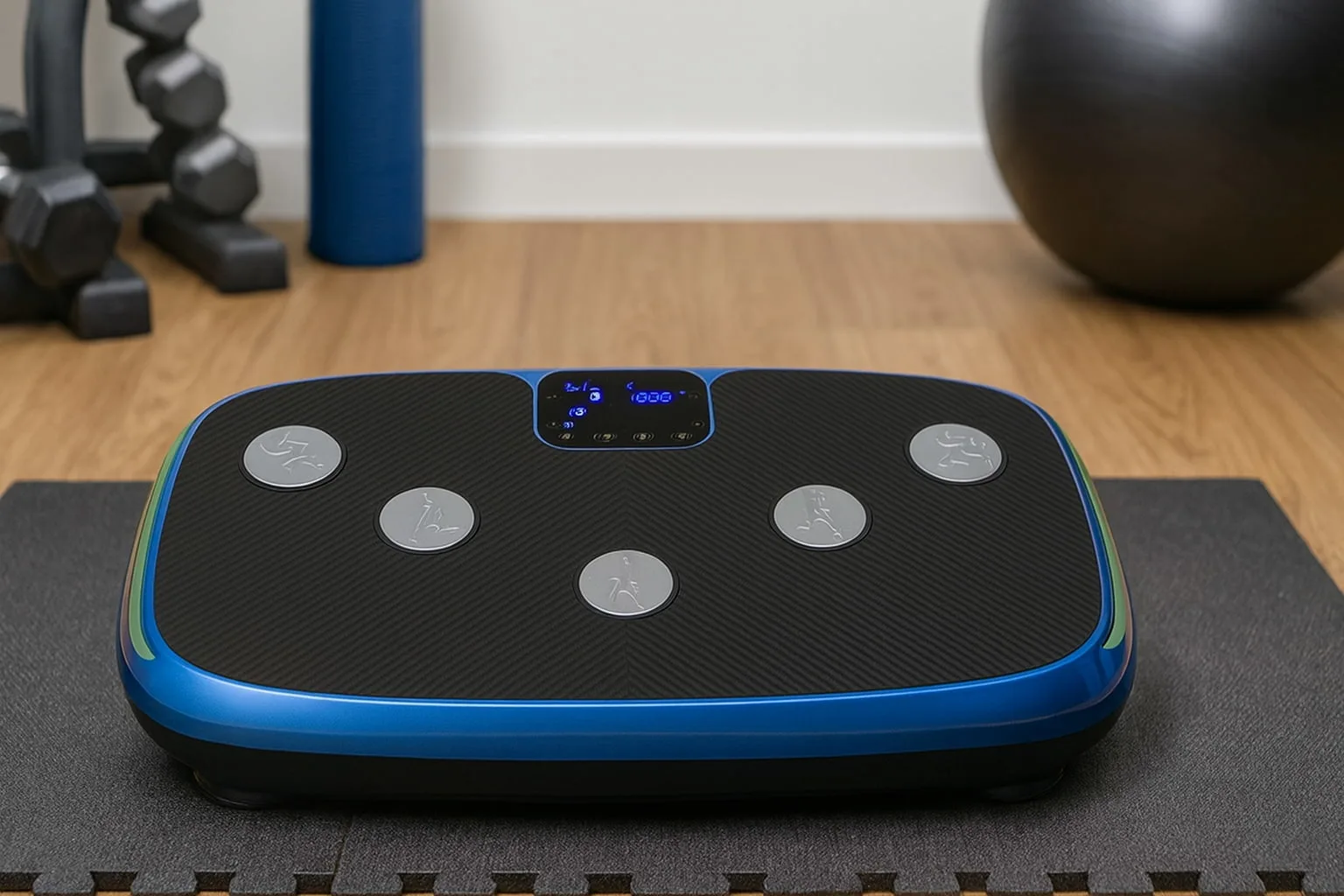
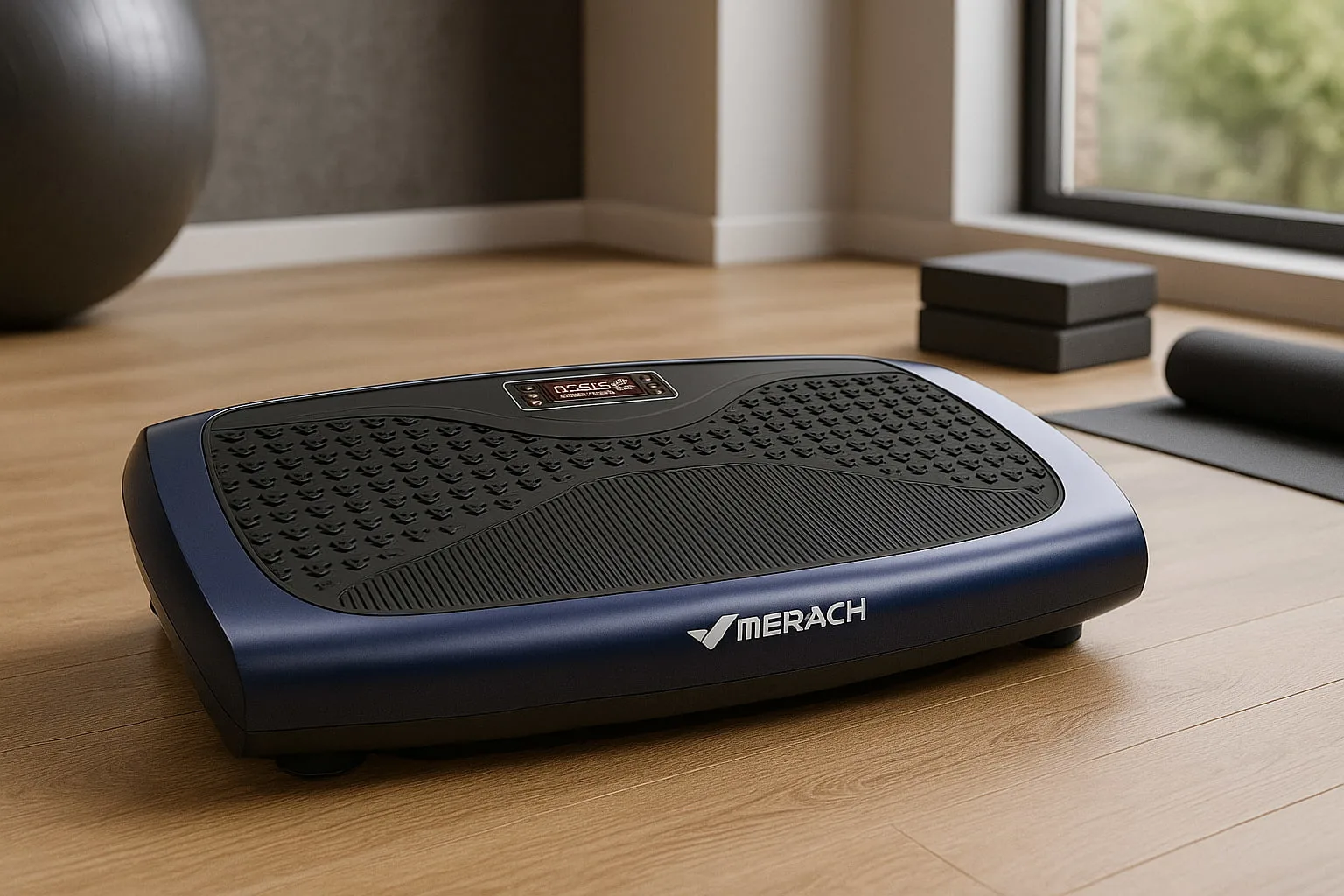
My Recommended Top 3 Best-Buys: Reviewed & Rated

Risks and Drawbacks of Using a Vibration Plate Before Bed
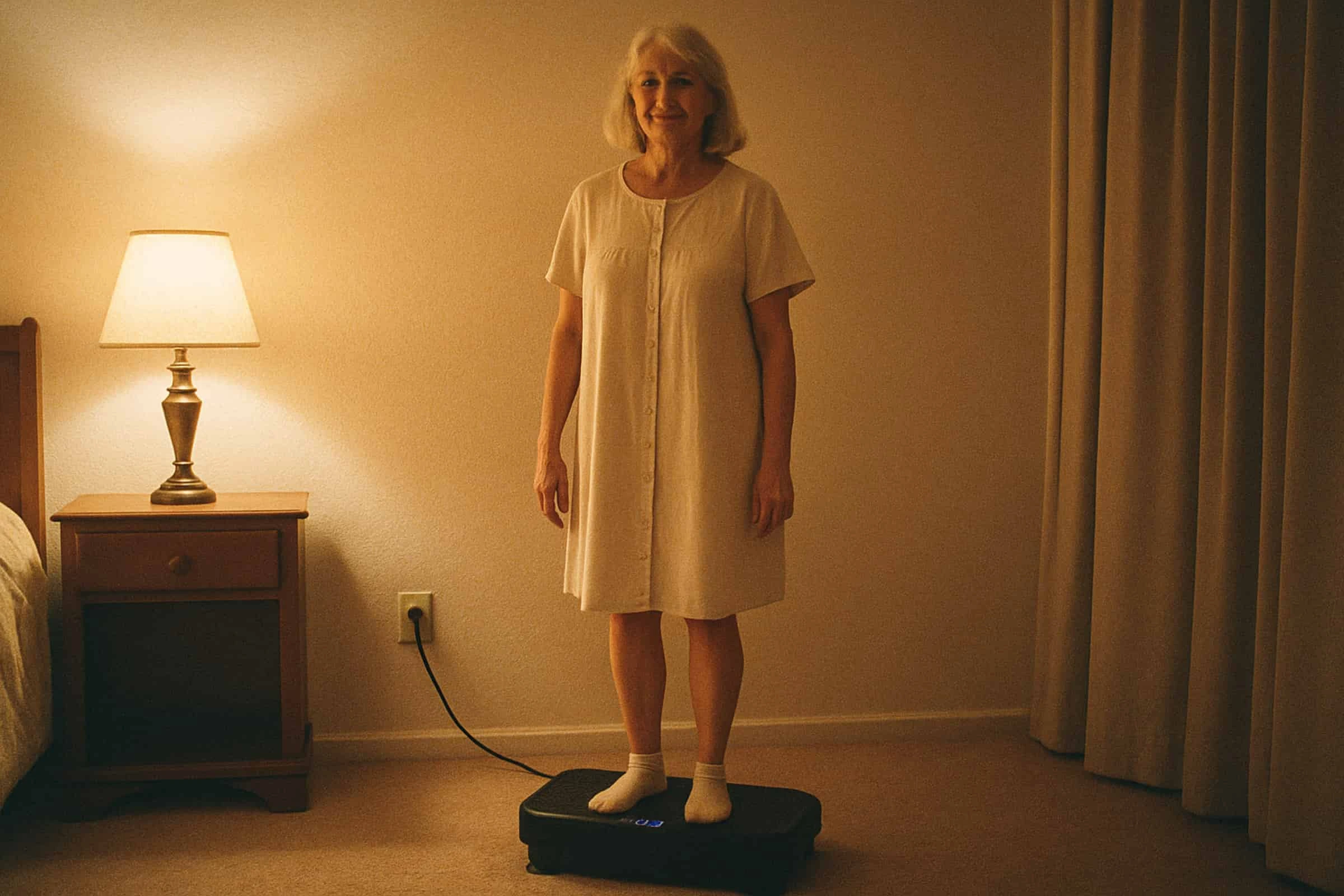
Some experts caution against intense sessions late in the evening because vigorous vibrations can stimulate your nervous system.
So, what is the best time of day to use a vibration plate? I recommend using a vibration plate in the morning or early evening and advises avoiding high‑intensity workouts right before bedtime, as the stimulation may keep you alert. This doesn’t mean you can’t enjoy a gentle session close to bedtime, but it highlights the importance of using a low speed and keeping the duration short.
Overstimulation and Alertness
Despite the benefits, not every vibration session is relaxing. High‑frequency or high‑intensity vibrations can stimulate the central nervous system, causing alertness instead of drowsiness. Fitness guides caution against intense workouts right before bed because the nervous system stays active for hours afterward. Based on my experience, using a low speed for five to ten minutes is ideal. If I ramp up the power too much, I feel more energized than sleepy, which defeats the purpose of relaxing before bed.
Health Conditions and Contraindications
Vibration therapy isn’t safe for everyone. People with heart disease, pacemakers, a history of stroke or blood clots, or certain balance issues should speak with a healthcare professional before using a vibration plate. Amy Burkhart, MD, emphasizes that individuals with cardiovascular conditions, pacemakers, blood clotting disorders or advanced osteoporosis should avoid whole‑body vibration or consult a doctor first.
Pregnant women and those who have recently had surgery should also exercise caution. I always recommend checking with your healthcare provider if you have underlying medical issues.
Potential Side Effects
Prolonged or inappropriate use of a vibration plate may lead to unwanted side effects. Long‑term occupational exposure to vibration can cause musculoskeletal injuries, nerve problems and balance issues. While these effects are linked mainly to heavy machinery, there is limited research on the long‑term impact of vibration plates.
If you feel numbness, tingling, dizziness or increased heart rate after using the plate, stop immediately and consult a professional. Always follow manufacturer guidelines and start with short sessions.
Not a Stand‑Alone Sleep Solution
A vibration plate can help you relax, but it won’t solve severe sleep problems on its own. Research emphasises that using a vibration device should complement, not replace, healthy sleep habits and underlying medical treatment. Good sleep hygiene includes maintaining a consistent schedule, limiting screen time before bed and creating a comfortable sleeping environment. Think of the vibration plate as one tool in your toolbox rather than a cure‑all.
How to Use a Vibration Plate Before Bed Safely
Choose the Right Time and Intensity
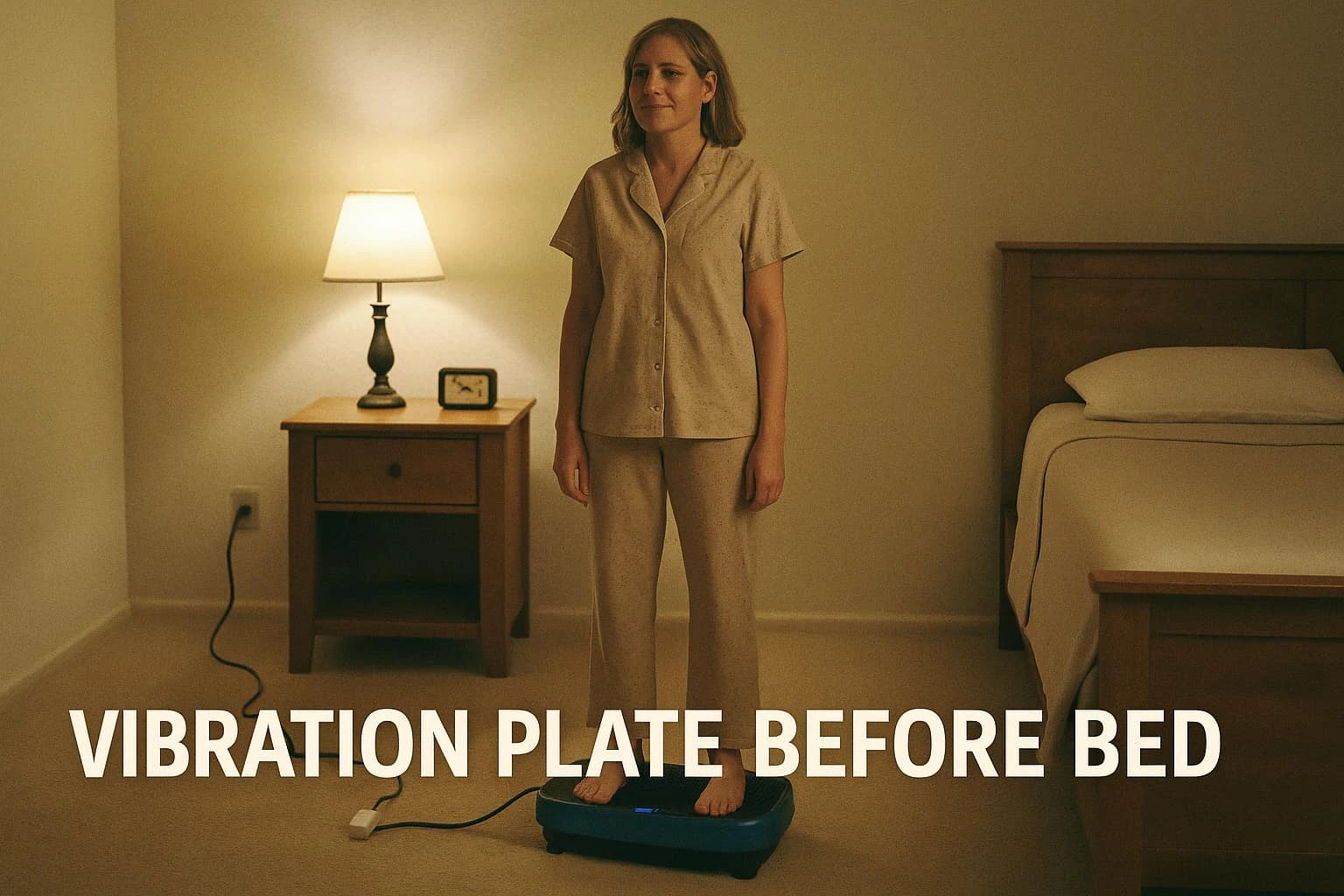
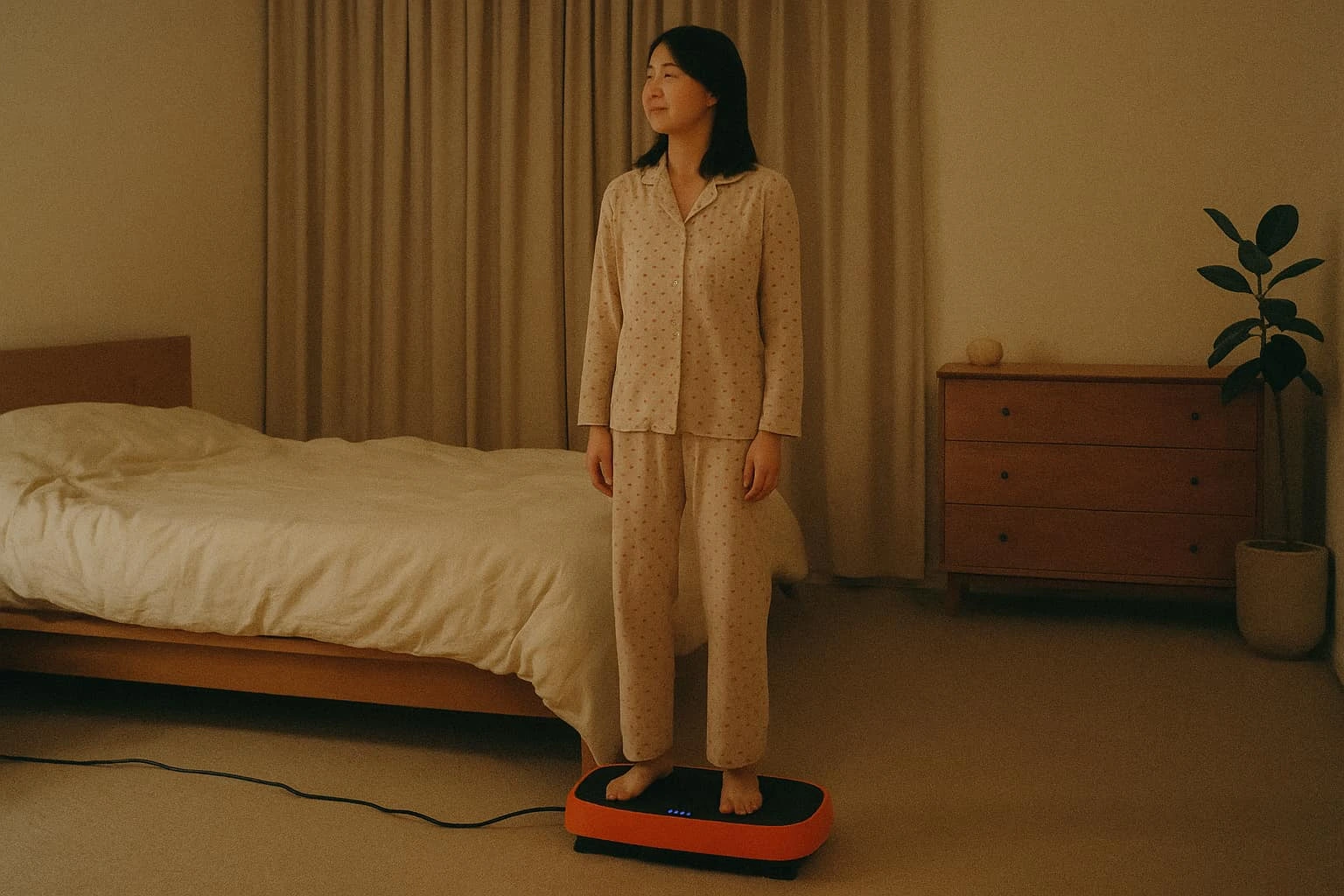
Timing matters. Many users find that working out on a vibration plate earlier in the evening gives the body time to wind down. Based on expert recommendations, low‑intensity sessions two hours before bed can help you relax without overstimulating the nervous system. If you prefer using the plate closer to bedtime, keep the duration short, five to ten minutes, and select the lowest speed setting. Avoid using it after a heavy meal; doing so may cause discomfort and disrupt digestion.
Start Slowly and Use Proper Form
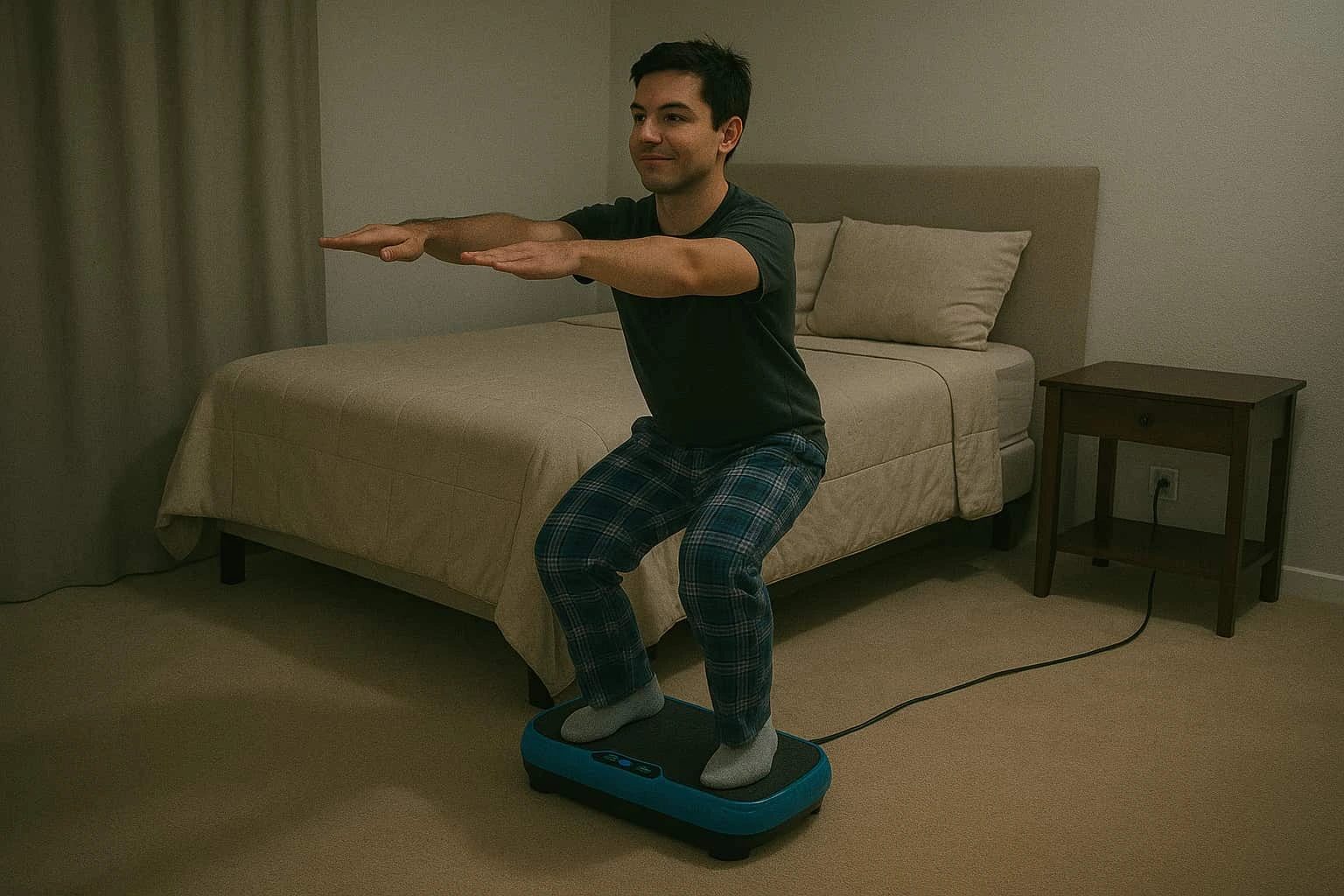
If you’re new to vibration therapy, start with brief sessions at low speeds. Stand with your knees slightly bent to reduce stress on joints. Gentle calf raises, ankle stretches and light squats are excellent pre‑sleep moves because they promote circulation without raising your heart rate too much. As you grow accustomed to the sensation, you can experiment with seated or lying positions to focus on different muscle groups.
Incorporate Breathing and Stretching
The vibrations are most effective when paired with other relaxation techniques. Slow, deep breathing helps activate the parasympathetic nervous system, which calms your body. Gentle stretching on the platform can ease tension in your calves, hamstrings and lower back. I like to combine my vibration session with a five‑minute meditation, focusing on the sensation of the platform and my breath. This combination helps me transition from the day’s stresses into a restful state.
Monitor Your Body’s Response
Pay attention to how you feel during and after each session. If you notice increased energy or discomfort, consider reducing the intensity or moving your session earlier in the evening. Everyone’s body responds differently, and what relaxes one person might energize another. Keep a journal or mental note of your settings and timing to determine what works best for your sleep quality. Listening to your body is the key to getting the most from your vibration plate.
Maintain the Plate and Your Space
Using a vibration plate before bed means your environment should be quiet and comfortable. Ensure the platform is on a stable surface to minimize noise, and regularly check for loose parts or wear. A clean, well‑maintained machine will be quieter and more relaxing.
Who Should Avoid Using a Vibration Plate Before Bed
Even the best vibration plates you can buy are NOT for everyone. So, who shouldn't use them before bed or otherwise?
People with Cardiovascular or Circulatory Issues
Individuals with heart disease, high blood pressure, a history of stroke or blood clotting disorders should consult a doctor before using a vibration plate. According to medical sources, vibration therapy can elevate heart rate and blood pressure. If you’re on blood thinning medication or have a pacemaker, talk to your physician about safer alternatives.
Pregnant Individuals
Pregnant people are generally advised to avoid whole‑body vibration. While research on moderate, short‑term exposure is limited, the potential risks to the fetus and changes in blood pressure make it a poor choice during pregnancy. Gentle prenatal stretches or relaxation techniques may be better options.
Recent Surgeries or Injuries
If you’ve had recent surgery, are healing from fractures or suffer from advanced osteoporosis, vibration therapy could interfere with healing or worsen injuries. Healthcare providers advise waiting until you are fully healed and cleared by your surgeon before using such devices.
For older adults recovering from injuries, exploring specialized options like vibration plates for seniors may provide safer features such as handrails and lower speeds.
Neurological or Balance Disorders
People with severe dizziness, vertigo or neurological conditions like Parkinson’s disease should be cautious. Although some studies show potential benefits for neurological conditions, others warn that the vibrations could aggravate symptoms. Always consult a medical professional who understands your specific condition.
Children and Adolescents
There is limited research on how vibration therapy affects growing bodies. To err on the side of caution, it’s best to avoid using vibration plates for children unless recommended and supervised by a healthcare provider.
Tips to Integrate a Vibration Plate into Your Bedtime Routine
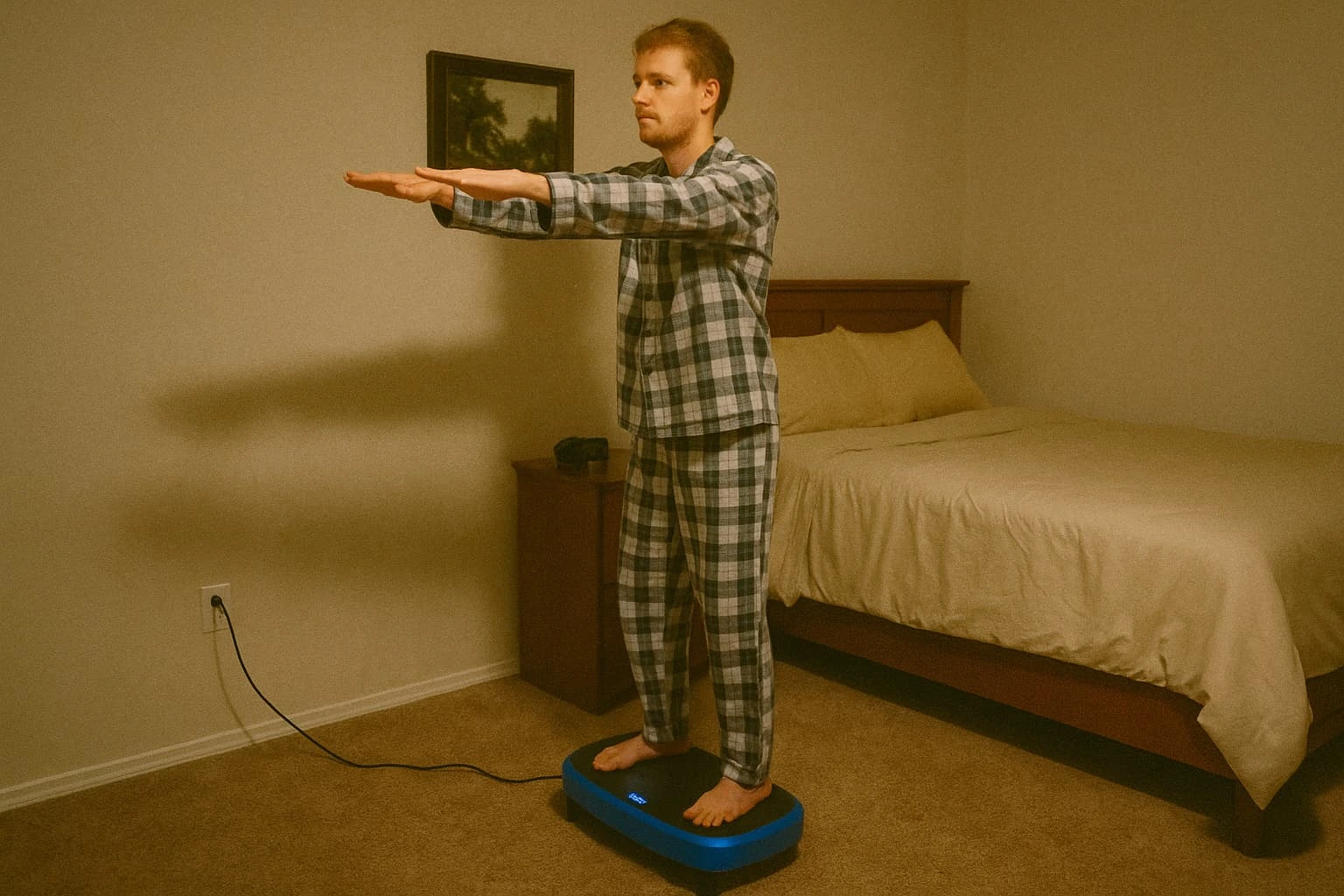
Set a Wind‑Down Schedule
Establishing a consistent wind‑down routine helps signal to your body that bedtime is approaching. Schedule your vibration session at roughly the same time each evening—ideally an hour or two before bed—to create predictability. Follow it up with low‑light activities such as reading or listening to calming music. On nights when I include a vibration session, I notice that pairing it with a warm bath enhances the relaxation effect.
Keep Sessions Short and Gentle
Aim for five‑ to ten‑minute sessions using the lowest vibration speed. This duration is long enough to promote circulation and relaxation without overstimulating your nervous system. If you find that you still feel energized afterward, move your session earlier or lower the intensity.
Pair with Good Sleep Hygiene
Remember that a vibration plate is a tool, not the sole solution. It works best when combined with healthy sleep habits. Limit caffeine in the afternoon, dim your lights in the evening and maintain a cool, dark bedroom. Avoid screens within an hour of bedtime, as blue light can disrupt melatonin production. These habits allow your body to make the most of the calming effects of vibration.
Explore Different Positions
Standing isn’t the only option. Try sitting on a chair with your feet on the plate or lying down with your calves resting on the platform. These positions can target different muscle groups and may feel more comfortable if you have back issues. Experiment to find what feels most relaxing.
Combine with Gentle Stretches
Use the vibrations to assist with gentle stretching. For example, while standing on the platform, perform a slow hamstring stretch by bending forward with knees slightly bent. The vibration helps release muscle tension. You can also sit and stretch your calves or use yoga poses like child’s pose on the mat after your vibration session to extend the relaxation.
Additional Sleep Strategies Without a Vibration Plate
While a vibration plate may enhance relaxation, it’s only one part of a larger sleep strategy. Healthy habits play a bigger role in overall sleep quality. Consider adopting these practices:
- Exercise earlier in the day. Regular physical activity improves sleep, but intense workouts close to bedtime can be stimulating. Aim for aerobic or strength exercises in the morning or afternoon.
- Create a bedtime ritual. Engage in calming activities such as reading, journaling, or gentle stretching to signal to your body that it’s time to rest.
- Limit caffeine and alcohol. Both substances can interfere with sleep quality. Try to avoid caffeine after lunchtime and reduce alcohol intake in the evening.
- Maintain a consistent schedule. Going to bed and waking up at the same times every day helps regulate your circadian rhythm.
- Optimize your sleep environment. Keep your bedroom dark, cool and quiet. Investing in comfortable bedding can make a big difference.
Final Thoughts on Using a Vibration Plate Before Bed
Deciding whether to use a vibration plate before bed depends on your goals, health status and sensitivity to stimulation. Research indicates that gentle, low‑frequency vibrations can reduce stress, improve circulation and enhance sleep quality.
However, high‑intensity sessions may overstimulate the nervous system, especially when performed right before bed. People with heart conditions, pregnancy, recent surgeries or other medical concerns should consult a healthcare provider before trying vibration therapy.
In my experience, incorporating a five‑minute, low‑speed session into an evening routine can be a pleasant way to wind down. Pair the session with deep breathing, stretching and good sleep hygiene for best results. Remember, the goal is to support your overall sleep health, not to rely on a single gadget.
FAQs
Is it good to use a vibration plate before bed?
It can be good to use a vibration plate before bed if you select a low‑speed setting and keep the session short. Gentle vibrations promote relaxation and improve circulation, which may help you unwind and sleep better. However, high‑intensity sessions or using the plate too close to bedtime may stimulate your nervous system and make it harder to fall asleep.
How long should you use a vibration plate before bed?
You should use a vibration plate for about five to ten minutes before bed. Research and user experiences suggest that a short session at low intensity is enough to promote relaxation without overstimulating your body. If you’re new to vibration therapy, start at five minutes and adjust based on how your body responds.
Does using a vibration plate at night help with weight loss?
Using a vibration plate at night can support your overall fitness goals by improving circulation and muscle activation, but it isn’t a direct weight‑loss tool. Weight loss comes from a combination of diet, regular exercise and lifestyle habits. A short, gentle session before bed is meant for relaxation rather than calorie burn. For weight‑loss focused workouts, use your vibration plate during the day and combine it with cardiovascular exercise.
Can a vibration plate help with restless leg syndrome?
Yes, a vibration plate can help with restless leg syndrome when used properly. A short session before bedtime may reduce discomfort and improve circulation, easing the urge to move your legs. Make sure to keep the intensity low and consult your healthcare provider if symptoms persist.
Who should not use a vibration plate before bed?
People with heart disease, pacemakers, blood clotting disorders, pregnancy, recent surgeries or severe osteoporosis should avoid using a vibration plate before bed unless cleared by a healthcare professional. High‑intensity vibration is also inappropriate for individuals with neurological or balance disorders. When in doubt, seek medical advice.