
About the author: Hello! I’m Vladimir Stanar, professor of physical education, kinesiotherapist, marathon runner, cyclist, and cycling coach, and long-time advocate of health, fitness, and active living.
My journey with vibration plates runs parallel to my professional career in education, sports medicine, and athletic development. Over time, I’ve come to see vibration plates as one of the most versatile tools for enhancing health, recovery, and performance.
✅ Expert-Reviewed by: Vanja Vukas, MPhEd
📚 Expert Contributor: Milutin Tucakov, MPhEd
Affiliate Disclosure: Vibration Plate Zone is a proud participant in the Amazon Services LLC Associates Program.
When it comes to non-invasive therapies for pain relief, recovery, and general wellness, many people compare TENS vs vibration plate to decide which option suits their needs.
A TENS unit uses electrical stimulation to target nerves and reduce localized pain, while a vibration plate engages the entire body through mechanical oscillations to improve circulation, muscle tone, and bone health.
Each therapy offers unique benefits, and understanding how they differ can help you choose the right tool for conditions like arthritis, sciatica, fibromyalgia, or muscle fatigue. This guide breaks down the strengths and applications of both therapies to help you make an informed decision.
TENS vs. Vibration Plate: Key Facts
TENS stands for Transcutaneous Electrical Nerve Stimulation. It uses a small, handheld device with sticky pad electrodes placed on the skin. The device sends mild electrical pulses through the pads to gently stimulate nerves and block pain signals. TENS therapy is mainly used for pain relief. It targets nerves and muscles in a specific area, helping reduce chronic or acute pain. Common conditions treated with TENS include back pain, joint pain, and nerve pain (like sciatica or neuropathy). TENS pulses can even make muscles twitch slightly, which some users find helps ease tension. This makes TENS a common choice for sports injuries and chronic pain management.
Vibration plate therapy uses a motorized platform that vibrates at set frequencies. When you stand, sit, or perform exercises on the vibrating platform, the rapid mechanical oscillations make the muscles contract repeatedly. This passive stimulation can improve muscle strength, balance, and bone health. Vibration plates are often used for fitness, rehabilitation, and overall wellness. Quality vibration plates can help stimulate circulation and lymphatic flow through these muscle contractions. Many people describe a vibration session as a light workout; even standing quietly on the plate causes tiny involuntary exercises throughout the body. Over time, this can increase blood flow and warm up your muscles, which may reduce swelling and speed recovery.
In general, TENS machines are used for localized pain relief, while vibration plates provide full-body benefits by engaging multiple muscle groups and systems at once. TENS may quickly ease a sore spot, while a vibration plate can improve overall strength, circulation, and even bone density with regular use. Both approaches have their place depending on your goals and needs. This comparison will help you choose the right therapy or device based on your symptoms and fitness goals.
How TENS Therapy Works
A TENS unit is a small device with wires and sticky pads. It sends a safe, low-level electrical current through the skin to stimulate the underlying nerves. This stimulation can block or reduce pain signals traveling to the brain. TENS is based on the idea that non-painful input (like tingling) can interrupt pain signals. When the pads are placed on or near a painful spot, the electrical pulses create a tingling sensation that masks the pain. This makes TENS a common choice for sports injuries and chronic pain management.
Most TENS units let you adjust the intensity and sometimes the frequency of the pulses. You usually start on low intensity and increase until you feel a strong but comfortable tingling. Higher frequencies (for example, 80–100 Hz) are often used for quick, temporary pain relief, while lower frequencies (like 2–10 Hz) may be used for chronic pain and can trigger endorphin release (the body’s natural pain-relief chemicals). Each person may prefer different settings, so it takes some trial and error to find the best level.
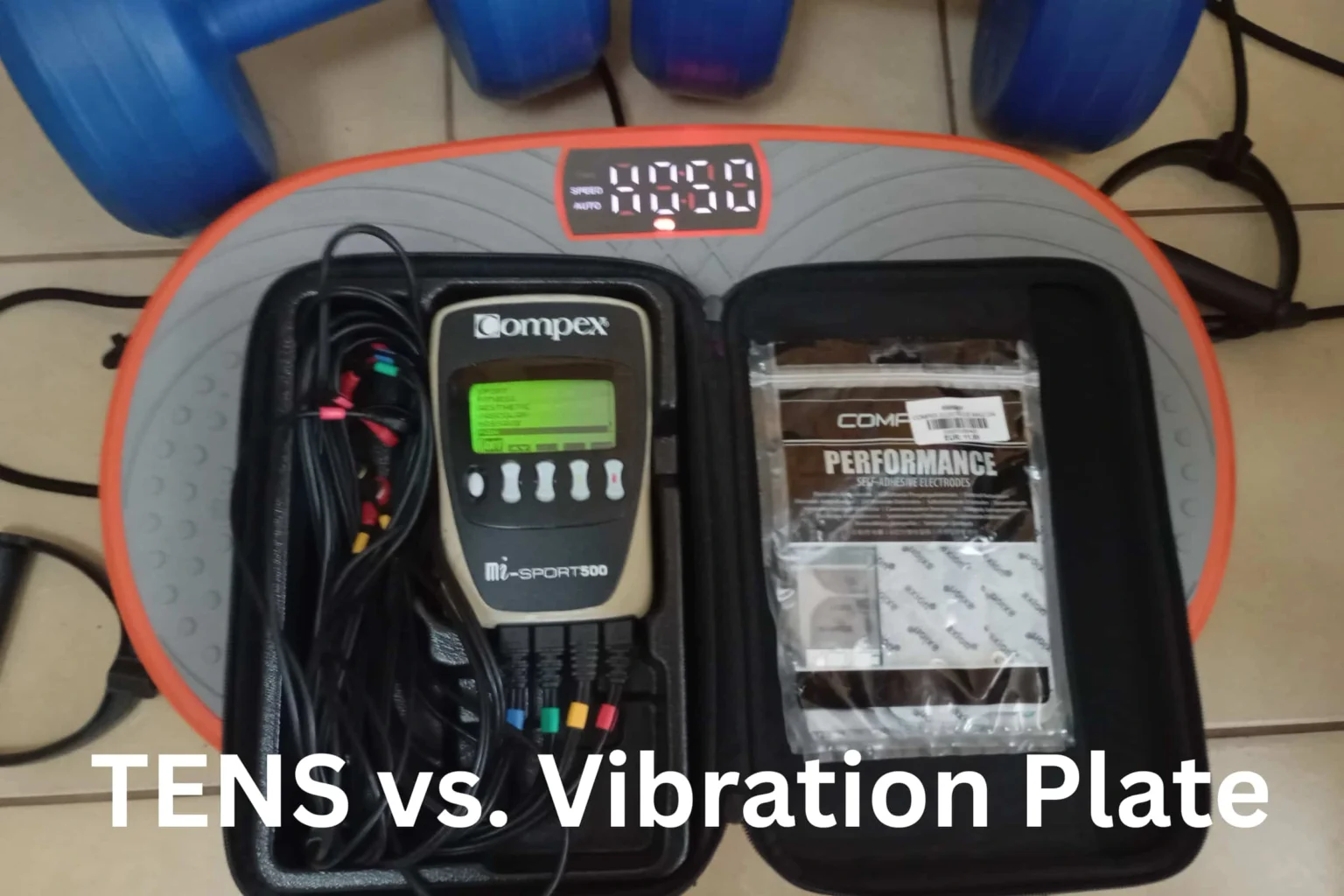
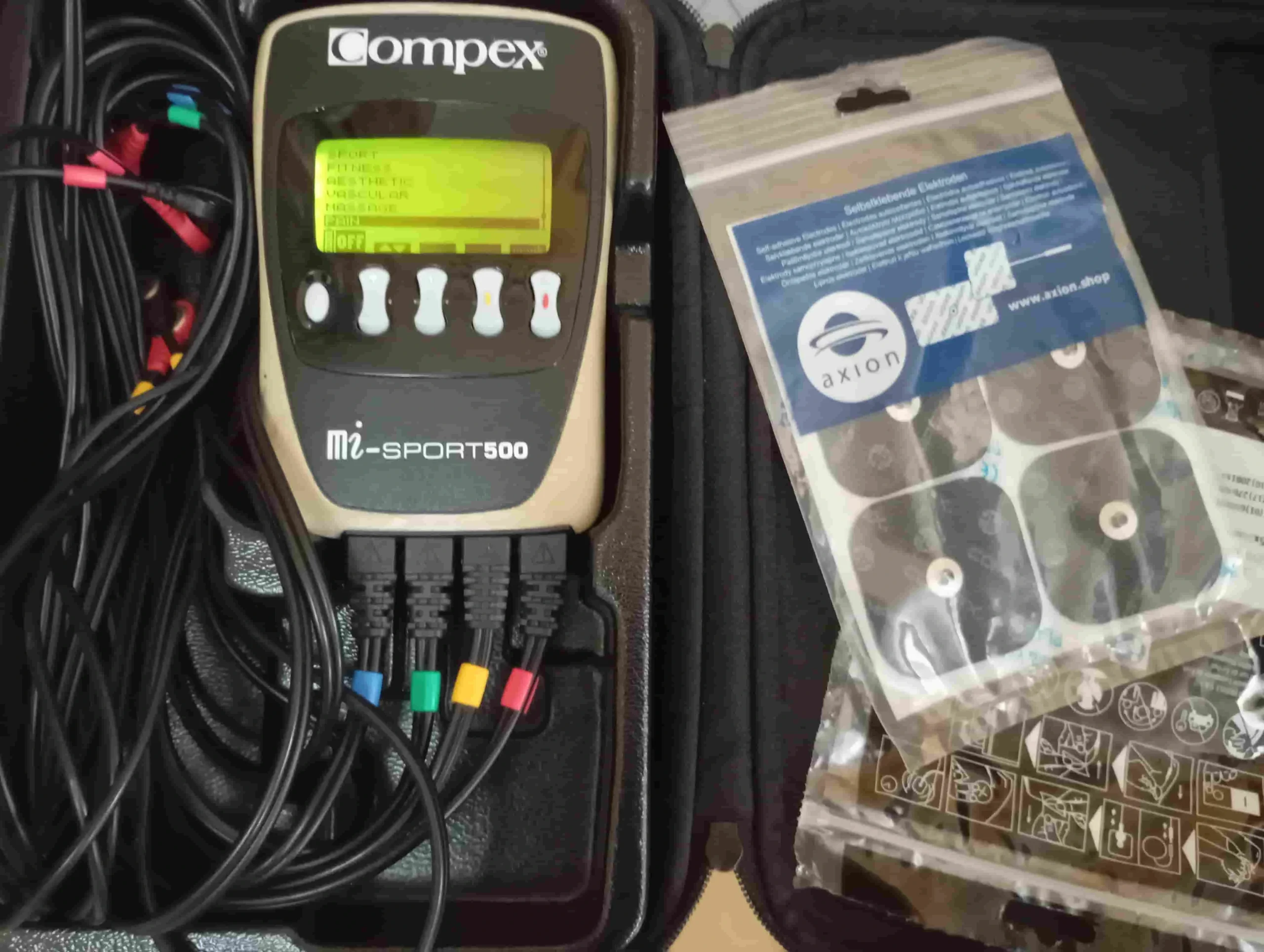
The unit I've been using as a kinesiotherapist is COMPEX mi-SPORT500 EMS & TENS (in the photo above). It's more than 10 years old and it's working very well in all modes. I did replace the battery twice, and I'm regularly buying new electrode pads. It uses Compex muscle intelligence (mi-technology) to auto-adjust stimulation parameters to clients' muscle characteristics and is positioned as an all-in-one unit for preparation, training, recovery and pain management.
Hardware-wise it offers 4 independent channels (so you can work multiple muscle groups at once), and a maximum output intensity of 120 mA. It's an overkill for casual users and it cost me an arm and a leg at the time.
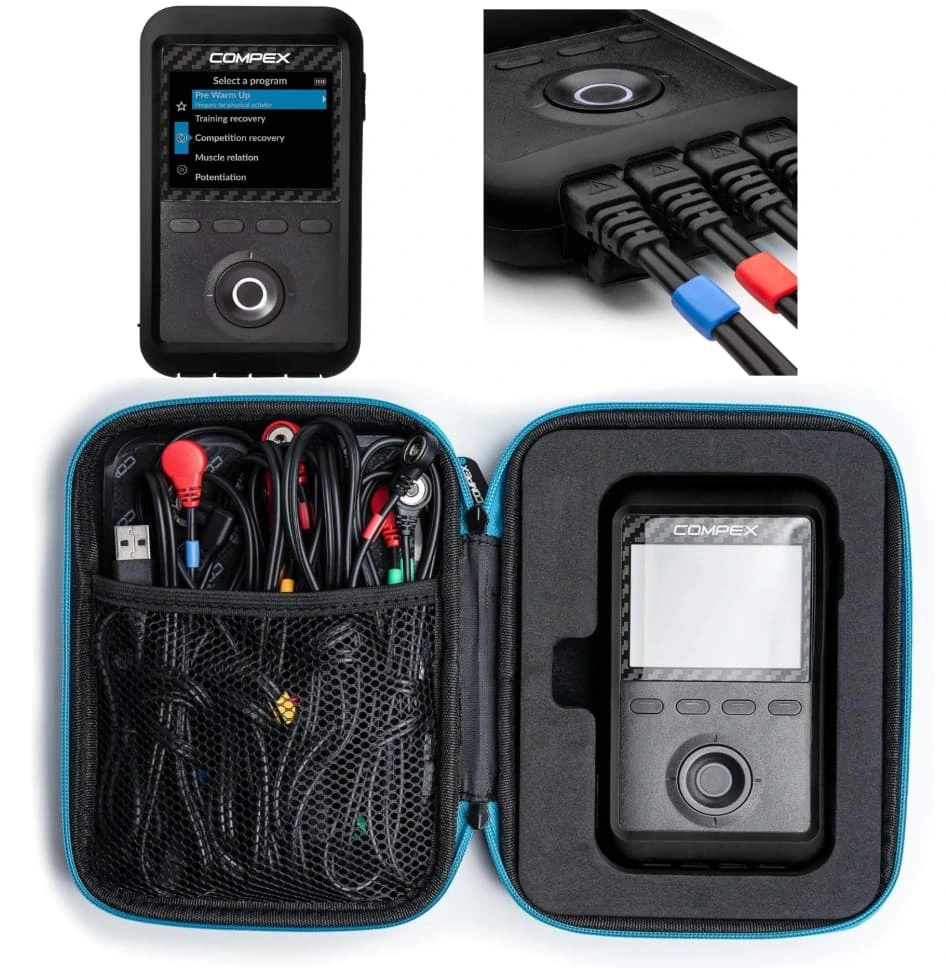
My recommended EMS & TENS unit which will meet your needs at an affordable price is Compex Sport Elite 3.0 Muscle Stimulator with TENS Kit:
TENS is mainly used on specific painful areas. For example, you might place pads on the muscles of your back for back pain or around an injured knee. The idea is to “close the gate” to the pain nerves in that area. Many people find that consistent TENS sessions (for instance after a workout or before bed) can make chronic pain easier to manage. It is easy to use and can be done while sitting or resting. Some units even allow remote control or belt attachments for knees and shoulders, making them very convenient.
TENS therapy is generally safe. The electrical current is mild, and most people only feel a tingling or buzzing. It is portable and easy to use at home or on the go. However, TENS only treats the symptom (pain), not the underlying condition. It also requires regular replacement of pads and batteries. Always follow the instructions and consult a doctor if you have health concerns like a pacemaker, epilepsy, or skin issues.
Vibration Plate Therapy Explained
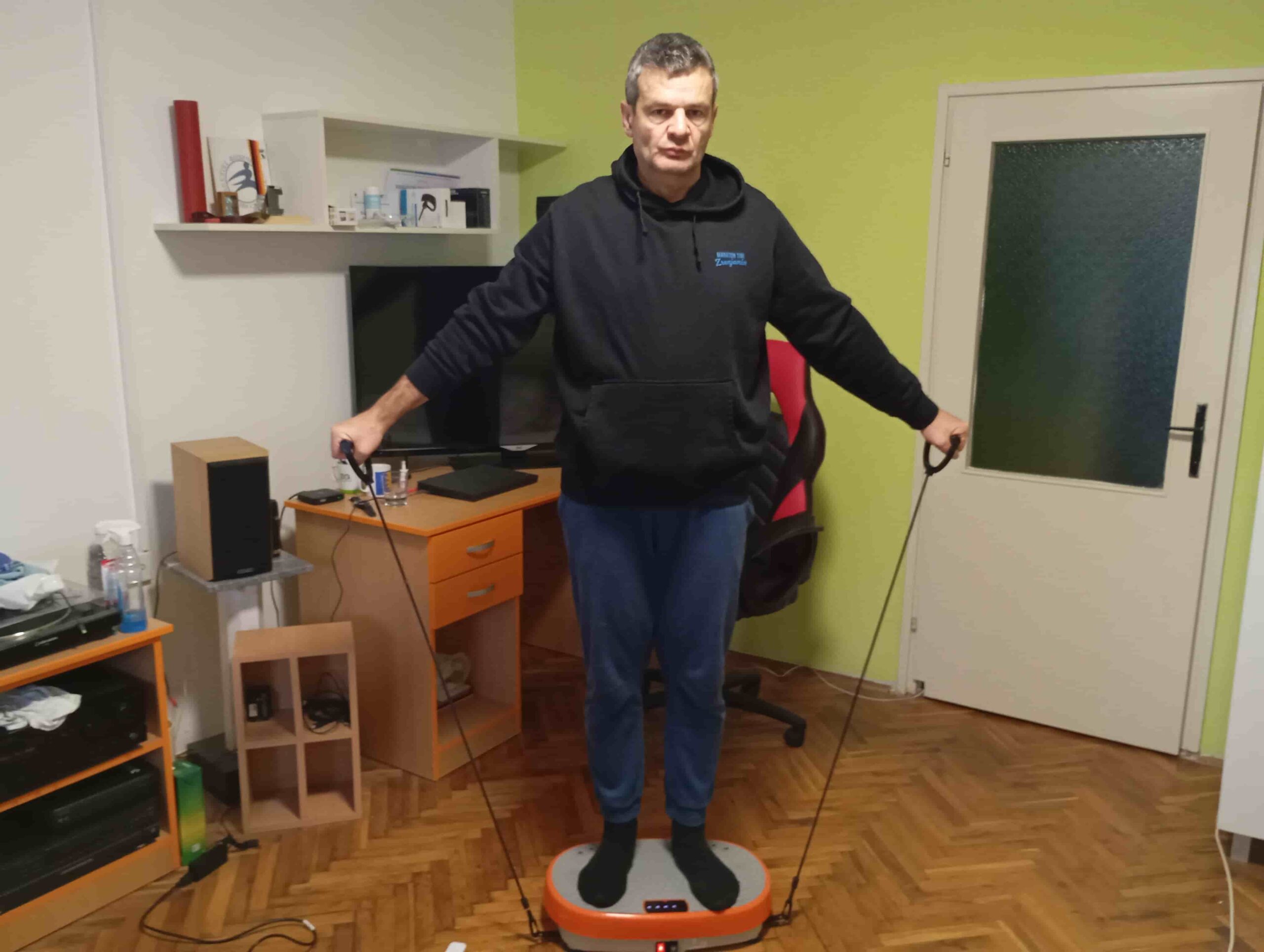
I just realized I look too serious in this photo, sorry, too late to take another one. 🙂
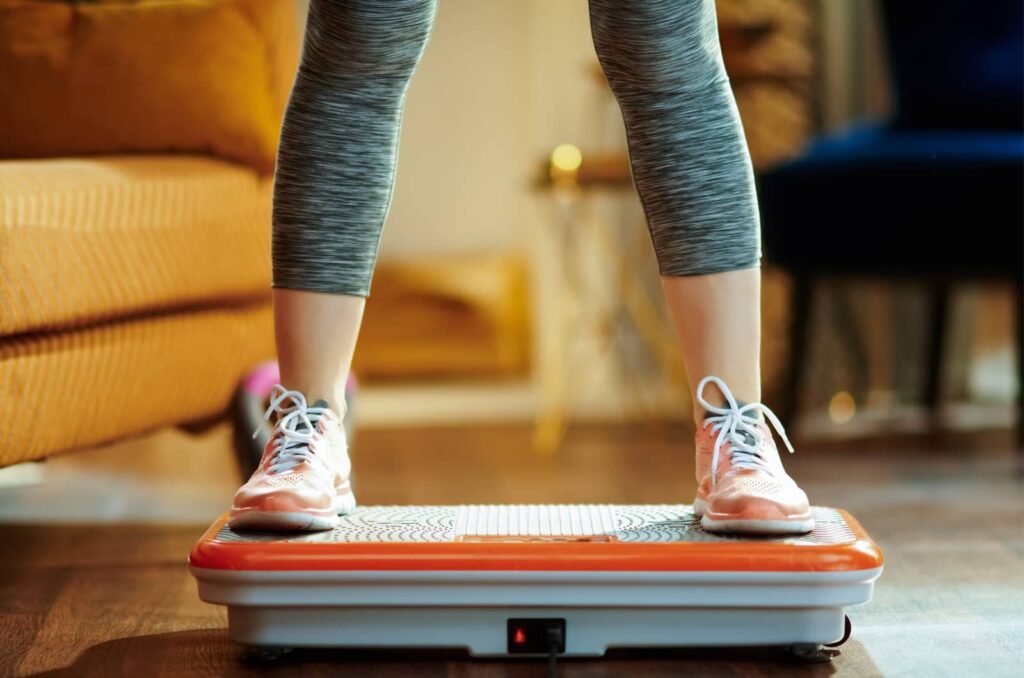
Vibration plate therapy uses a platform that vibrates at high speed. When you stand, sit, or exercise on it, the vibrations make your muscles contract rapidly. This passive stimulation can improve circulation, muscle strength, and balance. Even standing quietly on a vibrating platform causes tiny involuntary exercises throughout your body, essentially giving you a gentle full-body workout.
The increase in circulation is one of the biggest benefits. The rapid muscle pumps drive blood through the body, which can reduce swelling and help muscles and tissues heal. Many users feel their legs and feet warm up during a session because of improved blood flow. Over time, better circulation can reduce edema (swelling) and boost overall energy and recovery.
Regular use also strengthens muscles. For example, standing with knees slightly bent on the plate forces your legs and core to stay active. You can add exercises like squats, push-ups, or resistance bands to work even harder. Over time this builds muscle tone, improves balance and flexibility, and helps maintain good posture. Vibration plates are often used for balance training and for people who need low-impact exercise, since the machine does much of the work.
Vibration can even help bone health. Gentle mechanical vibrations at the right frequency (often around 20–30 Hz for beginners) provide a small stress that encourages bone cells to remodel and grow stronger. This is why vibration plates are popular among older adults for osteoporosis support.
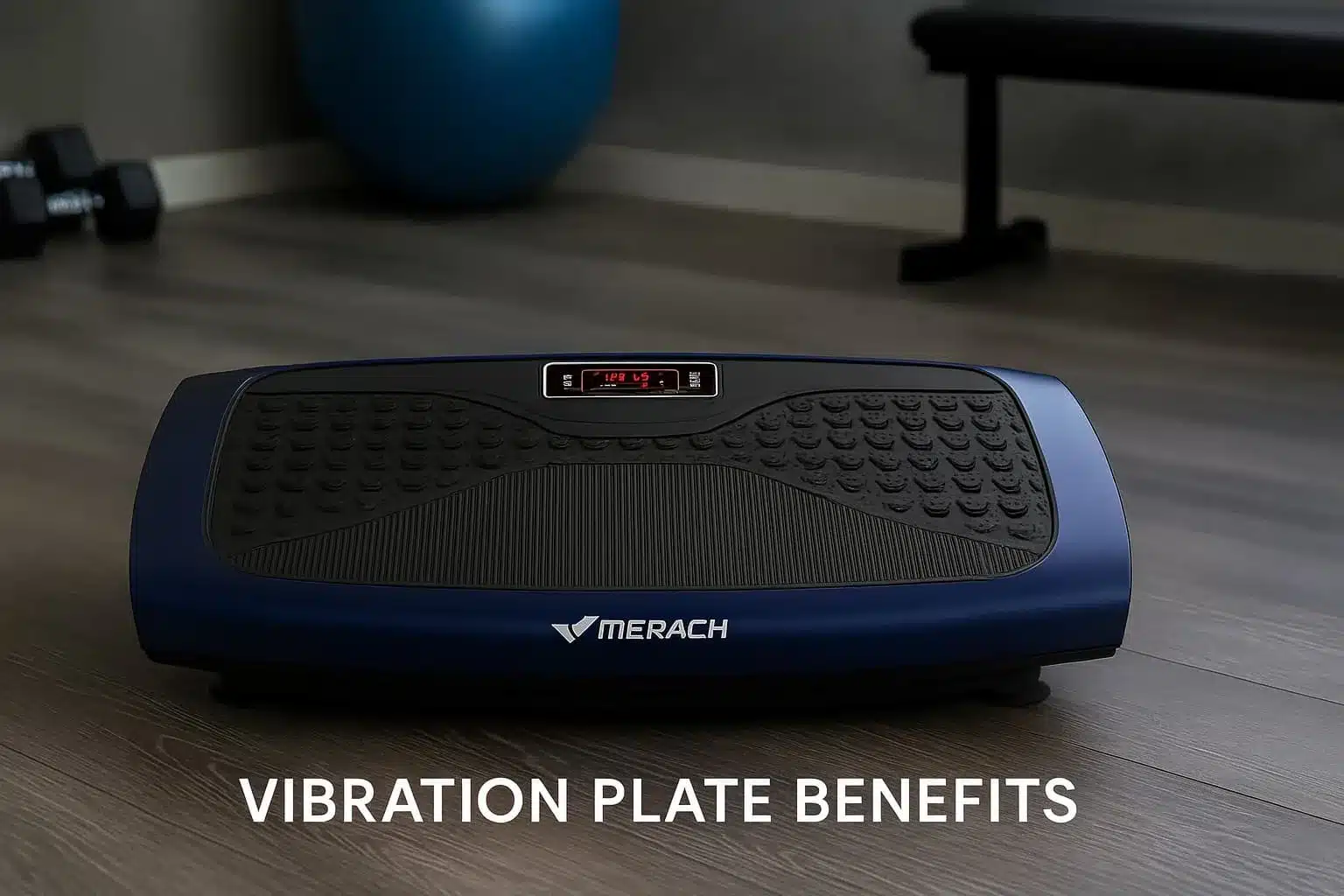
My recommended vibration plate is the LifePro Rumblex 4D with 60 speed levels and seven preset modes to deliver a versatile full-body workout and recovery:

To use a vibration plate, start with a low frequency and short duration (e.g. 15–20 Hz for 5–10 minutes). As you adapt, you can increase the frequency (up to 30–40+ Hz) or add movements. Typically, people use the plate 2–3 times a week as part of their exercise routine. Even a brief daily session (5–10 minutes) can help with circulation or recovery. Many people describe a short vibration session as feeling like a quick muscle-activation warmup. Some fitness experts note that a 10-minute vibration plate session can trigger as many muscle contractions as hundreds of traditional exercises.
Key Differences Between TENS and Vibration Plates
- Primary Focus: TENS delivers electrical pulses to numb pain in a specific area. Vibration plates shake the whole body to engage muscles, boost circulation, and improve fitness.
- Mechanism: TENS acts on nerves using electrical stimulation. Vibration plates use mechanical vibrations to cause muscle contractions and stimulate joints and bones.
- Effects: TENS provides temporary pain relief and can ease muscle spasms. Vibration therapy strengthens muscles, improves balance, and may help increase bone density over time. Vibration can also indirectly reduce stiffness by warming up the body.
- Mobility: TENS is used while you remain relatively still (the pads must stay in place). Vibration plates allow movement – you can stand, do squats, or use resistance bands on the plate during a session.
- Session Use: TENS sessions are typically short (10–30 minutes) and used when pain occurs. Vibration plate sessions are also short (5–20 minutes) but are usually part of a regular exercise routine.
- Complexity: TENS units are simple devices (stick on pads and turn on). Vibration plates require physical effort but double as a workout machine.
- Cost: TENS units are generally low-cost (often under $100) and portable, requiring only pads and batteries. Vibration plates range from a few hundred to over a thousand dollars and are larger. However, a vibration plate also provides a full-body exercise platform, whereas a TENS unit is specialized for pain relief.
Effectiveness by Condition
Sciatica and Nerve Pain
TENS can help with sciatica because it interrupts the nerve pain signal. By placing the pads on the lower back or leg along the path of the sciatic nerve, a TENS unit often provides quick reduction in the sharp or burning pain caused by sciatica. Many users notice immediate relief and muscle relaxation during use.
Vibration plates are not primarily used for sciatica, but they may offer some benefit. Gentle vibration can improve circulation and loosen tight muscles in the hips and lower back, which might ease pressure on the nerve. If you have severe sciatica, start with very mild settings. In general, TENS is more directly targeted for sciatic nerve pain, while vibration is used more as a supportive therapy (for example, to improve posture or reduce muscle tension around the spine). For example, some people use TENS while sitting on a car ride or at their desk to prevent the pain from getting worse.
Arthritis and Joint Pain
People with arthritis often use both therapies. TENS can relieve arthritis pain effectively. For example, applying TENS pads around an aching knee or hip joint often reduces pain and stiffness during the session. Clinical studies support TENS for osteoarthritis pain relief. It is gentle on the joint (no extra stress) and drug-free, and can be used before activities to make movement easier. Many people find that TENS lets them perform daily tasks with less discomfort.
Vibration therapy can also help arthritis. Standing on a low-frequency vibration plate (or sitting with your knees on the plate) provides a gentle movement to the joint. This may help circulate fluid in the cartilage and ease stiffness. Lower vibrations (about 20–30 Hz) and shorter sessions are best for arthritis. Over time, vibration can strengthen the muscles around the joint, improving support and reducing strain. Many find that adding short vibration plate sessions to walking or stretching routines helps further. For recommended models, see our best vibration plates for arthritis guide, which highlights gentle, stable machines ideal for joint relief.
Fibromyalgia and Chronic Pain
Fibromyalgia causes widespread muscle pain, and results can vary. TENS can be applied to particularly painful areas (like the shoulders or lower back), providing some short-term relief from muscle pain. Some patients report that it helps relax muscles and reduces stiffness for a while. However, fibromyalgia symptoms are diffuse, so multiple placements and sessions may be needed. TENS tends to help for a short time but doesn’t cure the underlying condition.
Vibration plates may offer general relief for fibromyalgia. Gentle vibration at low frequencies can improve relaxation and circulation throughout the body. Many users report feeling less stiff after a mild vibration session. However, fibromyalgia sensitivity means you should start very lightly. A short session at a low setting (for example, 15–20 Hz) is advisable. The improved blood flow and gentle stimulation may help with pain and fatigue over time. Everyone’s experience with fibromyalgia is different, so some trial may be needed. Both therapies can be part of a broader pain management plan along with stretching or gentle exercise.
Back Pain
TENS is very popular for back pain. Placing electrodes on the lower back, many users find TENS significantly dulls muscle ache and nerve pain. This is especially true for non-specific chronic lower back pain. Even during acute muscle spasms, TENS can help the muscles relax. It’s easy to lie down or sit with a TENS unit on, so many people use it during a flare-up. TENS should be used on the back muscles next to the spine (never over the spine itself) and avoided on the front of the throat.
Vibration plates help back pain in a more indirect way. They improve core strength and flexibility when you do exercises on them, which can reduce future pain. For example, doing slow squats or a gentle lean on the platform works the abdominal and back muscles. Standing with knees bent on the plate may also feel like a mini-massage that relaxes the lower back. If you have an acute injury, start very gently or avoid high frequencies. Over the long term, vibration training often leads to a stronger back and better posture.
Many physical therapists use TENS along with heat or massage, and some recommend light vibration stretches to improve posture. In summary, TENS is very effective for immediate back pain relief, while vibration therapy builds long-term strength.
Circulation and Swelling
Vibration plates are great for circulation and swelling issues. The rapid muscle contractions act like a pump, moving blood and lymph fluid. Even a few minutes can make legs feel warm and energized. This helps reduce swelling and improve oxygen delivery to tissues. For example, someone who sits all day might use a vibration plate for 5 minutes to wake up blood flow in the legs.
TENS units do not have a significant effect on circulation. They may cause a small muscle twitch, but they are not designed to increase overall blood flow. If you have poor circulation or fluid buildup, a vibration plate is usually the better choice. Our best vibration plates for circulation guide highlights machines that excel at gentle muscle stimulation to improve blood flow. Regular vibration sessions can help ease symptoms of edema or restless legs much more than TENS can.
Lymphatic Drainage
Vibration plates also aid lymphatic drainage. The muscle activity on a vibrating platform squeezes the lymph vessels, helping move lymph fluid. This can help reduce swelling and flush toxins. Many people with mild edema or lymph issues use vibration for this benefit.
TENS therapy does not impact the lymphatic system. It is focused on nerve stimulation only.
In short, for lymphatic drainage a vibration plate is helpful, while a TENS unit is not. Our best vibration plates for lymphatic drainage guide details plates that are stable and gentle, perfect for encouraging fluid movement in the body.
Cellulite and Skin Health
Cellulite (fat under the skin) is not directly treated by either device, but vibration may help a bit. By improving circulation and muscle tone, vibration plates can make skin look firmer over time. Gentle vibration encourages blood flow and lymph movement in the fat layer under the skin. Some users combine vibration sessions with massage to help reduce the appearance of cellulite. Results may vary between individuals. Pairing vibration plate sessions with a good diet, exercise, and skin care is important.
TENS units do not affect cellulite because they only target nerves for pain relief.
If reducing cellulite is your goal, a vibration plate might be more useful than TENS, but it should be part of a broader fitness and diet plan.
Osteoporosis and Bone Health
For bone health, vibration plates have a clear advantage. Gentle whole-body vibration creates small stresses in the bones that can stimulate bone-building cells. Many older adults use vibration therapy to support bone density. For example, standing on a plate at a moderate frequency (around 20–30 Hz) for a few minutes can give bones in the spine, hips, and legs a beneficial stimulus. Over time, this may help increase bone mineral density. Some studies have shown vibration users experience measurable improvement in bone markers when used consistently.
TENS units do not affect bone strength. They are not used for osteoporosis or bone health.
In summary, if improving bone health is your goal, a vibration plate is recommended. Our best vibration plates for osteoporosis guide lists reliable machines with the right frequencies for safe bone stimulation. Vibration therapy should complement, not replace, other bone-healthy habits like weight-bearing exercise and calcium intake.
Weight Loss and Fitness
TENS units do not promote weight loss or general fitness. They only stimulate nerves for pain control, not muscles for exercise. Any claim that TENS burns fat or tones abs is unsupported.
Vibration plates can assist fitness efforts. Standing and exercising on a plate burns more calories than standing still, and it builds muscle tone. The biggest benefits are increased strength, balance, and possibly a slight metabolic boost. For best results, a vibration plate should supplement a healthy diet and workout plan. Our best vibration plates for weight loss roundup highlights models with features like variable frequencies and resistance bands to make workouts more effective.
Safety and Precautions
TENS Safety: TENS is safe for most people, but follow some rules. Do NOT use TENS if you have a pacemaker or other implanted electronic device – the electric pulses could interfere with it. Avoid placing pads on your eyes, mouth, chest (near the heart), or over open wounds.
Pregnant women should not use TENS on the abdominal area without medical advice. If you have epilepsy or a serious health condition, talk to your doctor before using TENS. Always start at low intensity to ensure comfort, and remove the pads if your skin becomes irritated.
Vibration Plate Safety: Vibration plates are safe for most healthy adults, but there are precautions. Avoid using a vibration plate if you are pregnant, have recent fractures, severe inflammation, or uncontrolled heart problems. Also use caution with severe varicose veins or joint issues; start on low settings. Hold onto the handles or have support while using the plate to prevent falls. If you feel dizzy, nauseous, or in pain, stop the session.
As with any exercise device, it’s wise to consult a healthcare provider before beginning if you have serious medical issues. Both therapies should be used correctly and in moderation to avoid injury.
Usage Tips and Settings
TENS Machine Usage and Tips
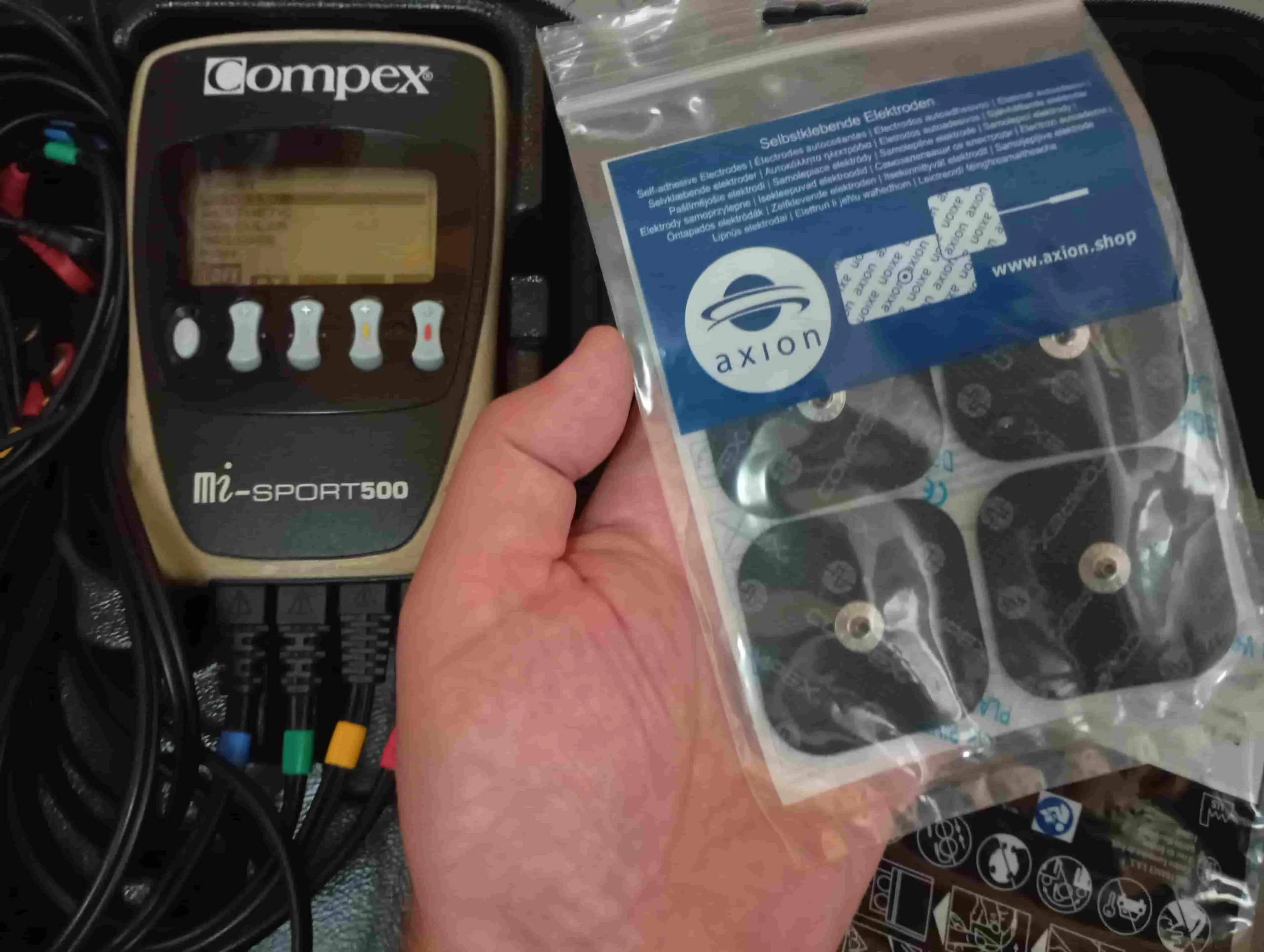
For TENS, preparation is key. Clean and dry the skin before attaching the electrode pads so they stick well. Place the pads around the painful area (for example, on either side of a sore lower back). Start the device on the lowest setting and slowly increase the intensity until you feel a strong but comfortable tingling. Never set it to an uncomfortable or painful level.
Typical TENS sessions last 10 to 30 minutes. You can use TENS several times a day if needed for pain relief, but take breaks between sessions. Some units have adjustable modes for high or low frequency; you may experiment to find which setting feels most effective. Make sure the electrode pads do not touch each other on your skin, and replace the pads when they lose adhesiveness. If your skin gets irritated, remove the pads and wait before trying again. Always follow the manufacturer’s instructions and consult your healthcare provider if you have any questions.
Vibration Plate Usage and Tips
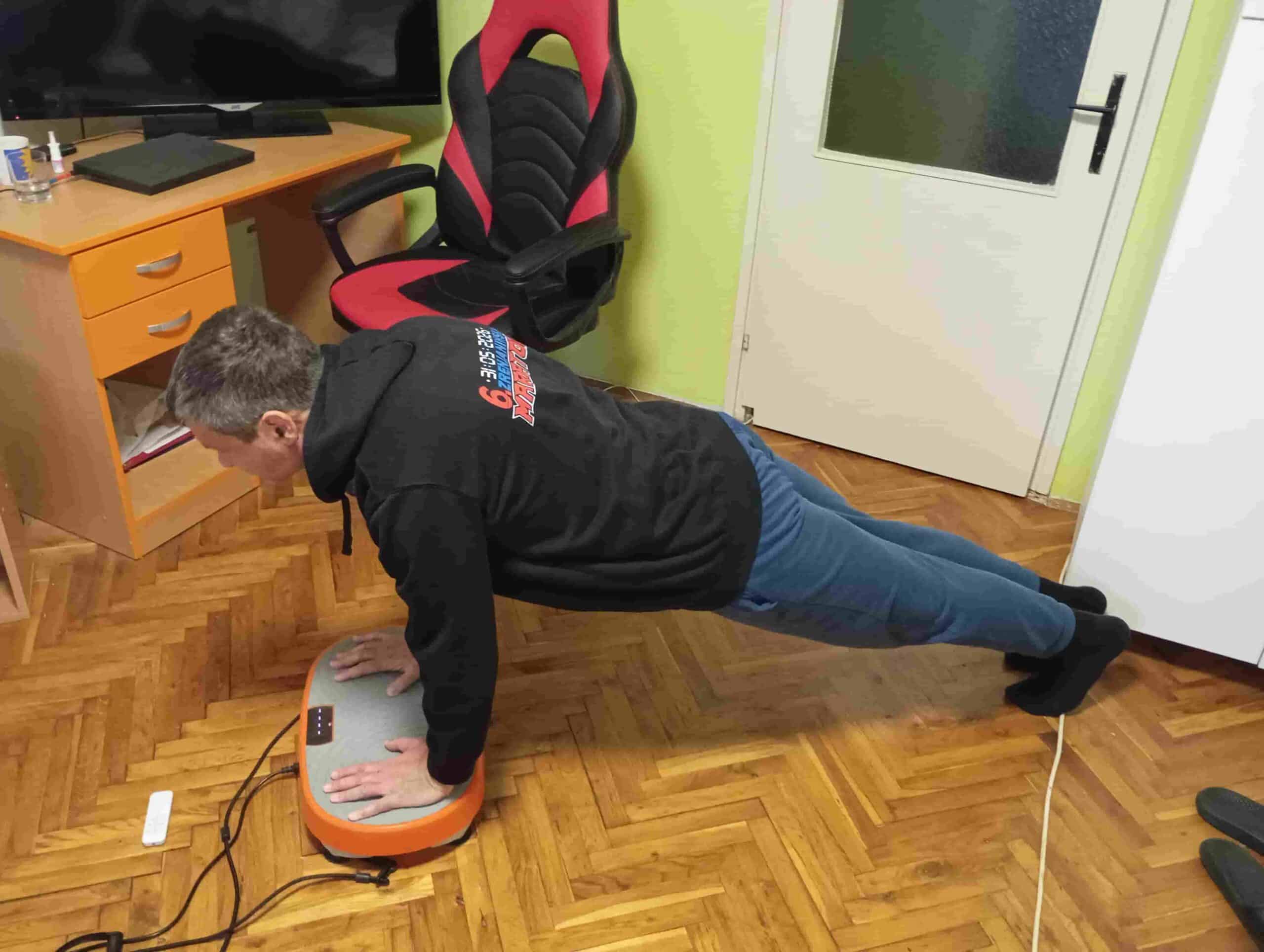
To use a vibration plate, start gradually. Begin with a low frequency (around 15–20 Hz) and just 1–3 minutes to get used to the sensation. Keep your knees slightly bent while standing to absorb the vibrations and protect your joints. You can stand normally, do light squats, or place one foot forward and one back for a calf workout. For safety, hold onto the handles or maintain your balance by placing hands on hips during more intense exercises.
Over several uses, gradually increase the duration and frequency. Many users work up to 10–15 minutes per session at around 30 Hz. Most people find using the plate 2–3 times a week is effective, though even daily short sessions (5 minutes) can help with circulation. Wear comfortable clothes and flat shoes for stability. Keep your core tight to support your spine and avoid locking your knees completely. Take breaks between sessions and stay hydrated. If you feel dizzy or overly fatigued, stop the exercise. As with any new device, follow the manufacturer’s guidelines.
Choosing the Right Therapy
Choosing the right therapy depends on your goals. If your main need is targeted pain relief, a TENS unit is usually best. It delivers quick, localized pain control wherever you place the pads. If your goals include muscle strength, circulation, or bone health, a vibration plate is more suitable. It offers a whole-body workout and improves overall conditioning. For portability, note that TENS is very portable (you can use it almost anywhere), while a vibration plate is larger and best used at home.
Many people use both devices. For example, someone might use TENS on bad days for quick pain relief and use a vibration plate a few times a week to stay strong and active. Others may rely mostly on a vibration plate for general health and save TENS for flare-ups. Remember that these devices are most effective as part of a balanced approach. Maintain an active lifestyle, stay hydrated, and follow any medical advice. Whether you choose TENS, vibration therapy, or both, proper use and consistency will give you the best results.
Frequently Asked Questions
What is the difference between TENS and vibration plate therapy?
TENS therapy targets nerves to relieve pain in a specific area, whereas vibration plate therapy shakes your whole body to engage muscles and improve circulation. TENS provides localized pain control by blocking pain signals, while vibration plates offer full-body stimulation for strength, flexibility, and overall health.
Which therapy is better for pain relief, a TENS unit or a vibration plate?
For focused, short-term pain relief, a TENS unit is generally more effective. TENS stimulates nerves to block pain signals quickly. A vibration plate may help ease pain indirectly by relaxing muscles and improving blood flow, but it is not as targeted. If your primary goal is immediate relief of a sore spot, TENS is usually the better choice.
Is a vibration plate or a TENS device better for improving circulation and lymphatic drainage?
A vibration plate is far better for improving circulation and lymphatic drainage. Its mechanical vibrations cause rapid muscle contractions that pump blood and lymph fluid throughout the body. This can reduce swelling and increase blood flow. TENS units do not significantly affect circulation, since they only stimulate nerves in one area.
Are vibration plates safe for arthritis and osteoporosis?
Yes, vibration plates can be safe for arthritis and osteoporosis when used correctly. Gentle vibration at low-to-moderate frequencies helps lubricate joints and strengthen muscles, which can ease arthritis symptoms. It also provides small mechanical loads on bones that may promote bone density. Use a stable machine at a moderate setting (about 20–30 Hz) for short sessions at first, and consult your doctor if you have severe osteoporosis or other health concerns.
How often should I use a TENS machine or a vibration plate?
People generally use TENS and vibration plates in short, regular sessions. TENS is often used for 10–30 minutes per session, once or twice a day or whenever pain flares up. Always start at low intensity and increase gradually. For vibration plates, beginners typically start with 5–10 minute sessions about 2–3 times per week. Over time you can increase the duration or frequency. Consistency is key: use each device regularly, but do not overdo it. Always listen to your body and stop if anything feels uncomfortable.