
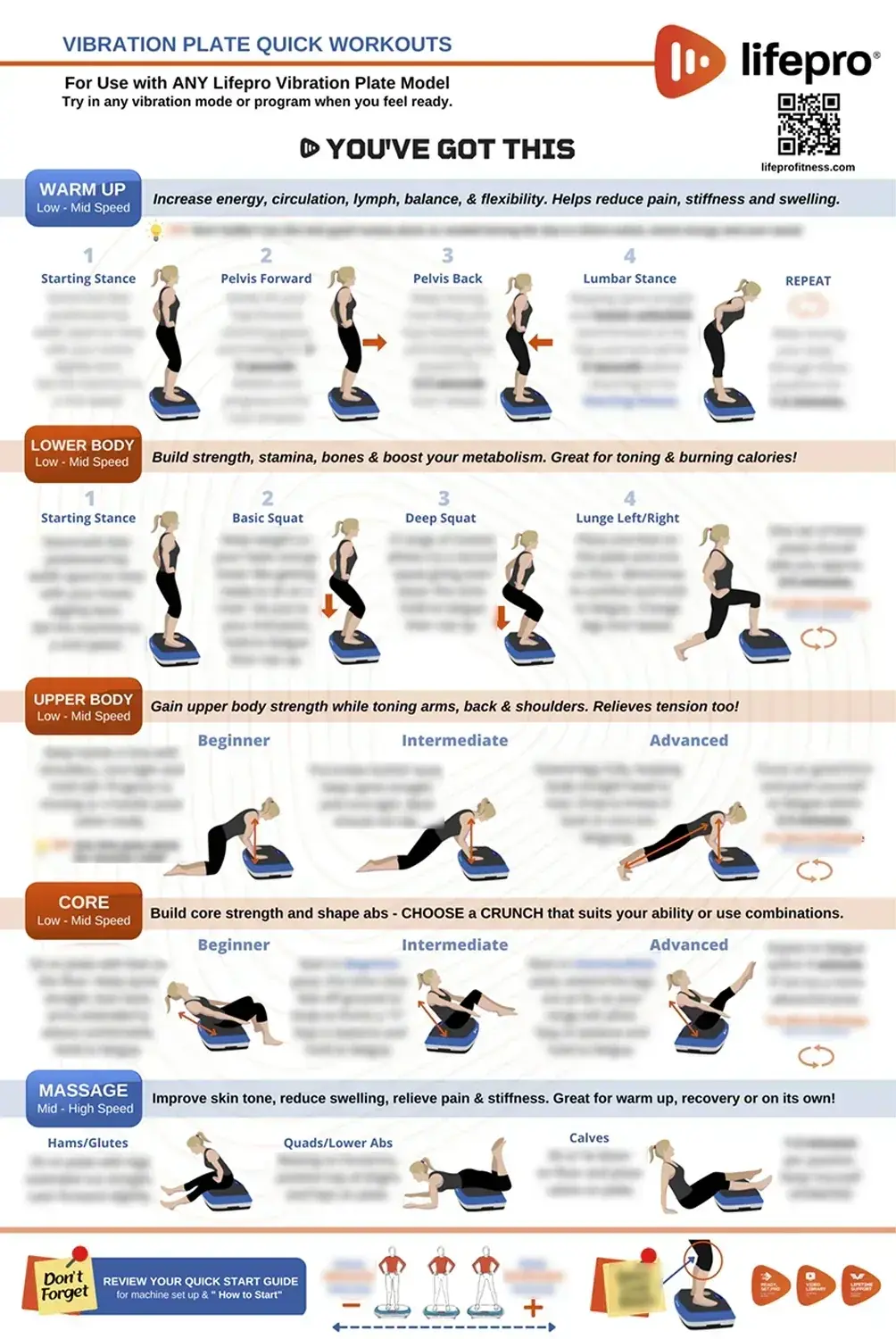
Get a FREE Lifepro Whole Body Vibration Workout Chart with exclusive Vibration Plate Zone Coupon Code!
For a limited time, Vibration Plate Zone readers can get a complimentary Lifepro Whole Body Vibration Workout Chart with the purchase of any vibration plate.
Use coupon code VPZLPFQ2 from April 1, 2026 through May 15, 2026. Only one use per customer.
Save $24.99 on paper chart or $12 on laminated chart.
To claim the offer, add at least 1 vibration plate and the chart to your cart, then apply the coupon code at checkout. You can choose either the paper or laminated version.
Using a vibration plate can be a simple way to add strength, circulation, or recovery work into your day. The best time of day to use a vibration plate depends on your schedule and why you’re stepping onto the platform.

About the author: Hello! I’m Vladimir Stanar, professor of physical education, kinesiotherapist, marathon runner, cyclist, and cycling coach, and long-time advocate of health, fitness, and active living.
My journey with vibration plates runs parallel to my professional career in education, sports medicine, and athletic development. Over time, I’ve come to see vibration plates as one of the most versatile tools for enhancing health, recovery, and performance.
✅ Expert-Reviewed by: Vanja Vukas, MPhEd
📚 Expert Contributor: Milutin Tucakov, MPhEd
Affiliate Disclosure: Vibration Plate Zone is a proud participant in the Amazon Services LLC Associates Program.
In this article, I share what I’ve learned through research and personal experience so you can decide when to squeeze in a session. We’ll explore morning, midday, and evening benefits, discuss how often to use a vibration plate, and talk about safety considerations. By the end you’ll have a clear plan that fits your routine and supports your goals.
Best Time of Day to Use a Vibration Plate: Morning, Midday, or Evening?
There is no one‑size‑fits‑all answer to the question of the best time to use vibration plate equipment. What matters most is consistency and choosing a time that you can stick with each week. When I first started, I tried different times of day to see how my body responded. Here’s what I found:
- Early morning sessions are great if you need an energy boost and want to wake up your muscles without heavy weights. I like to spend ten minutes on the platform right after I get up, using a low to medium speed to get my circulation moving. Doing so helps me shake off stiffness and puts me in the right mindset for the day. For readers who are exploring machines, our best vibration plate review breaks down which models offer gentle modes ideal for morning use.
- Midday usage can be a valuable break if you sit at a desk all day. A short vibration plate session around lunch improves blood flow and prevents that sluggish feeling that comes from hours of sitting. Midday workouts are also a chance to add medium intensity moves without disrupting your evening wind‑down. I often place the platform near my workspace and stand on it for five minutes while performing light squats and stretches. This quick boost keeps my energy steady during the afternoon slump. For the added benefits of the red light therapy in combo with WBV, check out my Lifepro VibraRed review.
- Late afternoon or early evening workouts allow for more intense sessions when your body is already warmed up. If your goal is to burn more calories or build muscle, doing squats, lunges, or planks on the plate after work can be very effective. Aim for 10‑15 minutes of work with medium to high settings. Pairing the session with a short walk or cool‑down stretches helps ease muscles back to a resting state. For inspiration on high‑performance machines suited to weight loss, explore our comprehensive best vibration plate for weight loss guide.
While some manufacturers suggest that vibration plates can aid relaxation at night, most people find that strong vibrations stimulate the nervous system. If you’re wondering about vibration plate before bed, gentle use at very low intensity may help you relax, but avoid high speeds that keep you alert. Those dealing with restless legs or insomnia might benefit from a five‑minute massage session a couple of hours before sleep; however, always listen to your body and consult a health professional if you have questions.
Tailoring Your Session to Your Goals
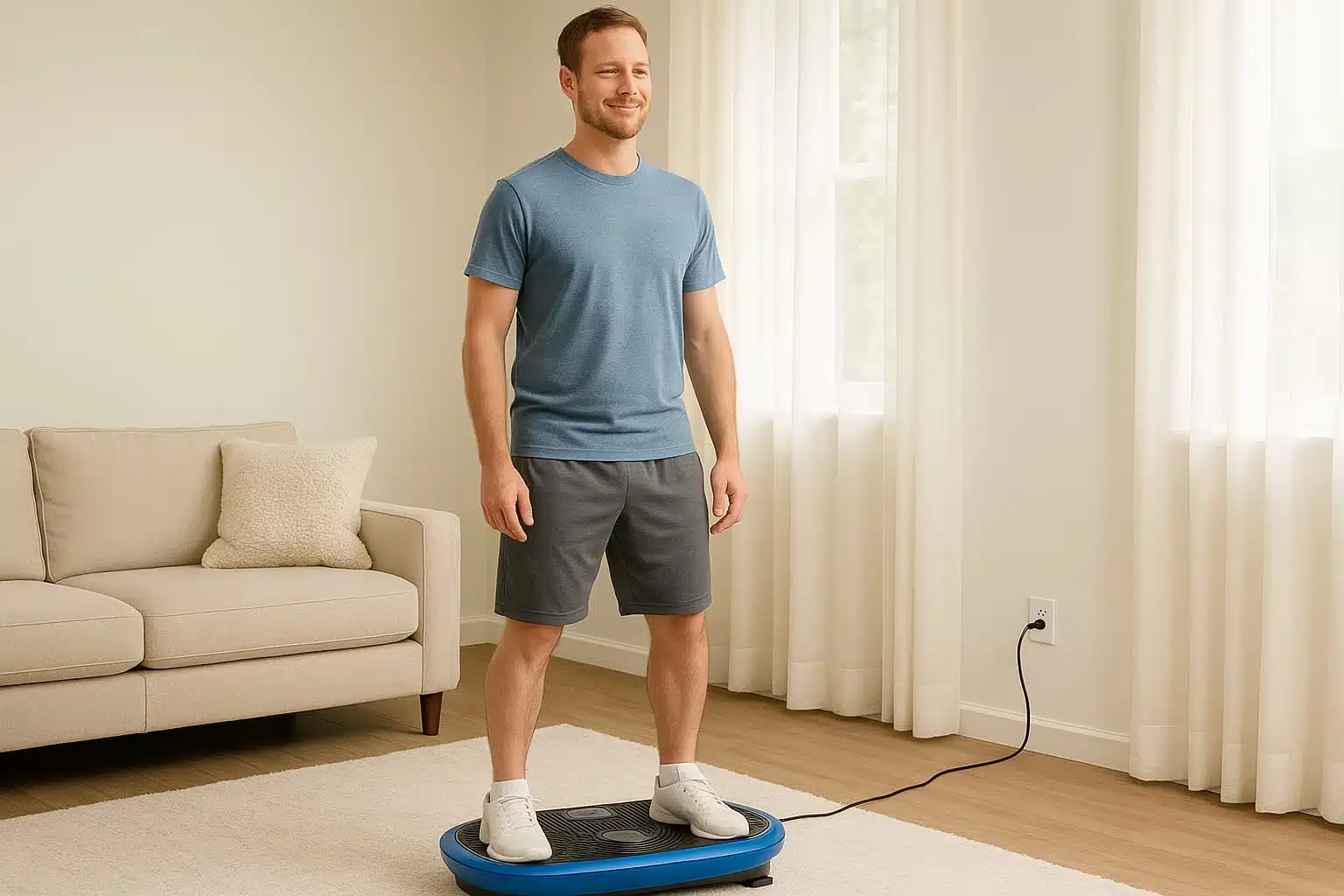
Your goals determine not only how often to use a vibration plate but also what time of day makes sense. Below, I share how I schedule my sessions based on specific outcomes. Each subsection links to one of our detailed buyer’s guides so you can choose a machine that aligns with your aim.
When Is the Best Time of Day To Use a Vibration Plate for Cellulite?
When it comes specifically to cellulite (not drainage), timing during the day matters far less than how and how often you use the vibration plate.
Cellulite is linked to fat distribution, connective tissue, and skin structure not just fluid buildup. The best vibration plates for cellulite may help improve skin appearance through better circulation, muscle activation, and slight fat reduction, but this happens gradually over weeks or months not based on the hour you train.
Because of that, there is no scientifically proven “best time of day” for cellulite reduction.
What actually matters:
Consistency – studies showing improvement used sessions 2–3 times per week for months
Duration – typically 10–20 minutes per session
Combination with exercise – squats, lunges, and strength work enhance results
If you still want to optimize timing, here’s the practical angle:
Before a workout (best choice)
Activates muscles and increases effectiveness of strength training, which is key for cellulite.
Any time you can stay consistent (most important)
Regular use drives visible changes, not timing.
Avoid late-night high intensity
Not because of cellulite, but because it may disrupt sleep.
Bottom line:
For cellulite, timing is almost irrelevant. What matters is regular use, proper exercises, and long-term consistency—that’s what actually changes how your skin looks.
Weight Loss and Metabolic Boost
If shedding pounds is your priority, the timing of your workouts should support fat metabolism. Some people enjoy exercising in a fasted state because it can help the body use stored fat.
I like a quick ten‑minute session before breakfast on non‑strength days. This short workout primes my muscles and jumpstarts my metabolism without leaving me too exhausted. On days when I’m doing heavier training, I use the plate in the late afternoon so that I’m already fuelled and can push harder. My roundup of the best Lifepro vibration plates includes several great models for versatile, more effiective workouts.
When Is the Best Time to Use a Vibration Plate for Lymphatic Drainage?
Improving circulation and aiding lymphatic drainage calls for gentle vibrations and regular use. Mid‑morning or early afternoon is a perfect slot for this because you’re upright and moving, which complements the plate’s massage effect. The rhythmic vibrations encourage lymph flow without overstimulating the body. My best vibration plate for lymphatic drainage guide explores machines that provide smooth, gentle motion ideal for this purpose.
Let's go into more detailed time breakdown here. Below is a clear, practical breakdown so you can choose what fits your routine.
Best time overall: Morning (empty stomach, after hydration)
For most people, this is the most effective time.
Why it works well:
- Your lymphatic system is relatively “stagnant” overnight.
- Gentle whole-body vibration first thing helps stimulate lymph flow.
- It can reduce morning puffiness in the legs, feet, and face.
- You’re less likely to feel heavy or bloated compared to later in the day.
Ideal setup:
- Drink a glass of water first.
- Stand or sit on the plate for 5–10 minutes.
- Use lower frequencies (typically 20–30 Hz for drainage-focused sessions).
Also very good: Evening (to reduce swelling and heaviness)
If you deal with:
- Swollen ankles,
- Heavy legs,
- Fluid retention,
- Standing all day,
- Or long sitting periods,
Then evening use can be excellent.
Benefits in the evening:
- Helps move accumulated fluid back toward the core.
- Can make your legs feel lighter before bed.
- May support better relaxation if you keep intensity moderate.
Avoid very high intensity right before sleep, as stronger vibration can be mildly stimulating for some people.
Not ideal: Right after a large meal
Try to avoid using a vibration plate for lymphatic drainage:
- Immediately after eating,
- When you feel full or bloated.
Wait at least 60–90 minutes after meals.
I often stand on the platform after a walk, letting the oscillations stimulate my legs and relieve any feeling of heaviness. Short, low‑intensity sessions two or three times a week have helped reduce swelling in my ankles. If you’re interested in machines that excel in this area, our best vibration plate for circulation review covers models that focus on gentle oscillation and stability.
Lymphatic Drainage and Detox
For those aiming to support detoxification and relieve fluid retention, vibration training can be a supportive tool when paired with good hydration and movement. I like to do five‑minute lymphatic sessions in the early evening, keeping the speed low and focusing on breathing.
Senior Fitness and Mobility
Older adults often ask, can you use a vibration plate every day? Gentle daily sessions may be safe for healthy seniors when kept short and low force. My elderly clients use their platforms three times a week for about eight minutes to improve balance and bone density.
They prefer late morning because it’s when they feel most stable and focused. Proper handles and a sturdy platform make a huge difference in confidence, so choose a machine designed for this population. To see which models include supportive handrails and gentle settings, visit our best vibration plate for seniors page.
Foot Pain and Plantar Fasciitis
If you struggle with foot pain, timing matters less than using the right positions and intensity. I found relief from plantar fasciitis by standing on the vibration plate for short bouts in the afternoon, when my feet were warm but not sore from the day’s activities. The gentle vibrations helped loosen tight fascia and improve blood flow without aggravating my condition. There’s a full breakdown of suitable machines in our best vibration plate for plantar fasciitis guide.
Compact Home Training
Not everyone has time to visit a gym, so many people want to know the best time of day to use vibration plate devices in a home setting. I keep my machine in the living room and fit in ten‑minute sessions between daily tasks. Morning warm‑ups, midday breaks, or evening cool‑downs all work well when you own a quiet machine that doesn’t disturb others. If you’re shopping for compact equipment, our best vibration plate for home use article highlights models that are stable, quiet, and easy to move.
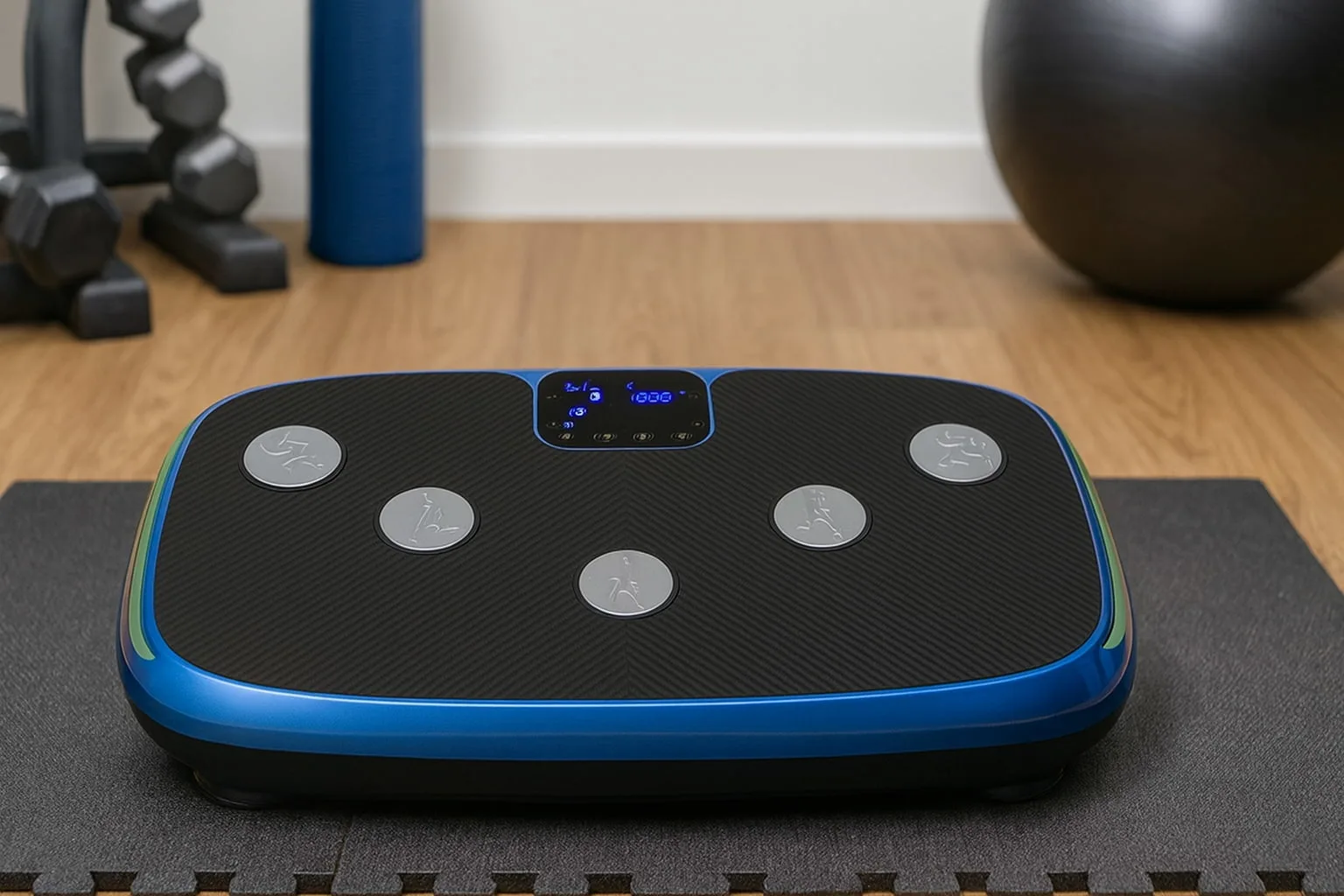
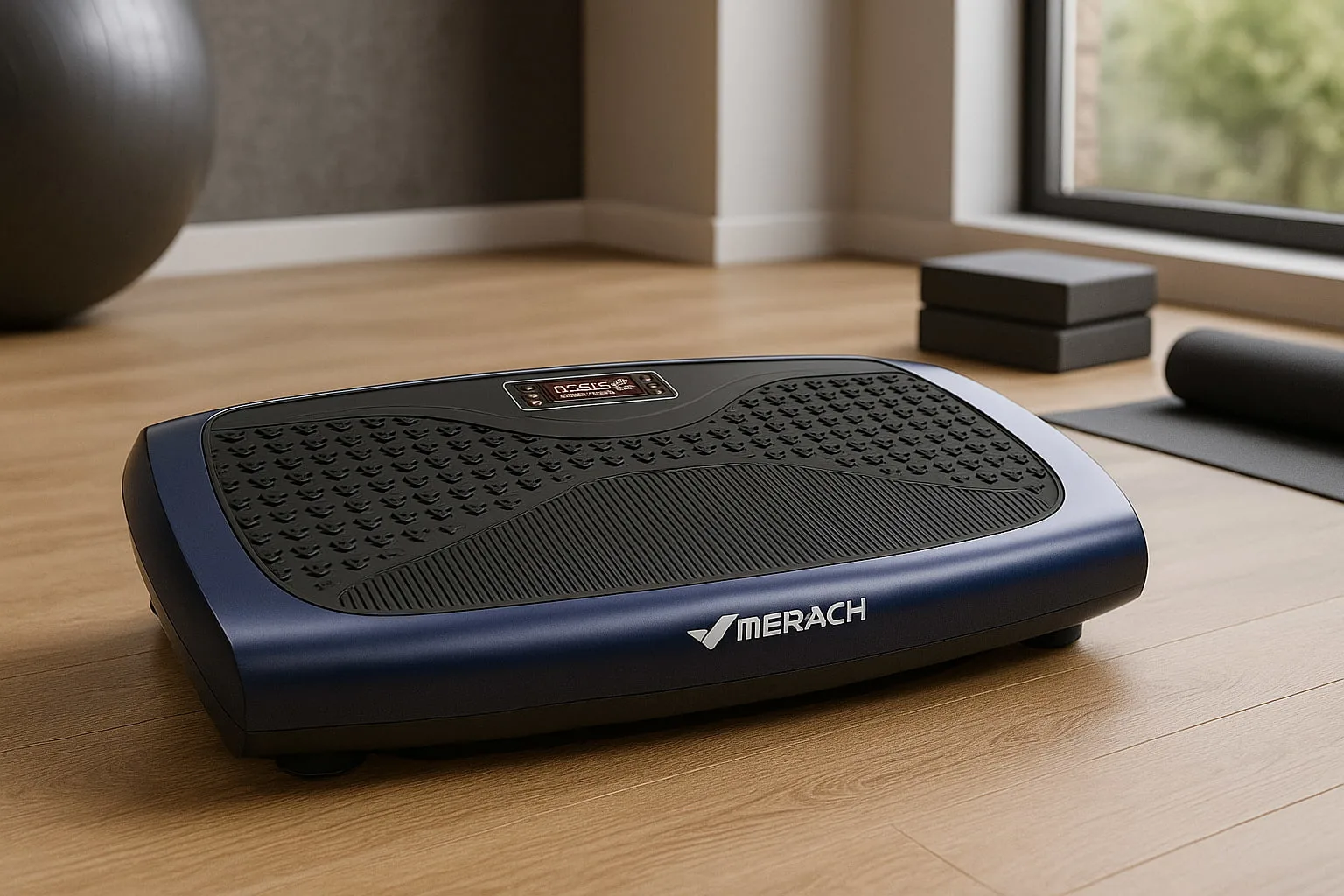
My Recommended Top 3 Best-Buys: Reviewed & Rated

How Often and How Long to Use Your Vibration Plate
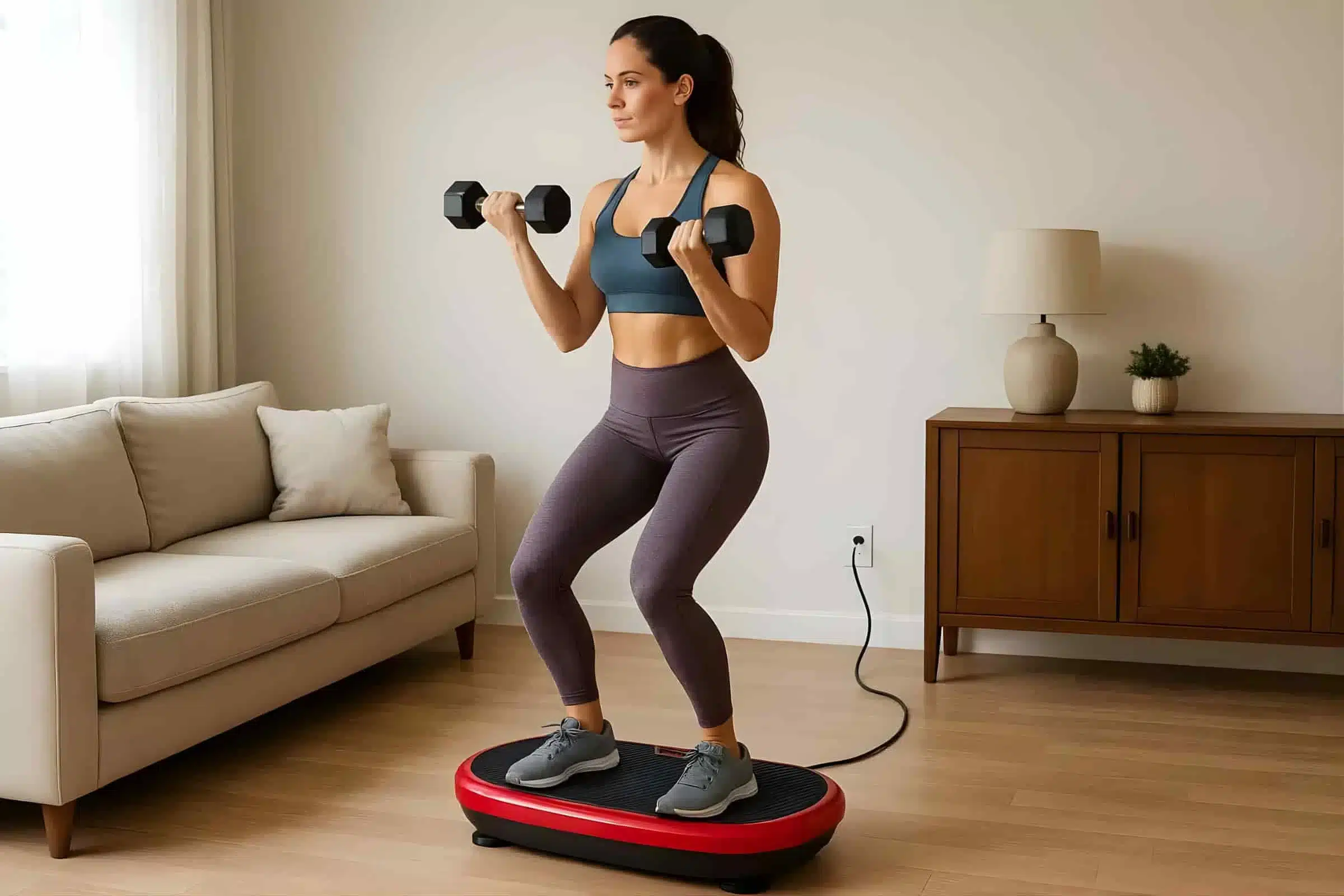
Once you’ve chosen when to fit sessions into your day, the next step is deciding how often and how long to use a vibration plate. The frequency depends on your experience level, health, and goals. Here’s how I structure my routine and what experts generally recommend:
- Beginners should start with two or three sessions per week, each lasting about five to ten minutes. This allows your muscles and joints to adapt to the vibrations. Keep speeds low and focus on basic positions like standing, gentle squats, or seated massage.
- Intermediate users can progress to three or four sessions per week, for 15–20 minutes each. Mix static holds with dynamic movements such as lunges, planks, or push‑ups on the plate. Gradually increase speed and difficulty as your body becomes more comfortable.
- Weight loss or performance training might involve four or five sessions per week at moderate to high intensity. Sessions can be 10–15 minutes for high‑intensity intervals or up to 25 minutes when combining different exercises. Always pair these workouts with a balanced diet and other forms of exercise.
- Lymphatic drainage, circulation, or recovery work best with two or three gentler sessions per week, lasting 10–20 minutes. Use low speeds and relaxed positions to encourage fluid movement without overstressing your body.
The question should I use my vibration plate every day? depends on how your body responds. Daily use can be safe at low intensity and short durations, especially for recovery or gentle massage. On days when I feel stiff or swollen, I’ll hop on for a few minutes in the morning or after a walk. If you experience soreness or fatigue, take a rest day. Avoid exceeding 30 minutes per day, as too much vibration can lead to muscle fatigue or joint discomfort.
Safety Considerations and Night‑Time Use
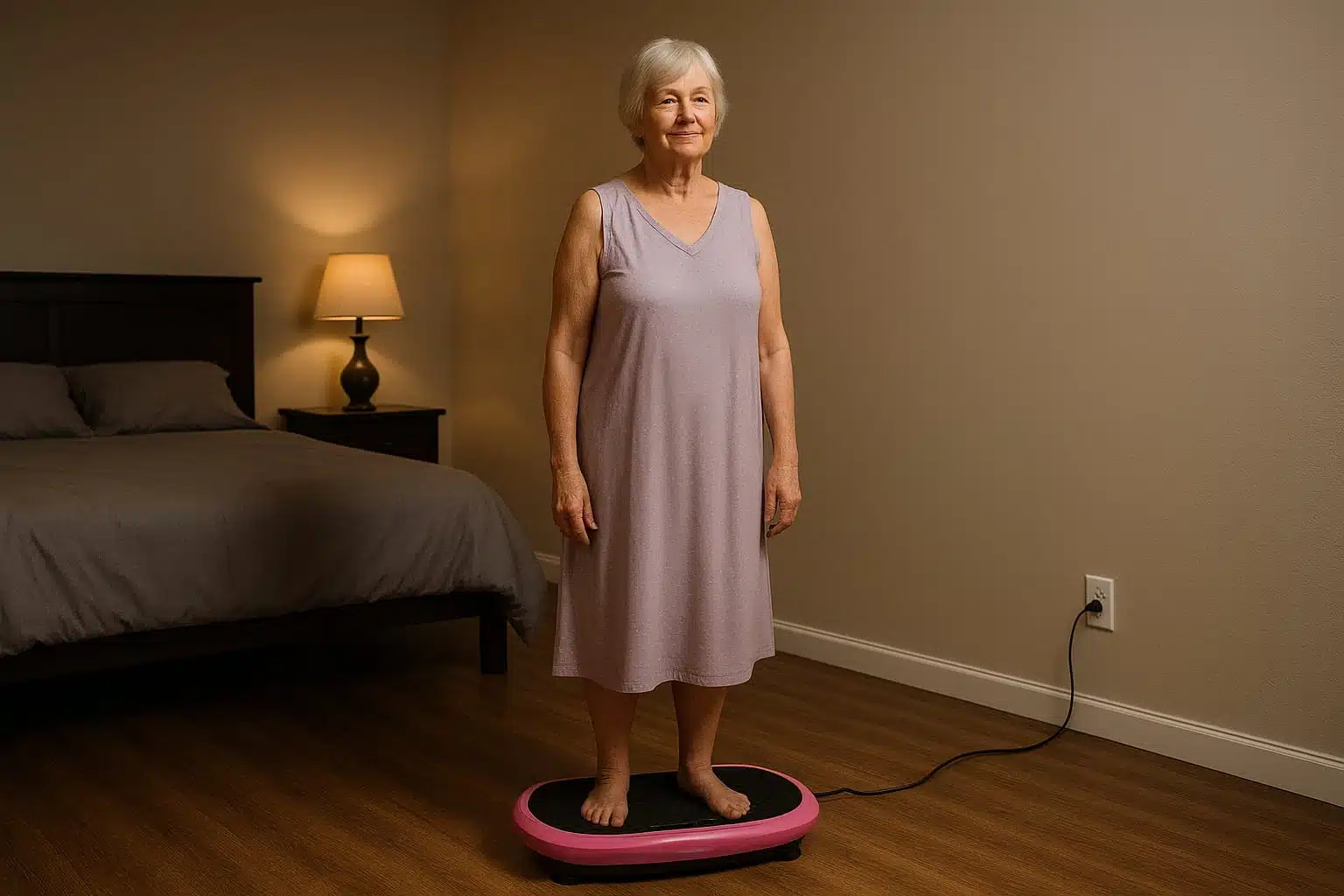
Vibration plates are generally safe for healthy adults when used correctly, but there are important precautions to consider. Avoid stepping onto a plate immediately after eating; the vibrations can upset your stomach.
If you have heart conditions, recent surgeries, joint replacements, or are pregnant, consult a healthcare provider before starting. People with pacemakers or certain neurological conditions should also seek medical advice.
The topic of vibration plate before bed is often debated. For most users, high‑intensity vibration in the evening can make it harder to fall asleep because it elevates heart rate and stimulates the nervous system.
However, there are exceptions. Some people, especially those with restless leg syndrome or insomnia, find that a short, low‑intensity session two hours before bedtime helps relax their muscles and reduce discomfort. If you experiment with this, keep your sessions to five or ten minutes, use a gentle setting, and finish with stretching or deep breathing. Stop immediately if you feel jittery or more awake.
Practical Tips for Incorporating Vibration Training into Your Routine
Building a sustainable routine around vibration training is easier when you follow a few simple strategies:
- Schedule sessions alongside existing habits. I associate morning sessions with my first cup of coffee, midday sessions with a work break, and evening workouts with my post‑work stroll. Tying the plate to something you already do helps make the practice automatic.
- Warm up and cool down. Even though vibration training engages muscles quickly, I start with light stretches or a brisk walk to raise my heart rate gently. After a session, I cool down with stretching or foam rolling to prevent stiffness.
- Maintain proper posture. When standing on the platform, keep knees slightly bent, engage your core, and distribute weight evenly. This reduces stress on joints and allows you to absorb vibrations safely. If you’re unsure how to use a vibration plate correctly, start with basic positions and follow manufacturer guidelines.
- Combine with other exercises. Vibration plates are most effective when incorporated into a broader fitness plan. I use them alongside resistance training, walking, and flexibility work. For example, doing bodyweight squats on the plate followed by push‑ups on the floor mixes stability and strength.
- Listen to your body. Pay attention to how you feel during and after sessions. If you experience dizziness, joint pain, or numbness, reduce the intensity or stop and talk to a professional. Drinking water before and after sessions also helps your body process the vibrations and supports lymphatic flow.
Answering Common Questions About Time, Calories, and Equivalence
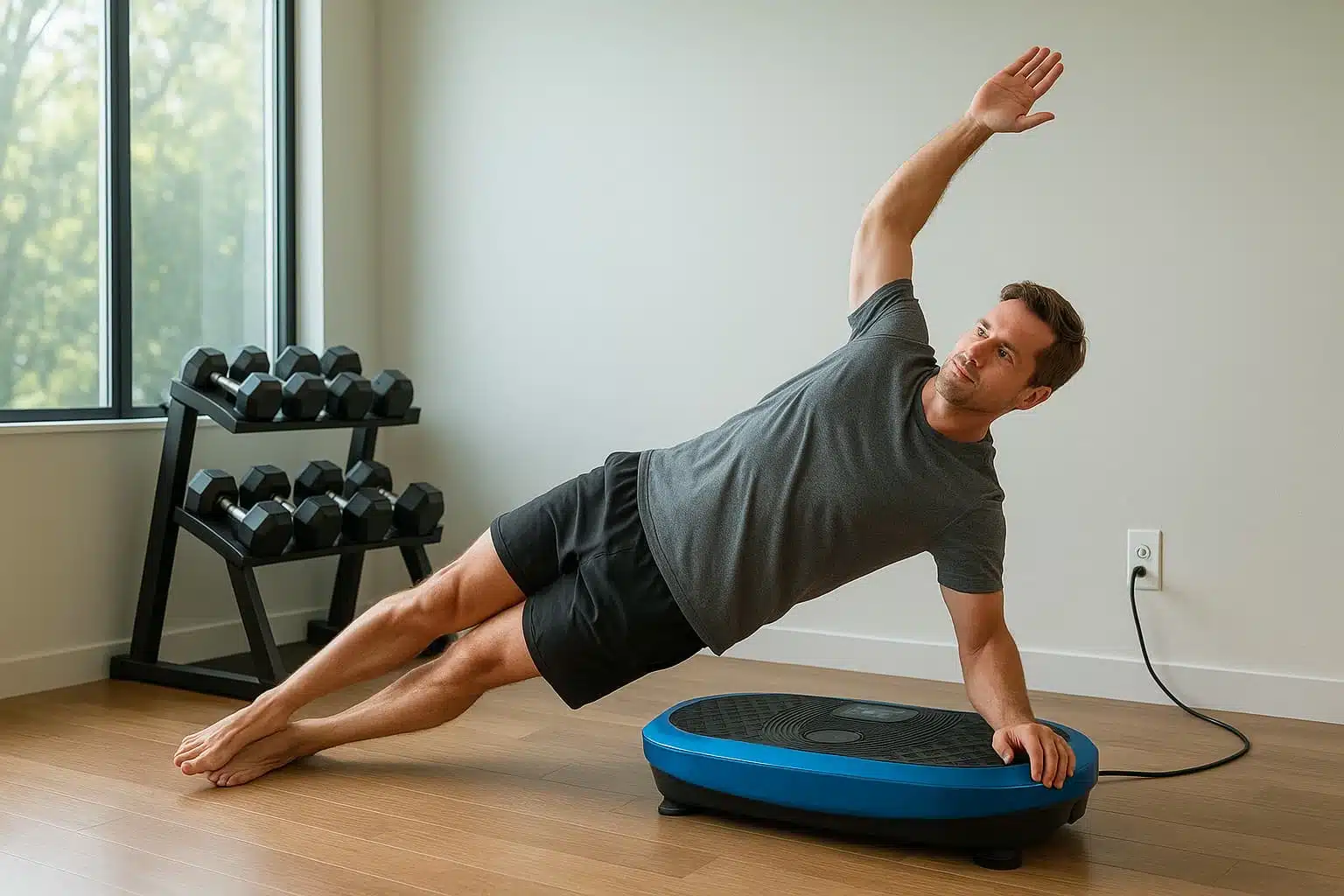
Curious readers often have questions about how vibration plates compare to traditional workouts and how many calories they burn. Here are clear answers based on my experiences and general guidelines:
- What is 10 minutes on a vibration plate equivalent to? Ten minutes on a vibration plate can engage your muscles similarly to a longer warm‑up or light workout because the platform causes rapid muscle contractions. In my experience, a ten‑minute high‑intensity session feels comparable to performing 30 minutes of bodyweight exercises like squats or lunges. It’s a convenient way to activate muscle fibres quickly, but it doesn’t replace a full workout.
- How many calories do you burn in 20 minutes on a vibration plate? Calorie burn depends on your weight, intensity, and the movements you perform. A twenty‑minute session that includes dynamic exercises can burn anywhere from 150 to 300 calories for an average adult. Standing still on the plate will burn fewer calories than performing squats, planks, or lunges. Remember that sustainable weight loss still requires a balanced diet and other forms of activity.
- What time of day should I use a vibration plate? The best time of day to use a vibration plate is whenever you can commit to regular sessions. Morning workouts offer an energy boost, midday sessions break up sedentary time, and early evening allows for more intense workouts. Avoid vigorous use right before bed to protect your sleep.
- Can you use a vibration plate every day? You can use a vibration plate every day if you keep sessions short and use low intensity. Daily use is helpful for relaxation or lymphatic drainage. If your goal is performance or weight loss, mix intense days with rest days to allow for recovery.
- How long to use a vibration plate each session? Most people find five to ten minutes sufficient for beginners, progressing to 15–20 minutes as they gain experience. Avoid exceeding 30 minutes a day to reduce the risk of fatigue or injury. If your plate has high settings, shorter sessions are safer.
Putting It All Together
Deciding on the best time of day to use a vibration plate is more about personal preference and consistency than following a strict rule. Morning sessions provide an energizing start to the day; midday sessions break up sedentary time and support circulation; early evening workouts allow for higher intensity moves. Gentle use before bed is possible for relaxation, but strong vibrations can disrupt sleep. Tailoring your routine to your goals, whether that’s weight loss, circulation, lymphatic support, mobility, or recovery, and choosing a machine suited to your needs will help you get the most from this versatile tool.
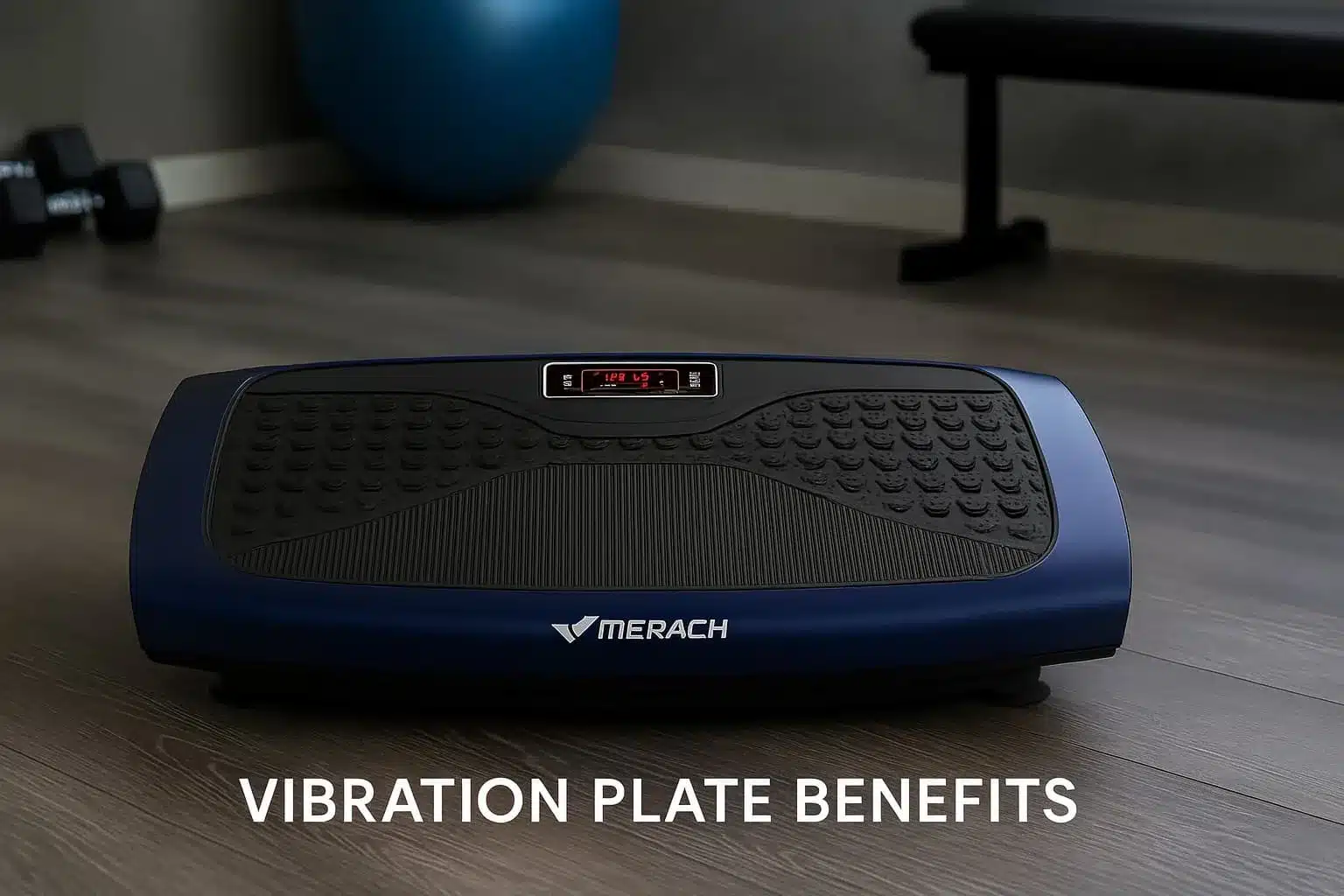
By listening to your body, following sensible duration guidelines, and integrating the platform into your existing schedule, you’ll build a sustainable practice that supports long‑term health. Explore our guides on best MERACH vibration plate and related topics to learn more about vibrating machines from this renowned brand that match your lifestyle. Remember, consistency and proper technique will always outweigh the clock when it comes to vibration training.
FAQs
What time of day should I use a vibration plate?
To decide what time of day you should use a vibration plate, think about when you have energy and can commit to regular sessions. Morning workouts energize you and help wake up your muscles; midday sessions break up long periods of sitting; early evening allows for more intense work without disrupting your bedtime. Avoid high‑intensity use right before bed because it may make falling asleep more difficult.
Should I use my vibration plate every day?
Whether you should use your vibration plate every day depends on your goals and how your body feels. Short, low‑intensity daily sessions are fine for relaxation or lymphatic support. If you’re training for weight loss or strength, stick to three to five sessions per week and let your muscles recover between workouts. Always stop if you feel pain or excessive fatigue.
How often should you use a vibration plate for weight loss?
When weight loss is your goal, you should use a vibration plate four or five times per week, pairing the sessions with a balanced diet and other exercises. Each workout can last 10–15 minutes and include dynamic moves like squats, lunges, and planks. Consistency matters more than timing, so choose days and times you can maintain long term.
What is 10 minutes on a vibration plate equivalent to?
Ten minutes on a vibration plate is equivalent to a longer warm‑up or light workout because it causes your muscles to contract rapidly. While some marketing claims suggest it replaces an hour of exercise, in practice it feels similar to 20–30 minutes of bodyweight movements. Use it as a supplement rather than a complete replacement for traditional workouts.
How many calories do you burn in 20 minutes on a vibration plate?
The number of calories you burn in 20 minutes on a vibration plate varies by person and intensity. For many adults, a session involving dynamic exercises can burn 150 to 300 calories. Standing still burns fewer calories than actively performing squats, planks, and lunges. Consider using a fitness tracker or heart rate monitor if you want a more precise estimate.