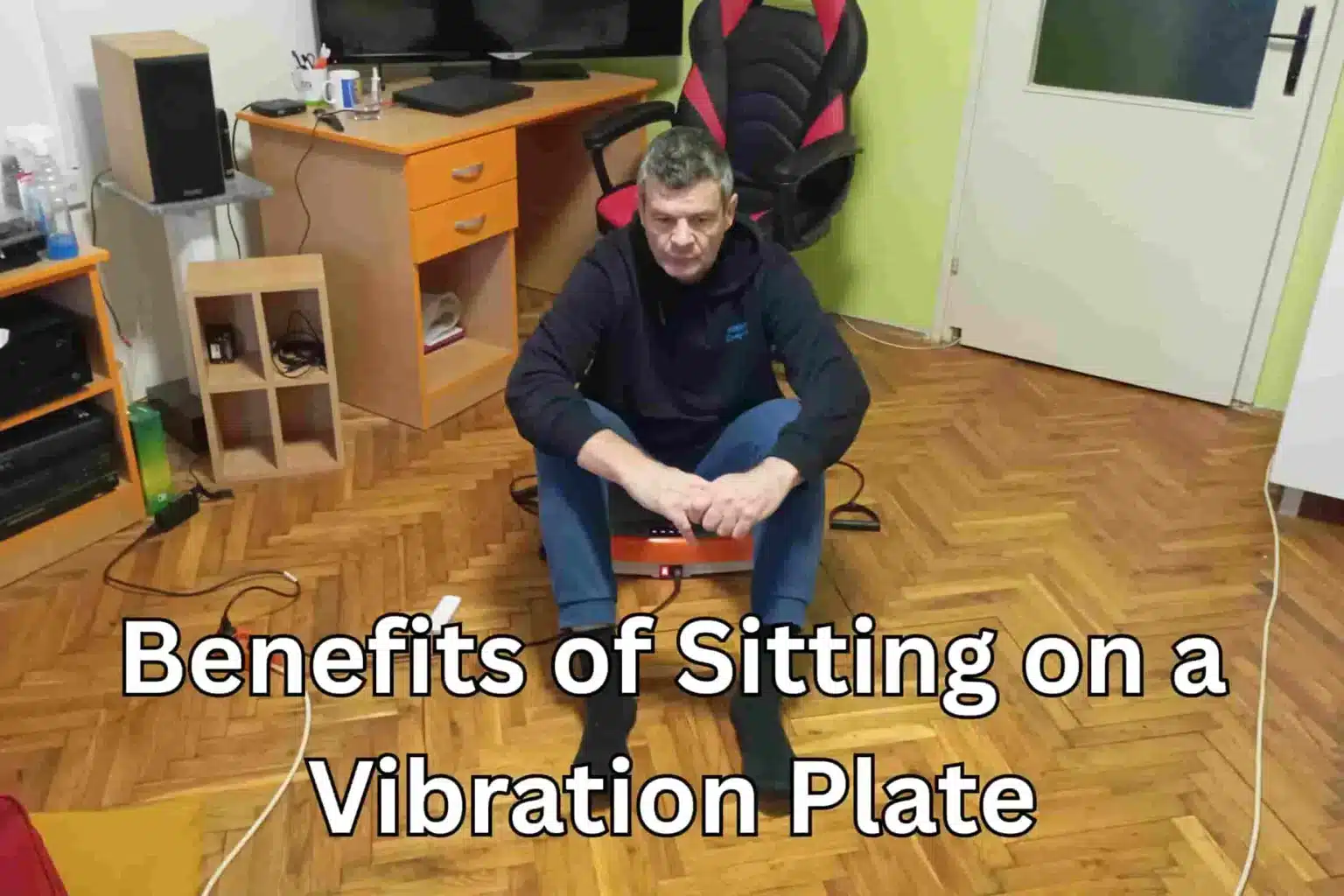
Staying active when you’re dealing with injuries, chronic conditions, or low energy can feel like an uphill battle. I discovered the benefits of sitting on a vibration plate when I was recovering from a knee injury and struggled to stay mobile. Instead of standing, I used a firm cushion placed on my vibration platform, allowing gentle oscillations to travel through my body. Those first sessions sparked improved circulation, a lift in my mood, and a surprising sense of calm.

About the author: Hello! I’m Vladimir Stanar, professor of physical education, kinesiotherapist, marathon runner, cyclist, and cycling coach, and long-time advocate of health, fitness, and active living.
My journey with vibration plates runs parallel to my professional career in education, sports medicine, and athletic development. I’ve developed a unique process for testing vibration plates as they are some of the most versatile tools for enhancing health, recovery, and performance.
✅ Expert-Reviewed by: Vanja Vukas, MPhEd
📚 Expert Contributor: Milutin Tucakov, MPhEd
As I kept experimenting, I realized that sitting on a vibration plate isn’t just a workaround for people who can’t stand: it has unique advantages that deserve attention.
In this guide, I’ll share what I’ve learned, explore how the practice works, and offer practical tips so you can decide if seated vibration training fits into your wellness routine.
Understanding the Benefits of Sitting on a Vibration Plate
When people ask: "What does sitting on a vibration plate do?", my answer always starts with the basics.
A vibration plate is a compact platform that produces rapid oscillations. According to research, the human body has a natural resonant frequency of roughly 5–20 Hz, and exposure to vibrations in the 20–70 Hz range acts as a mild stimulus, prompting adaptive responses in muscles, bones, and even the nervous system.
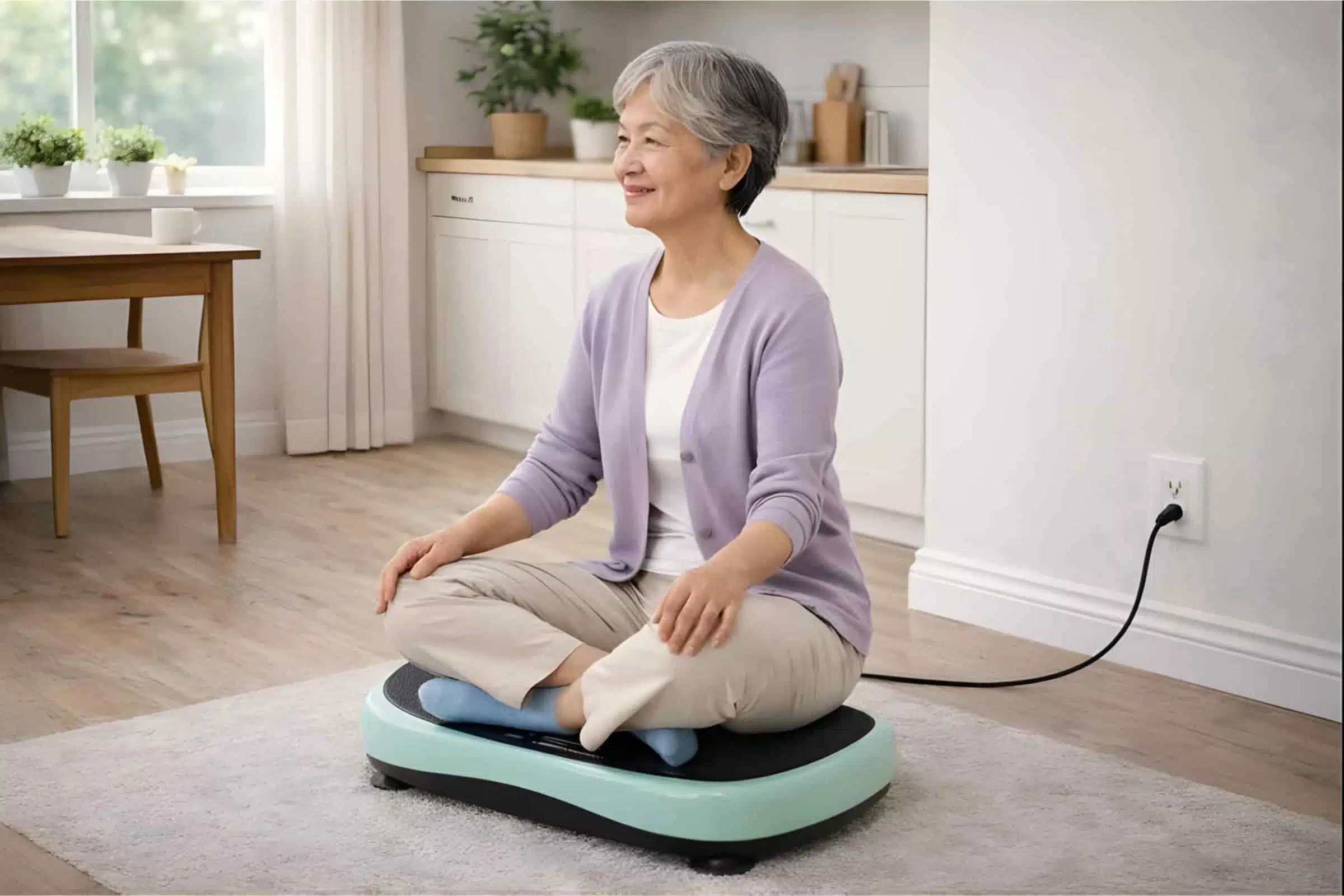
But, does sitting on a vibration plate work? Absolutely! Vibrations delivered through a firm cushion placed on the platform reach the hips, core, and spine, stimulating muscle fibers and circulation even when you’re not standing.
By remaining seated, you can still enjoy many of the sitting on a vibration plate benefits without stressing sore joints or struggling with balance.
WBV (whole‑body vibration) sessions feel deceptively simple: you sit, relax your legs on the platform, and let the machine do the work. Yet these micro‑movements trigger hundreds of mini‑contractions each minute. Experts compare the effect to a mini workout for your musculature and nervous system.
A wide range of benefits, from stronger muscles to better mood and improved circulation, are linked to this modality. Sitting also makes vibration plates accessible to older adults, people recovering from injuries.
So, can you sit on a vibration plate and still get results? Yes, you can, for sure. Let’s explain those results one by one.
Why Sitting on a Vibration Plate Matters
At the time, I chose seated vibration training initially because standing was too painful. Over time, I learned that sitting offers its own set of advantages. It’s incredibly inclusive. You can place a firm cushion on the platform, adjust the frequency to a comfortable level, and let the vibrations stimulate your entire body.
Does sitting on a vibration plate help with muscle strength? Yes, it helps by providing a gentle way to activate muscles, improve blood flow, and enhance lymphatic drainage. This low‑impact option is ideal if you’re new to WBV, have limited mobility, or want to incorporate vibration into work breaks without breaking a sweat.
Sitting also engages your core differently from standing. Because you’re not focusing on balance, you can relax your upper body and let deeper muscles respond to the vibrations. I’ve noticed improved core stability and hip flexibility from seated sessions. Importantly, a cushion makes it easy to add upper‑body exercises such as bicep curls or shoulder presses while your legs also absorb vibrations.
If you’re asking if sitting on a vibration plate does anything, you’ll find that the seated approach to vibration therapy and workouts has real value.
Muscle and Strength Benefits
Muscle activation is one of the primary reasons people invest in vibration plates. The oscillations cause muscles to contract reflexively dozens of times per second, leading to significant muscle engagement over a short period.
In my experience, sustained seated sessions lead to stronger glutes, quadriceps, and core muscles. Research to date summarised in a systematic review indicates that whole‑body vibration offers benefits similar to traditional strength training, improving muscle strength and postural stability.
While seated, the muscles of the thighs and hips respond vigorously to the vibrations, which is particularly helpful for those who can’t perform weight‑bearing exercises but still want to maintain strength.
Accessible Strength Training
- Gentle muscle stimulation: Sitting allows you to enjoy muscle‑strengthening benefits without overloading your joints. Even individuals with limited mobility can perform leg extensions, calf raises, or isometric squeezes while the platform vibrates.
- Upper‑body integration: Holding light weights or resistance bands during seated sessions adds an extra challenge. For example, performing bicep curls or shoulder presses while seated on a vibration plate engages more muscle fibers and improves coordination.
- Support for athletes and desk workers: Vibrations can enhance neuromuscular efficiency, making them a valuable cross‑training tool for athletes and a way for desk workers to break up sedentary days. For a deeper dive into picking the right machine for your needs, explore my guide to top vibration platforms, where I review models that excel at vibration platform training.
Improved Circulation and Lymphatic Flow
When you sit for long periods, blood and lymphatic fluid can pool in the legs, causing swelling and discomfort.
One of the most immediate benefits of sitting on a vibration plate is a boost in circulation. The gentle oscillations stimulate calf muscles and encourage venous return, helping blood flow back toward the heart. This action relieves leg heaviness and can temporarily reduce swelling caused by prolonged standing or inactivity.
Clinicians who treat chronic venous insufficiency use vibration plates to mimic the effects of light physical activity; a recent study found that sessions improved venous blood flow and reduced leg edema in patients.
Support for Lymphatic Health
- Stimulating lymph movement: Sitting on a vibration plate encourages lymphatic drainage, helping your body remove metabolic waste and support immune function. I often finish a long day of travel or desk work with a seated session to reduce swelling and feel lighter.
- Reducing muscle tension: Vibration relaxes tight muscles in the calves and hamstrings. If you struggle with restless legs or night‑time cramps, a short seated session in the evening can bring relief.
- Related resources: To learn more about models that support lymphatic drainage and circulation, check out my detailed reviews of vibration plates for lymphatic drainage. They’re designed to deliver smooth oscillations that enhance fluid movement.
Bone Density and Posture Support
Another question I hear often: Is sitting on a vibration plate good for you when it comes to bone health?
Evidence suggests that WBV can positively influence bone mass and structural integrity. Sitting provides a safe way for people with osteoporosis or balance issues to load their skeletal system without risk of falling.
Weight‑bearing exercise is known to stimulate bone growth, but standing on a vibration plate isn’t the only way to achieve that. The mechanical vibrations delivered through your hips and spine stimulate bone cells, which may help maintain or improve bone density over time.
Improving Posture and Core Stability
- Spinal alignment: Seated vibration encourages you to sit up straight, engaging your core muscles to stabilize your torso. Over weeks of practice, I noticed that my lower back felt stronger and my posture improved.
- Hip and pelvic health: The vibrations travel up through the pelvis, gently stimulating the hips. This can support better hip mobility and reduce stiffness.
- Bone‑focused resources: If you’re interested in devices that are particularly effective for bone health, my roundup of vibration plates for osteoporosis offers detailed recommendations.
Metabolic and Weight Management Effects
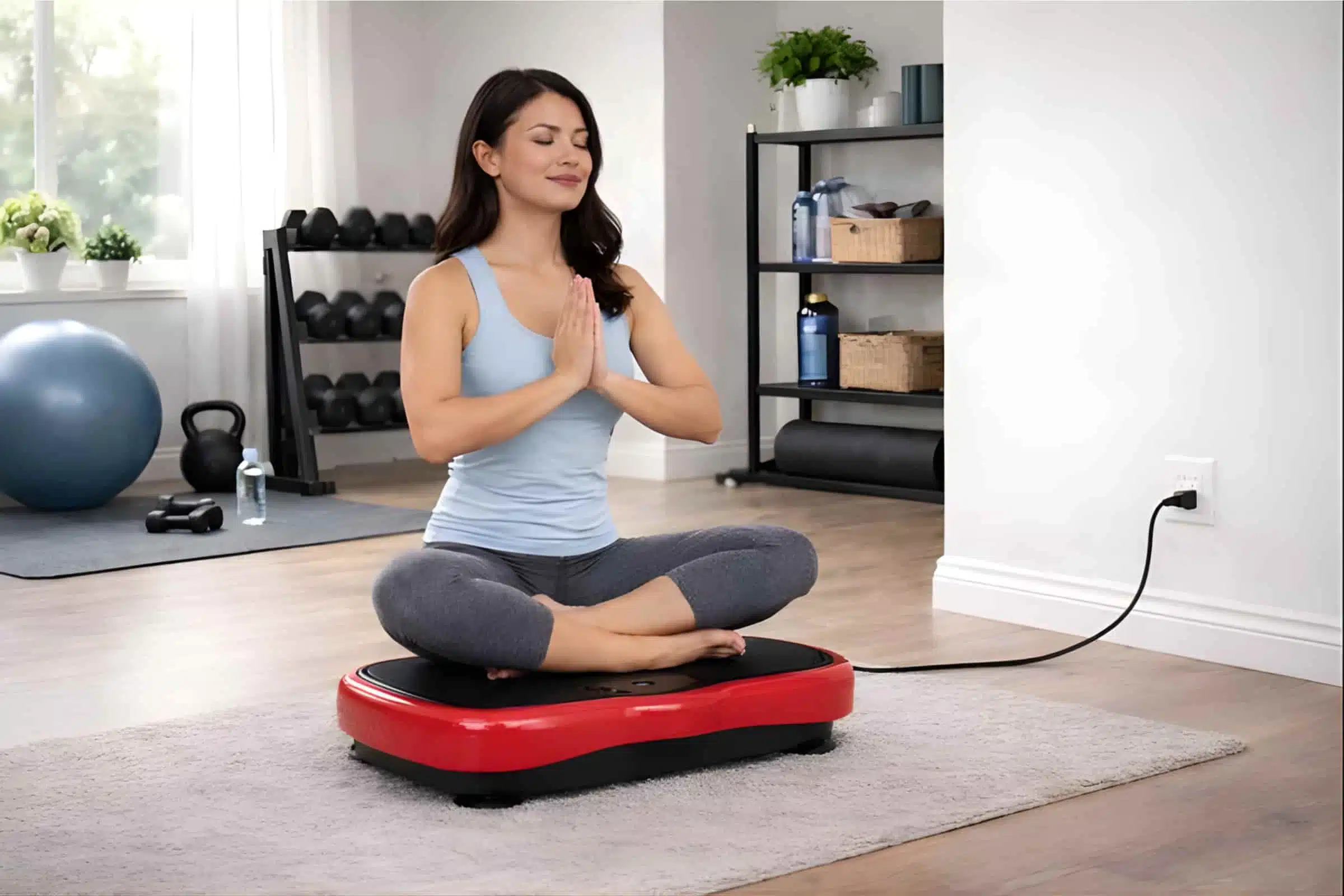
Does sitting on a vibration plate burn calories? While it doesn’t replace a cardio workout, seated vibration does contribute to energy expenditure. The constant muscle contractions increase metabolic rate slightly, and when combined with mindful nutrition, it can support weight management.
A small but compelling body of research indicates that vibration training may enhance fat loss when paired with caloric restriction. Anecdotally, after incorporating regular seated sessions into my routine, I saw my legs become more toned and noticed a modest decrease in body fat. Beforehand, learn about vibration plate dos and don'ts.
Supporting Weight Loss
- Calorie burn: The energy required to maintain muscle contractions during seated sessions burns a modest amount of calories. When you add light upper‑body exercises, the burn increases.
- Improving insulin sensitivity: Vibration training may improve glucose metabolism, supporting weight loss efforts by promoting better blood sugar control.
- Internal resource: For those specifically focused on weight loss, we’ve curated a collection of vibration plates for weight management that combine effective oscillations with user‑friendly programs.
Pain Relief and Rehabilitation
Seated vibration training offers a gentle way to manage pain and recover from injuries. In the weeks following my surgery, the platform helped reduce inflammation and stiffness in my knee. Vibrations stimulate mechanoreceptors in the skin and muscles, which can trigger endorphin release and decrease pain perception.
For people living with neuropathy, fibromyalgia, or chronic pain conditions, sitting on a vibration plate may provide soothing relief. Studies and case reports have noted improvements in comfort and quality of life after vibration sessions, thanks to better circulation and reduced muscle tension.
Supporting Rehabilitation
- Gentle mobilization: Seated sessions allow you to mobilize joints without bearing full weight. If you’re recovering from ankle surgery, for example, you can rest your feet on the plate and let the vibrations enhance blood flow and healing.
- Reducing back pain: Many users find that the gentle oscillations ease lower‑back stiffness. Pairing vibrations with gentle stretches can amplify these benefits.
- Choosing the right equipment: Consider reading our in‑depth review of vibration plates for neuropathy if you’re seeking relief from nerve‑related pain.
Neurological and Mental Health Benefits
As someone who grapples with seasonal mood dips, I was surprised by the mental lift I felt after seated vibration sessions. Whole‑body vibration may reduce stress by lowering cortisol levels and increasing the release of endorphins. It also stimulates neurotransmitters like serotonin and dopamine, which play roles in mood regulation.
A randomised controlled trial in college students showed that exercising on a vibration platform significantly reduced depression, anxiety, and stress compared with traditional exercise. Sitting on a vibration plate benefits reach beyond physical fitness; they extend into mental wellness as well.
Cognitive and Sleep Enhancements
- Sharper thinking: Evidence suggests that WBV can improve cognitive functions such as attention and memory. When I sit through a session before a brainstorming meeting, I notice heightened focus.
- Better sleep: Vibration training encourages relaxation and may help regulate sleep patterns. Seated sessions in the evening calm my mind and make it easier to fall asleep.
- Mind–body connection: The subtle vibrations bring awareness to bodily sensations, grounding you in the present moment. If you’re curious about machines tailored to mental wellness, explore my comprehensive guide to vibration plate mental health benefits.
Who Can Benefit From Sitting on a Vibration Plate?
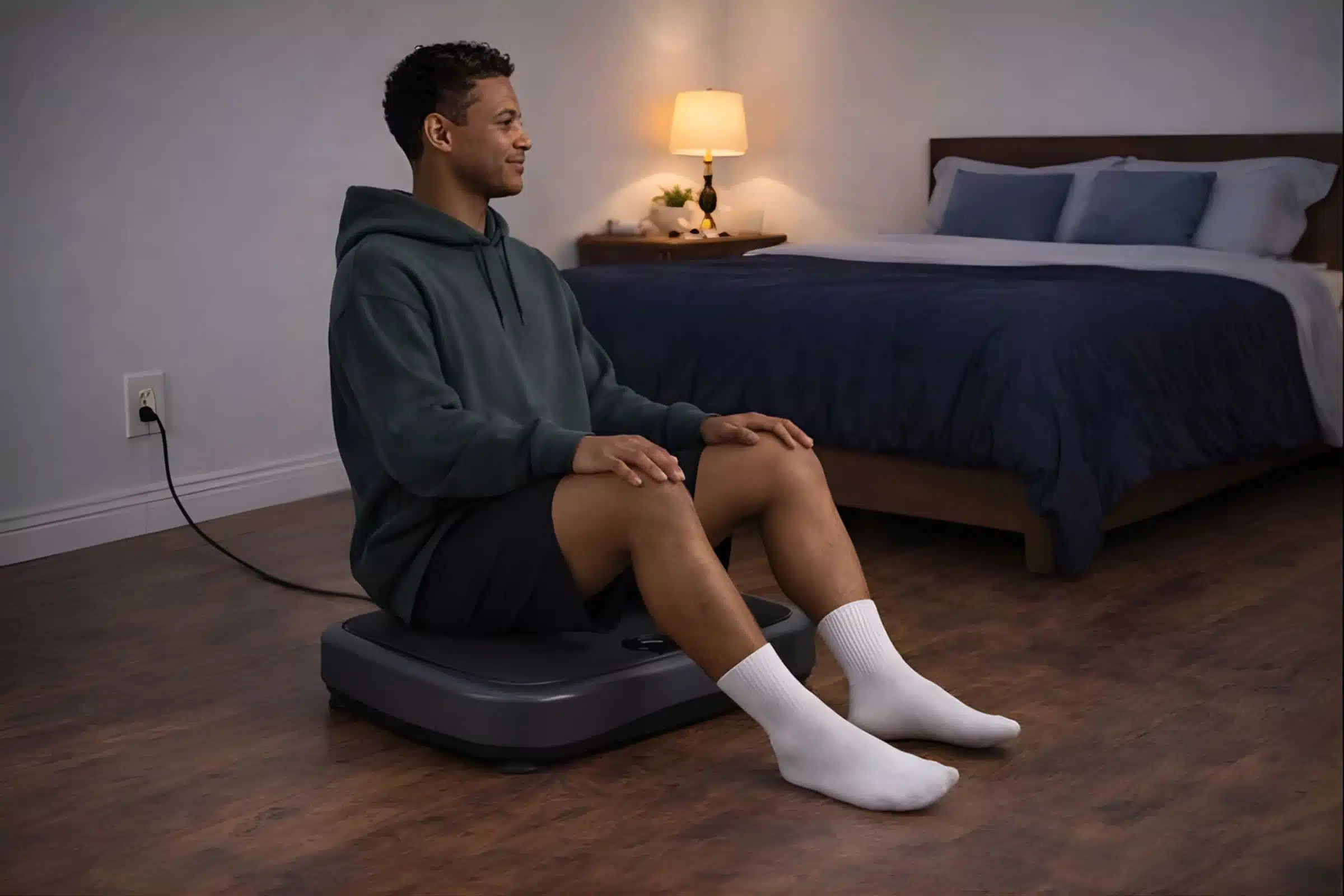
You might wonder what does sitting on a vibration plate do for you if you’re healthy and active. The answer is that this practice benefits a diverse range of people, from athletes to those with chronic conditions. Here are some groups that stand to gain the most:
- Older adults and people with limited mobility: Seated vibration offers a safe way to maintain strength, circulation, and bone health without the risk of falls. It can also support balance training by stimulating proprioceptive sensors.
- People managing chronic conditions: Those with arthritis, neuropathy, or lymphedema may experience relief from pain and swelling due to improved blood and lymphatic flow. Always consult a healthcare provider before starting.
- Desk workers and students: If you spend hours at a computer, sitting on a vibration plate for short sessions can counteract the effects of sedentary habits by waking up your muscles and improving posture. I like to slide my feet onto the plate during lunch breaks to keep my legs lively.
- Athletes and fitness enthusiasts: Seated vibration can complement other workouts by enhancing neuromuscular coordination. Some athletes use it for warm‑ups or active recovery, especially after long runs or strength sessions.
- Individuals needing convenience: If you live in a small apartment or travel frequently, a compact vibration plate provides a portable fitness tool you can use while watching TV or reading.
Safety Considerations and Tips
Is sitting on a vibration plate good for you if you follow the safety tips? In most cases, yes, but there are important guidelines. Before starting, consult your doctor if you have cardiovascular disease, a pacemaker, are pregnant, or have any serious medical condition. Some people may experience dizziness or headaches during their first sessions; starting with lower frequencies and shorter durations helps minimize these side effects.
Practical Tips
- Session length: How long can you sit on a vibration plate? Beginners should start with 5–10 minutes and gradually build up to 15–20 minutes. Listen to your body and take breaks if you feel discomfort.
- Frequency settings: Many machines offer settings from 15 Hz up to 45 Hz. Lower settings are gentler and suitable for relaxation or pain relief, while higher settings provide more intense muscle activation.
- Posture: Sit on a firm cushion placed on the platform. Keep your feet flat, engage your core, and avoid slouching to protect your spine.
- Hydration: Drink water before and after sessions. Improved circulation can dehydrate you more quickly than you might expect.
- Avoid overuse: Can you just sit on a vibration plate all day? No. Like any exercise modality, moderation is key. Mix vibration training with other forms of movement for a well‑rounded fitness routine.
Sitting vs Standing on a Vibration Plate
Many of our readers ask about the difference between sitting vs standing on a vibration plate.
Standing sessions typically provide stronger muscle activation and balance challenges. They’re great for people who want to improve power, coordination, and lower‑body strength. However, standing requires more stability and may not be safe for everyone.
Sitting is gentler and still stimulates muscles, bones, and circulation. It’s ideal for recovery days, individuals with limited mobility, or those who want to combine vibration with upper‑body exercises.
From my personal experience, alternating between seated and standing sessions yields the best results. On days when I’m feeling strong, I stand on the plate to perform squats or calf raises. When my joints feel achy or I’m short on time, I opt for a seated session, often while reading or answering emails. Both approaches complement one another; they’re not mutually exclusive.
How to Get Started With a Seated Vibration Plate Routine
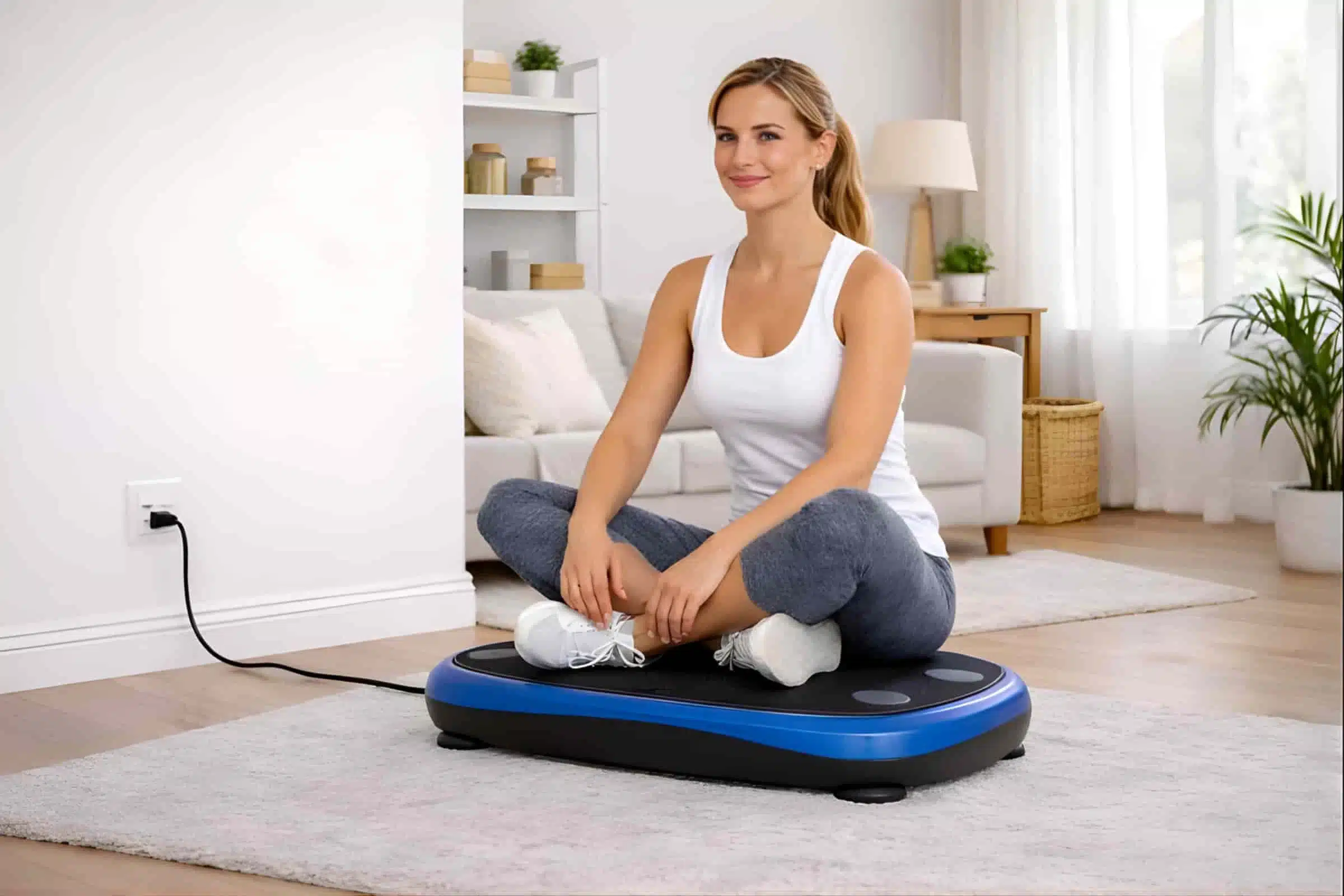
Starting a new practice can feel intimidating, but seated vibration training is straightforward. Here’s a step‑by‑step guide:
- Choose the right machine. Select a platform that fits your space and offers adjustable frequency levels. Our guide on home‑friendly vibration plates highlights models that are quiet, compact, and easy to move.
- Choose a firm cushion. Ensure the cushion isn't too soft to absorb vibrations and that your feet rest comfortably on the vibrating surface.
- Start slow. For your first session, set the frequency between 15–20 Hz and sit for 5 minutes. Focus on your breathing and pay attention to how your body feels.
- Incorporate exercises. As you become comfortable, add gentle movements. Lift your heels, straighten one leg at a time, or hold light dumbbells for upper‑body exercises. Keep your core engaged.
- Progress gradually. Increase session length and frequency over several weeks. Aim for 3–5 sessions per week. If you feel any discomfort, lower the frequency or shorten the session.
- Pair with other activities. Use seated vibration as a warm‑up, a cool‑down, or an active break during your workday. You’ll quickly find times when a short session fits naturally into your routine.
Integrating Seated Vibration Training Into Your Wellness Routine
Sitting on a vibration plate isn’t a standalone cure‑all. It works best when paired with a holistic approach to health. Here are ways to incorporate it effectively:
- Combine with stretching: After a seated vibration session, perform gentle stretches for the hips, hamstrings, and calves. The increased blood flow makes muscles more pliable.
- Pair with strength exercises: On days when you perform resistance training, use a seated vibration session as a warm‑up to prime your muscles or as a low‑impact finisher to enhance circulation.
- Use for active recovery: If you run, cycle, or practice high‑intensity workouts, schedule seated vibration sessions on rest days. The oscillations aid muscle recovery and reduce soreness.
- Mindful moments: Incorporate deep breathing, meditation, or mindfulness while sitting on the plate. The rhythmic vibrations provide a grounding sensation that can enhance relaxation.
- Stay consistent: Consistency yields the best outcomes. Try setting a regular time, perhaps before breakfast or during lunch, to make seated vibration training a habit.
Reflecting on My Seated Vibration Plate Journey
Adopting seated vibration training has been transformative for me. It started as a practical solution during injury recovery, but it quickly became a staple in my routine.
This practice has improved my circulation, strengthened my legs and core, helped me manage my weight, and given me a mental boost during winter months when my motivation wanes. I appreciate that I can adapt sessions to suit my energy levels and health.
Whether you’re curious about what sitting on a vibration plate helps with or you’re dealing with mobility challenges, I can vouch that a seated approach offers a simple yet sustainable and powerful way to support your well‑being.
I encourage you to explore this practice, listen to your body, and, above all, enjoy the gentle vibrations when you next stream a show or have a phone call: time well spent!
FAQs
What does sitting on a vibration plate do for you?
Sitting on a vibration plate stimulates muscle contractions, improves circulation, and promotes lymphatic drainage. The oscillations travel up through your legs and hips, activating muscle fibers and helping blood and lymph flow more efficiently. Over time, this can enhance strength, reduce swelling, and even support mood and cognitive function.
Does sitting on a vibration plate burn calories?
Yes, sitting on a vibration plate burns a modest number of calories. Muscle fibers contract dozens of times per second in response to the vibrations, which increases your metabolic rate. While it isn’t a substitute for aerobic exercise, seated vibration training can contribute to weight management when combined with a healthy diet and other forms of physical activity.
Can you just sit on a vibration plate without doing exercises?
You can, and you’ll still experience benefits. Sitting quietly allows the vibrations to stimulate your muscles and circulatory system. However, adding gentle movements such as leg lifts, heel raises, or light arm exercises can amplify the benefits by engaging more muscle groups and boosting calorie burn.
How long should you sit on a vibration plate?
Most beginners start with 5–10 minutes per session and gradually build up to 15–20 minutes. It’s important to listen to your body and avoid overdoing it. If you feel dizzy or uncomfortable, stop the session, lower the frequency, and try again another day. Consistency is more important than long sessions.
Is sitting vs standing on a vibration plate more effective?
Neither approach is universally better; each serves a different purpose. Standing on a vibration plate offers greater muscle activation and balance challenges, which can build strength more quickly. Sitting is gentler and ideal for people with mobility limitations, those recovering from injuries, or anyone seeking a low‑impact way to enjoy the benefits of vibration training. Combining both seated and standing sessions often yields the best overall results.