
Affiliate Disclosure: Vibration Plate Zone is a proud participant in the Amazon Services LLC Associates Program.
Understanding aerobic vs anaerobic exercise can transform how you approach your workouts and overall health. In simple terms, aerobic activities use oxygen to convert fuel into energy over longer periods, while anaerobic activities rely on stored energy for short bursts of intense effort.

About the author: Hello! I’m Vladimir Stanar, professor of physical education, kinesiotherapist, marathon runner, cyclist, and cycling coach, and long-time advocate of health, fitness, and active living.
My journey with vibration plates runs parallel to my professional career in education, sports medicine, and athletic development. Over time, I’ve come to see vibration plates as one of the most versatile tools for enhancing health, recovery, and performance.
✅ Expert-Reviewed by: Vanja Vukas, MPhEd
📚 Expert Contributor: Milutin Tucakov, MPhEd
This article explains these systems in plain language, shares real-life examples and experiences, and shows how you can combine both styles to improve endurance, strength, and overall well-being. Whether you’re walking around your neighborhood, lifting weights at home, or curious about vibration plate workouts, this guide helps you understand why these modes of exercise complement each other.
What Is Aerobic vs Anaerobic Exercise?
The phrase aerobic vs anaerobic exercise refers to how your body produces energy during physical activity.
Aerobic exercise uses oxygen as a fuel source. When you jog, swim, cycle, or take a brisk walk, your breathing and heart rate rise to deliver oxygen to your muscles. This oxygen helps break down carbohydrates and fats into energy through aerobic metabolism, making it possible to sustain activity for extended periods. As a result, aerobic workouts are effective for improving heart and lung function, managing weight, and boosting mood through steady effort.
Anaerobic exercise, by contrast, involves short bursts of high-intensity movements that rely on stored energy rather than oxygen. Your body uses anaerobic metabolism to power activities like sprinting, jumping, push-ups, or heavy lifting. Because oxygen isn’t delivered quickly enough, your muscles tap stored glycogen to produce rapid energy. This process creates lactic acid, so you feel that familiar burn when you push hard. Anaerobic workouts build muscle, increase power, and improve bone density.
It’s also helpful to equip yourself with tools that make exercise more convenient and engaging. For example, if you often travel or prefer home workouts, consider investing in a compact vibration plate. Our review of the best vibration plates covers models suitable for beginners, advanced users, and people focusing on weight loss or circulation. Choosing the right equipment can make it easier to stay consistent and motivated.
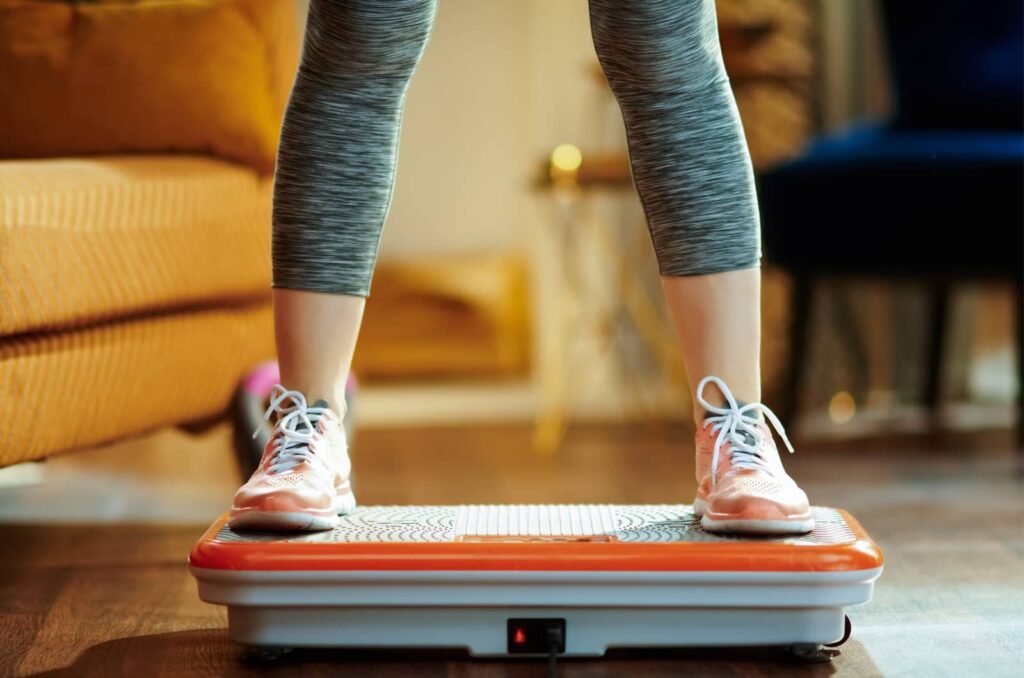
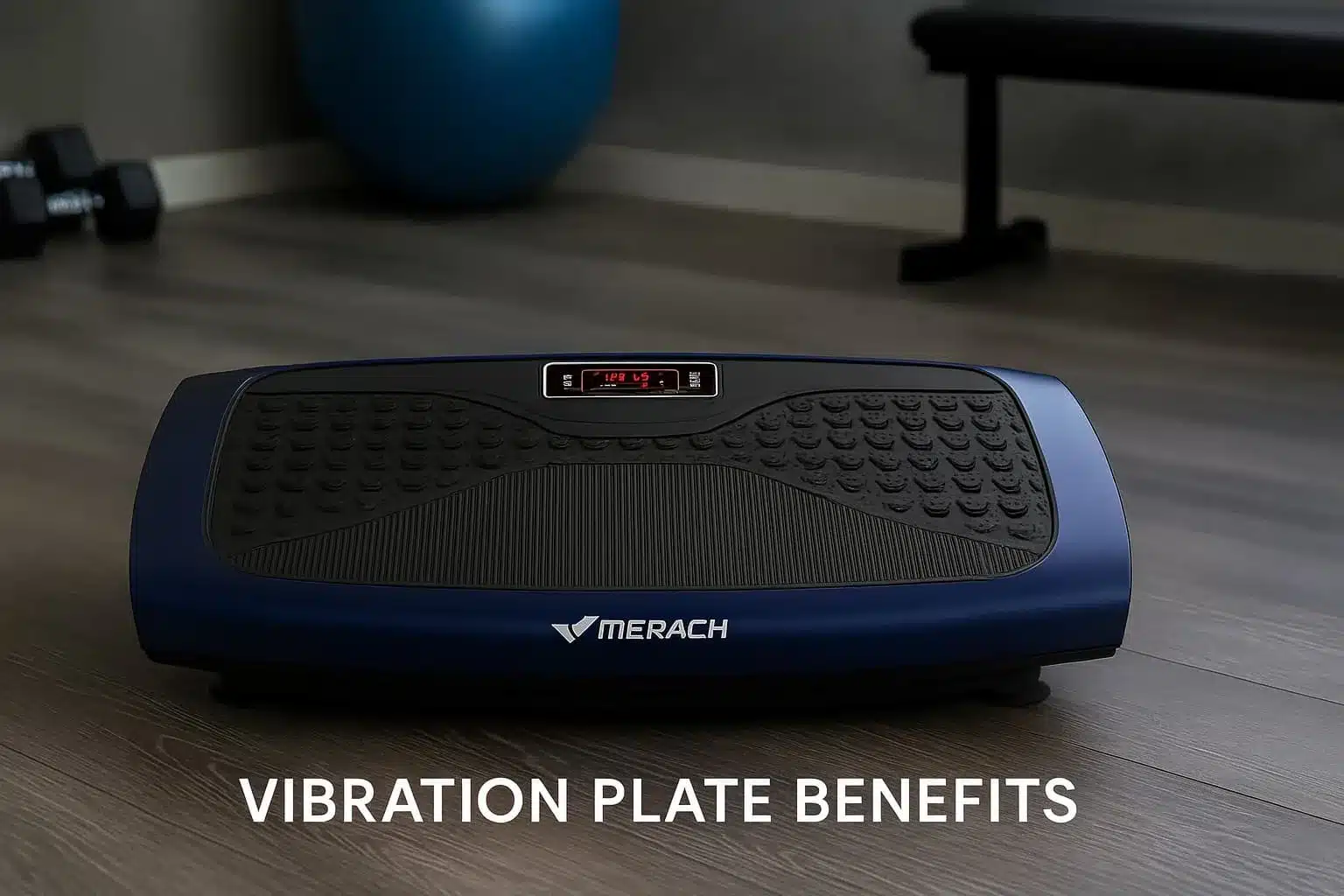
Vibration plate workouts belong to both aerobic and anaerobic types of exercise. In fact, vibration machines bridge the two: they stimulate both your cardiovascular system and your muscles at the same time.
- Aerobic side:
The constant muscle contractions caused by vibration increase heart rate, blood flow, oxygen use, and calorie burn similar to brisk walking or light cardio. - Anaerobic side:
The rapid, reflex-driven muscle contractions force muscles to work against resistance, triggering strength, power, and muscle-toning responses like weight training.
In short, vibration plates act as a hybrid training tool: they raise your heart rate while simultaneously loading your muscles, making them effective for fat loss, toning, circulation, and skin tightening in one session.
The main difference between aerobic and anaerobic exercise lies in the fuel source and duration: aerobic activities can be sustained for minutes or hours, while anaerobic activities last only seconds to a few minutes.
Many activities engage both systems. A long run with occasional sprints uses both aerobic and anaerobic exercise, while resistance training often mixes shorter intense sets with longer rest periods.
Understanding the difference helps you plan workouts more effectively and ensures your routine supports your health goals. When we examine aerobic versus anaerobic movement, it becomes clear that neither is superior; they work together to improve endurance, strength, and overall fitness.
Understanding Aerobic Activity: Benefits and Examples

Aerobic activity is the foundation of most fitness routines. It’s often referred to as “cardio” because it strengthens the heart and lungs.
Classic aerobic exercises include brisk walking, jogging, running, swimming, cycling, rowing, and dancing. These movements involve continuous, rhythmic motion that raises your heart rate to a moderate level and keeps you in an “aerobic zone.”
In this zone, you can carry on a conversation without gasping for breath, and your body relies heavily on oxygen and fat as fuel. Regular aerobic exercise improves aerobic fitness, reduces the risk of heart disease, helps control weight, and enhances mood through the release of endorphins.
Many people wonder: what is aerobic exercise and why is it so beneficial? The answer lies in how it challenges your cardiovascular system. Over time, your heart becomes more efficient at pumping blood, and your lungs become better at delivering oxygen. This increases your stamina and reduces fatigue during daily tasks.
Aerobic workouts also help regulate blood sugar, lower bad cholesterol, and increase good cholesterol. They support mental health by reducing stress and improving sleep. For example, walking briskly for 30 minutes a day is an easy way to enter the aerobic zone and reap these benefits.
Examples of aerobic activities range from structured workouts like group fitness classes to simple everyday movements like gardening or climbing stairs. You can tailor intensity by adjusting your pace or adding light resistance.
Outdoor walks provide fresh air and sunlight, while indoor treadmill sessions offer convenience. I
f you’re interested in low-impact ways to enhance aerobic capacity at home, check out our roundup of the best vibration plates for weight loss These machines can enhance your aerobic training by adding gentle whole-body movement that increases heart rate without joint stress. When used actively with squats or lunges, they even cross into anaerobic territory, making them versatile tools for cardio fitness.
Exploring Anaerobic Exercise: Strength and Power
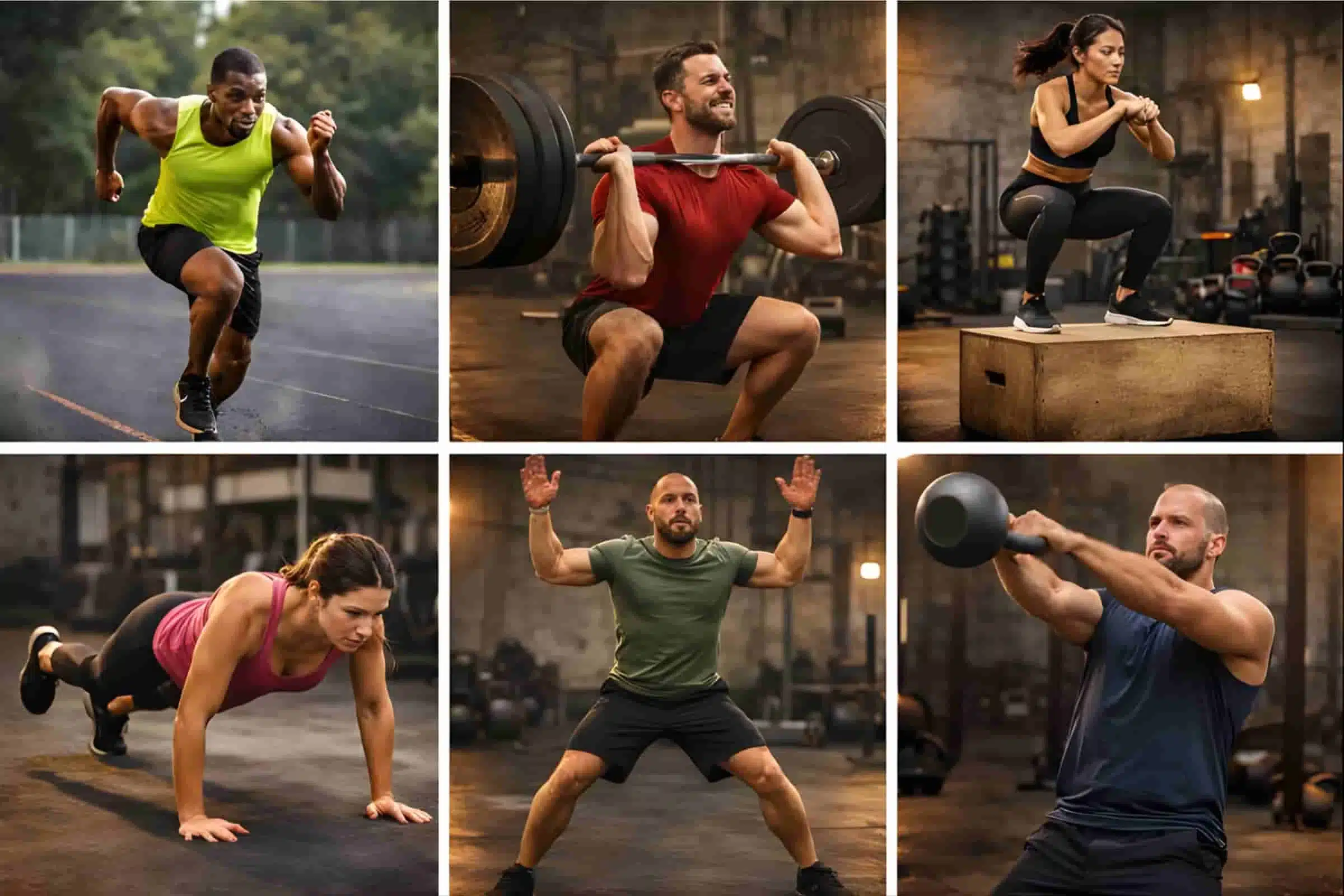
While aerobic training boosts endurance, anaerobic exercise builds strength and power. Short, intense activities fall into this category, including sprinting, high-intensity interval training (HIIT), heavy weight lifting, and plyometric drills.
These actions tap the anaerobic zone, relying on stored glycogen because the body can’t deliver oxygen fast enough. As a result, muscles contract with more force, recruiting fast-twitch fibers responsible for explosive movement. This leads to muscle growth, improved bone density, and increased calorie burn even after you finish exercising.
People often ask what is anaerobic exercise and how to integrate it. The simplest answer: It’s anything that makes you breathe hard and limits your ability to speak more than a few words. Sprinting up a hill, jumping rope intensely for one minute, or completing a heavy set of squats all count.
These movements lead to short-term discomfort but long-term gains. Over time, they improve muscular strength, boost metabolic rate, and increase your body’s capacity to handle high-intensity tasks. Additionally, anaerobic training supports aerobic endurance by pushing your heart rate higher and improving how efficiently your body recovers between efforts.
Anaerobic exercise examples are varied, so you can choose what fits your preferences and space.
If you enjoy gym sessions, heavy weightlifting or HIIT classes offer structured options. For home workouts, bodyweight exercises like push-ups, burpees, and jump squats provide a quick challenge.
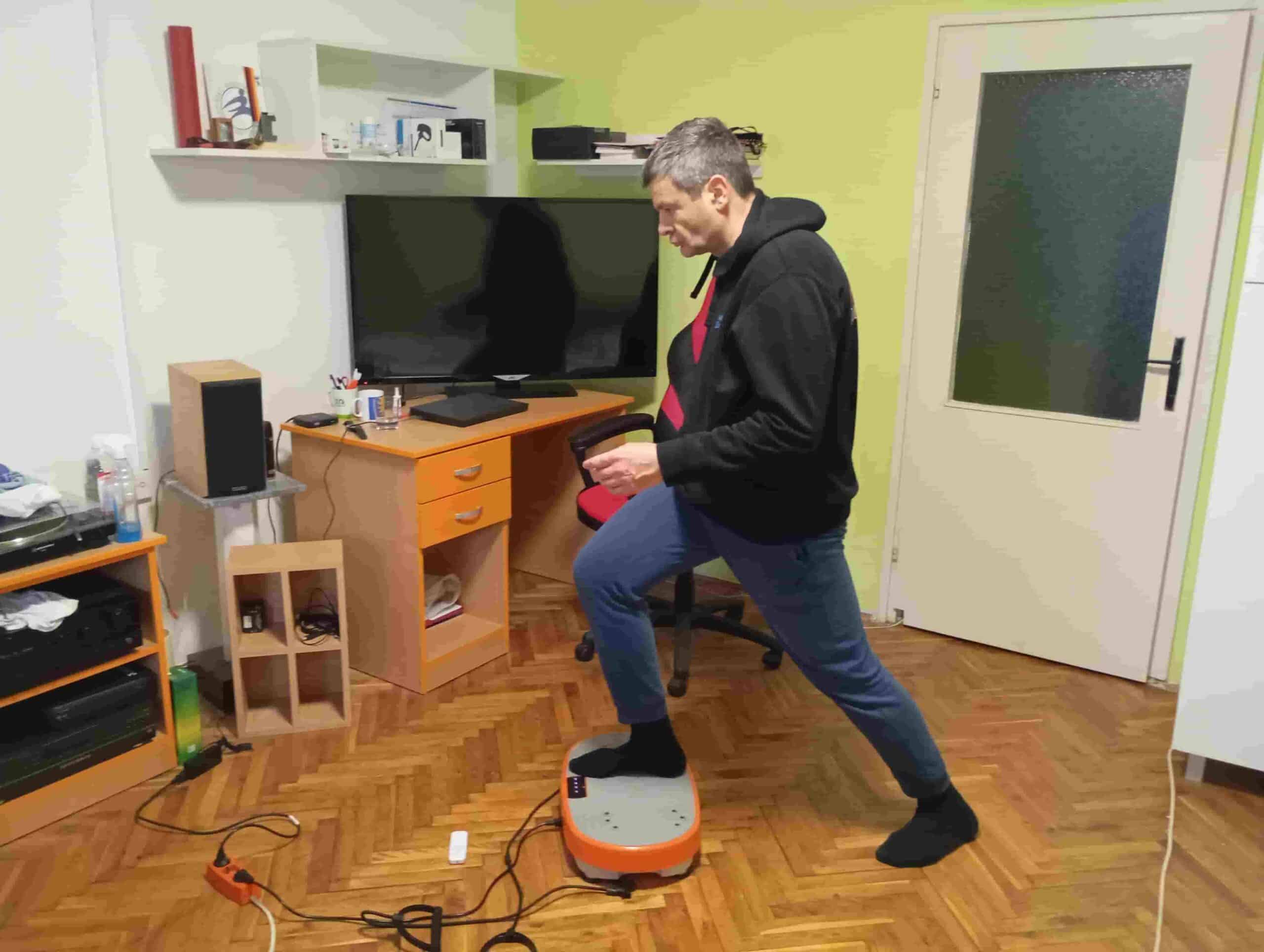
Using a vibration plate can also be a form of anaerobic training when combined with resistance. For instance, holding a deep squat or performing lunges on a vibrating platform engages muscles intensely. Consider our recommendations for the best vibration plates for circulation if you’re interested in machines that offer a balance of strength-building and blood-flow benefits. These devices help stimulate muscles without high-impact movements, making anaerobic workouts more accessible to those with joint concerns.
Comparing Aerobic vs Anaerobic: Differences and Complementarity
The relationship between aerobic vs anaerobic exercise is not about choosing one over the other; it’s about understanding how they work together. Both systems serve distinct purposes.
Aerobic training is typically longer and sustained, using oxygen to burn fat and carbohydrates for energy through aerobic metabolism. It improves cardiovascular health, supports weight control, and increases endurance. Anaerobic training is short and intense, relying on anaerobic metabolism and tapping into stored glycogen. It builds muscle and power, increases metabolism, and strengthens bones.
When we consider difference between aerobic and anaerobic exercise, duration and intensity are key factors. Aerobic activities can last 20 minutes or more, keeping your heart rate at 60-80% of its maximum, while anaerobic exercises last a few seconds to a few minutes, raising your heart rate above 80%. The byproducts differ as well: aerobic metabolism produces carbon dioxide and water, while anaerobic metabolism creates lactic acid, leading to muscle burn.
Yet neither system works entirely alone. During a long run, you might include intervals that push you briefly into the anaerobic zone. Conversely, between high-intensity sets, your body returns to aerobic metabolism to recover.
It’s also helpful to compare and contrast aerobic and anaerobic respiration at the cellular level. Aerobic respiration produces much more ATP (energy) per molecule of glucose but requires oxygen and time. Anaerobic respiration is faster but yields less ATP, so it’s suitable for rapid bursts.
Understanding these differences allows you to design workouts that address both energy pathways. For example, a training program might include three days of aerobic activity like jogging, swimming, or cycling, and two days of anaerobic training like sprints or strength exercises. This combination maximizes fitness and reduces the risk of overuse injuries.
A balanced routine uses each style where it excels.
Aerobic workouts help manage weight and maintain heart health.
Anaerobic workouts build muscle and improve performance during activities that require speed or power.
Many people find success by alternating days: they walk or run on some days and strength train or do HIIT on others. If you’re focused on bone health or managing conditions like osteoporosis, combining aerobic walks with low-impact vibration plate sessions can be particularly beneficial. Our guide to the best vibration plates for seniors highlights machines designed for safe, controlled workouts that blend gentle movement with muscle stimulation, perfect for complementing regular walks.
How to Balance Aerobic and Anaerobic Training in Your Routine
Finding the right balance between aerobic and anaerobic activity depends on your goals, fitness level, and lifestyle. A general guideline is to aim for at least 150 minutes of moderate-intensity aerobic exercise each week such as brisk walking, light jogging, or cycling and supplement with two or three sessions of muscle-strengthening activities.
These can include resistance training, high-intensity intervals, or targeted anaerobic exercises. This structure meets public health recommendations while leaving flexibility for personal preferences.
One practical approach is to schedule aerobic activities on alternate days, focusing on longer, steady sessions that improve endurance. On the other days, include short anaerobic workouts like interval sprints, circuit training, or bodyweight strength routines. This alternation gives your muscles time to recover while still maintaining a consistent habit.
If you prefer combined training, consider incorporating bursts of higher intensity into longer aerobic sessions. For example, during a 40-minute walk, add 30 seconds of faster walking every five minutes. This interval strategy challenges your muscles and cardiovascular system in both the aerobic and anaerobic zone, improving your fitness and burning more calories.
When adding strength training, pay attention to form and progression. Start with bodyweight or light weights, then gradually increase resistance. If you use a vibration plate for added challenge, begin with short sessions and low frequencies. These machines can target stabilizing muscles and enhance your workouts.
For those managing bone health concerns or returning from injury, vibration plates may be especially useful. Our article on the best vibration plates for osteoporosis provides suggestions for devices that support bone density with low-impact oscillations. Such options can make anaerobic training safer for people who need to avoid high-impact movements.
No matter how you structure your week, listen to your body. Incorporate rest days and recovery activities like stretching, yoga, or gentle mobility exercises. Hydrate, eat balanced meals, and get enough sleep.
As your fitness improves, gradually increase the duration or intensity of your workouts. By mixing aerobic and anaerobic training thoughtfully, you’ll build endurance, strength, and a healthier body.
Practical Tips for a Healthy Fitness Journey
Integrating both aerobic and anaerobic exercise into your lifestyle doesn’t have to be complex. Here are some practical tips:
- Set Realistic Goals: Define what you want to achieve whether it’s better heart health, increased strength, weight management, or improved mood. Clear goals help you choose activities and track progress.
- Use Enjoyable Activities: Walking, dancing, swimming, and cycling are enjoyable aerobic options. For anaerobic workouts, try short sprints, kettlebell swings, or bodyweight circuits. Choosing movements you enjoy increases consistency.
- Plan Your Week: Schedule your workouts like appointments. Three to five aerobic sessions and two to three strength sessions are a solid starting point. Mix them based on your schedule and energy levels.
- Mind Your Form: For strength exercises, focus on good technique. If using a vibration plate, stand with knees slightly bent and core engaged. This helps prevent injury and maximizes results.
- Stay Flexible: Adjust your plan when needed. If you feel sore from a tough anaerobic day, switch to a lighter aerobic activity or rest.
- Monitor Progress: Keep a log of workouts, noting duration, intensity, and how you feel. Over time, you’ll see improvements in endurance and strength.
Aerobic vs Anaerobic Exercise: A Personal Perspective
As someone who enjoys exploring different workout methods, I’ve learned how combining aerobic and anaerobic training keeps exercise fresh and effective. I've run full and half marathons, and I've cycled 200+ miles in one go.
A decade ago, I began walking daily after realizing I spent too many hours sitting on the days when I'm skipping regular training. Those walks improved my mood and energy, especially on sunny mornings. I’d bring along a podcast or just enjoy the sounds of the city. Over time, my endurance increased, and I felt healthier overall. That’s when I understood benefits of aerobic exercise in a tangible way.
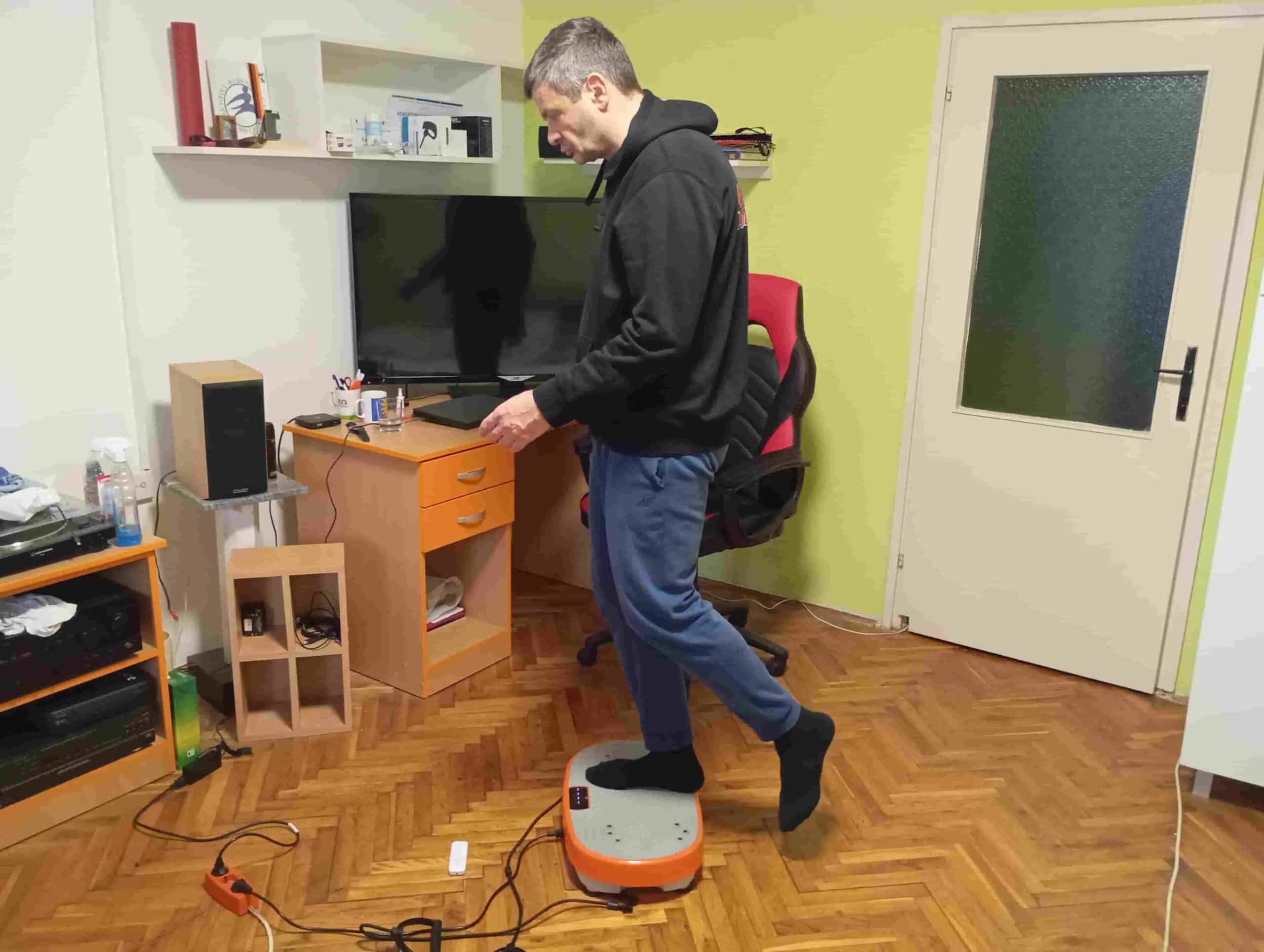
Later, I added strength workouts. At first, I found high-intensity movements challenging. Sprinting for 30 seconds left me breathless, and holding plank variations made my muscles shake. But I noticed how quickly my body adapted. I could lift heavier weights and run faster. My metabolism seemed to speed up, and everyday tasks felt easier. Incorporating a vibration plate at home added variety. Short sessions of squats and lunges on the platform challenged my balance and engaged deep stabilizing muscles that I hadn’t felt before. It was a convenient way to add strength training when I couldn’t get to the gym.
Through these experiences, I realized that aerobic training and anaerobic exercise complement each other beautifully. Aerobic sessions gave me the endurance to enjoy long hikes and maintain a healthy weight. Anaerobic sessions built muscle and power.
Combining them, I saw improvements in posture, energy, and overall confidence. I also appreciated the mental clarity that came from regular physical activity. There’s a certain calm that follows a long walk and a sense of accomplishment after completing a tough interval workout.
If you’re new to this approach, start small. Take a 15-minute walk on your lunch break. On another day, spend 10 minutes doing bodyweight exercises or using a vibration plate. Gradually lengthen or intensify workouts as you become more comfortable. Remember that progress isn’t linear, and consistency is key.
Putting Your Knowledge Into Practice
Now that you understand aerobic vs anaerobic exercise, you can design a fitness routine tailored to your goals and lifestyle. Aerobic activity, like walking or cycling, builds endurance and supports heart health. Anaerobic training, such as sprints or strength work, increases muscle and power. When combined thoughtfully, these approaches create a well-rounded program that improves metabolism, bone density, mental well-being, and overall longevity.
Start with a foundation of moderate-intensity aerobic movement. Gradually integrate short bursts of higher intensity or resistance training. Vary your workouts to keep them engaging, and listen to your body to avoid overtraining.
Explore simple tools like vibration plates to add variety and efficiency to your home sessions. The synergy of these systems offers the best of both worlds: stamina and strength. By mixing aerobic and anaerobic exercise, you’ll enjoy better health today and build a stronger foundation for the future.
Vibration plates occupy an unusual position in this framework. A session at low to moderate speed with passive standing is neither aerobic nor anaerobic by conventional definitions; the metabolic demand is too low. But a session at higher speed with active exercises produces involuntary muscle contractions that cross into the anaerobic threshold for brief intervals, particularly in the lower body. The classification depends entirely on how the plate is used, which gives it flexibility that most fixed-format exercise tools do not have.
A practical weekly structure that covers both systems: two 30-minute moderate-intensity aerobic sessions (walking, cycling, swimming), one anaerobic session (sprints or resistance training), and two 10-minute vibration plate sessions used as low-intensity recovery and neuromuscular activation. The vibration sessions reduce the DOMS (delayed onset muscle soreness) from the anaerobic day and prepare the body for the next aerobic session. Vibration fits most naturally as a recovery and activation tool within a mixed training week rather than as the primary training modality.
For sedentary adults, the aerobic and anaerobic distinction is less important in the short term than simply starting. Vibration plates offer a practical entry point because they require no cardiovascular baseline, no coordination, and no learning curve. A 10-minute session three times per week reduces sedentary muscle atrophy and improves circulation without the breath-rate demands of aerobic training or the load demands of resistance work. Most sedentary users can sustain this where they cannot sustain conventional aerobic or anaerobic programs, which gives vibration a legitimate role as a bridge into broader fitness activity.
FAQs
What is the difference between aerobic and anaerobic exercise?
The difference between aerobic and anaerobic exercise lies in how your body produces energy. Aerobic exercise uses oxygen to break down fuel for long-lasting movement, while anaerobic exercise relies on stored energy for short, intense bursts. In practice, aerobic activities like walking or cycling can be sustained for longer periods, whereas anaerobic activities like sprinting or heavy lifting are brief and build strength.
Which exercises are considered aerobic?
The exercises considered aerobic include moderate-intensity activities such as brisk walking, jogging, swimming, cycling, dancing, and rowing. These activities raise your heart rate and breathing in a steady way, engaging large muscle groups over an extended period. They improve cardiovascular health, help control weight, and boost endurance.
What are some examples of anaerobic exercises?
The examples of anaerobic exercises include short-duration, high-intensity movements like sprinting, hill running, jump squats, heavy weight lifting, push-ups, and HIIT workouts. These exercises rely on stored energy in your muscles because your body cannot deliver oxygen quickly enough, which helps build muscle and power.
How do I combine aerobic and anaerobic workouts?
To combine aerobic and anaerobic workouts, start by setting aside days for each. For example, do aerobic activities like walking or cycling three times a week and anaerobic exercises like strength training or sprints two to three times a week. Alternatively, during a single session, incorporate short bursts of high intensity into a longer aerobic workout. This mix helps build endurance and strength simultaneously.
Are vibration plates good for both aerobic and anaerobic exercise?
Yes, vibration plates can be good for both aerobic and anaerobic exercise if used correctly. When you stand passively on a vibration plate, it provides a gentle aerobic effect by stimulating circulation, and when you perform movements like squats or lunges on the plate, it becomes an anaerobic exercise that targets muscles intensely. Combining vibration plate sessions with walking or other cardio workouts can help you balance endurance and strength.