Affiliate Disclosure: Vibration Plate Zone is a proud participant in the Amazon Services LLC Associates Program.

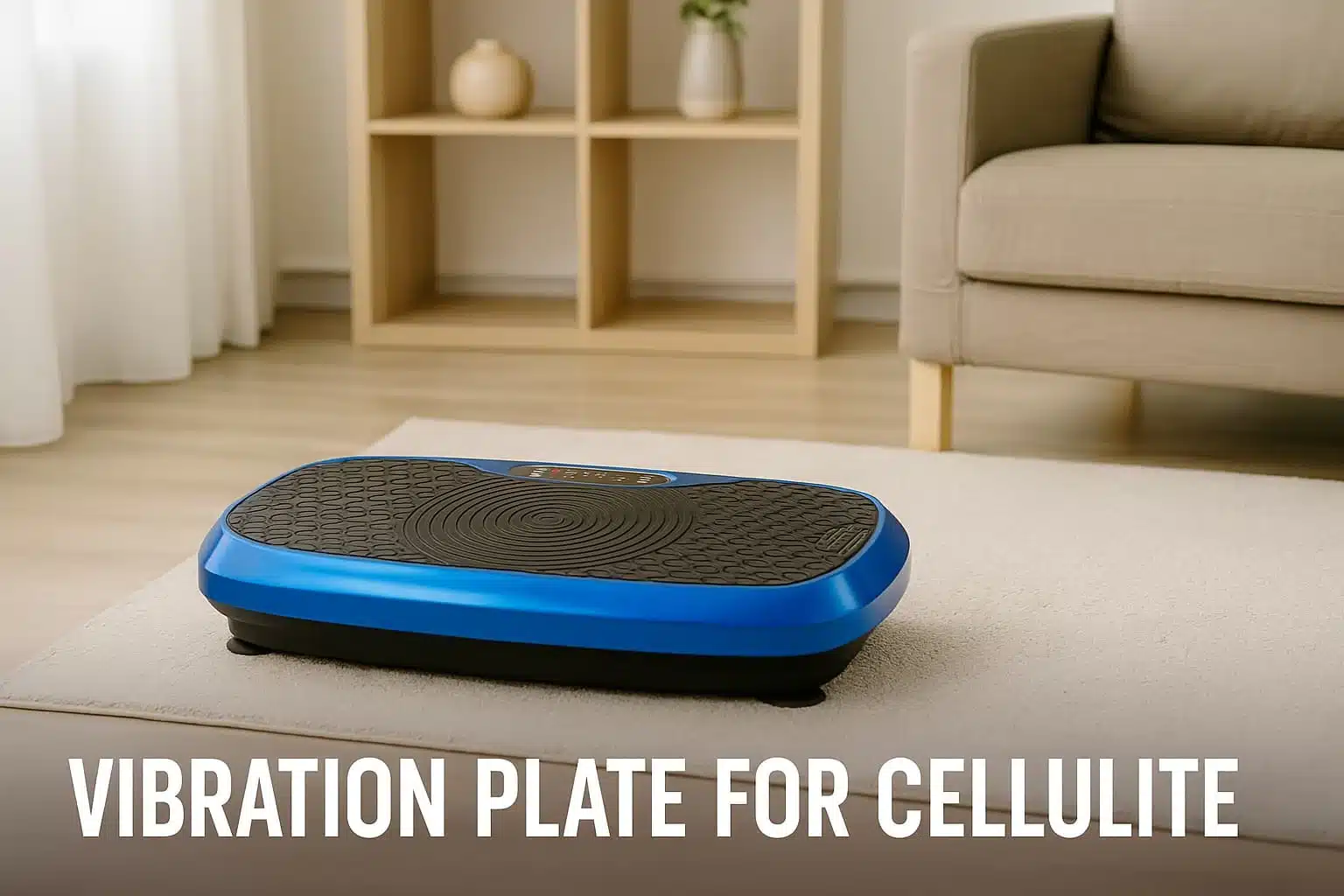
If you're sadly looking in the mirror and feeling frustrated by those stubborn bumps that do not seem to go away, using a vibration plate for cellulite may well be your next step!

About the author: Hello! I’m Vladimir Stanar, professor of physical education, kinesiotherapist, marathon runner, cyclist, and cycling coach, and long-time advocate of health, fitness, and active living.
My journey with vibration plates runs parallel to my professional career in education, sports medicine, and athletic development. Over time, I’ve come to see vibration plates as one of the most versatile tools for enhancing health, recovery, and performance.
✅ Expert-Reviewed by: Vanja Vukas, MPhEd
📚 Expert Contributor: Milutin Tucakov, MPhEd
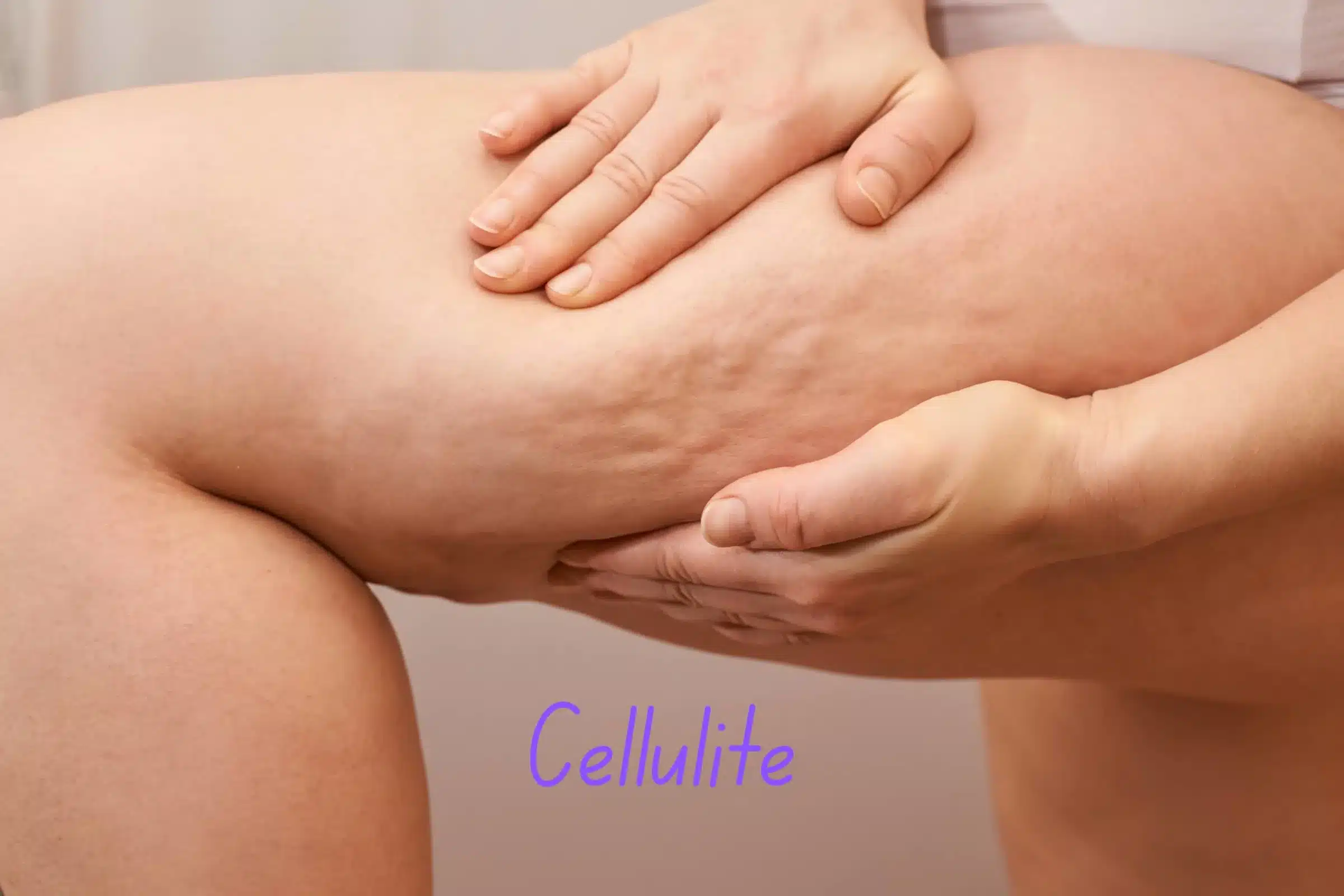
If you have ever wondered why the skin on your hips and thighs sometimes looks uneven and dimpled, you are not alone. That appearance is known as cellulite. It develops when fat cells push up against the connective tissue under your skin. Hormones, genetics, reduced circulation and lifestyle habits all play a part.
Cellulite is not a disease and does not mean you are unhealthy, but everyone wants to improve the way our skin looks.
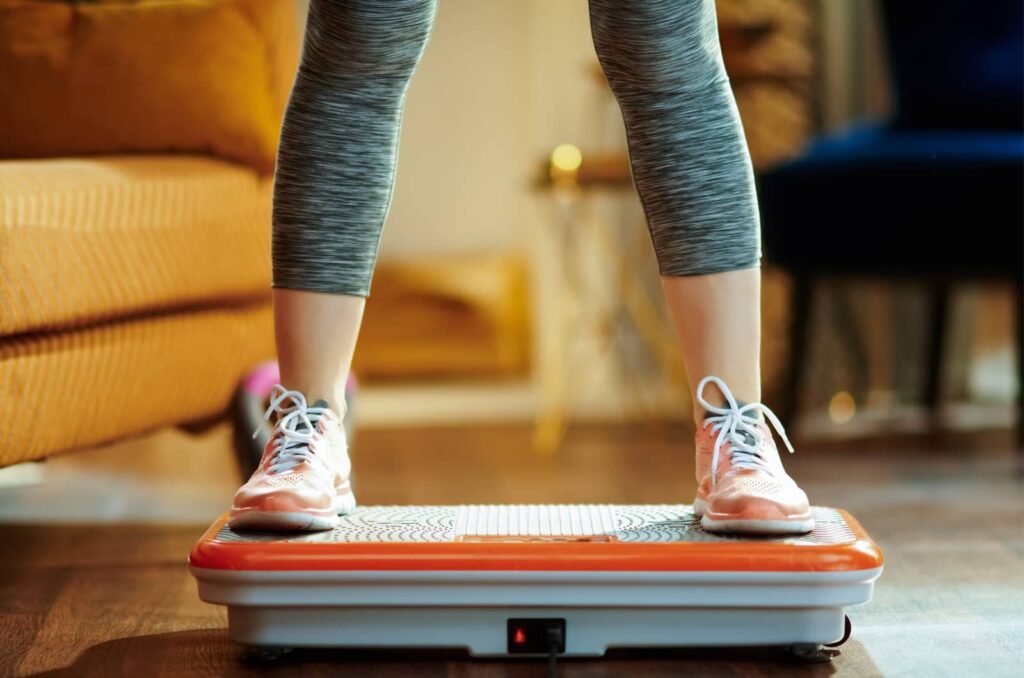
A vibration plate is a machine with a platform that oscillates quickly. When you stand, sit or perform exercises on it, the vibrations cause rapid muscle contractions. These contractions increase blood flow, engage muscles and stimulate your lymphatic system.
The big question is: do vibration plates help with cellulite? Based on scientific insights and my own experience, they can contribute to smoother skin by encouraging circulation and collagen activity, but you need realistic expectations and a comprehensive routine.
In this article I will break down how the best vibration plates for cellulite work, discuss their benefits and drawbacks for cellulite, share exercises you can try, offer advice on choosing the right unit and answer common questions. By the end, you will have the knowledge and confidence to decide whether a vibration plate might be part of your journey toward firmer skin.
What Is Cellulite and Why Does It Happen?
Before diving into the technology of vibration machines, it helps to understand why cellulite appears.
Beneath your skin is a network of fibrous bands called septa that attach the skin to the underlying muscles. Between the skin and muscle lies a layer of fat cells. When these fat cells enlarge or become swollen due to fluid retention, they push up against the skin. At the same time, the septa pull down. This tug‑of‑war creates the familiar dimples and bumps.
Several factors influence the development of cellulite:
- Hormones and genetics: Estrogen and other hormones play a significant role in fat storage and blood vessel health. Women are more likely to develop cellulite because their connective tissue structure is different from men’s. Family history also determines how your connective tissue and fat cells behave.
- Lifestyle and diet: Sedentary living, smoking, alcohol intake and diets high in processed foods can impair circulation and lead to fluid retention. Dehydration thickens the connective tissue, making dimpling more pronounced.
- Age and skin elasticity: As you age, collagen production slows and skin becomes thinner and less elastic. Weaker skin reveals the uneven fat layer below. Maintaining collagen through nutrition, exercise and proper care becomes essential.
Knowing why cellulite forms emphasizes that no single treatment will erase it completely.
A vibration machine for cellulite works by addressing some of these factors, namely poor circulation, lymphatic stagnation and muscle inactivity.
Those dealing with varicose veins face a similar set of underlying factors, and my guide to managing varicose veins with a vibration plate goes into how vibration addresses the vascular side of that picture.
Sex Differences in Connective Tissue
Cellulite appears more frequently in women because the fibrous bands under the skin are arranged vertically, whereas men have a cross‑hatched pattern. This difference allows fat cells in women to protrude upward more easily. Hormonal fluctuations during puberty, pregnancy or menopause influence fat distribution and water retention, making cellulite more noticeable. Knowing these differences helps you set realistic expectations and appreciate that some dimpling is natural.
How Does a Vibration Machine Work?
Vibration plates use rapid oscillations to create mechanical energy. When you stand on the platform, the movement triggers reflexive muscle contractions throughout your body. Think of it as tiny micro‑workouts happening many times per second. These contractions recruit both primary muscles and smaller stabilizers, increasing blood flow and oxygen delivery. They also stimulate your lymphatic system, which is responsible for removing waste products and excess fluid from your tissues.
Most machines offer adjustable frequency (how many vibrations per second) and amplitude (how far the platform moves). Lower frequencies, around 10 to 20 Hz, produce a gentle sway suitable for balance training and relaxation. Higher frequencies, from 25 to 40 Hz, generate more intense vibrations that can improve muscle strength and circulation. Amplitude settings let you control the range of motion, so beginners can start with a low setting and increase as they become comfortable.
Some plates oscillate from side to side (pivotal motion), while others move up and down or in three dimensions. Pivotal machines are often recommended for cellulite because their rocking motion encourages lymphatic drainage. More advanced units combine multiple motion styles for varied stimulation.
When I first stepped onto a vibration plate, I felt my muscles engage in ways that traditional exercises do not always achieve, especially in my core and legs. After a few sessions, I noticed improved circulation and warmth in my skin.
Frequency, Amplitude and Safety
There are two principal types of vibration motion: pivotal plates that rock side to side and lineal plates that move vertically. As I explained in my guide to the best vibration plate for lymphatic drainage, oscillating vibration machines tend to be gentler and are often chosen for cellulite because their rocking motion encourages lymphatic drainage.
Frequency refers to how many times the platform vibrates per second, measured in Hertz.
Amplitude is the distance the platform moves.
Lower frequencies with higher amplitudes produce larger, more noticeable movements. Higher frequencies with smaller amplitudes generate subtle, rapid vibrations. For cellulite treatment, a moderate frequency around twenty to thirty Hz is commonly recommended.
Always start on the lower end and increase gradually. Avoid extreme settings, as they may cause discomfort or dizziness. Remember to maintain a slight bend in your knees and engage your core to absorb the vibrations safely.
Vibration Plates Main Benefits for Cellulite
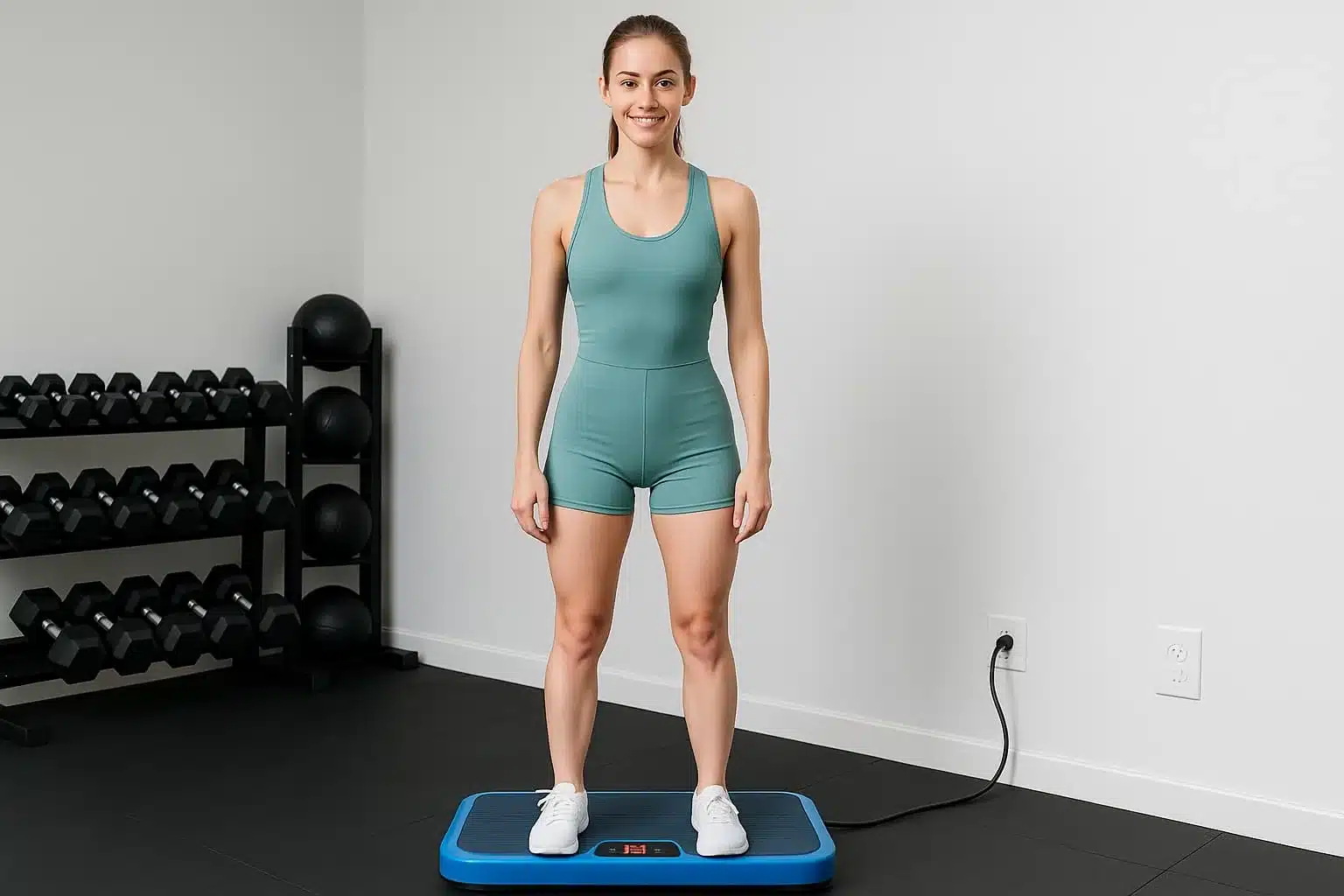
Now that we understand the mechanics, let’s focus on how a vibration plate cellulite routine can make a difference. When used consistently alongside healthy lifestyle habits, these machines offer several benefits:
Improved Circulation and Lymphatic Flow
Poor circulation contributes to cellulite because fluid and toxins accumulate in the tissues. Vibration stimulates blood vessels, increasing flow to the skin and underlying muscles. The rhythmic motion also acts like a gentle massage, encouraging lymphatic drainage. This helps clear excess fluid and waste, which can reduce swelling and smooth the skin’s appearance. For anyone wondering does vibration plate help with cellulite, improved circulation is one of the main reasons it can be effective.
Collagen and Elastin Support
Collagen and elastin are proteins that give your skin strength and elasticity. When these proteins degrade, skin becomes thinner and more prone to dimpling. The mechanical stimulus from a cellulite vibration machine may trigger fibroblast activity, the cells responsible for producing collagen. While vibration alone will not rebuild your connective tissue, it can support other strategies such as good nutrition, hydration and strength training. Over time, firmer skin can better contain fat cells.
Muscle Toning and Metabolism
Standing or performing exercises on a vibrating platform requires your muscles to stabilize your body. These micro contractions add up, leading to improved muscle tone. As muscle tone increases, it can give the overlying skin a smoother appearance. A
vibration machine for cellulite also burns calories. In my guide to the best vibration plate for weight loss, I explained that a vibration platform is not a miracle weight‑loss and fat-burning device; it contributes to energy expenditure when paired with a sensible diet and regular workouts. Increased muscle mass and metabolic activity make it easier to manage body fat.
Time‑Efficient Workouts
Many of us struggle to find time for long exercise sessions. A major appeal of vibration plates is their efficiency. Sessions as short as ten to fifteen minutes can deliver benefits similar to longer workouts. This makes them ideal for busy schedules. When I started using my plate, I would hop on for twelve minutes in the morning while listening to a podcast. It felt manageable, and I could see results without rearranging my entire day.
Versatility for All Fitness Levels
Whether you are new to exercise or experienced, a vibration plate can be adapted to your needs. You can start by simply standing on the platform to get used to the sensation. Once comfortable, you can add squats, lunges, planks or even stretches to increase the challenge.
For seniors or those with limited mobility, there are machines with handles and slower settings that provide a safe way to move. If you are curious which models excel for different demographics, you might enjoy Our comparison of best vibration plate for seniors, which reviews units designed for stability and joint comfort.
Positive Mindset and Motivation
An overlooked benefit of vibration training is how it makes you feel. The gentle shaking can be invigorating, leaving you feeling energized and focused. When you see small improvements in your skin and muscle tone, it builds confidence and motivates you to maintain other healthy habits. Speaking from experience, the routine gave me a sense of control over my body image. The ritual of stepping onto the plate became a daily reminder to care for myself.
Limitations and Considerations
Despite the advantages, there are important considerations before starting a vibration plate cellulite routine. These machines are not magic wands. You should view them as part of a wider strategy that includes balanced eating, regular cardiovascular exercise, strength training, hydration and good sleep. Here are other points to keep in mind:
- Gradual progress: Results come slowly. You may see small changes after a few weeks, but significant improvements often take months. Patience and consistency are key.
- Not for everyone: People with certain medical conditions such as pacemakers, recent surgeries or pregnancy should avoid vibration training or consult their doctor first. If you have chronic joint problems or a history of blood clots, medical advice is essential.
- Quality matters: Machines vary in build, motion style and power. Some cheap devices do not provide effective vibrations and may cause discomfort. Investing in a reliable unit will yield better results. My best vibration plate for home use guide discusses units that are quiet, stable, and suitable for everyday use.
- Temporary redness or tingling: Increased blood flow can lead to redness or tingling on the skin. This is usually harmless and goes away quickly, but if you feel discomfort, reduce the intensity or duration.
- Schedule and hydration: Just like any workout, your vibration sessions require planning. Stay hydrated to support lymphatic drainage, and avoid heavy meals immediately before using the plate.
Marketing claims sometimes promise dramatic transformations in a matter of days. Be cautious of advertisements that show heavily edited before‑and‑after images or claim that standing on a vibrating platform will melt fat without effort.
In my experience, the most meaningful changes happened when I paired the machine with healthy food choices and active living. While the plate is a helpful tool, it cannot override chronic overeating or inactivity. Before purchasing, read reviews and understand what the machine can realistically do. Approach your routine with patience and a willingness to invest in your health over the long term.
By acknowledging these factors, you set realistic expectations and create a foundation for safe, sustainable progress towards reducing cellulite.
How to Use a Vibration Plate to Reduce Cellulite

The way you use your vibration machine influences results. A structured routine ensures you get the most from each session while staying safe. Here are my practical tips:
Start Slowly and Build Up
Does vibration plate help with cellulite for everyone? Results vary, and safety should guide your approach.
If you are new to vibration training, begin with sessions of ten minutes at a low frequency and amplitude. Stand with knees slightly bent and core engaged. This stance helps absorb the vibrations and reduces strain on your joints. As your body adapts, you can increase session length to fifteen or twenty minutes and experiment with higher settings.
Aim to use the plate three times a week. Over‑doing it will not speed up your results and may lead to fatigue.
Pay attention to foot positioning. Keeping your feet closer together produces a more intense sensation because your body absorbs the vibrations along a narrower line. A wider stance distributes the force and may feel easier. If you have sensitive joints, stand toward the center of the platform where the amplitude is lower.
If you want a stronger feel, step closer to the edges. I sometimes alternate foot placement within a single session to target different muscle groups. Focus on maintaining a neutral spine and avoid locking your knees.
Warm‑Up and Cool Down
Treat a vibration workout like any other exercise. Start with a gentle warm‑up off the platform, such as walking or dynamic stretches. Once you finish your vibration session, take a few minutes to stretch your calves, hamstrings and hips. Cooling down helps prevent stiffness and supports lymphatic flow. Remember to drink water afterwards to aid detoxification.
You can incorporate your vibration plate into the warm‑up and cool‑down process as well. For example, you might do a few minutes of gentle standing on the plate to wake up your muscles before moving to more intense exercises.
After your main routine, try lying on your back with your calves resting on the platform for a soft massage effect. This position encourages venous return from your legs and feels relaxing. I find this particularly soothing after a long run or heavy leg day.
Incorporate Static and Dynamic Moves
Standing still on the plate stimulates muscles, but adding movement increases the effect. Try these exercises:
- Squats: Stand with feet shoulder‑width apart. Bend at the knees and hips, lowering yourself until your thighs are parallel to the platform. Keep your chest lifted and core engaged. You will feel your glutes and thighs working.
- Lunges: Place one foot on the plate and the other on the ground. Bend both knees, lowering toward a ninety‑degree angle. This move targets your quadriceps and glutes while challenging balance.
- Planks: Position your forearms or hands on the plate, legs extended behind you. Keep your body in a straight line from head to heels. The vibration intensifies the core challenge.
- Bridges: Lie on your back with feet on the platform. Lift your hips toward the ceiling, squeezing your glutes. This exercise targets the hamstrings and glutes.
- Calf Raises: Stand on the plate with feet hip‑width apart. Lift your heels off the platform, rising onto your toes. Lower slowly. This move strengthens calves and improves circulation to the lower legs.
- Side Planks: Place one forearm on the plate and stack your feet. Lift your hips so your body forms a straight line. This variation challenges your obliques.
Combine these exercises into a circuit, performing each for thirty seconds with a short rest between. Over time, you can extend the duration or add small weights for extra challenge. When I incorporated lunges and planks into my routine, I noticed my core and legs were strengthening faster than with standing alone.
You are not limited to standing positions. Sitting on the plate can target the gluteal muscles and lower back. Place a folded towel or cushion on the platform for comfort, and keep your feet on the floor. Slowly lean back and engage your core to maintain balance.
For a gentle massage, sit with your feet on the plate and knees bent. Let the vibrations travel through your lower legs to stimulate circulation. These variations add variety and can be helpful on days when you feel fatigued or want a gentler session.
Listen to Your Body
It is normal to feel a gentle tingling sensation during vibration training. However, stop if you feel dizziness, pain or numbness. Always prioritise quality over quantity. If you have pre‑existing health issues or are pregnant, consult a healthcare provider before starting.
Choosing the Right Machine for Cellulite Treatment

Not all machines are created equal. To maximise the benefits of vibration for cellulite, consider the following factors when shopping for a unit:
Motion Type and Frequency Range
Pivotal plates rock side to side, encouraging natural muscle contractions and lymphatic stimulation. Linear or 3D plates move up and down or in multiple directions. Look for a device that offers a range of frequencies from around fifteen to thirty‑five Hz so you can customise intensity. If you want to compare models in different categories, Our best vibration plate guide compares the top nine units for circulation, strength and rehabilitation.
Platform Size and Stability
The platform should be large enough to perform exercises comfortably. A bigger platform provides more space for lunges and planks, while a smaller one might feel cramped. Stability is crucial. A machine with a solid frame and non‑slip surface ensures safety. Handles or bars offer extra support, especially for beginners or those with balance concerns.
Noise Level and Portability
If you plan to use the machine at home, pay attention to noise. A quiet motor allows you to exercise without disturbing others. Portability matters if you need to move the device between rooms. Models designed for home use often feature wheels or built‑in handles.
Weight Capacity and Durability
Check the manufacturer’s weight limit to ensure the machine can safely support you. Heavier users or those planning to perform dynamic moves should choose a robust model. Reading through user reviews can provide insight into durability and customer satisfaction. When I purchased my machine, I prioritised a high weight capacity to support both static standing and resistance exercises without feeling unstable.
Extra Features
Many devices come with remote controls, adjustable straps or exercise guidance. While bells and whistles are not essential, they can improve convenience. Some machines also include programs specifically designed for cellulite reduction or massage. Consider what features align with your goals, such as a quiet motor, ample weight capacity, warranty length and ease of use. Reading independent reviews helps you assess durability and customer support without getting distracted by marketing claims.
By matching your needs with the right features, you increase the likelihood of sticking with your routine and seeing improvements.
Complementary Strategies for Smoother Skin
While a vibration plate can make a noticeable difference, it works best as part of a holistic approach. Here are additional strategies that complement vibration training for cellulite:
- Nutrition and hydration: Eat a balanced diet rich in whole foods, lean proteins, healthy fats and plenty of fruits and vegetables. Reduce processed sugars and saturated fats. Staying hydrated keeps your skin supple and supports lymphatic flow.
- Strength and cardio workouts: Combine vibration sessions with regular strength training and cardiovascular exercise. A mix of weight lifting, bodyweight exercises and cardio routines like brisk walking or cycling helps burn fat and build muscle.
- Massage and foam rolling: Manual manipulation of tissues increases circulation and breaks up fascial adhesions. Use a foam roller or massage tool to target areas prone to dimpling. This can improve the effects of vibration by loosening tight connective tissue.
- Skin care: Moisturise regularly with products that support collagen production. Dry brushing before showers stimulates circulation and exfoliates dead skin cells. Wear compression garments if you have swelling or fluid retention.
- Stress management: High stress increases cortisol, which can lead to weight gain and water retention. Incorporate activities like deep breathing, yoga or meditation to keep stress levels under control.
Alongside these pillars, incorporate low‑impact activities such as swimming or cycling. These cardio options raise your heart rate without placing excessive stress on your joints and complement the muscle activation from vibration training.
Pay attention to nutrition by focusing on antioxidant‑rich fruits and vegetables, lean proteins and healthy fats. Omega‑3 fats from fish, flaxseeds and walnuts support skin elasticity. Reducing sodium can minimise water retention, making dimples less pronounced.
As a final tip in this section, prioritize quality sleep. Your body repairs and regenerates tissues during rest. Aim for seven to eight hours per night, and create a relaxing bedtime routine. When you combine movement, nourishment, hydration and rest, you give your body the resources it needs to respond positively to vibration training.
When combined with consistent vibration plate sessions, these strategies create a supportive environment for your body to improve skin tone and reduce dimples.
Realistic Expectations and Time Frame
Improving cellulite is a gradual process. Everyone’s body responds differently based on genetics, age, lifestyle and the severity of cellulite. In my experience, noticeable changes often appear after eight to twelve weeks of consistent use combined with healthy habits. You might see improvements sooner, such as smoother skin texture or reduced swelling. Patience is important; quick fixes rarely yield lasting results.
Measuring progress can be motivating. Take photos from the same angle every two weeks, or use a tape measure to track circumference changes around your thighs and hips. Pay attention to how your skin feels: increased firmness, less puffiness and improved tone are signs that your routine is working. Keep in mind that fluctuations in water retention, hormonal changes and weight can temporarily affect the appearance of dimples.
Keep your mindset flexible. Your body will change over time for reasons beyond your control, such as hormonal shifts or life events. Instead of striving for an unattainable ideal, celebrate small victories like improved posture, increased energy or feeling more comfortable in your clothes. You will notice your legs felt stronger and your balance improved long before you saw visible changes in your skin.
These functional improvements will add to your confidence and motivate you to stay consistent. If progress stalls, revisit your routine and adjust the intensity, exercises or diet. Consistency and adaptability will carry you through periods when results appear to plateau.
Variation in results between individuals comes down to three factors: hormonal profile, baseline circulation quality, and concurrent diet and movement habits. Users who also address diet (reducing refined sugar and sodium, increasing water intake) see faster results than those using vibration alone. None of these factors are reasons to abandon the approach; they are reasons to adjust the supporting habits alongside the plate.
When progress appears to plateau after the first 6-8 weeks, two adjustments are most effective. If sessions have been primarily standing at hip width, switching to a wide-stance hold or adding static lunge positions targets the outer thigh and gluteal tissue differently. If sessions have been in the morning, trying evening sessions (when lymphatic backpressure from the day provides a different stimulus) sometimes restarts visible progress within two weeks.
My Client Tatiana’s Testimonial
As a kinesiotherapist and a fitness coach, I have used vibration plates personally and in my practice with clients, but one story that stands out is my client Tatiana. When she came to me, she was sceptical after trying countless creams and treatments that promised miracles. I recommended that she give vibration training a chance with a realistic plan and a schedule of fifteen minutes three times a week.
During the first few sessions, she told me that her muscles tingled and she felt a pleasant warmth spreading through her hips and thighs. After a couple of weeks, she noticed that her legs felt lighter and her skin looked less puffy after long days of sitting.
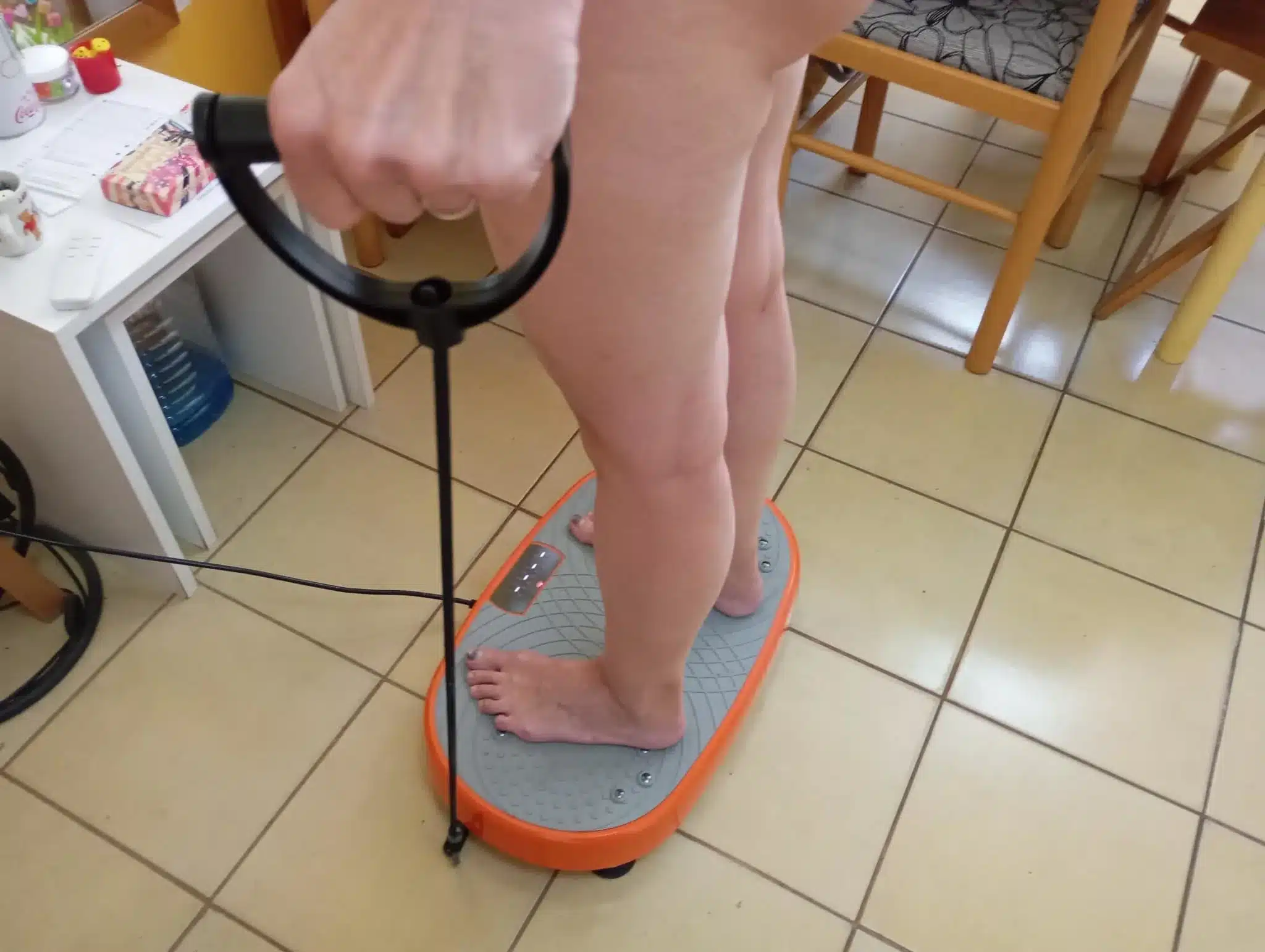
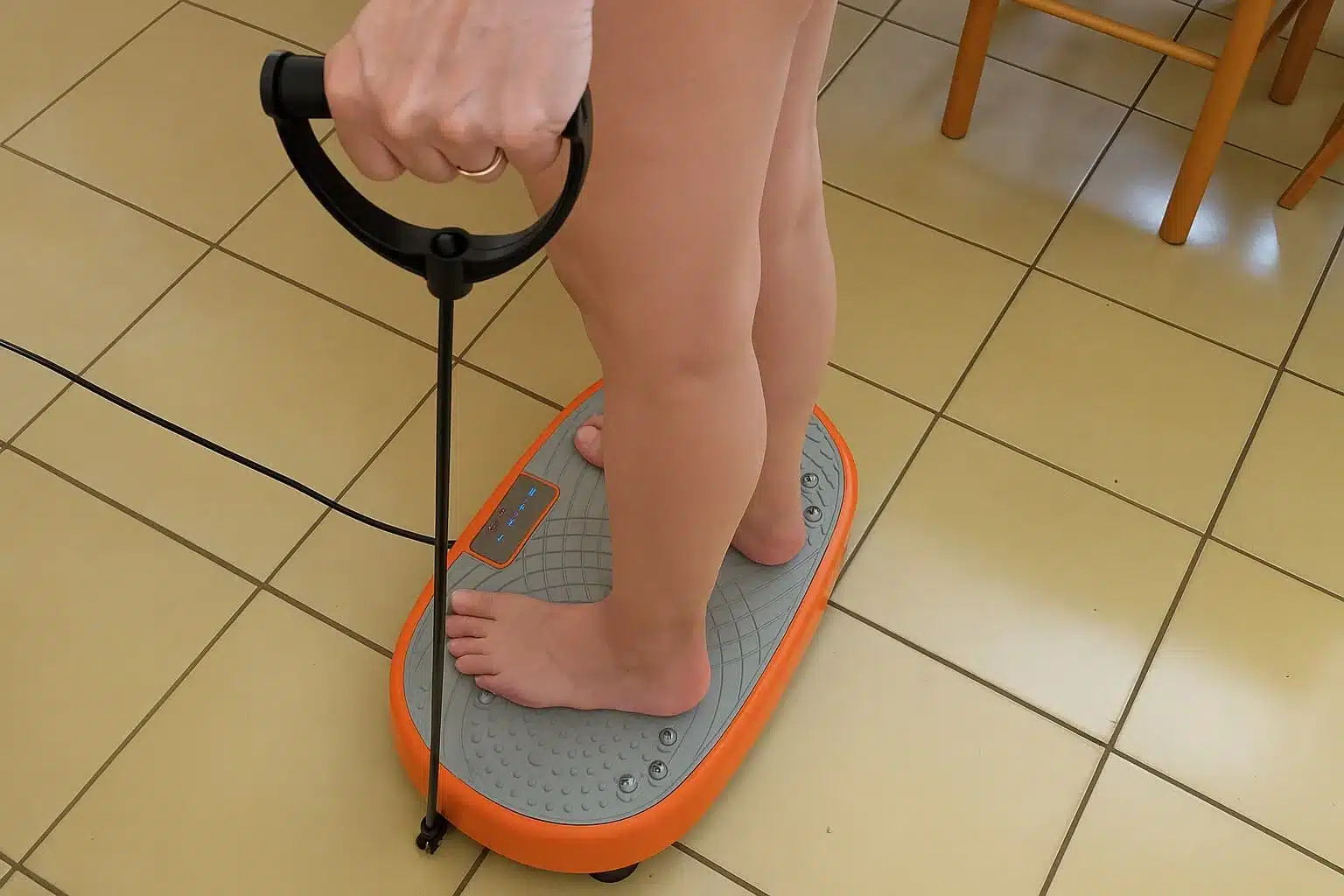
Over several months, I encouraged Tatiana to combine the vibration routine with balanced meals, daily walks and strength training. She stayed hydrated and practised self‑massage on the areas where dimples were most prominent. She reported noticeable improvements and said: "I can honestly say that the appearance of my cellulite improved. It did not vanish entirely, and I never expected it to. Instead, my skin became firmer and the dimpling became less noticeable."
The vibration machine also motivated her to stay consistent with her workouts because it was easy to use and felt good. Each session reminded her to take care of herself.
Some sessions were easier than others. On days when she pushed the intensity too high, she felt light‑headed and quickly learned to dial it back. When motivation dipped, we set small goals, such as completing a ten‑minute session, and she rewarded herself with a relaxing activity afterward.
Over time, her perspective shifted: rather than focusing on imperfections, she began celebrating the strength and balance she was gaining. Friends noticed her increased energy, and she told them that the plate supports her routine but does not replace healthy habits.
From working with Tatiana and others, I have learned that success lies in integrating the vibration plate into a broader lifestyle change. It is a supportive tool, not a stand‑alone cure. When used thoughtfully, it can improve circulation, tone muscles and contribute to smoother skin. If you remain patient and persistent, you will likely see positive changes that build your confidence.
Cellulite Vibration Plate Before and After 3 Months: Tatiana Nailed It!
Bringing Everything Together
Cellulite is a complex phenomenon influenced by hormones, genetics and lifestyle. While it cannot be erased entirely, you have tools at your disposal to improve your skin’s appearance and feel more confident. A vibration plate for cellulite works by increasing circulation, stimulating the lymphatic system, supporting collagen and providing efficient muscle activation. These effects, when combined with healthy habits, can reduce swelling and smooth out dimples over time.
To make the most of your vibration routine, start slowly and build up, incorporate dynamic exercises, stay hydrated and complement your sessions with strength and cardio workouts. Choosing a quality machine tailored to your needs ensures comfort and safety. Remember that results take time; consistency and patience are your allies.
As you embark on this journey, focus on progress rather than perfection. Celebrate small victories and listen to your body. Whether you combine vibration sessions with walking, yoga or other forms of exercise, you are taking proactive steps to care for yourself by reducing cellulite.
I hope this guide empowers you to use this technology and find a routine that helps you feel strong, healthy and confident in your own skin.
FAQs
Do vibration plates help with cellulite?
Yes, vibration plates help with cellulite by increasing circulation, stimulating the lymphatic system and engaging muscles. These effects can reduce fluid retention and improve skin texture when combined with healthy habits. Over time, consistent use may lead to firmer skin and less noticeable dimples.
How often should I use a vibration machine for cellulite reduction?
To use a vibration machine for cellulite reduction effectively, aim for sessions three or four times per week. Start with ten‑minute sessions and gradually increase to fifteen or twenty minutes. Allow rest days between sessions to let your body recover and adapt.
Which vibration plate is best for cellulite?
The vibration plate best for cellulite depends on your needs, but look for a plate with pivotal motion, adjustable frequency and a stable platform. My personal recommendation is Lifepro's Rumblex 4D.
How long does it take to see results from vibration training?
How long it takes to see results from vibration training varies, but many users notice subtle changes within eight to twelve weeks. Photos, measurements and paying attention to skin tone can help you track progress. Patience and consistency are essential for lasting improvements.
Are vibration plates safe for everyone?
Vibration plates are safe for many people, but those with pacemakers, recent surgeries, pregnancy, or certain medical conditions should consult a healthcare provider before use. If you feel dizziness or discomfort during sessions, reduce the intensity or stop and seek professional advice.